Comparative analysis Normal Worksheets for Ages 7-8
5 filtered results
-
From - To
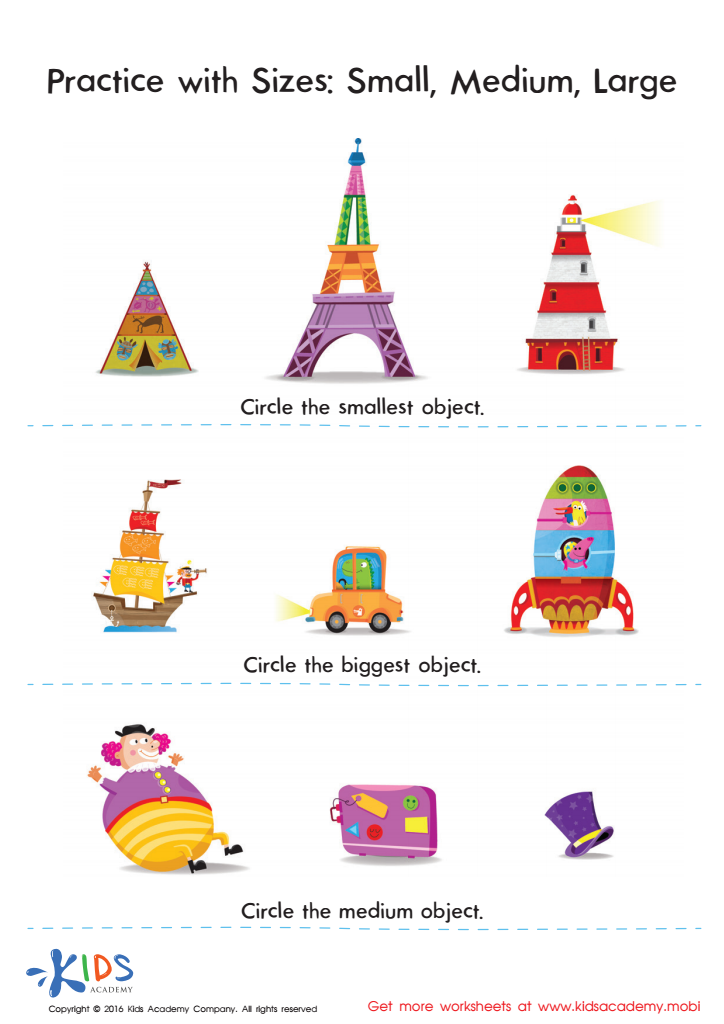
Discover engaging and educational normal worksheets designed for children aged 7-8 years at Kids Academy. Our worksheets focus on promoting critical learning skills through comparative analysis exercises. These worksheets help kids enhance their analytical abilities by comparing and contrasting different objects, events, and scenarios. Crafted by experts, the activities are age-appropriate and ensure that young learners develop logical thinking, observational skills, and draw connections in a fun, interactive environment. Boost your child's intellectual growth with reliable resources, making learning an enjoyable experience. Visit Kids Academy now for a wide selection of printables that support your child's educational journey.
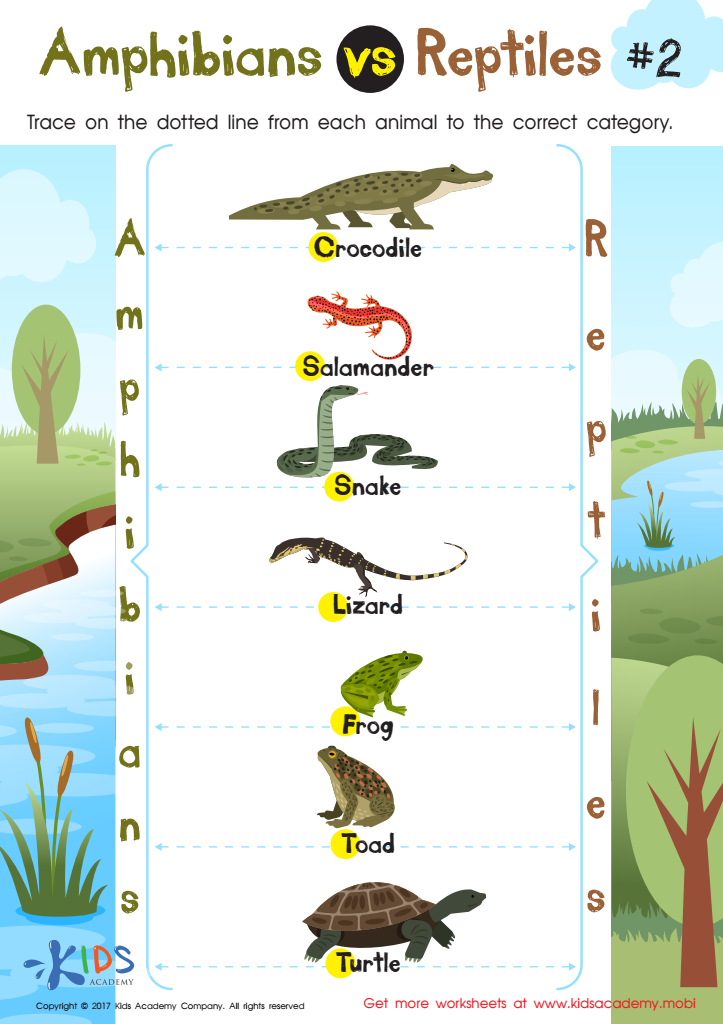
Amphibians vs Reptiles Worksheet for 3rd Grade
 Assign to My Students
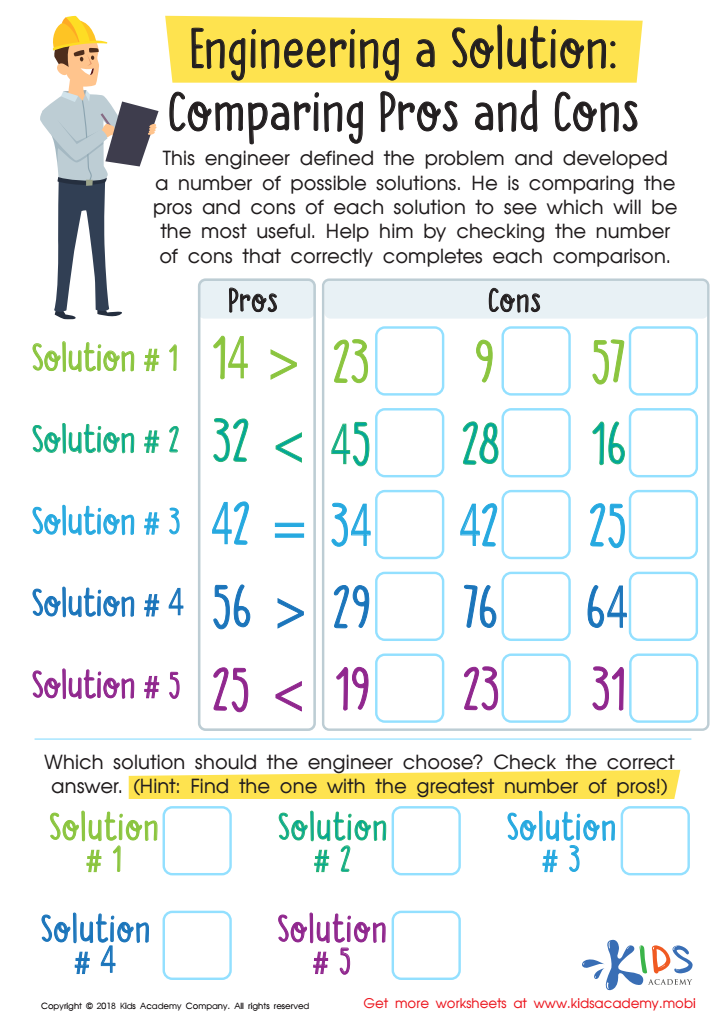
Engineering a Solution: Comparing Pros and Cons Worksheet
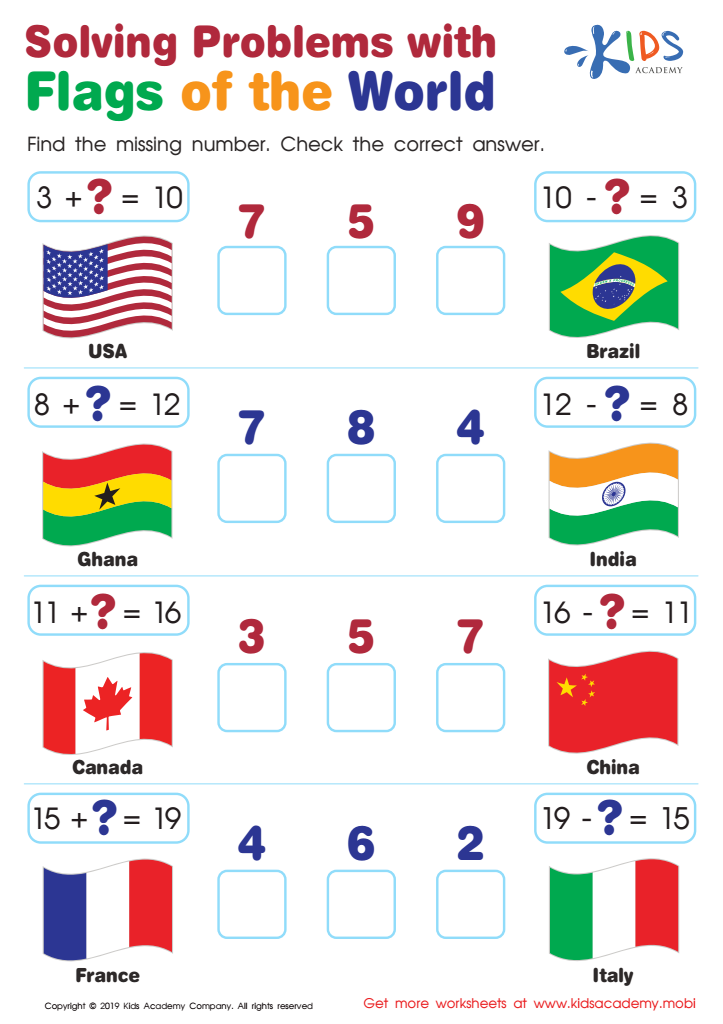
Solving Problems with Flags of the World Worksheet
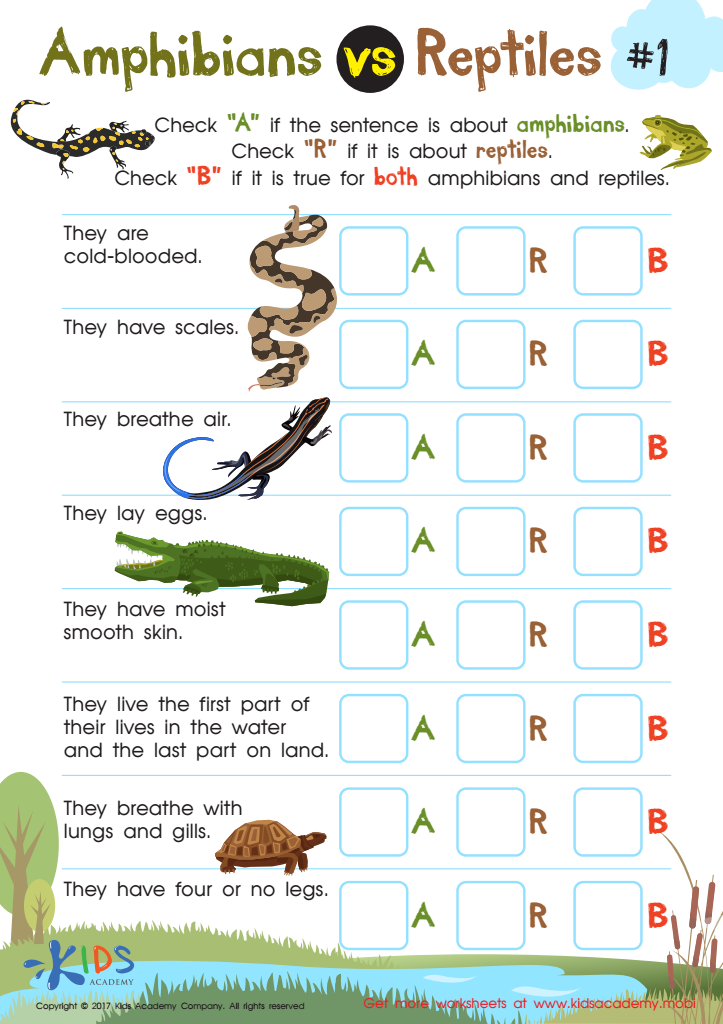
Amphibians vs Reptiles Worksheet







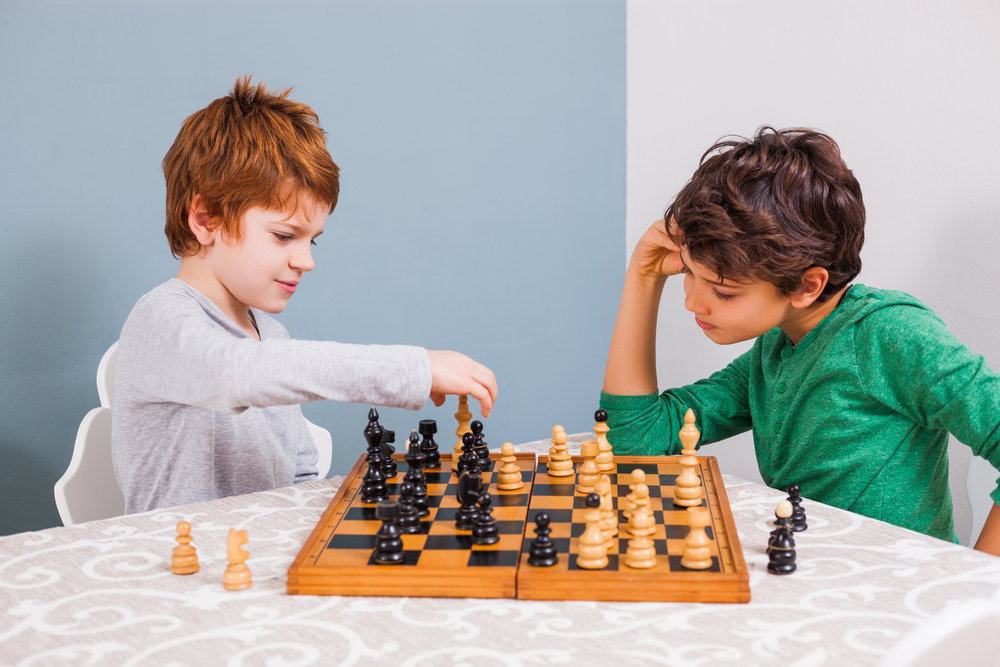
Parents and teachers should care about comparative analysis of normal developmental milestones for children aged 7-8 because it helps ensure that each child is progressing appropriately in their cognitive, social, and physical development. At these ages, children typically hone critical skills like reading, math, and social interactions, all of which form the foundation for future academic and personal success.
By engaging in comparative analysis, adults can identify whether a child is on track compared to a standard developmental benchmark, known as "norms." Such benchmarks offer insights into the average range of capabilities, which can be used to spot any areas where a child may need additional support or enrichment. Early identification of deviations — be it advanced skills or delays — allows for timely intervention. For instance, a child struggling with reading might benefit from specialized reading programs or tutoring, while a child showing advanced math skills could be offered more challenging materials to foster their abilities.
Ultimately, comparative analysis supports a personalized approach to education. It ensures that each child receives the appropriate level of attention and resources, promoting an environment in which all students can thrive and reach their full potential. Parents and teachers, by understanding and utilizing these norms, play critical roles in nurturing a child's growth and ensuring that no child is left behind.








