Develops fine motor skills Normal Worksheets for Ages 7-8
4 filtered results
-
From - To
Discover our engaging "Develops Fine Motor Skills Normal Worksheets" designed specifically for children aged 7-8. These worksheets offer a variety of activities that promote hand-eye coordination, dexterity, and control, essential for tasks like writing and drawing. Through fun and challenging exercises, children enhance their fine motor abilities while enjoying the process. Our carefully curated selection not only supports their physical development but also encourages creativity and focus. Ideal for classroom use or as supplementary materials at home, these worksheets are an excellent resource for parents and teachers committed to fostering essential skills in young learners. Explore our collection today!
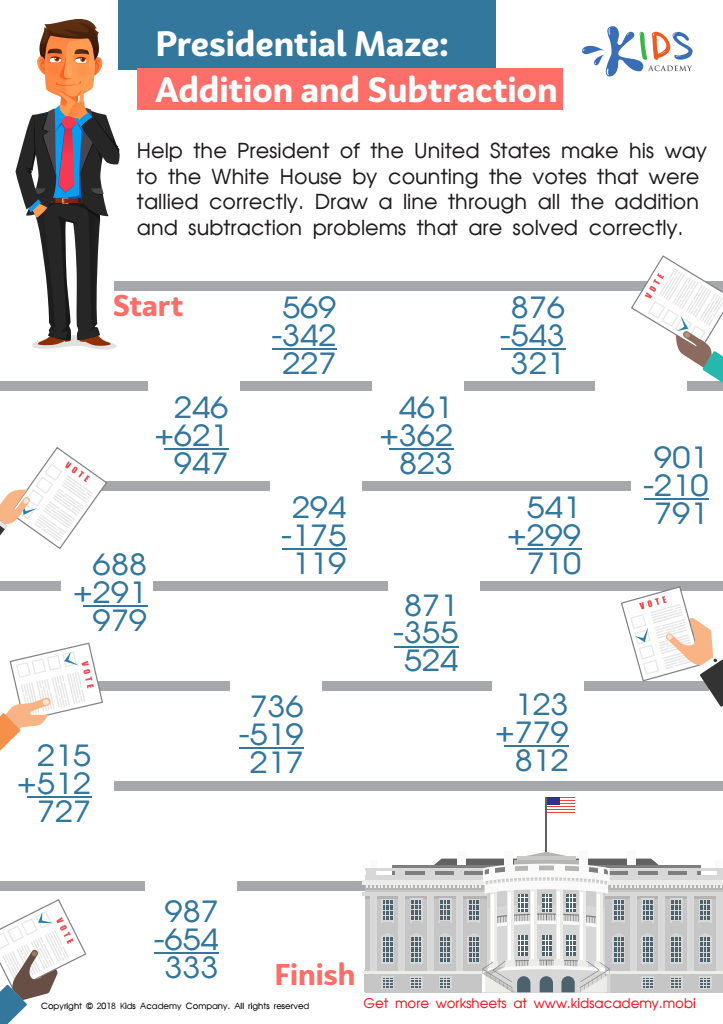
Presidential Maze: Addition and Subtraction Worksheet
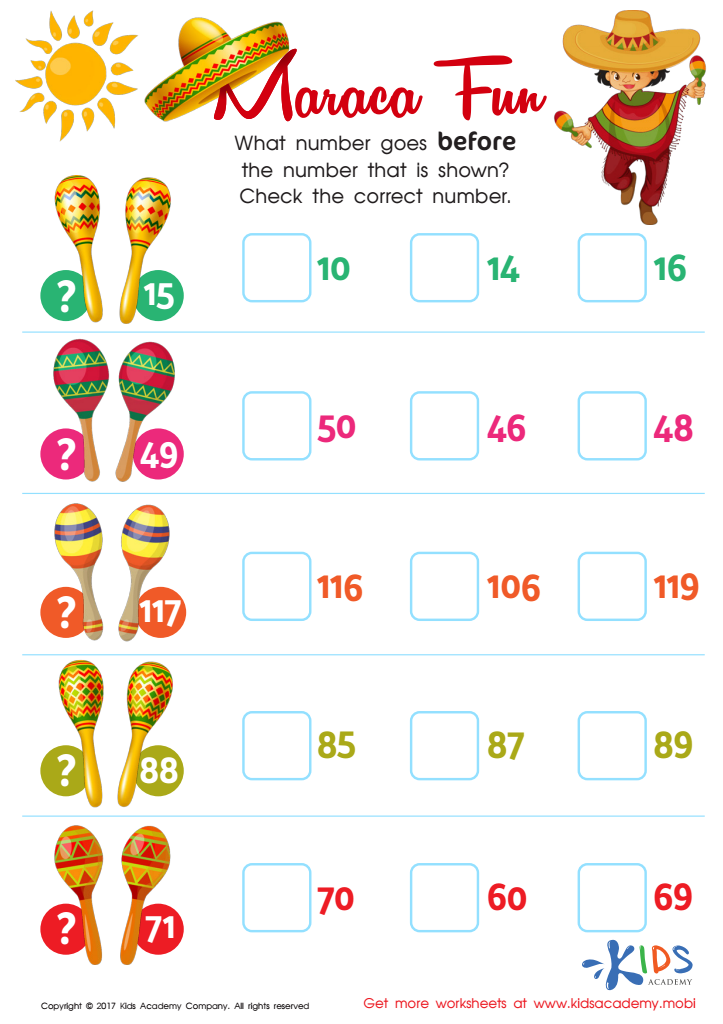
Counting: Maraca Fun Worksheet
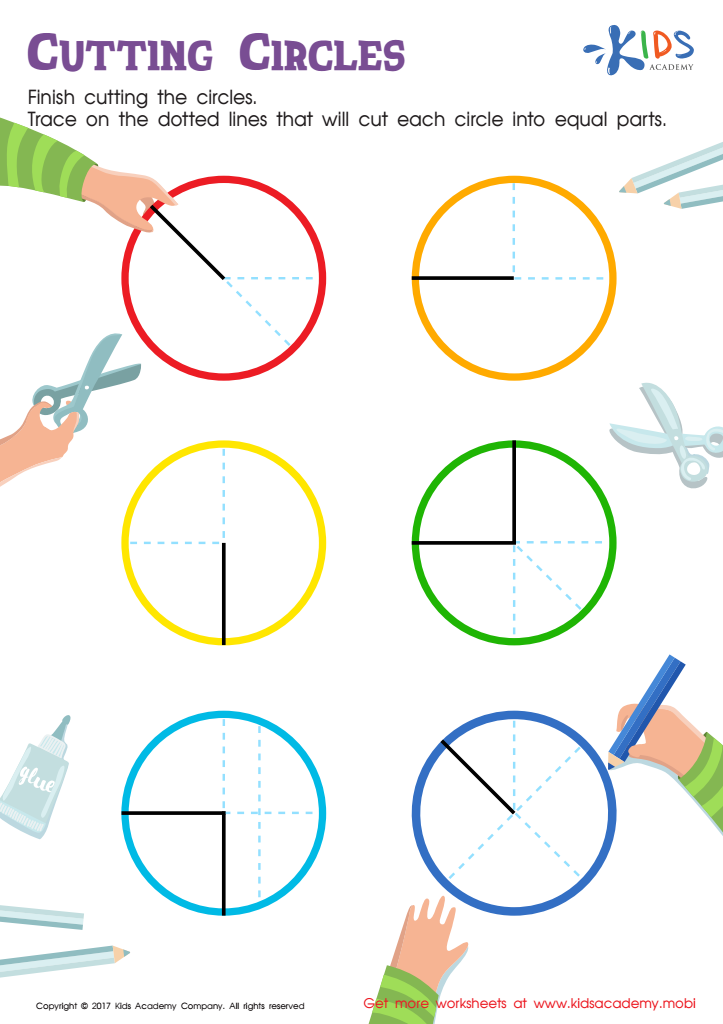
Cutting Circles Worksheet
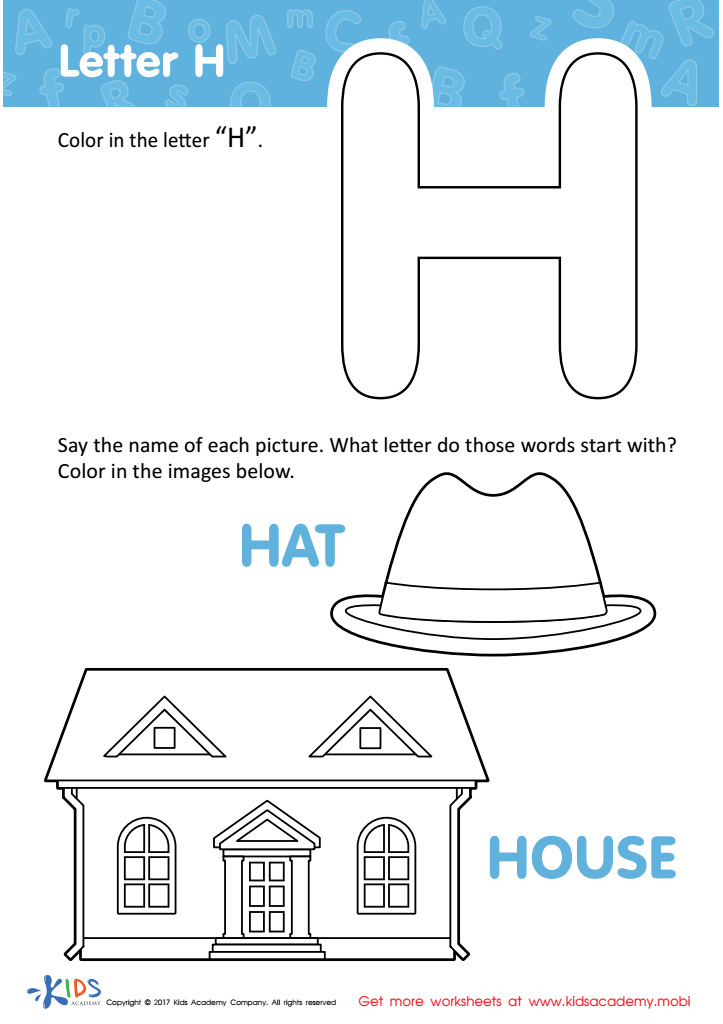
Letter H Coloring Sheet
 Assign to My Students


.jpg)





Developing fine motor skills in children aged 7-8 is crucial for several reasons. First and foremost, these skills are fundamental for daily tasks, such as writing, cutting, and using tools, which are essential for academic success and independence. When children possess well-developed fine motor skills, they can complete school assignments more efficiently and engage more actively in classroom activities.
Moreover, fine motor skills are linked to cognitive development. Engaging in activities that strengthen these skills, like drawing or manipulating small objects, enhances hand-eye coordination and concentration, fostering brain development. When parents or teachers emphasize fine motor skill development, they also promote problem-solving abilities and creativity, which are vital for holistic growth.
Additionally, proficient fine motor skills boost a child’s self-esteem. When children can perform tasks independently, they feel a sense of accomplishment, which encourages further learning and exploration. It’s also important to recognize that difficulties with fine motor skills can lead to frustration and discourage a child from participating fully in classroom activities. Thus, supporting this development can significantly contribute to a child’s confidence, engagement, and overall well-being, making it an essential focus for parents and educators alike.








