Geographic Understanding Normal Worksheets for Ages 7-8
3 filtered results
-
From - To
Enhance your child's geographic understanding with our engaging worksheets designed for ages 7-8! Our specially crafted resources help young learners explore maps, landforms, and various cultures, fostering a foundational appreciation of the world around them. Each worksheet focuses on essential skills such as identifying geographical features, understanding directions, and learning about diverse regions. Fun and interactive activities motivate students to learn while developing critical thinking abilities. Perfect for home or classroom use, these worksheets provide a structured yet enjoyable way to nurture curiosity and knowledge about geography at an early age. Start your adventure in exploration today!
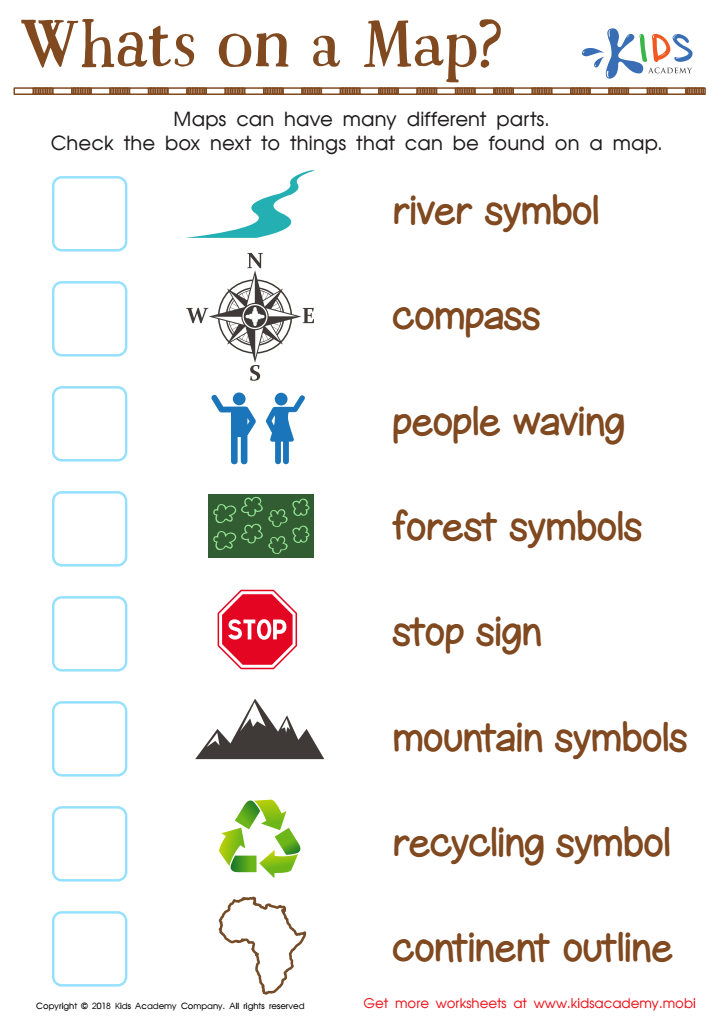
Whats on a Map? Worksheet
 Assign to My Students
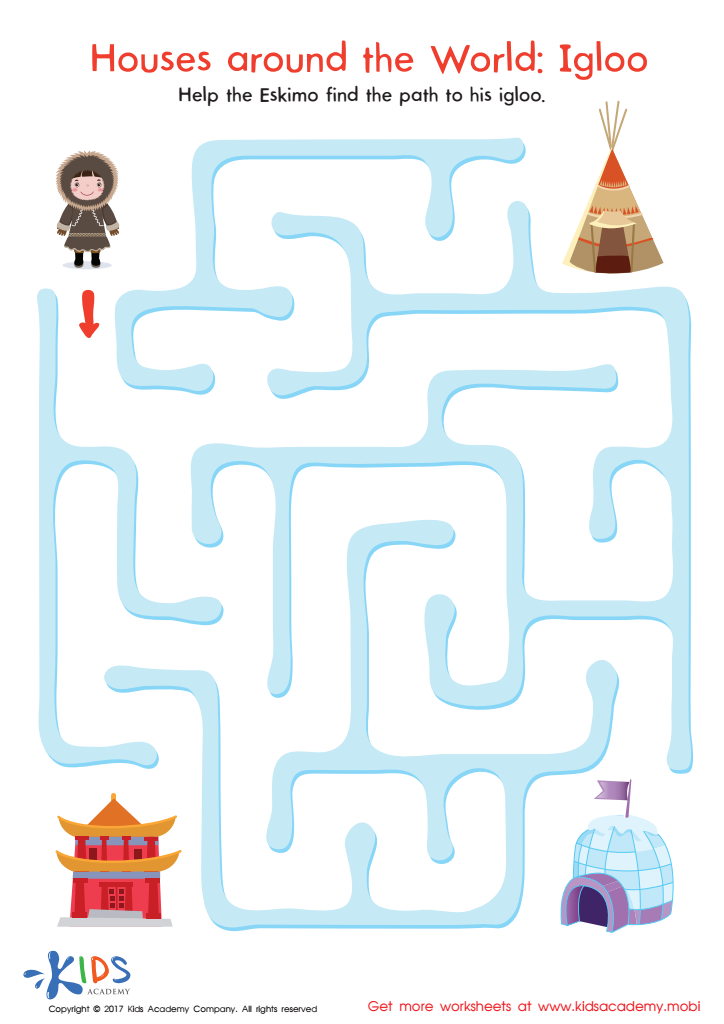
Houses Around the World: Igloo Printable
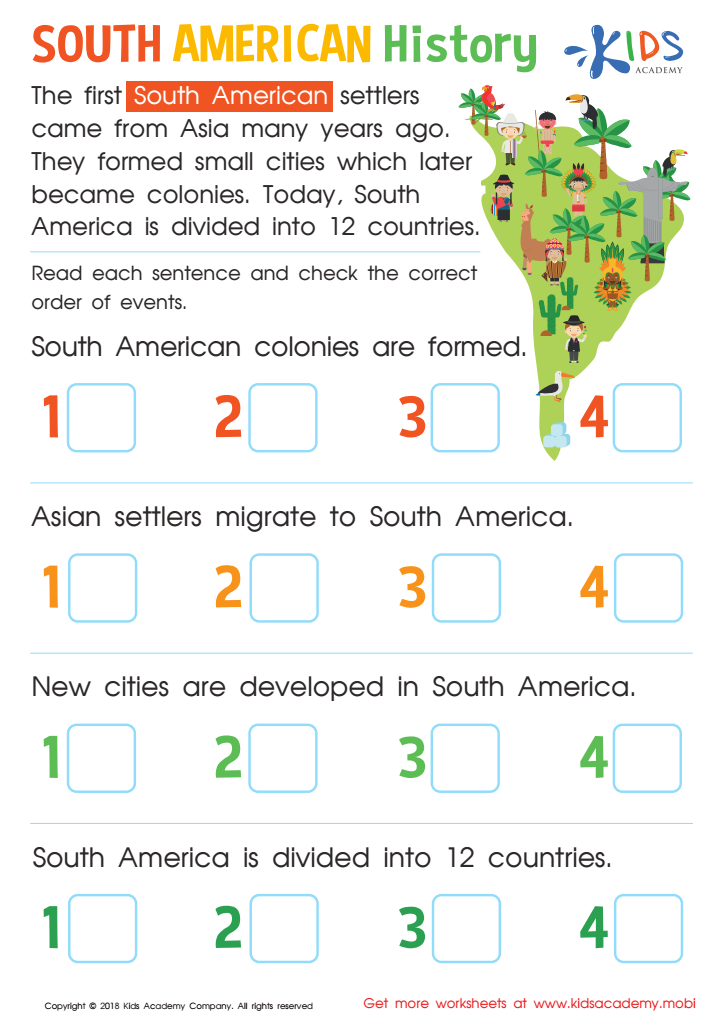
South American History Worksheet






Parents and teachers should prioritize Geographic Understanding for children aged 7-8 because it lays the foundation for essential life skills. At this age, children are typically curious about the world, and engaging with geography can satisfy that curiosity while promoting critical thinking and problem-solving skills. Learning about different places, cultures, and environments helps children develop a sense of belonging, appreciating diversity and fostering empathy towards others.
Moreover, geographic understanding enhances spatial awareness and navigational skills, which are increasingly important in our interconnected world. Children begin to understand maps, directions, and the relationship between location and resources, setting them up for success in numerous academic areas, from science to social studies.
Additionally, a strong grasp of geography is vital for informed citizenship. As children learn about global issues like climate change, resource depletion, and cultural diversity, they are better equipped to understand their role in promoting sustainability and engaging with society positively.
Fostering geographic understanding in young learners inspires them to explore, ask questions, and think critically, ensuring they grow into informed individuals who care about the world around them and can contribute thoughtfully to their communities.








