Identifying Animals Normal Worksheets for Ages 7-8
3 filtered results
-
From - To
Discover engaging and educational "Identifying Animals" worksheets for children ages 7-8! Our expertly crafted worksheets help young learners recognize and name different animals, enhancing their understanding of wildlife. With vivid images and interactive activities, children will explore habitats, learn animal characteristics, and improve observation skills. Perfect for both classroom and home use, these worksheets ensure a fun, thoughtful, and enriching learning experience. Foster a love of nature and expand your child's knowledge of the animal kingdom with our identifying animals worksheets! Visit our site for a wide selection of enriching educational resources for kids.
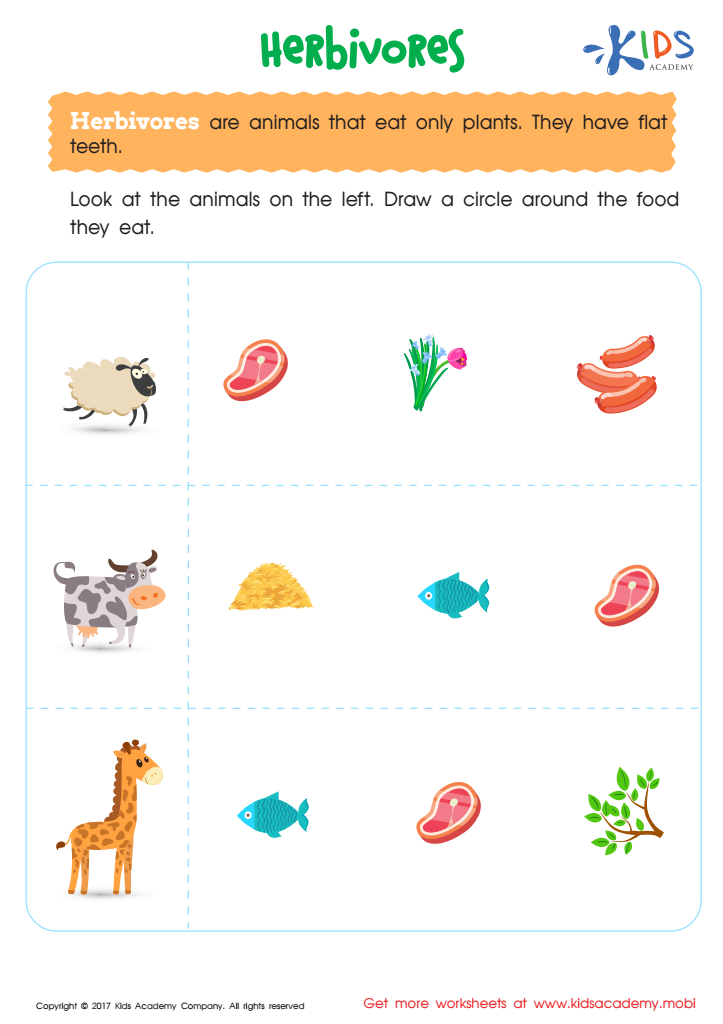
Herbivores Printable
 Assign to My Students
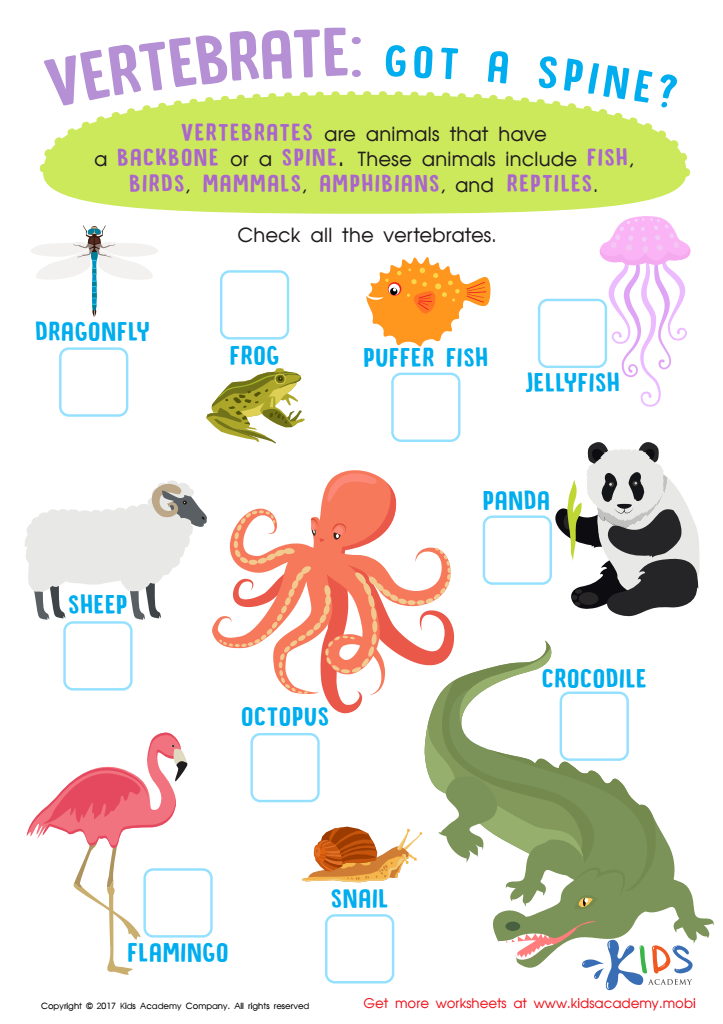
Vertebrates Animals Worksheet for 3rd Grade
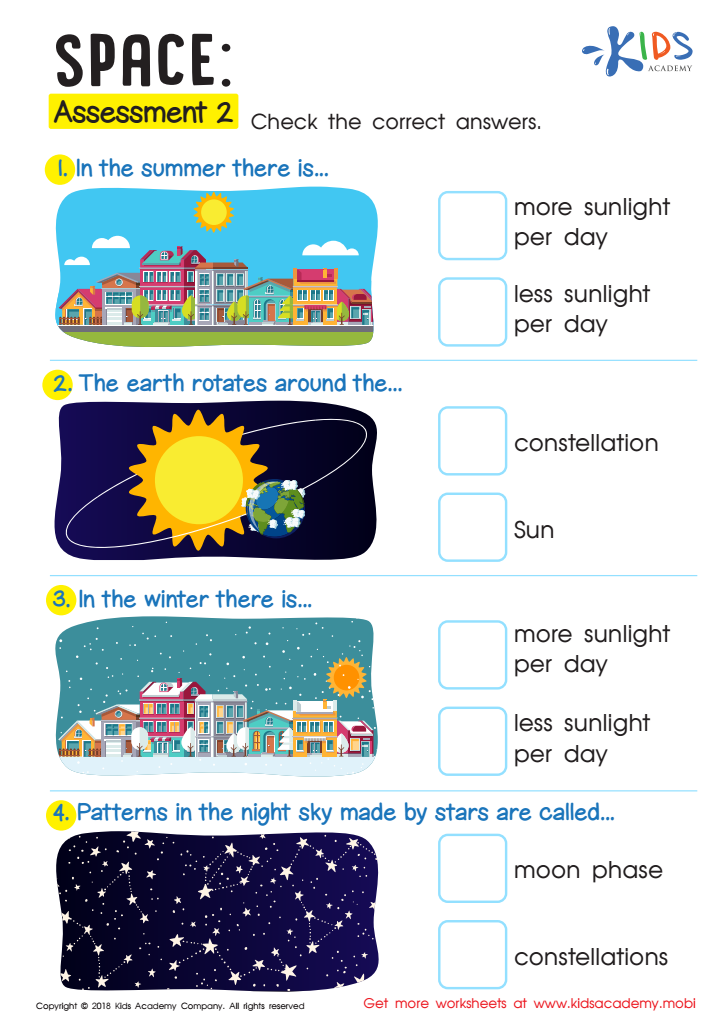
Space: Assessment 2 Worksheet



.jpg)




Understanding and identifying animals is an important educational milestone for children aged 7-8, serving multiple developmental purposes that are beneficial for both parents and teachers to nurture.
Firstly, recognizing different animals enhances cognitive development. Sorting species based on attributes like habitat, diet, and physical characteristics fosters critical thinking and categorization skills. These early scientific learnings can spark curiosity, paving the way for future academic interests in subjects like biology and environmental science.
Secondly, studying animals raises environmental awareness. Understanding ecosystems and the roles various animals play can help children appreciate nature and develop a sense of conservation. This awareness cultivates responsible stewardship, where children learn the importance of protecting and respecting wildlife and their habitats.
Social and emotional growth is another key benefit. Learning about animals often involves working on projects or participating in discussions, promoting teamwork and communication skills. Additionally, the nurturing of empathy is facilitated, as children understand the needs and behaviors of living creatures different from humans.
For educators and parents, fostering a connection with nature through foundational knowledge of animals becomes a critical tool. By integrating animal identification seamlessly into everyday learning, they can build a well-rounded educational experience that balances intellect, nature, and emotion, contributing significantly to the well-being and holistic growth of young children.








