Mental math practice Normal Worksheets for Ages 7-8
5 filtered results
-
From - To
Looking to sharpen your child’s mind with fun and educational activities? Our Mental Math Practice Normal Worksheets for Ages 7-8 offer a comprehensive collection of exercises aimed at enhancing arithmetic skills. These engaging worksheets help young learners develop speed and accuracy in addition, subtraction, multiplication, and division. Designed to boost confidence and promote a love for numbers, our activities incorporate colorful and relatable themes. Ideal for both classroom use and at-home practice, our worksheets ensure a solid foundation in math while making learning enjoyable. Give your child the tools for numerical success with Kids Academy’s expert-crafted mental math worksheets!
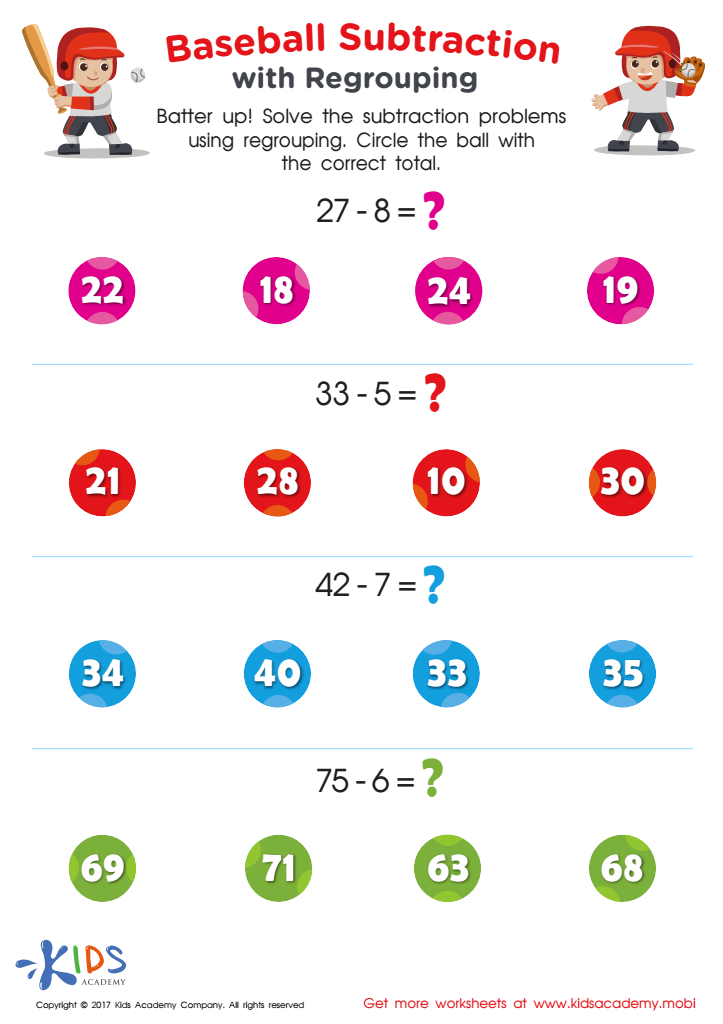
Subtraction With Regrouping for 2nd Grade Worksheet
 Assign to My Students
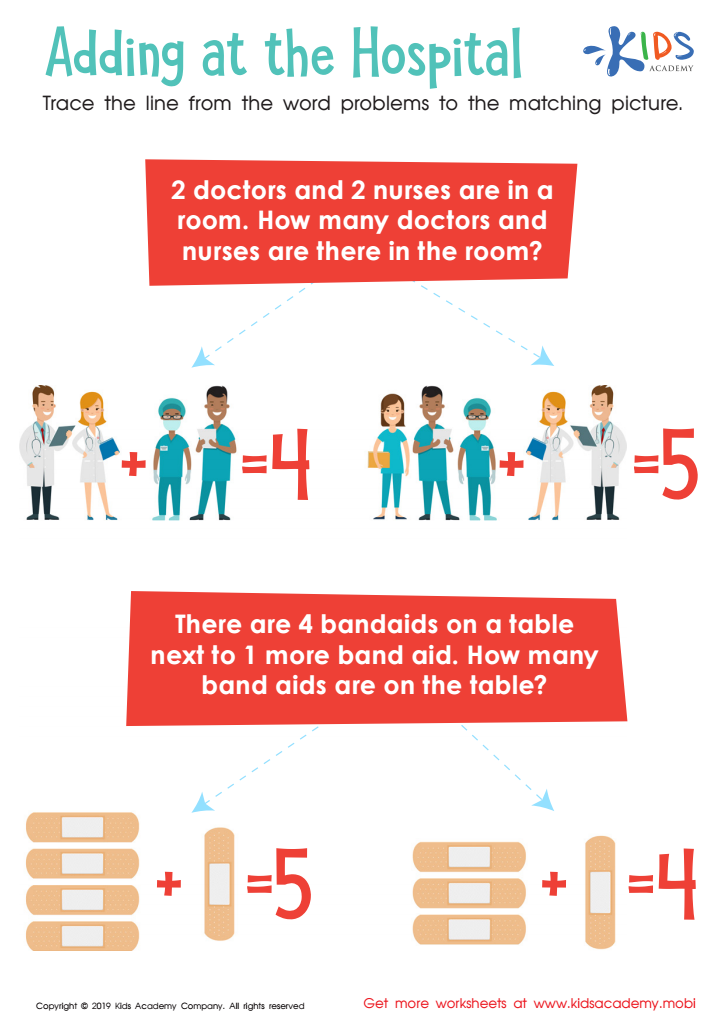
Adding at the Hospital Worksheet
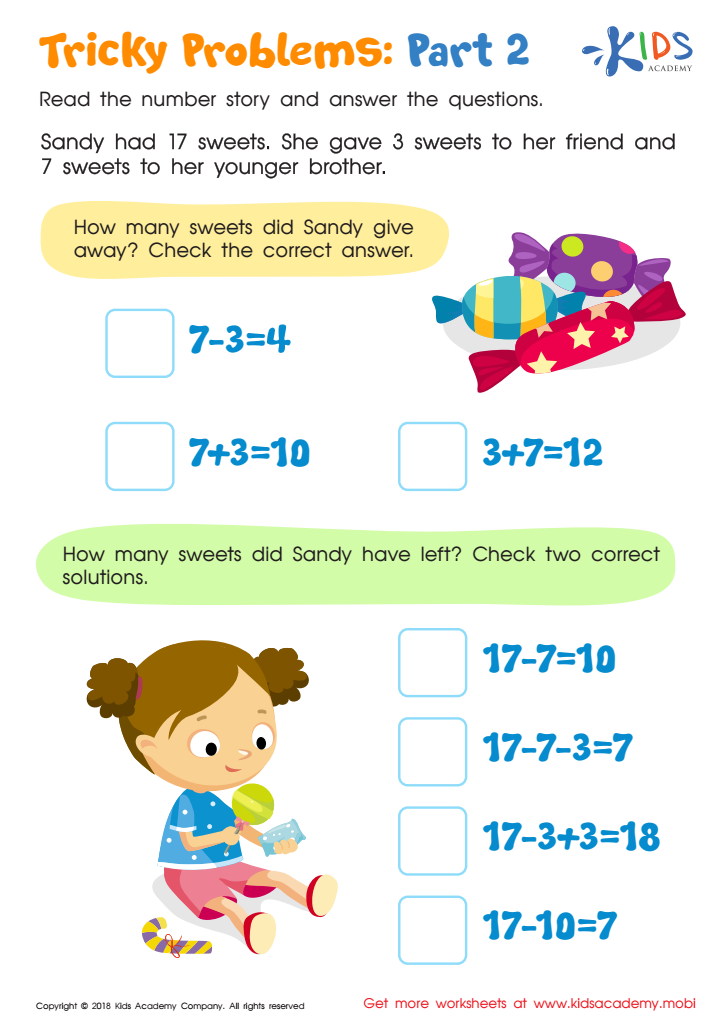
Tricky Problems Worksheet: Part 2
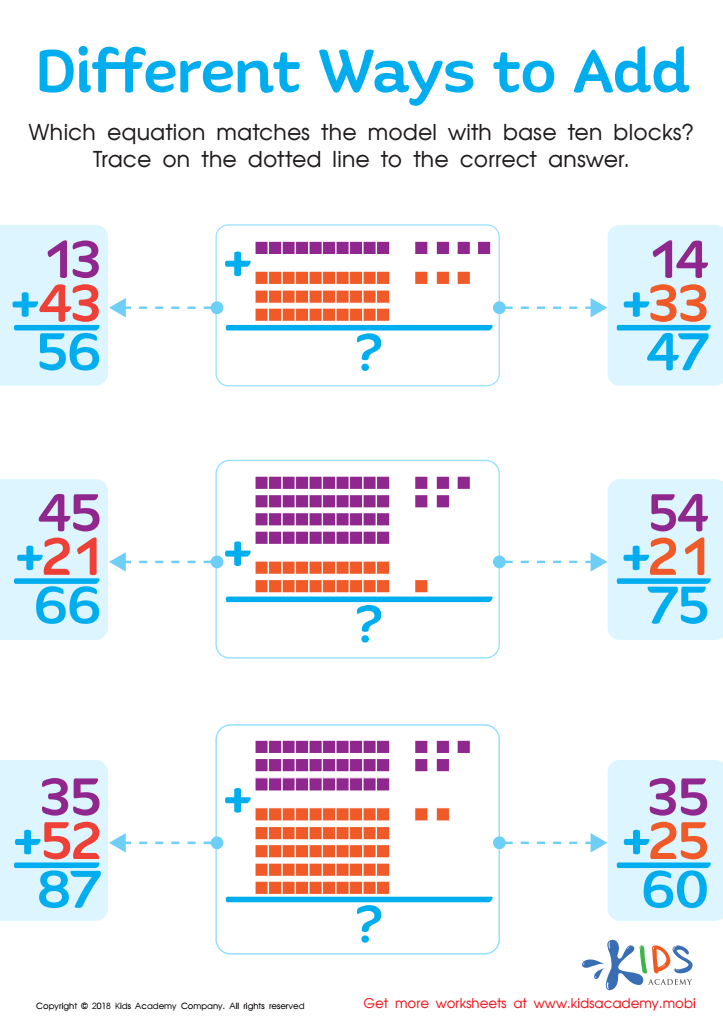
Different Ways to Add Worksheet
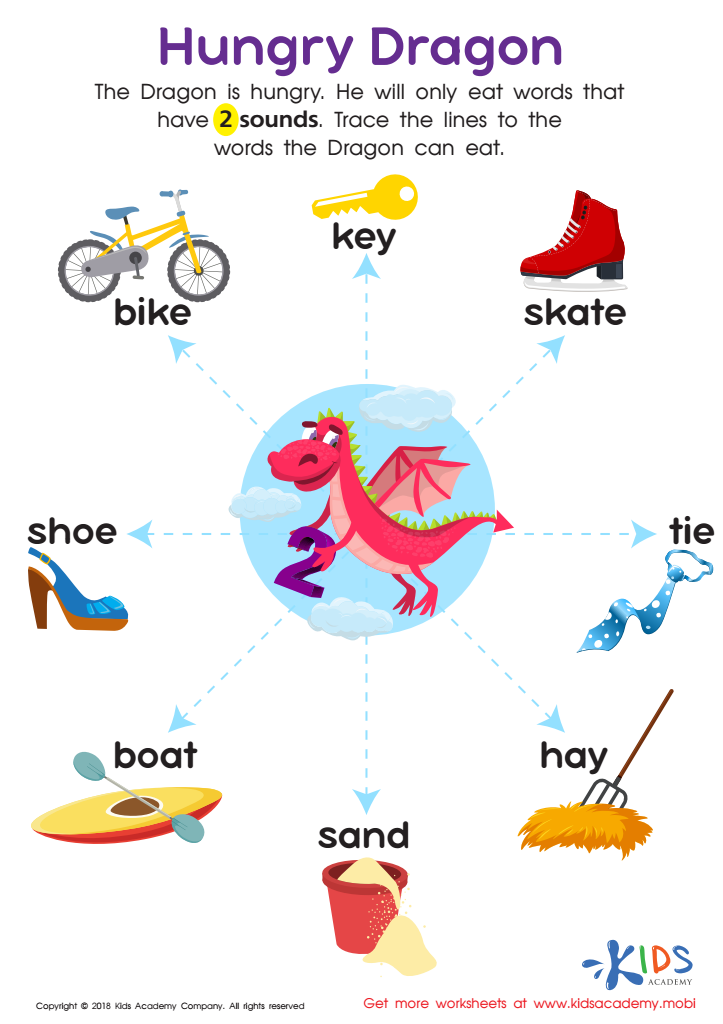
Hungry Dragon Worksheet








Mental math practice is crucial for children aged 7-8 because it lays a solid foundation for their overall mathematical development and critical thinking skills. At this stage, kids are transitioning from concrete to more abstract forms of thinking. Mental math helps in making this shift smoother by encouraging them to visualize and manipulate numbers in their heads.
Fostering mental math skills can enhance a child's number sense—a fundamental aspect of early mathematics that allows them to understand relationships between numbers and their various properties. This not only aids in quicker calculation but also boosts their confidence and independence in solving problems.
Moreover, mental math can be seamlessly incorporated into daily activities, making learning fun and relevant. For instance, asking children to calculate the total number of apples if they add 2 more to the 3 they already have during grocery shopping can help them relate math to real-life situations.
Teachers benefit by observing students who are more engaged and likely to participate in class discussions, boosting a collaborative learning environment. Parents see their children developing focus and improving memory and concentration.
In short, regular mental math practice develops essential cognitive skills that contribute significantly to a child's academic and everyday success.








