Number identification Normal Worksheets for Ages 7-8
3 filtered results
-
From - To
Explore our engaging Number Identification Normal Worksheets designed specifically for children ages 7-8! These worksheets provide a fun and interactive way for young learners to enhance their number recognition skills. Our thoughtfully crafted activities include a variety of exercises that challenge students to identify and write numbers, fostering both confidence and competence in math. Perfect for both classroom and home use, our worksheets will captivate students while ensuring they build a solid foundation in number identification. Crafted by experienced educators, these resources are ideal for reinforcing key concepts. Download your worksheets today and watch your child excel in mathematics!
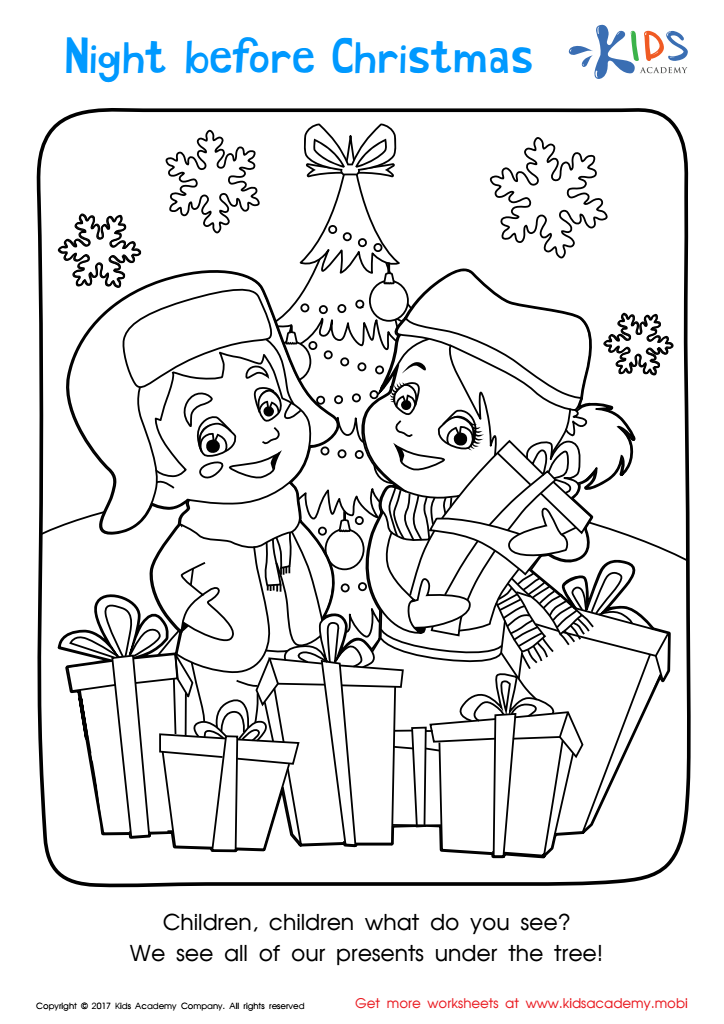
Christmas: Night Before Christmas Printable
 Assign to My Students
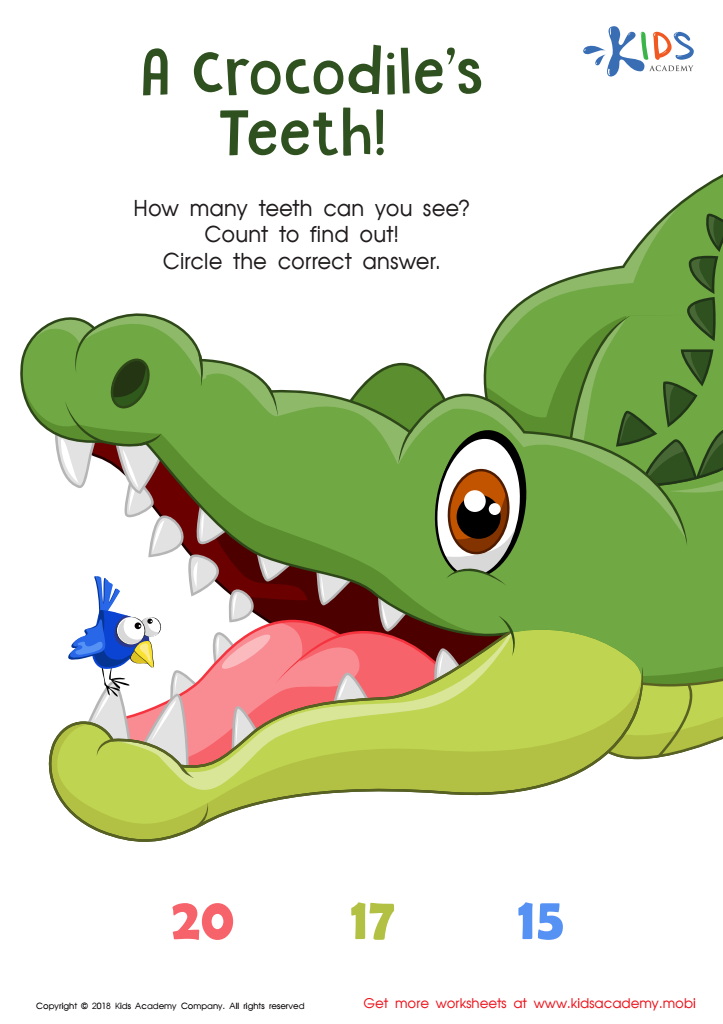
A Crocodile's Teeth Worksheet
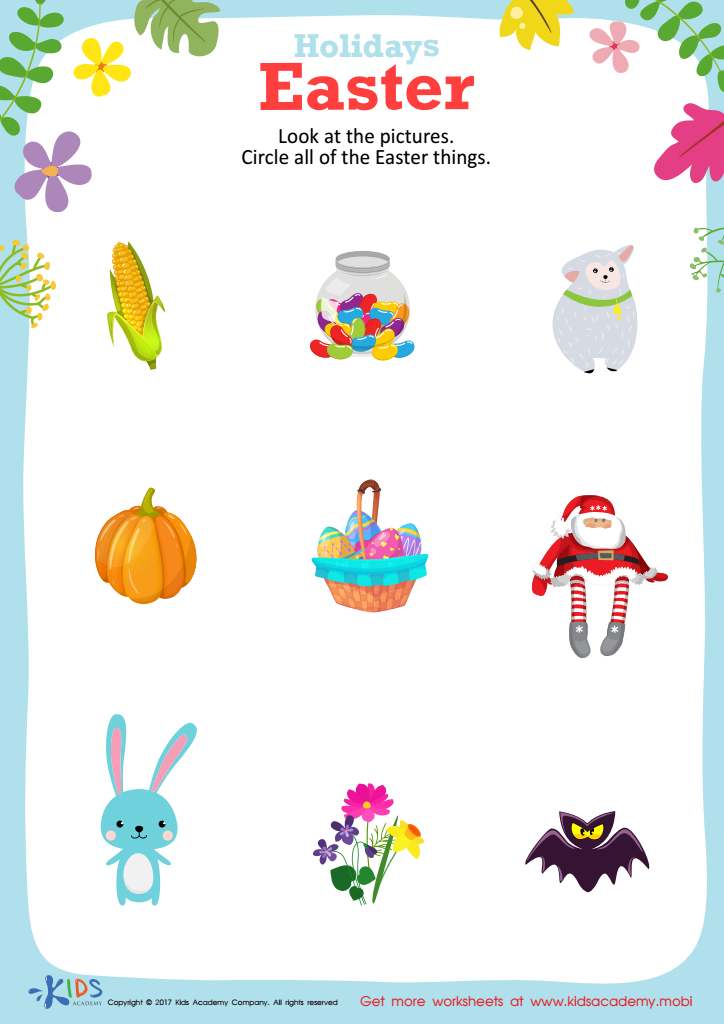
Easter Holiday Printable








Number identification is a crucial skill for children aged 7 to 8, laying the foundation for their mathematical understanding and overall academic success. At this age, students transition from recognizing numbers to understanding their meaning and application in real-world contexts. Strong number identification skills help students engage with more complex mathematical concepts like addition, subtraction, and word problems.
Parents and teachers should care about number identification because it directly influences children's confidence and willingness to tackle math challenges. When children can identify and manipulate numbers with ease, they are more likely to participate in math-related activities, leading to a positive reinforcement loop of learning and achievement.
Furthermore, number identification fosters critical thinking and problem-solving abilities, both essential skills for future academic pursuits and everyday life. By focusing on this aspect of mathematical learning, parents and teachers can promote deeper comprehension, readiness for advanced topics, and readiness for more challenging standardized testing.
Supportive environments that prioritize number identification can significantly enhance children's mathematical literacy and set the stage for lifelong learning. Ultimately, fostering these skills guides children's educational trajectories and encourages a positive attitude towards mathematics in general.








