Recognizing Patterns Normal Worksheets for Ages 7-8
5 filtered results
-
From - To
Discover the perfect resources to enhance your child's pattern recognition skills with our "Recognizing Patterns Normal Worksheets for Ages 7-8." These engaging and educational worksheets are designed to help young learners identify and analyze patterns, fostering critical thinking and problem-solving abilities. Each worksheet features colorfully illustrated activities that encourage kids to spot number sequences, shapes, and repeating designs. Ideal for both classroom and home use, our worksheets provide a fun and interactive way for children to develop crucial cognitive skills while keeping them thoroughly engaged. Explore our collection and watch your child’s pattern recognition skills flourish!
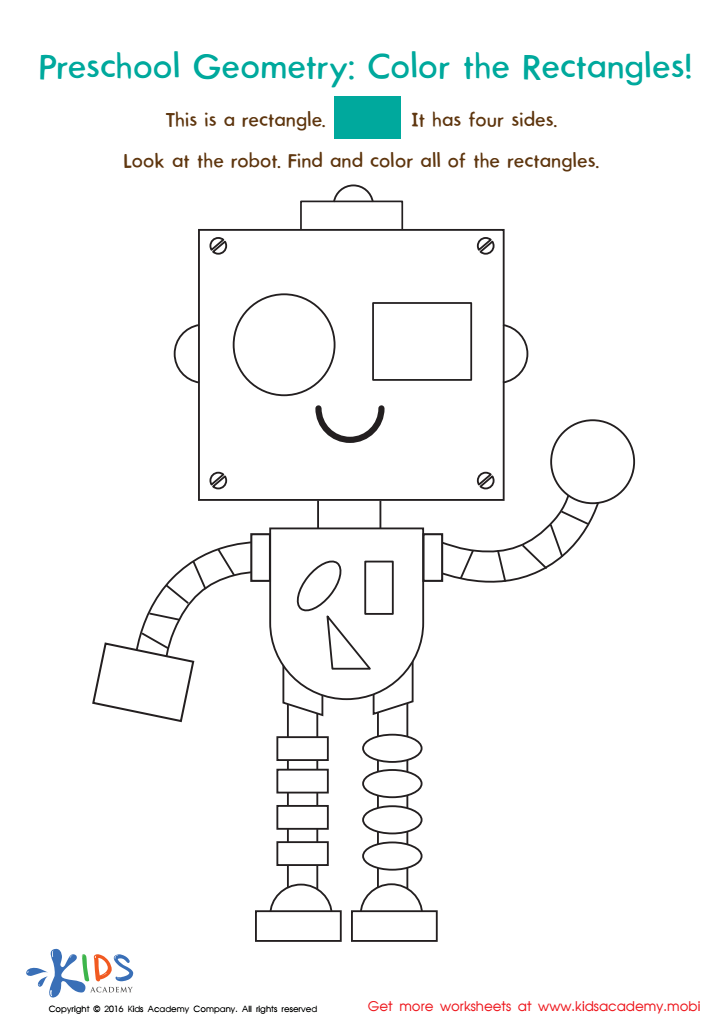
Geometry Worksheet
 Assign to My Students
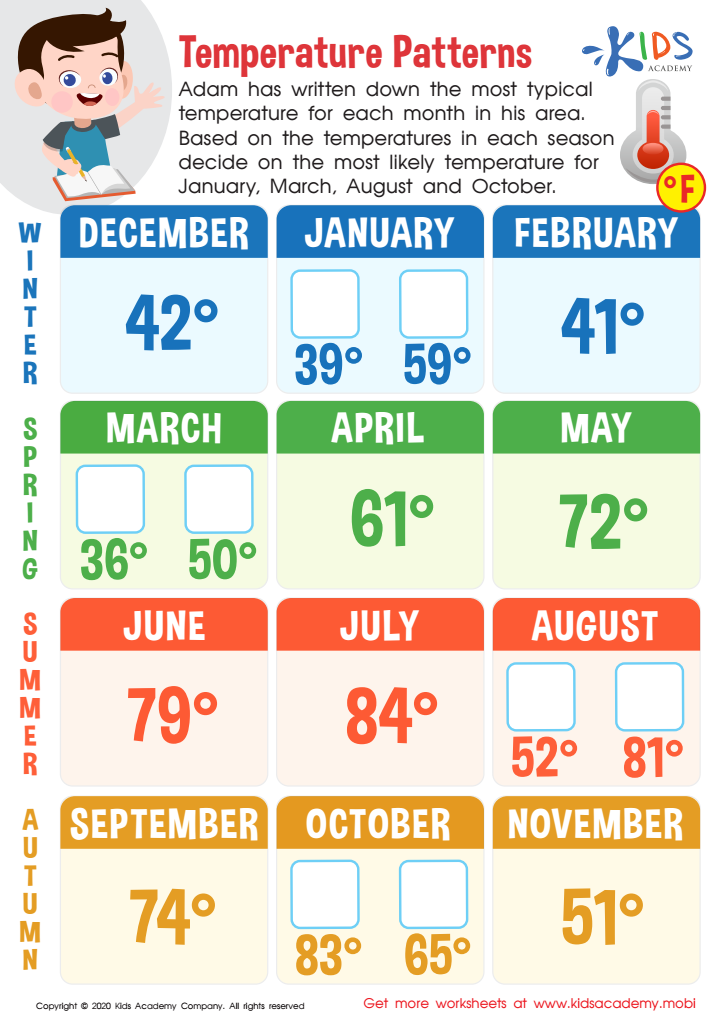
Temperature Patterns Worksheet
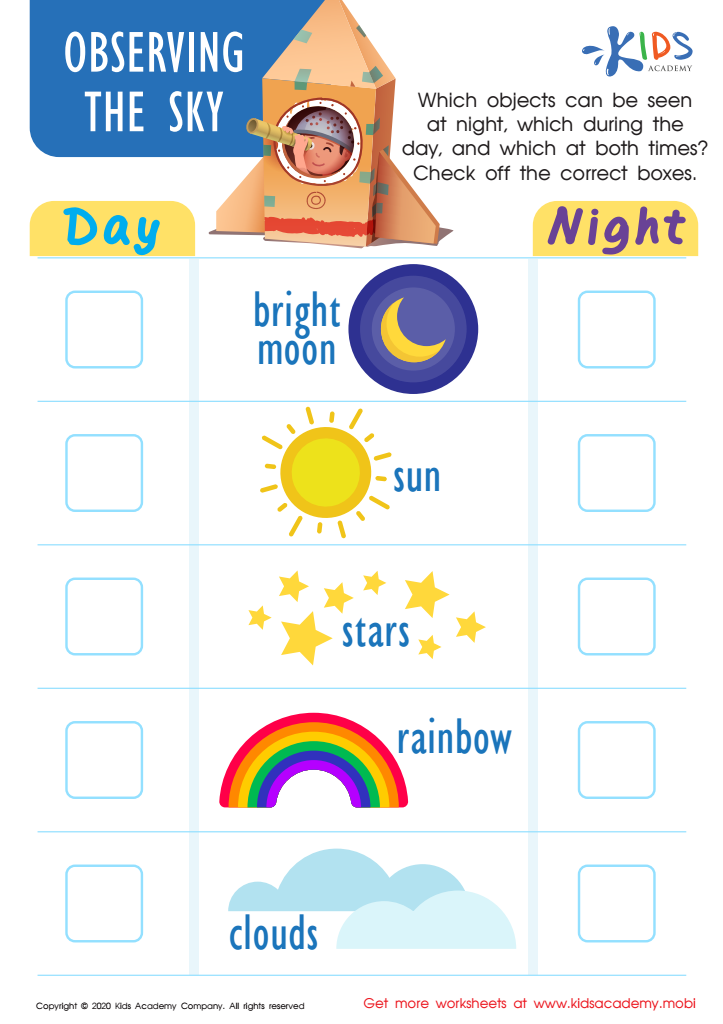
Observing the Sky Worksheet
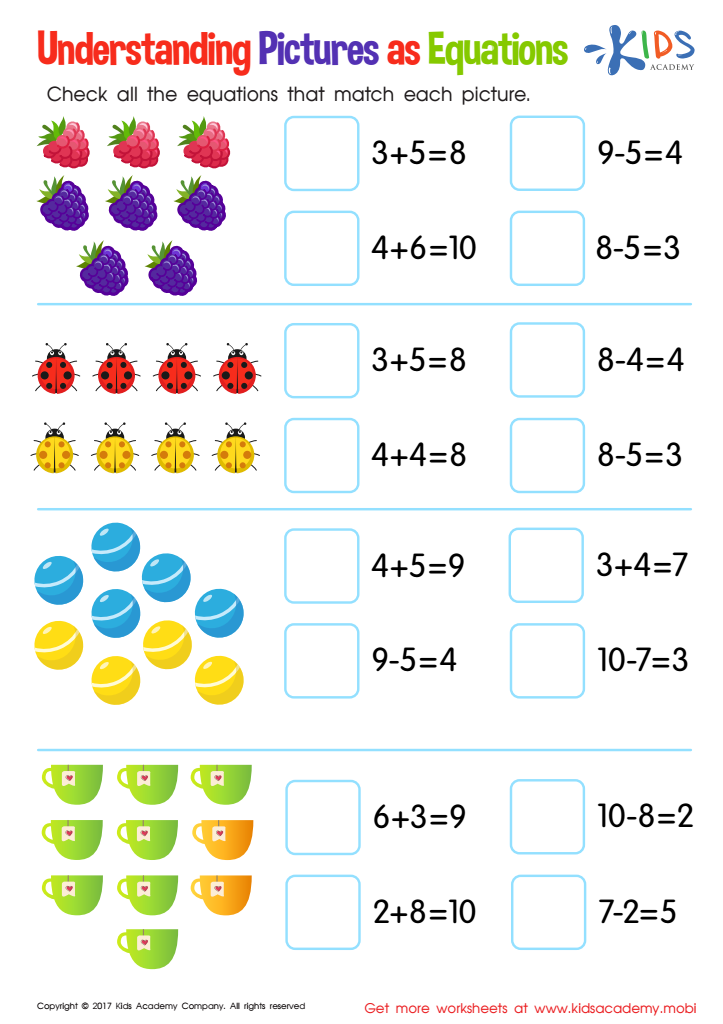
Understanding Pictures as Equations Worksheet
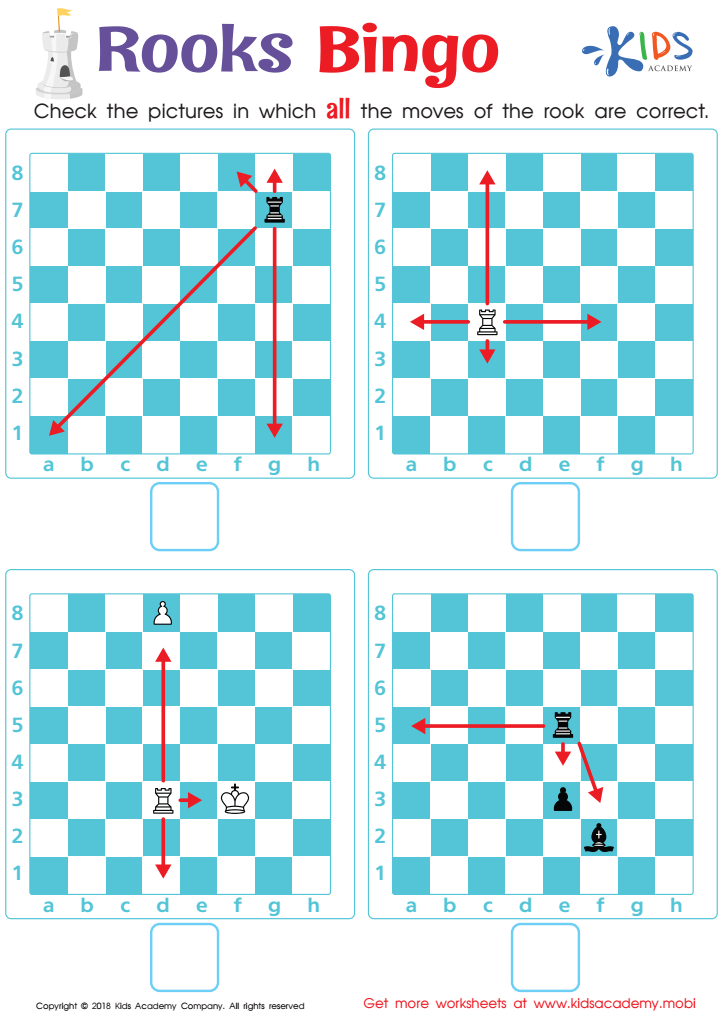
Rooks Bingo Worksheet








Recognizing patterns is a critical cognitive skill that impacts various aspects of learning and development, particularly for children aged 7-8. At this stage, children are transitioning from concrete operational thinking to more complex forms of reasoning. By identifying and understanding patterns, they enhance their mathematical skills, laying a foundation for advanced concepts like algebra and geometry. Patterns also improve their reading and language proficiency, as they discern word patterns, sentence structures, and grammatical rules.
Moreover, pattern recognition promotes logical thinking and problem-solving skills, essential for academic success and everyday decision-making. For instance, understanding sequential events helps children predict outcomes and plan accordingly, whether in scientific settings or daily routines. In science, recognizing patterns in nature or data helps them grasp fundamental concepts and phenomena, fostering a sense of curiosity and innovation.
Socially, patterns assist children in comprehending social behaviors and cues, contributing to better peer interactions and emotional intelligence. Identifying behavioral patterns in themselves and others leads to better self-regulation and empathy.
For parents and teachers, focusing on pattern recognition means nurturing an all-rounded developmental skill set that equips children not only to excel academically but to navigate life effectively. Interactive activities, games, and real-life examples make learning patterns engaging and contextually relevant, offering a balanced approach to education that benefits young learners comprehensively.








