Shape identification Normal Worksheets for Ages 7-8
4 filtered results
-
From - To
Discover our engaging Shape Identification Normal Worksheets designed for children aged 7-8! These worksheets offer interactive exercises that make learning about shapes fun and educational. Aimed at enhancing spatial awareness and visual recognition, each worksheet encourages students to identify, trace, and classify various shapes through enjoyable activities. With colorful illustrations and thoughtful prompts, children will develop essential skills in geometry while boosting their confidence. Perfect for classroom use or at-home practice, these worksheets are a fantastic resource for reinforcing shape knowledge at a crucial developmental stage. Download now and watch your young learners thrive with shape mastery!
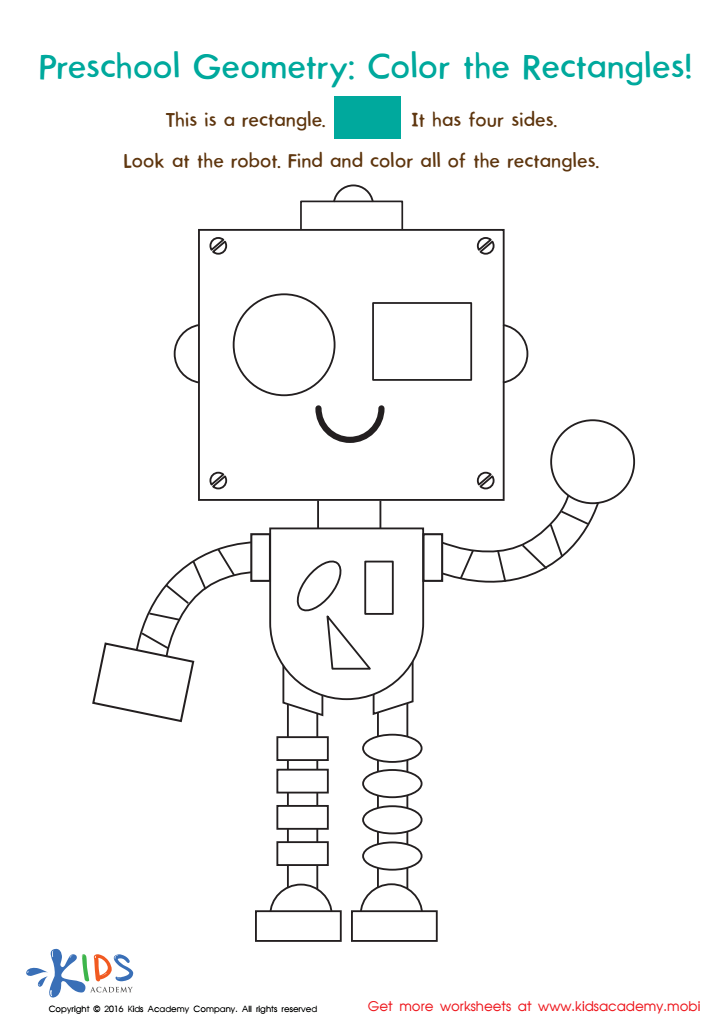
Geometry Worksheet
 Assign to My Students
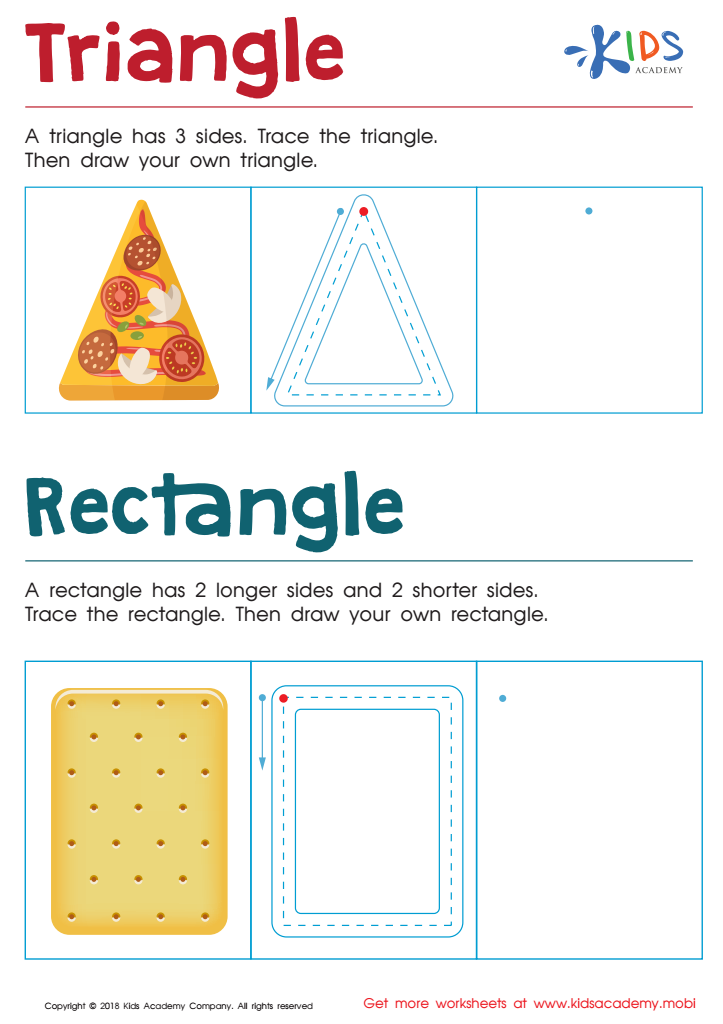
Triangle Rectangle Worksheet
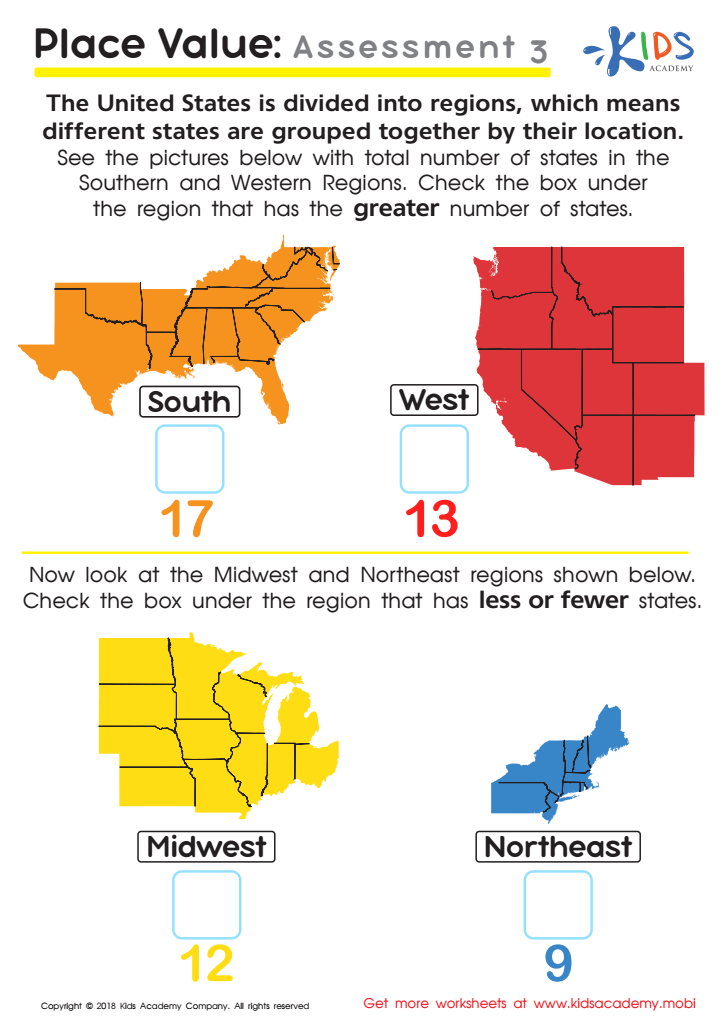
Place Value: Assessment 3 Worksheet
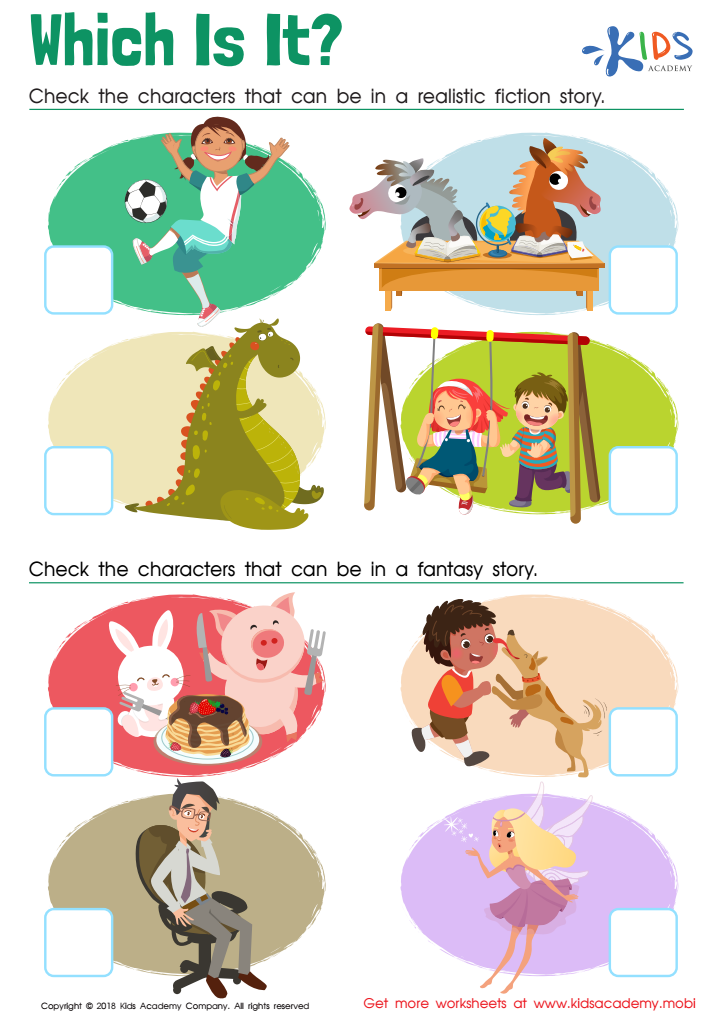
Which Is It? Worksheet







Shape identification for children aged 7-8 is essential for several reasons. At this age, children are not only refining their understanding of basic geometric shapes, but they're also laying the groundwork for critical mathematical concepts. Understanding shapes contributes to spatial awareness, which is crucial for problem-solving and reasoning skills later in math as well as in everyday life situations.
Additionally, shape identification fosters cognitive development. When children learn to categorize and differentiate between shapes, they enhance their analytical thinking, which is vital across multiple subjects including science and art. It also prompts their creativity as they interact with different forms through drawing or building.
Furthermore, mastering shape identification aids in enhancing fine motor skills. Activities that involve tracing, cutting, or constructing shapes combine physical dexterity with cognitive learning, leading to well-rounded development.
For parents and teachers, engaging children in this foundational skill can mitigate future learning challenges in math while also promoting confidence in their abilities. Encouraging shape identification through games and hands-on activities creates a stimulating learning environment that fosters curiosity and enthusiasm for learning, ultimately leading to a more positive educational experience. Prioritizing this aspect of learning can have lasting benefits for children as they progress academically.








