Understanding communities Normal Worksheets for Ages 7-8
3 filtered results
-
From - To
Introduce young learners to the concept of communities with our specially designed worksheets for ages 7-8. Our "Understanding Communities" worksheets help children grasp the importance of neighborhoods, roles, and relationships within a society. Engaging activities encourage students to identify various community members, understand their roles, and explore how they contribute to their environment. By completing these exercises, children will enhance their social awareness and cooperative skills. Perfect for classroom use or homeschooling, our printable worksheets provide a fun and interactive way for kids to learn about the world around them. Help your child build a strong foundation in understanding communities today!
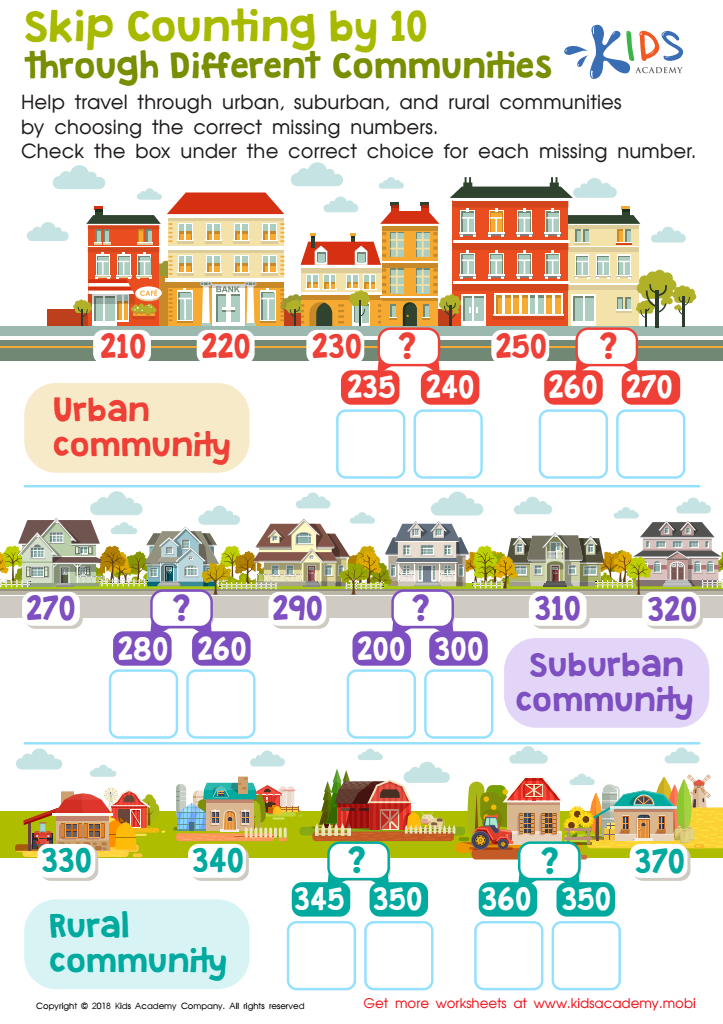
Skip Counting by 10 through Different Communities Worksheet
 Assign to My Students
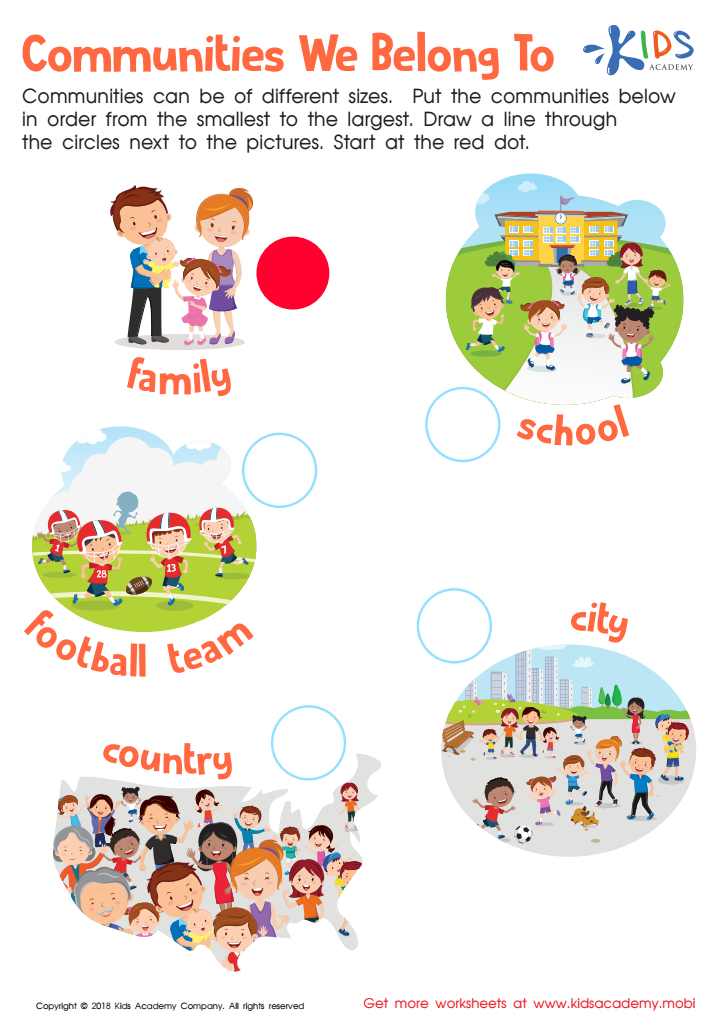
Communities We Belong to Worksheet
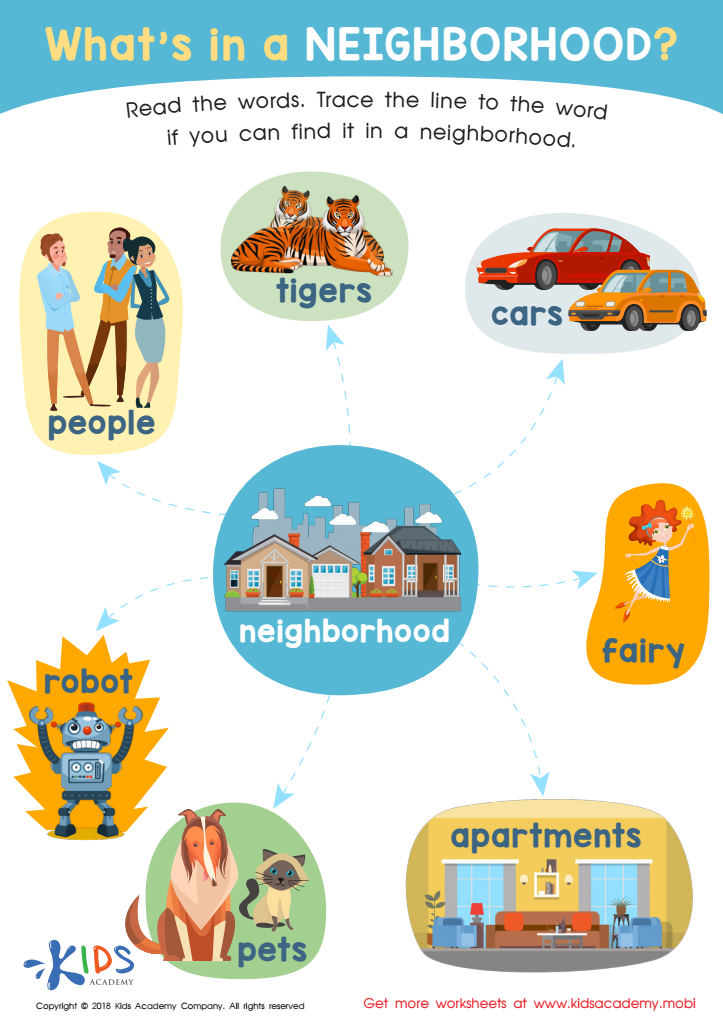
What's in a Neighborhood? Worksheet






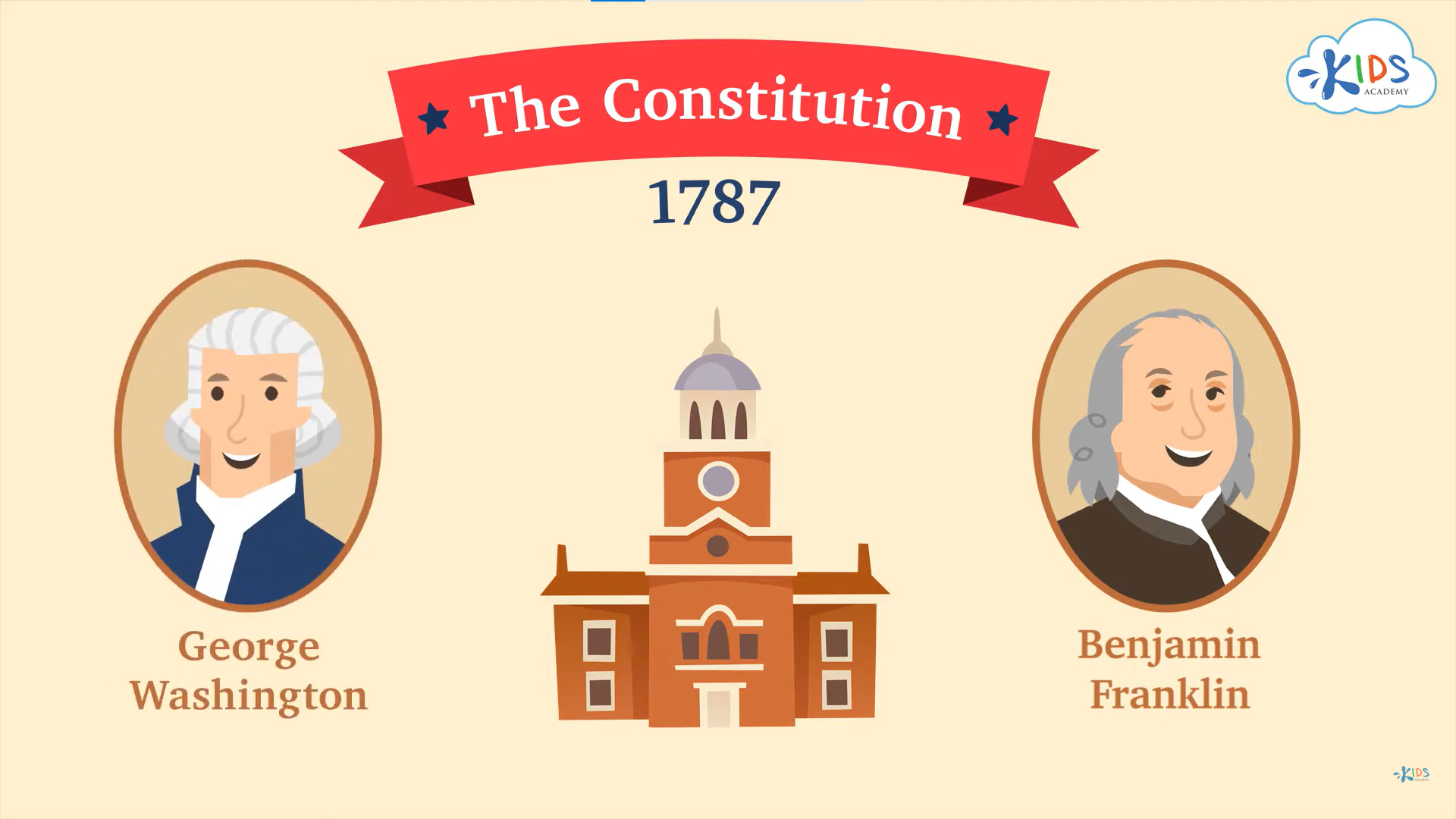
Understanding communities is crucial for children aged 7-8 as it lays the foundation for their social and emotional development. At this age, kids are beginning to expand their horizons beyond their immediate family to include peers, neighbors, and others in their community. Grasping the concept of community helps young children develop a sense of belonging and identity.
When parents and teachers help children understand the structure, roles, and norms of their community, they are not just imparting knowledge; they are also nurturing empathy, cooperation, and responsibility. For instance, teaching kids about diverse professions within their community can foster appreciation and respect for various roles. Understanding community rules and norms helps them learn the importance of cooperation and mutual respect, guiding their behavior in group settings.
Moreover, these insights prepare children for real-world social interactions, enhancing communication skills and promoting problem-solving abilities. It contributes to their overall cognitive development by contextualizing learning, making it more impactful, and engaging. Therefore, recognizing this development stage’s importance can ensure adults actively participate in guiding children to understand and appreciate the community, cultivating well-rounded and compassionate future citizens. By investing time in this aspect of their growth, parents and teachers can effectively lay the groundwork for a more inclusive and well-functioning society.








