Understanding directions Normal Worksheets for Ages 7-8
3 filtered results
-
From - To
Welcome to our "Understanding Directions Normal Worksheets" designed specifically for children ages 7-8! These engaging resources help young learners improve their ability to follow and understand various directions through fun activities. Each worksheet is tailored to reinforce essential skills such as listening, comprehension, and critical thinking. With a variety of interactive exercises, children will gain confidence as they practice following step-by-step instructions in an enjoyable way. Perfect for classroom use or at-home learning, our worksheets provide a valuable foundation for academic success. Explore our collection today and empower your child to master the art of understanding directions!
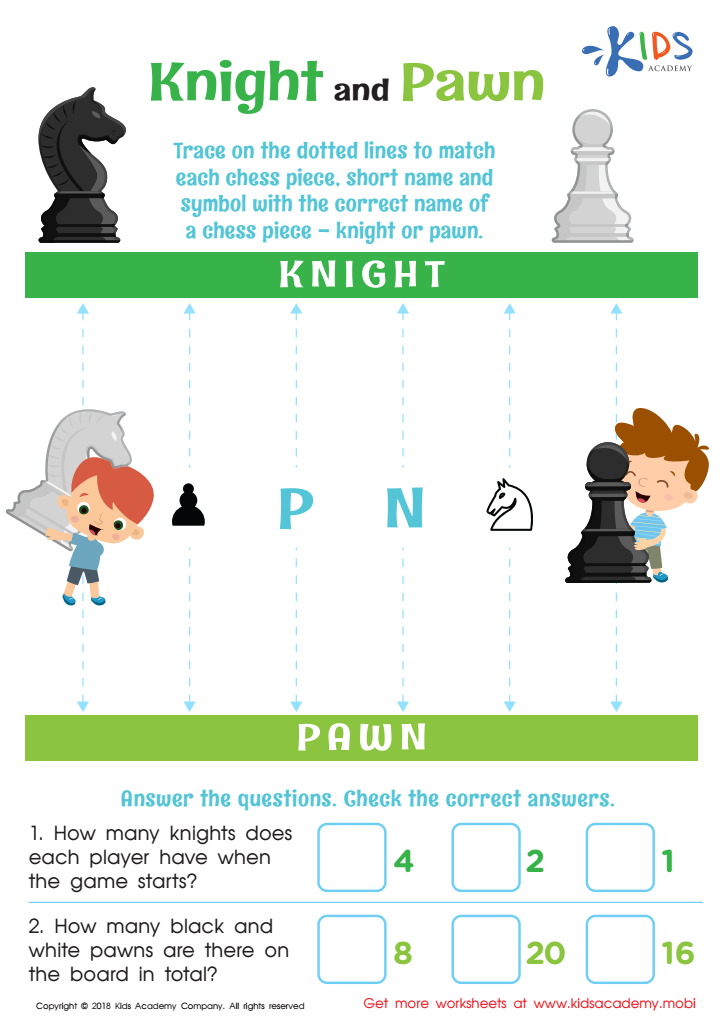
Knight and Pawn Worksheet
 Assign to My Students
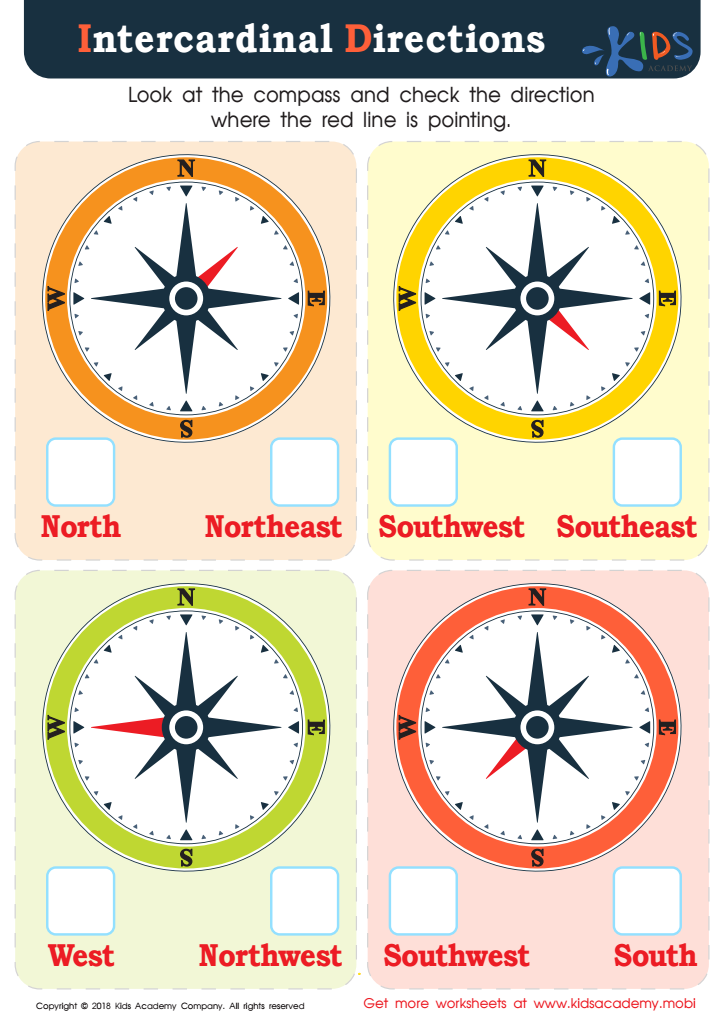
Intercardinal Directions Worksheet
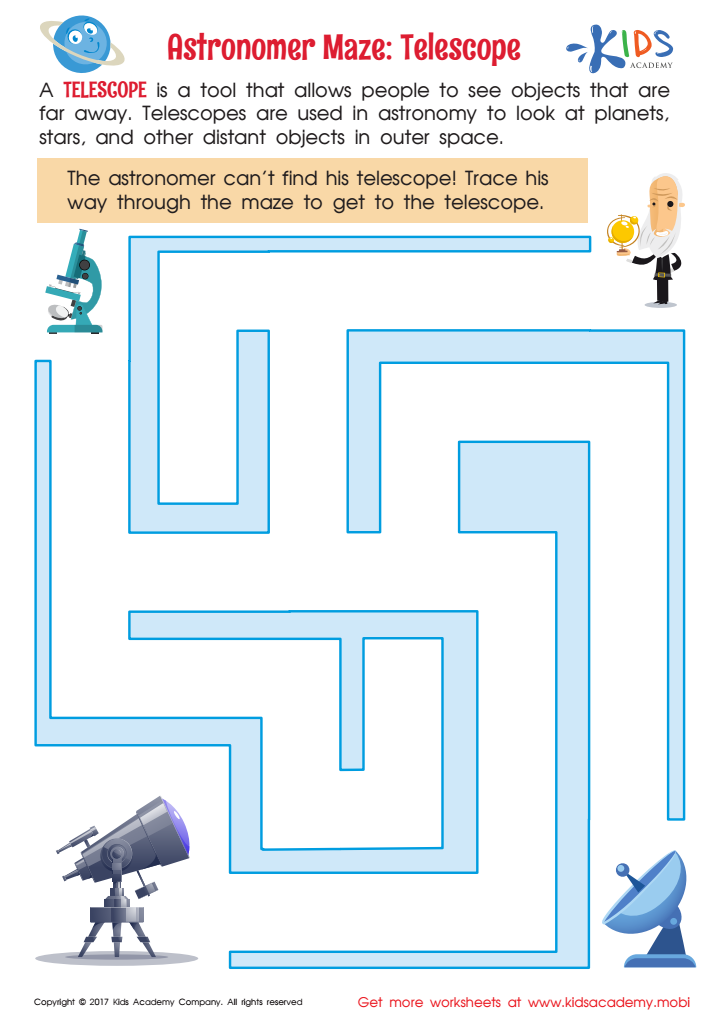
Astronomer Maze: Telescope Worksheet



.jpg)



Understanding directions is a critical skill for children ages 7-8, as it lays the foundation for their academic success and everyday functioning. At this age, kids are increasingly navigating complex tasks, whether in their classrooms or during extracurricular activities. Being able to follow multi-step directions aids in building organization and planning skills, which are essential for subjects like math, science, and reading comprehension.
For parents and teachers, fostering this skill can enhance children's confidence and independence. When children successfully follow directions, they feel a sense of achievement, which boosts self-esteem and encourages a more proactive approach to learning. Additionally, strong direction-following abilities lead to better cooperation and social interactions when working in groups.
Moreover, teaching children to understand and interpret directions cultivates critical thinking and problem-solving skills. This is particularly important in a world that increasingly demands these abilities. A child who can dissect a complicated set of instructions is better equipped to face challenges, both in academia and in everyday situations, thus ensuring a smoother transition into the later stages of education and life. Therefore, prioritizing the understanding of directions is crucial for holistic child development, making it a significant focus for both parents and educators.








