Understanding vowel sounds Normal Worksheets for Ages 7-8
3 filtered results
-
From - To
"Understanding Vowel Sounds" Normal Worksheets for Ages 7-8 are designed to enhance your child’s reading and pronunciation skills through engaging activities. These worksheets introduce young learners to short and long vowel sounds, helping them recognize and differentiate between them in various words. Perfect for building a strong phonics foundation, these exercises include fun, interactive tasks such as word matching, sorting, and fill-in-the-blank quizzes. Each worksheet is thoughtfully crafted to make learning enjoyable and effective, ensuring your 7-8-year-old gains confidence and proficiency in reading and spelling. Empower your child’s learning journey with our targeted vowel sound activities.
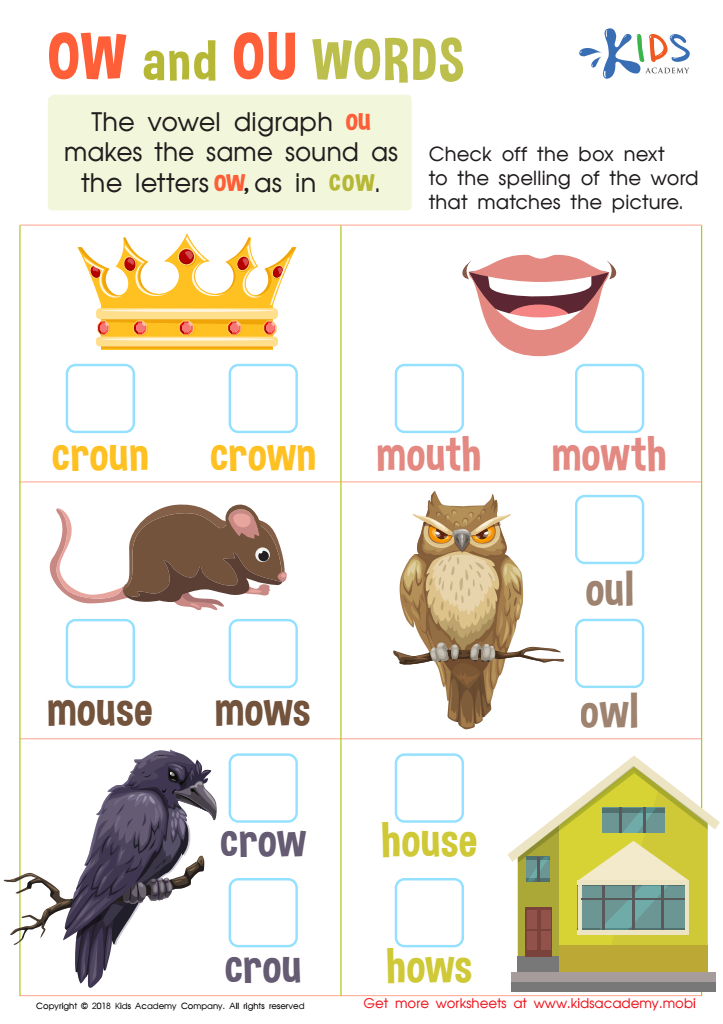
Reading: OW and OU Words Worksheet
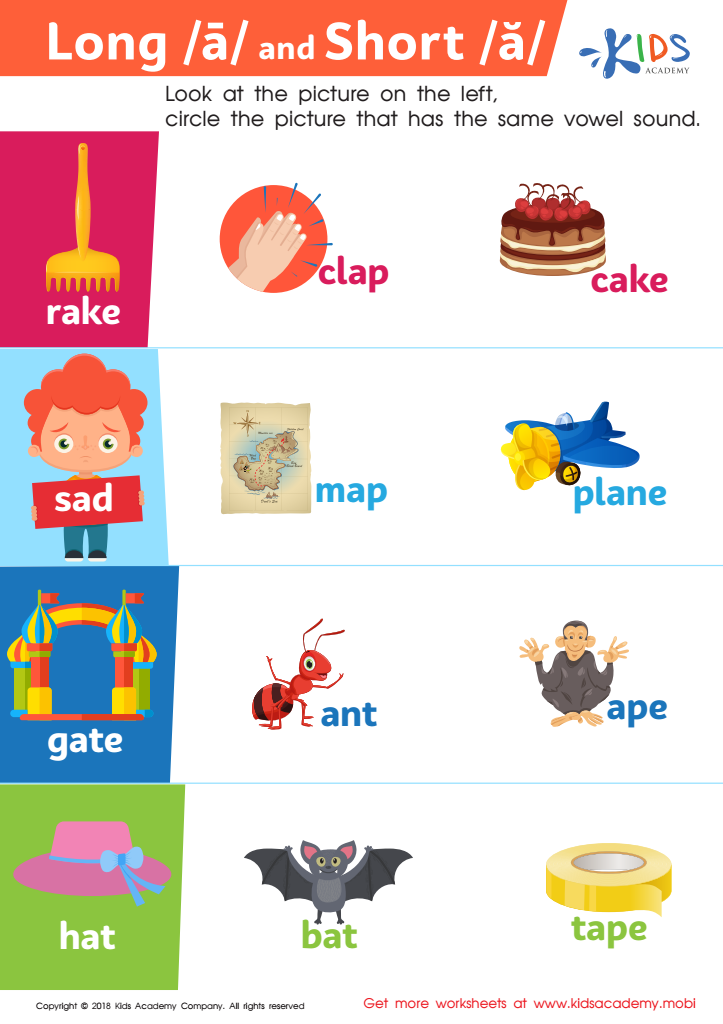
Reading: Long a and Short a Worksheet
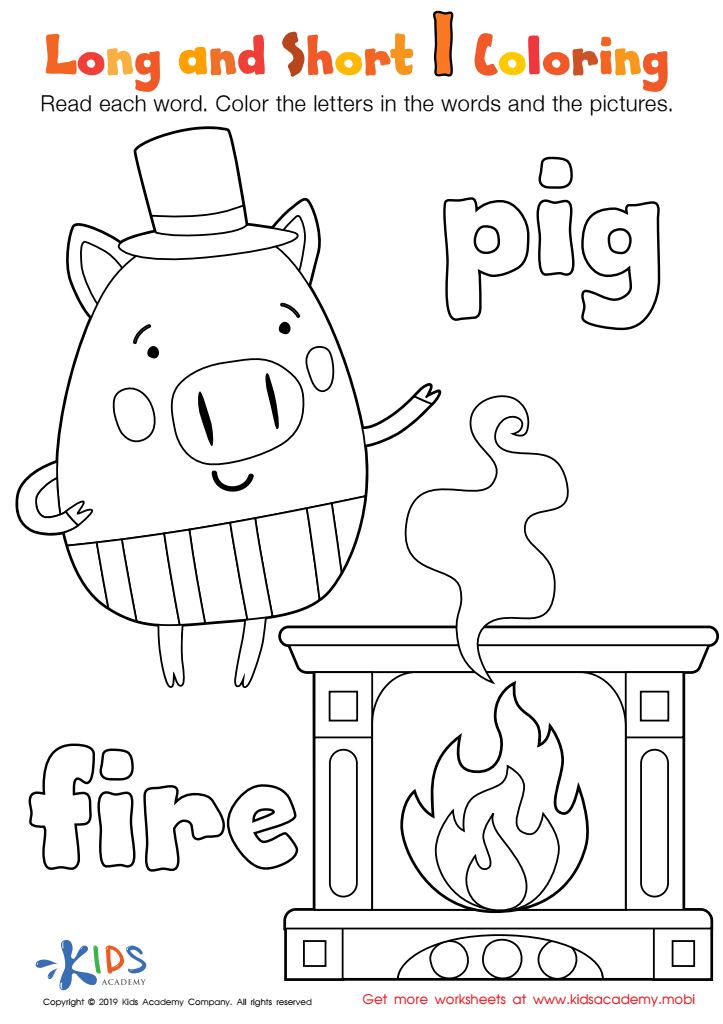
Long and Short I Worksheet
 Assign to My Students







Understanding vowel sounds is a foundational element of early literacy, critically impacting reading and spelling skills for children aged 7-8. At this age, kids transition from 'learning to read' to 'reading to learn.' Vowel sounds are complex because they can be long (like in "cake") or short (like in "cat"), and they can vary significantly based on word context.
Mastering vowel sounds enhances phonemic awareness—the ability to hear and manipulate sounds in words—an essential skill for decoding and fluent reading. Without a strong grasp of vowel sounds, children may struggle with word recognition and comprehension, potentially leading to frustration and disinterest in reading.
In spelling, knowing vowel sounds helps children understand word patterns and improve their writing. For example, recognizing that the same spelling "ea" in "bread" and "break" represents different sounds can demystify spelling complexities.
Engaging with vowel sounds also aids in smoother verbal communication and boosts overall academic confidence. Therefore, parents and teachers should provide structured, repetitive, and engaging vowel sound activities. Tools like phonics games, reading aloud sessions, and interactive software can make learning these critical sounds enjoyable and effective. Prioritizing this builds a strong literacy foundation, which is crucial for academic success and lifelong learning.








