Visual learning stimulation Normal Worksheets for Ages 7-8
3 filtered results
-
From - To
Discover our "Visual Learning Stimulation Worksheets" designed specifically for children ages 7-8! These engaging and interactive worksheets are crafted to enhance visual learning skills through fun exercises that captivate young minds. Each worksheet focuses on crucial developmental areas, including pattern recognition, sequencing, and spatial awareness, making learning both effective and enjoyable. Ideal for educators and parents alike, our resources support various learning styles, helping children grasp complex concepts through visual prompts. Foster your child's critical thinking and observation skills with our carefully designed worksheets. Explore our collection today and give your child the tools they need for academic success!
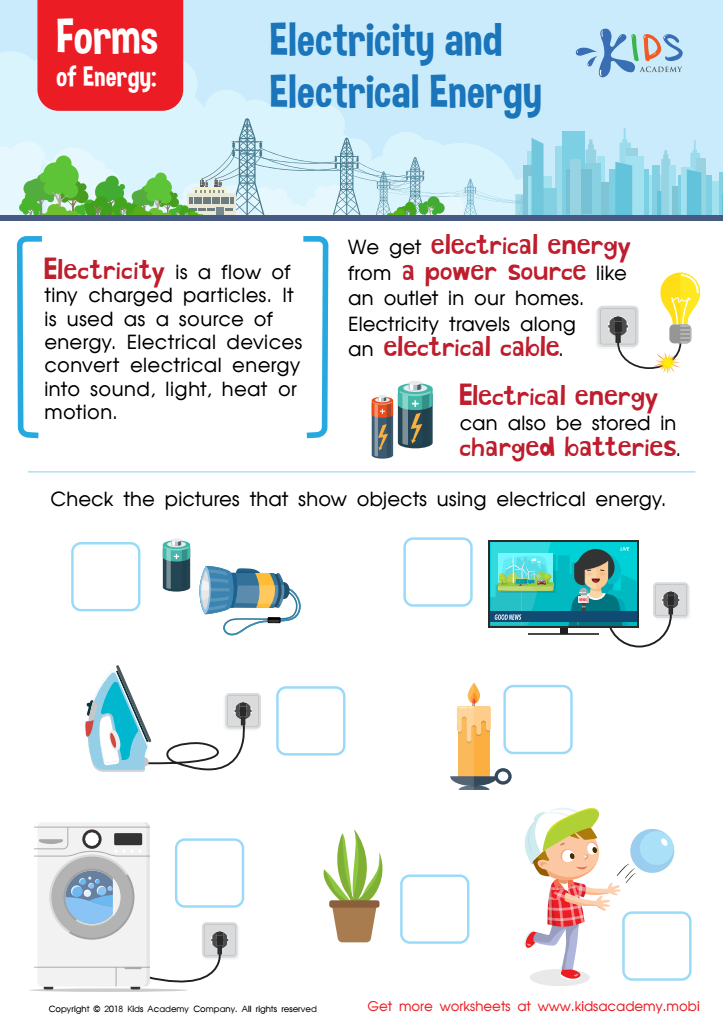
Forms of Energy Worksheet
 Assign to My Students
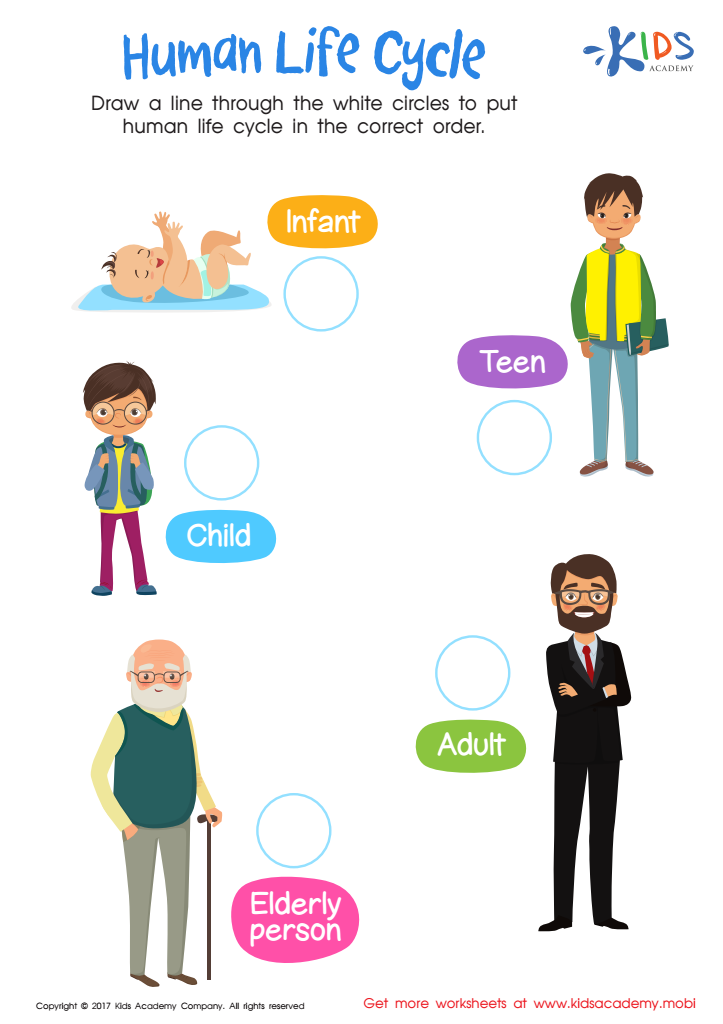
Human Life Cycle Worksheet
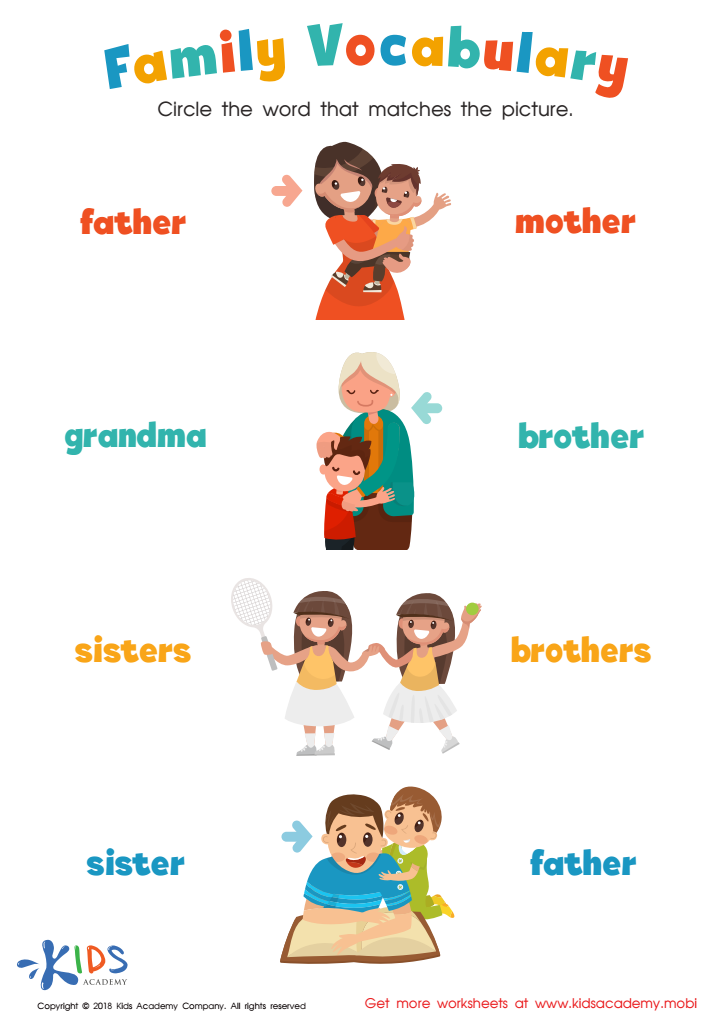
Family Vocabulary Worksheet




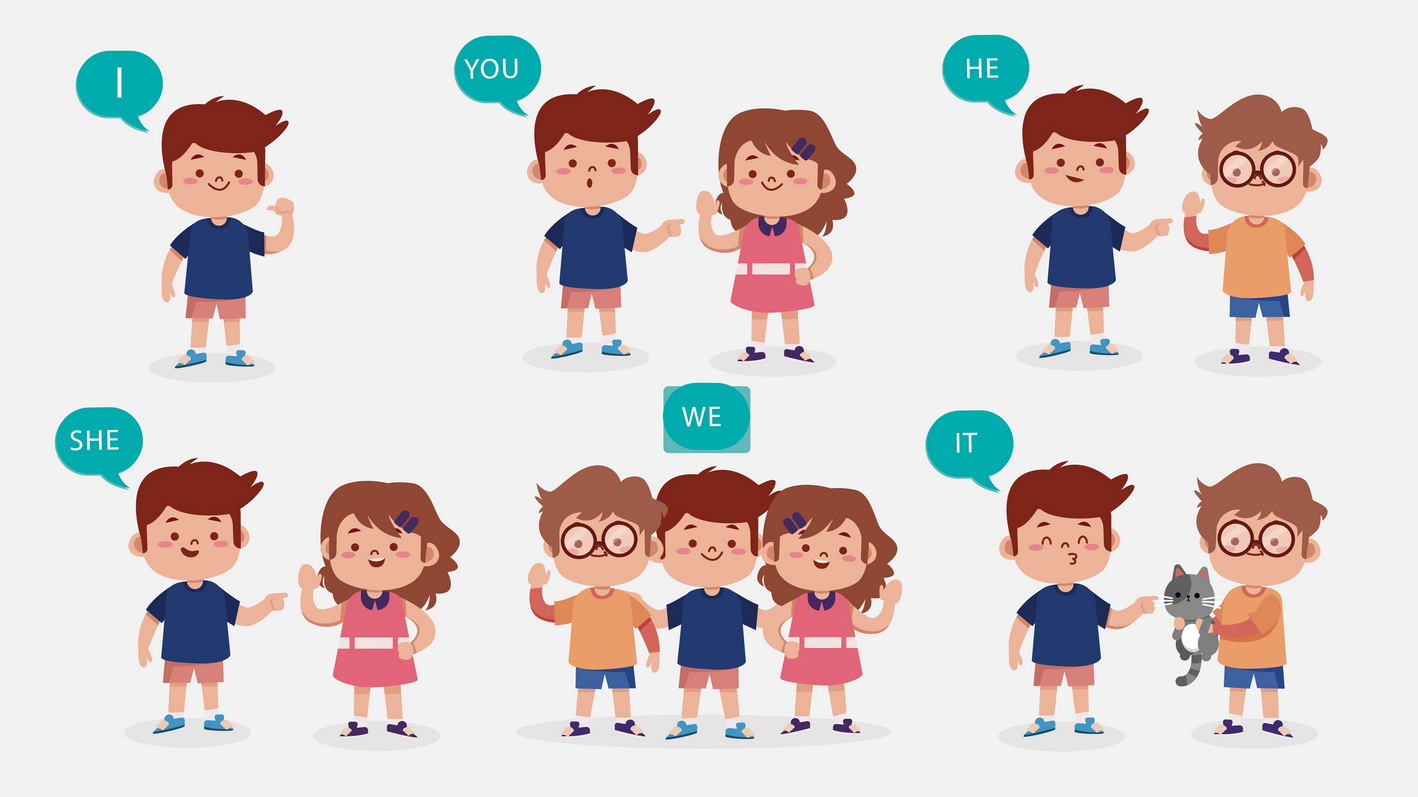


Visual learning stimulation is essential for children ages 7-8 as it enhances their cognitive development and encourages effective learning. At this age, children are often transitioning from concrete to more abstract thinking, making visual aids crucial. Utilizing visual materials, such as charts, diagrams, and videos, helps solidify concepts by appealing to different learning styles, ensuring that information is retained better.
Parents and teachers should care about visual learning stimulation because it can significantly improve engagement and comprehension. When children can see concepts represented visually, it makes learning more accessible and enjoyable. This approach accommodates various learners, including those who may struggle with traditional text-based learning.
Moreover, fostering visual literacy at this age prepares children for a world increasingly filled with visual information. It also nurtures critical thinking and problem-solving skills, as children learn to interpret and draw conclusions from visual data. Ultimately, creating a stimulating visual learning environment supports academic success and fosters a lifelong love for learning, benefiting both individual children and the wider educational community. Encouraging visual stimulation plays a vital role in developing well-rounded, informed, and capable learners.








