Number comparison Normal Comparing Numbers Worksheets for Ages 7-8
3 filtered results
-
From - To
Enhance your child’s math skills with our Number Comparison Normal Comparing Numbers Worksheets, specially designed for ages 7-8. These engaging worksheets provide a fun and interactive way for young learners to practice comparing numbers with various activities. Children will develop critical thinking as they identify which numbers are greater, lesser, or equal. Our worksheets cater to different learning paces, making it easier for kids to master their number comparison skills effectively. Download and print our worksheets today to support your child’s mathematical growth in an enjoyable manner. Empower your little mathematicians with foundational skills necessary for their learning journey!
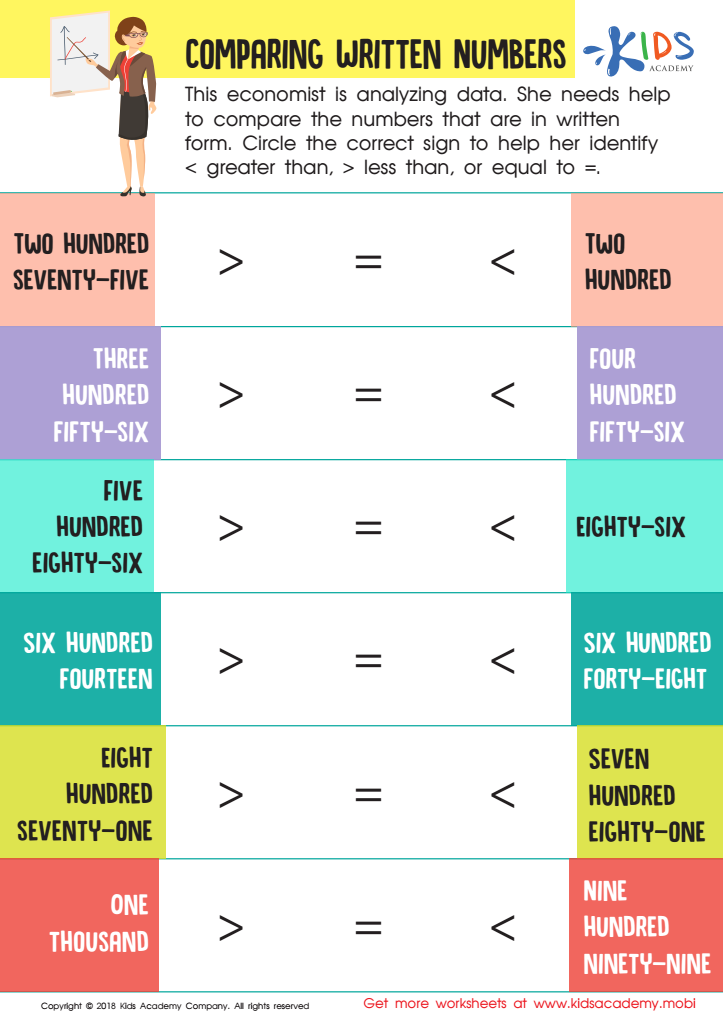
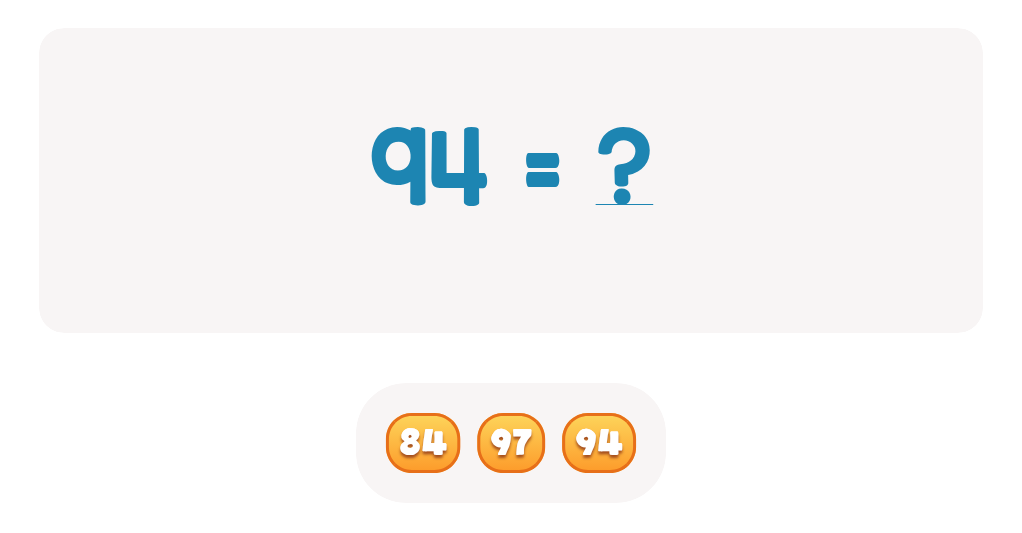
Comparing Written Numbers Worksheet
 Assign to My Students
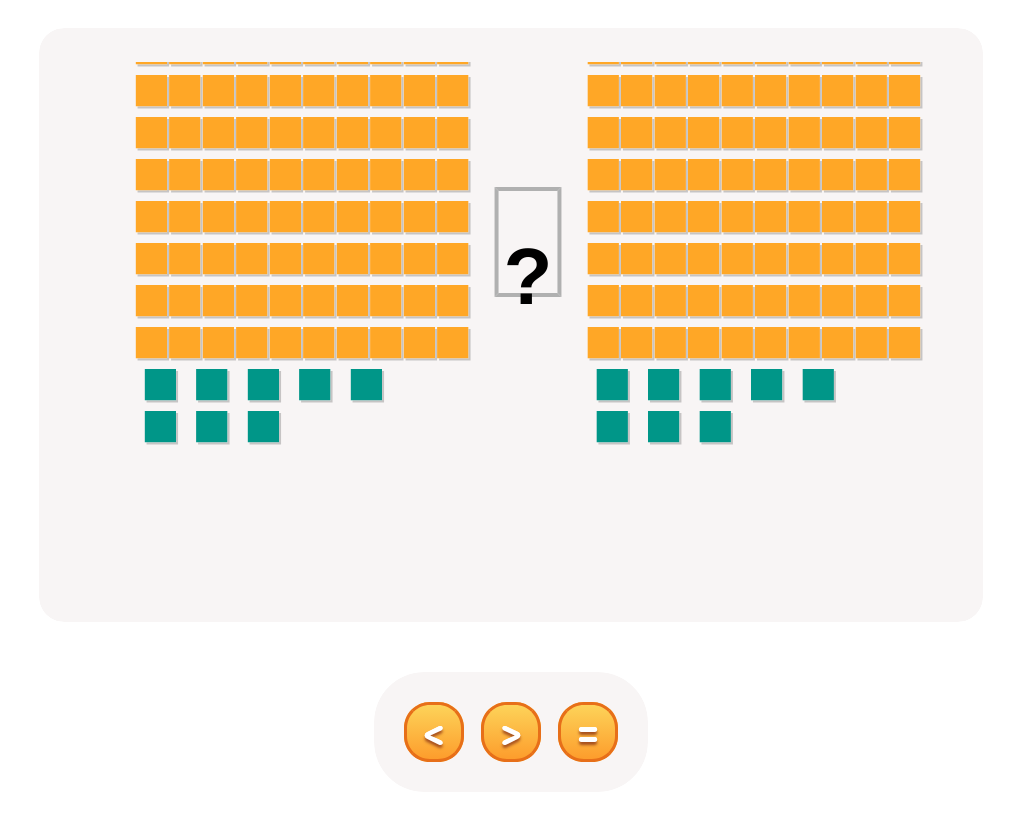

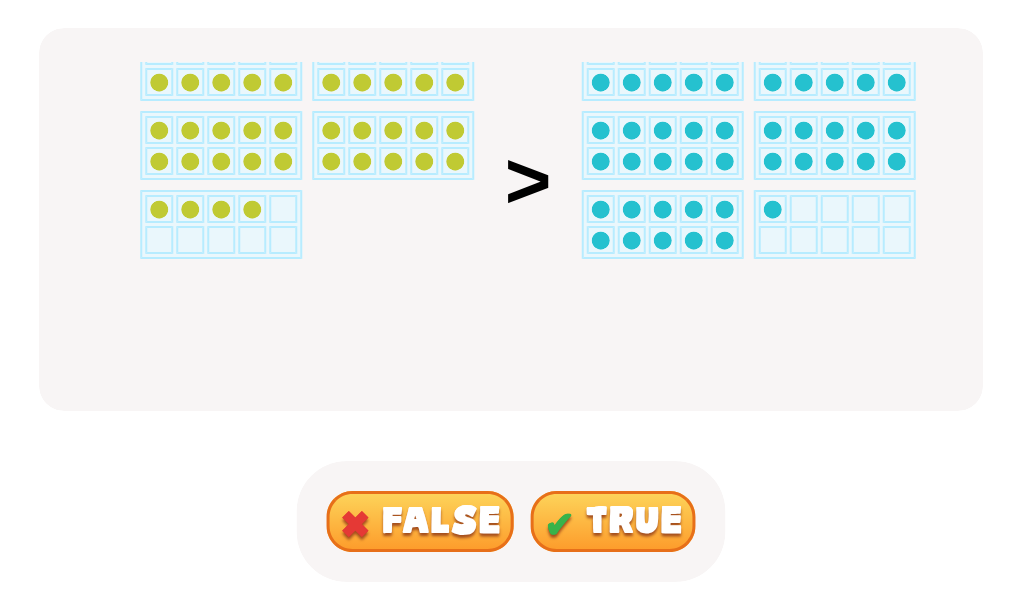
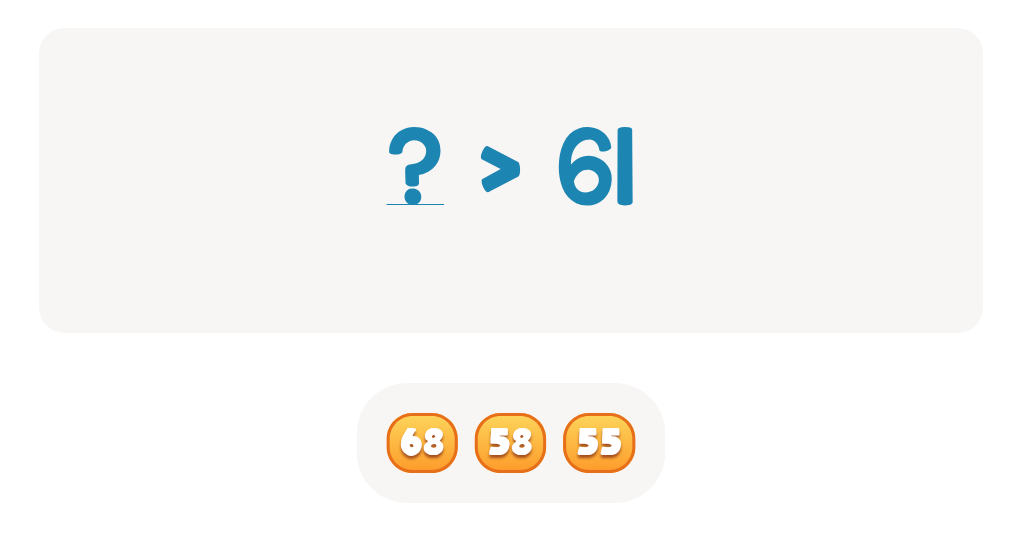
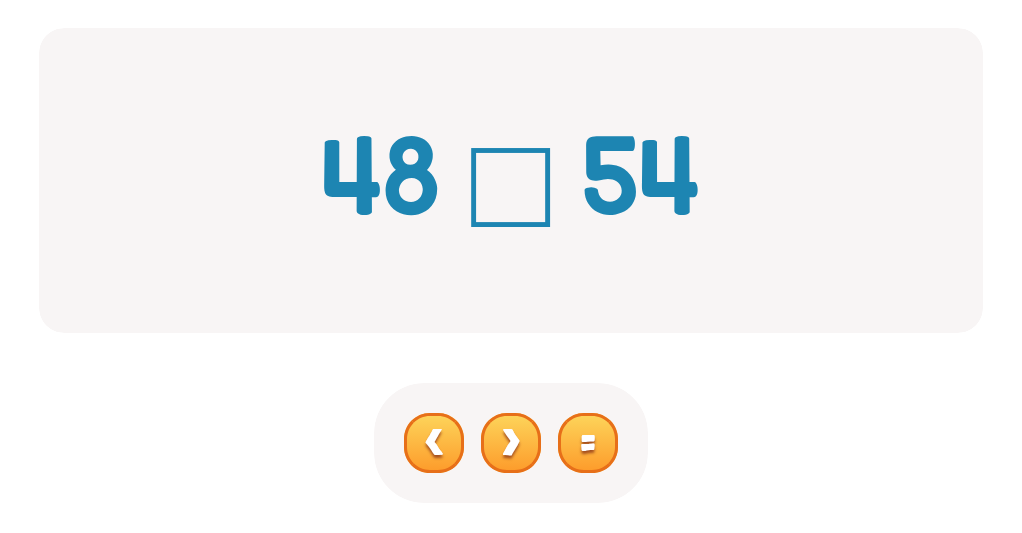
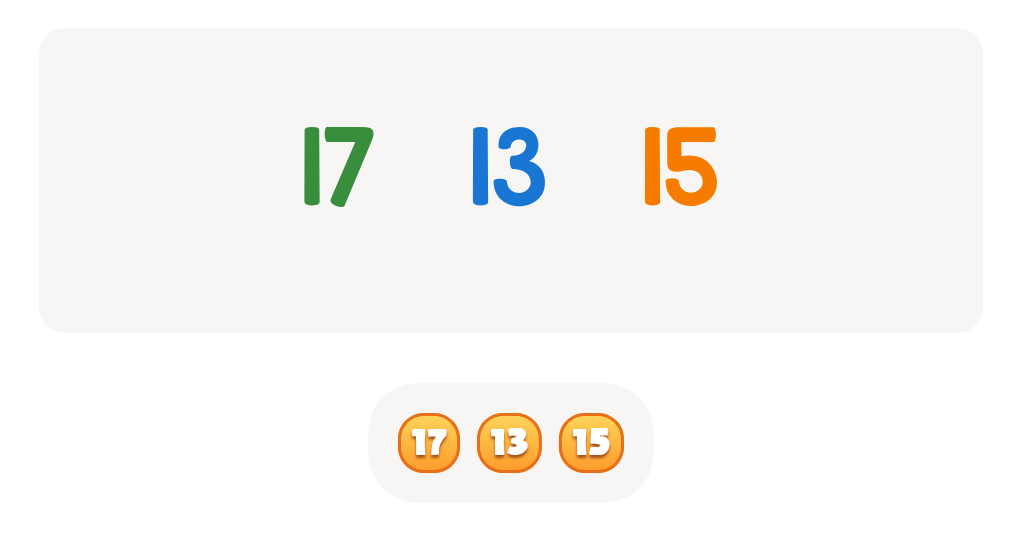
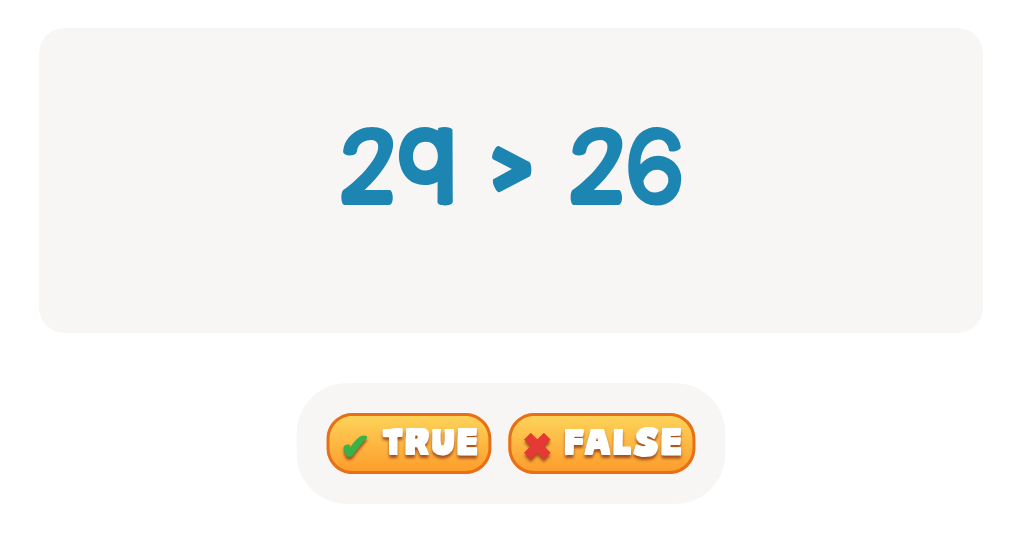
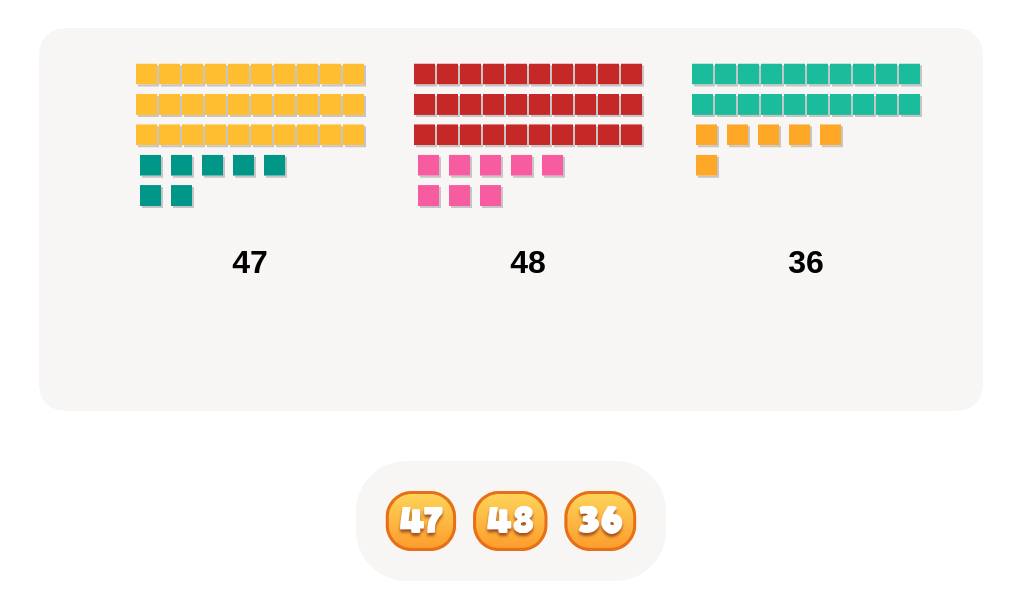
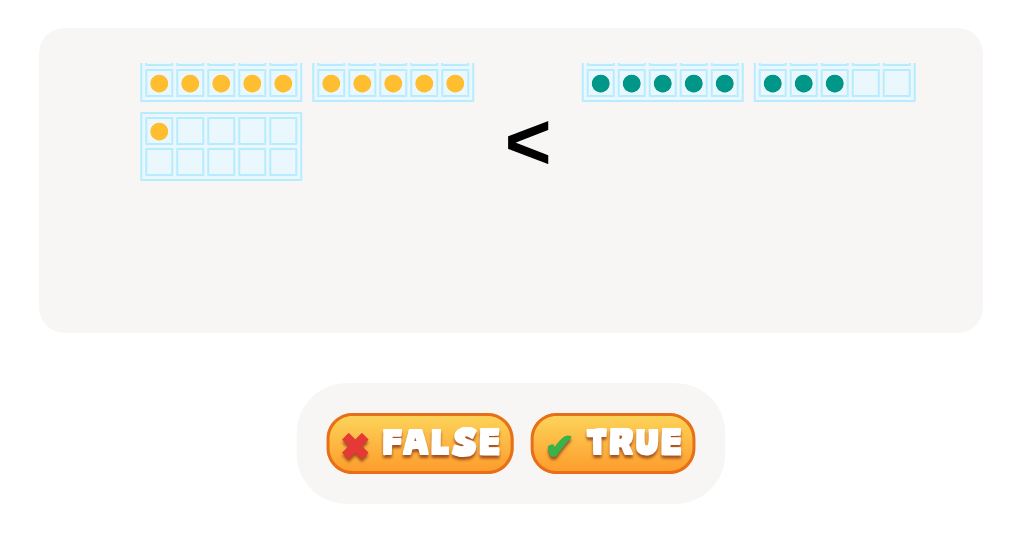
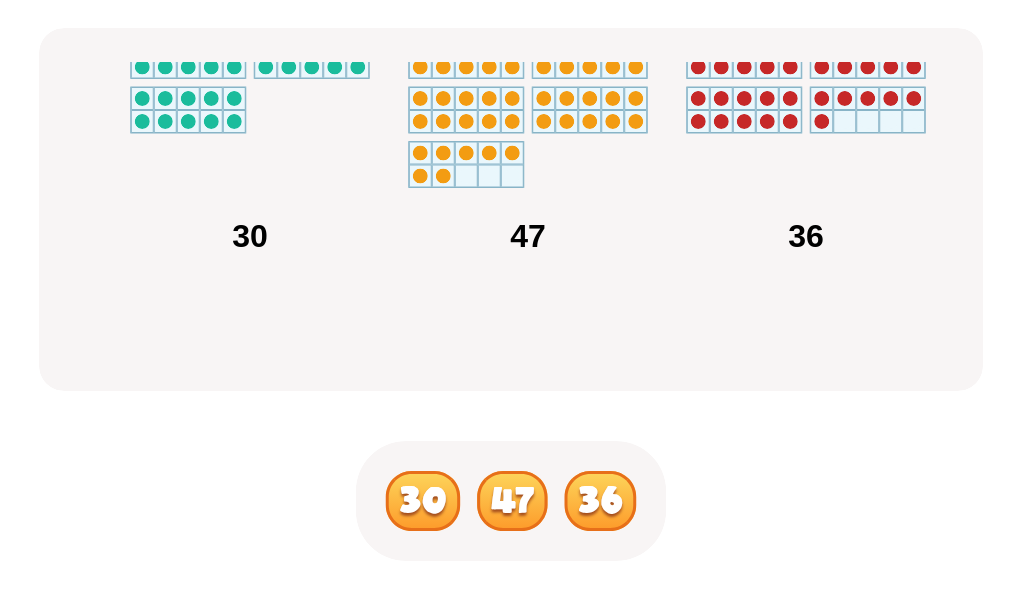
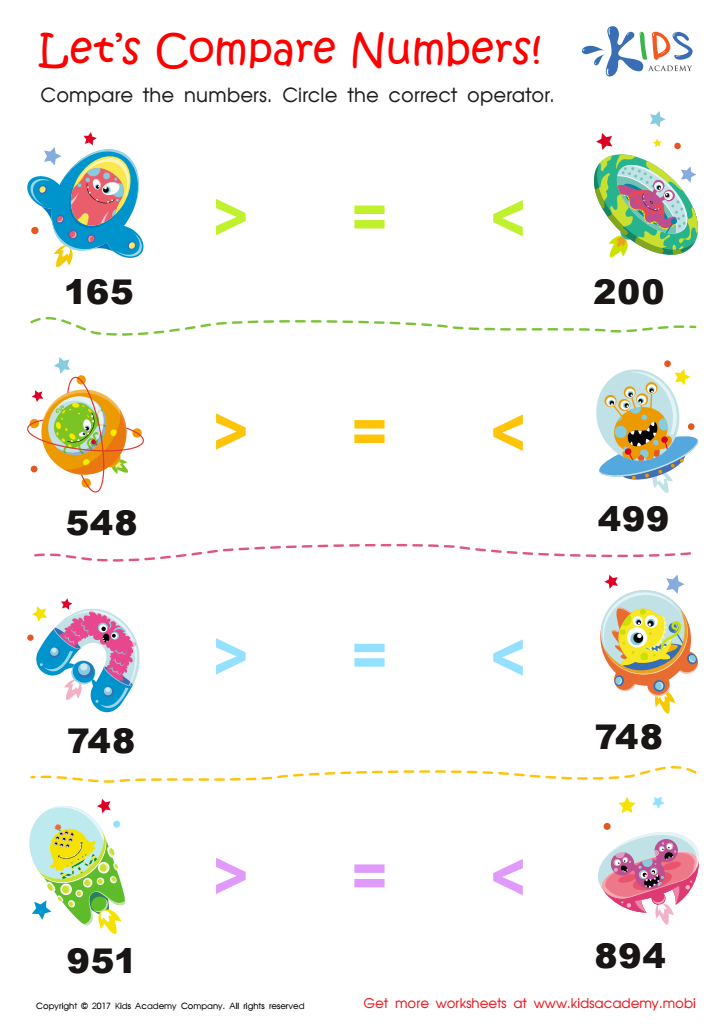
Comparing Numbers Worksheet for 2nd Grade
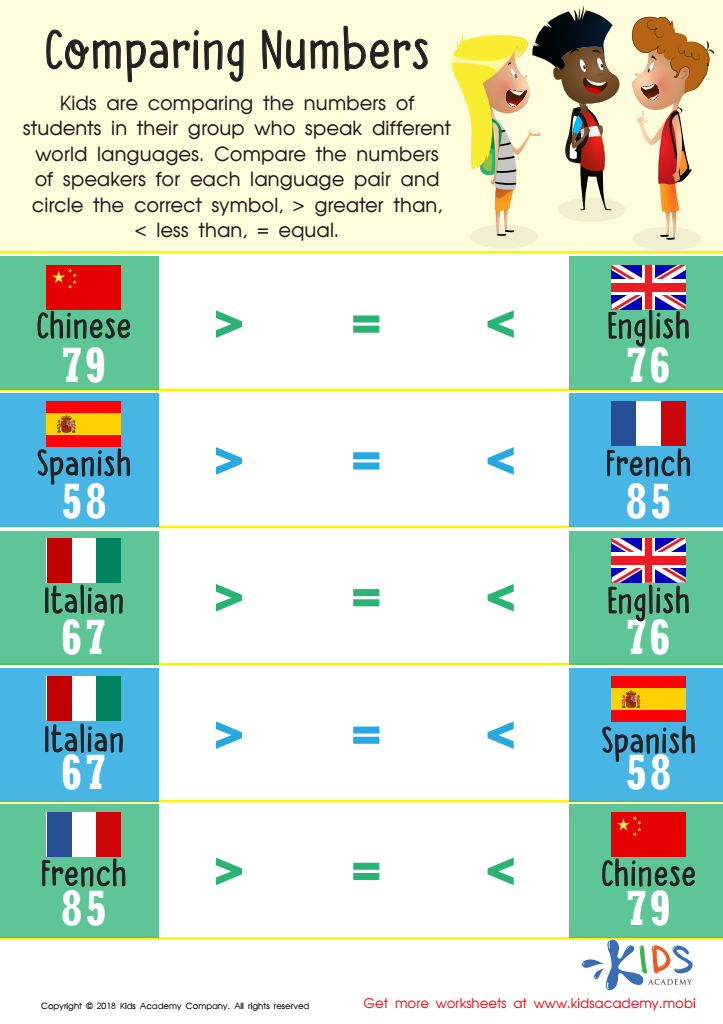
Comparing Numbers Worksheet for 1st Grade








Parents and teachers should prioritize the concept of number comparison for children ages 7-8 because it builds foundational math skills essential for later understanding of more complex concepts. At this age, children transition into deeper mathematical reasoning, learning to compare numbers through various strategies, such as using visual aids, number lines, and manipulatives.
Understanding number comparison fosters critical thinking and problem-solving skills. When children can accurately assess which numbers are greater or smaller, they gain confidence in their math abilities and are better equipped to solve equations, estimate quantities, and make informed decisions in everyday contexts, such as budgeting or time management.
Moreover, number comparison is often linked to understanding place value and mathematical operations like addition and subtraction. It serves as a precursor to developing an understanding of fractions and decimals, which are introduced in subsequent grades. By engaging in number comparison activities, children also enhance their numerical literacy, which is crucial for academic success in standardized assessments.
Overall, emphasizing number comparison not only supports immediate academic goals but also promotes a positive attitude toward math, laying the groundwork for lifelong learning and collaboration in school and beyond. Investing in these foundational skills ultimately contributes to a child's overall cognitive and emotional development.