Counting practice Normal Building Vocabulary Worksheets for Ages 7-8
3 filtered results
-
From - To
Our "Counting Practice Normal Building Vocabulary Worksheets for Ages 7-8" are designed to enhance your child's reading and math skills simultaneously. Each worksheet integrates engaging activities that blend vocabulary-building exercises with counting practice, fostering a comprehensive learning experience. Ideal for second graders, these printables help solidify foundational skills like numeral recognition, word association, and basic arithmetic. The colorful and interactive format keeps young learners motivated and excited about learning. Perfect for classroom use or at-home practice, these worksheets support continuous development in a fun and educational way. Start boosting your child's confidence in both math and reading today!
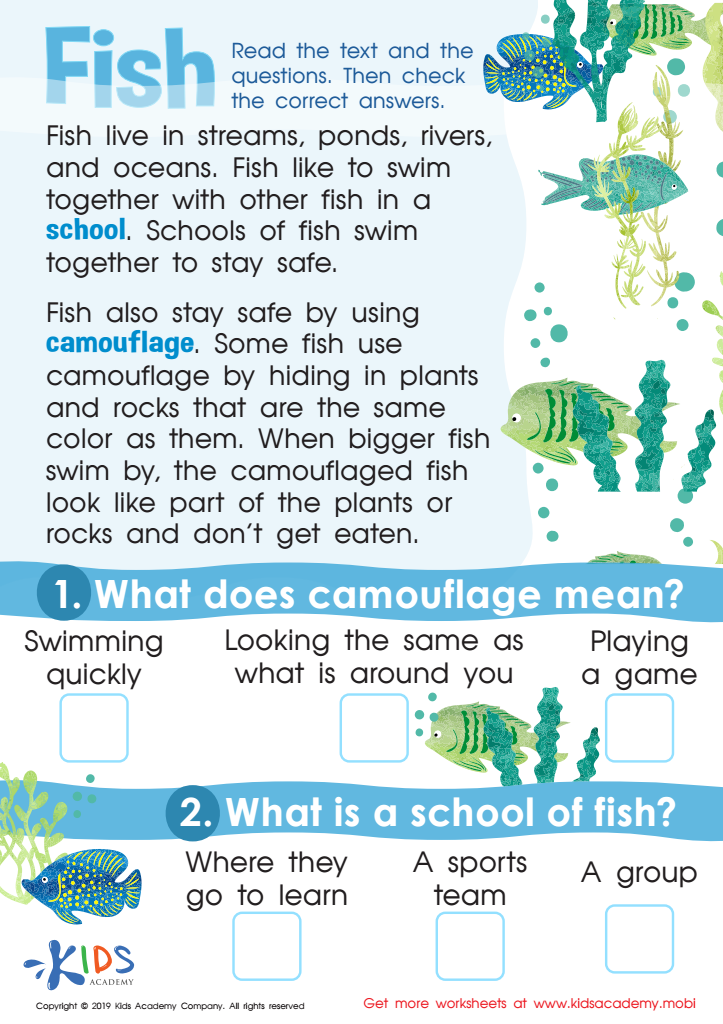
Fish Worksheet
 Assign to My Students











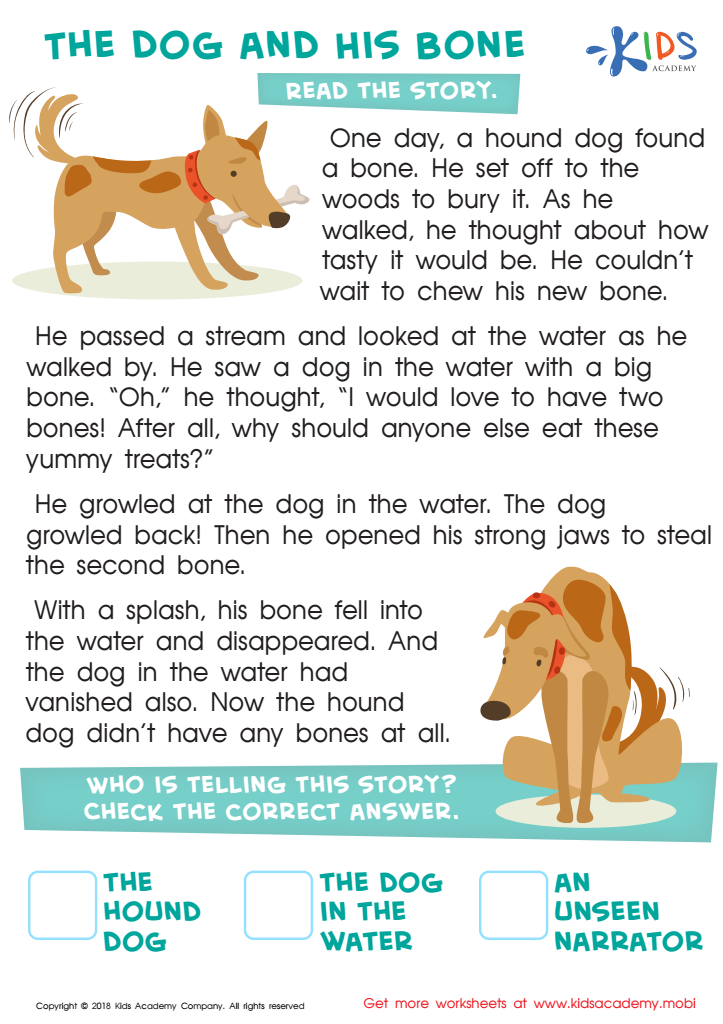
The Dog and His Bone Worksheet
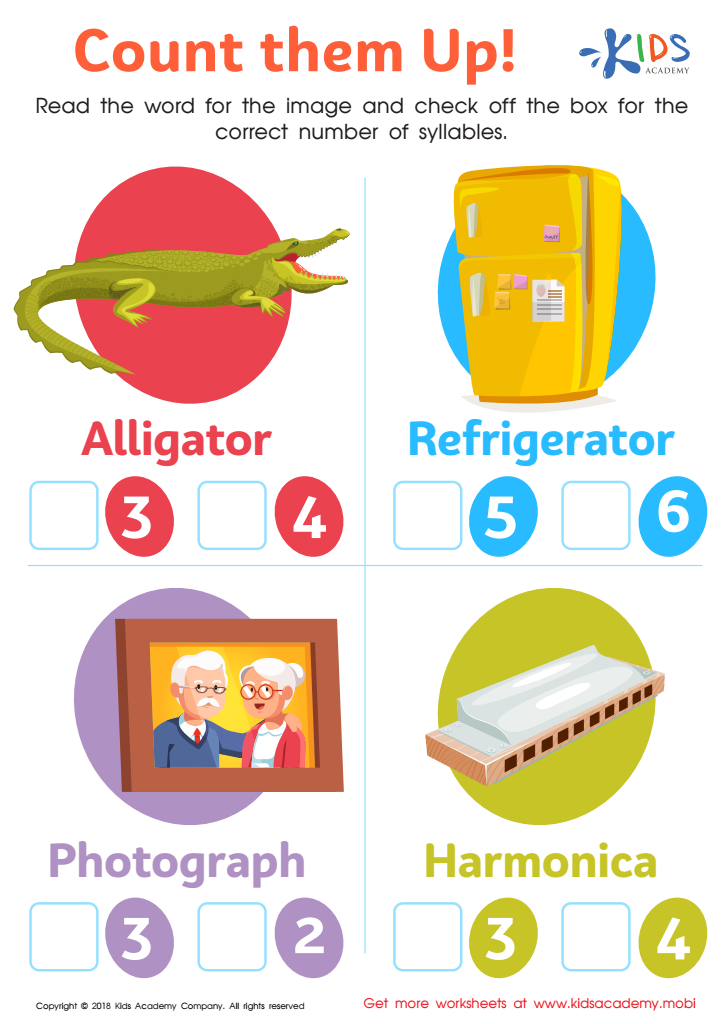
Count Them Up Worksheet








Counting practice and vocabulary building are crucial for children aged 7-8 as they form the foundation for future learning and cognitive development. At this age, children transition from simple counting to more complex mathematical concepts. Consistent counting practice not only improves their numeracy skills but also enhances their problem-solving abilities and logical thinking. These skills are essential for their academic success in subjects like math and science.
Moreover, having a rich vocabulary significantly impacts literacy development. Children with a broad vocabulary can easily comprehend texts, follow instructions, and articulate their thoughts more clearly. This enhances their reading and writing abilities, which are critical for overall academic achievement. When parents and teachers focus on expanding a child's vocabulary, they are also fostering improved cognitive abilities, as children learn to categorize and retrieve information more efficiently.
Counting practice combined with vocabulary expansion supports both numerical literacy and language skills, which are interrelated core competencies. A robust foundation in these areas helps children become confident learners, improves their communication skills, and lays the groundwork for more advanced educational concepts. Therefore, it's essential for parents and teachers to prioritize activities that support these key aspects of early childhood education.








