Analytical thinking Normal Reading Comprehension Worksheets for Ages 7-8
6 filtered results
-
From - To
Enhance your child's reading skills with our Analytical Thinking Normal Reading Comprehension Worksheets designed for ages 7-8. These engaging worksheets specialize in developing critical analytical thinking abilities alongside reading comprehension, helping young learners make sense of texts in a meaningful way. With a variety of interactive exercises, kids will practice identifying main ideas, making connections, and drawing conclusions, all while enjoying delightful stories and informative passages. Perfect for the classroom or at-home learning, our thoughtfully crafted resources support kids in becoming confident readers who can explore information and think critically about what they read. Unlock their potential today!
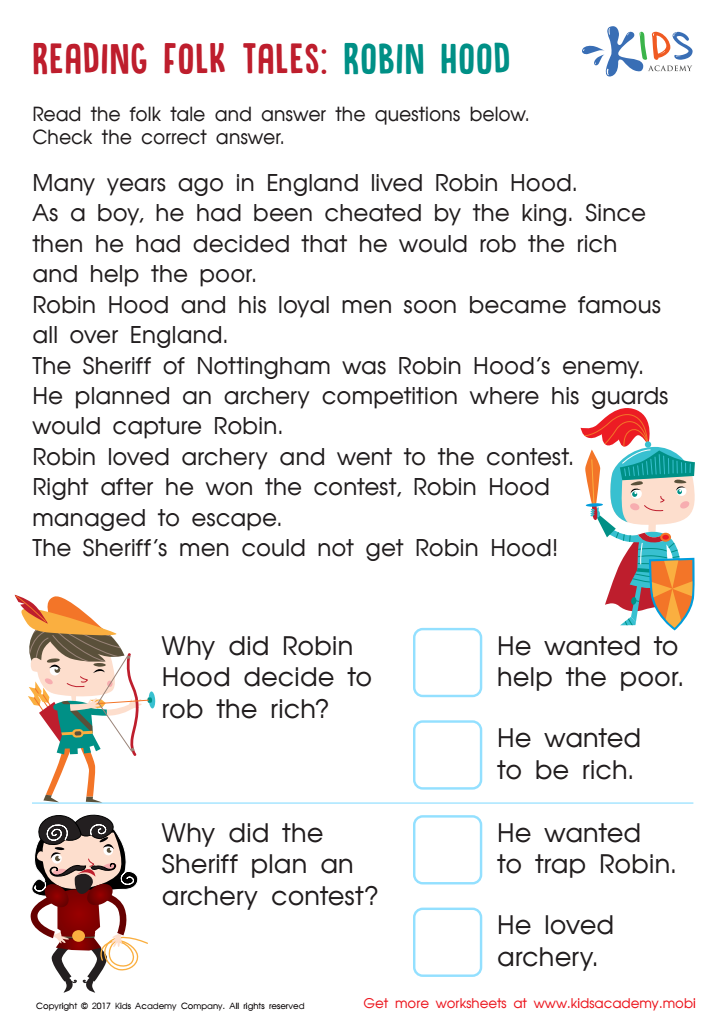
Robin Hood Folktale Worksheet
 Assign to My Students
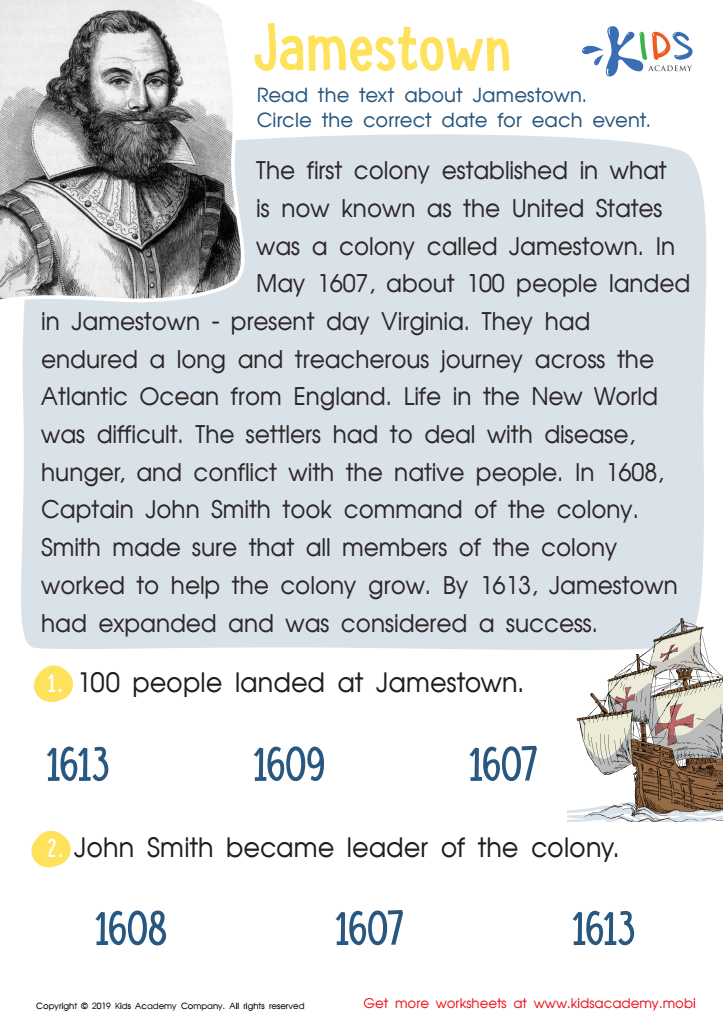
Jamestown Worksheet
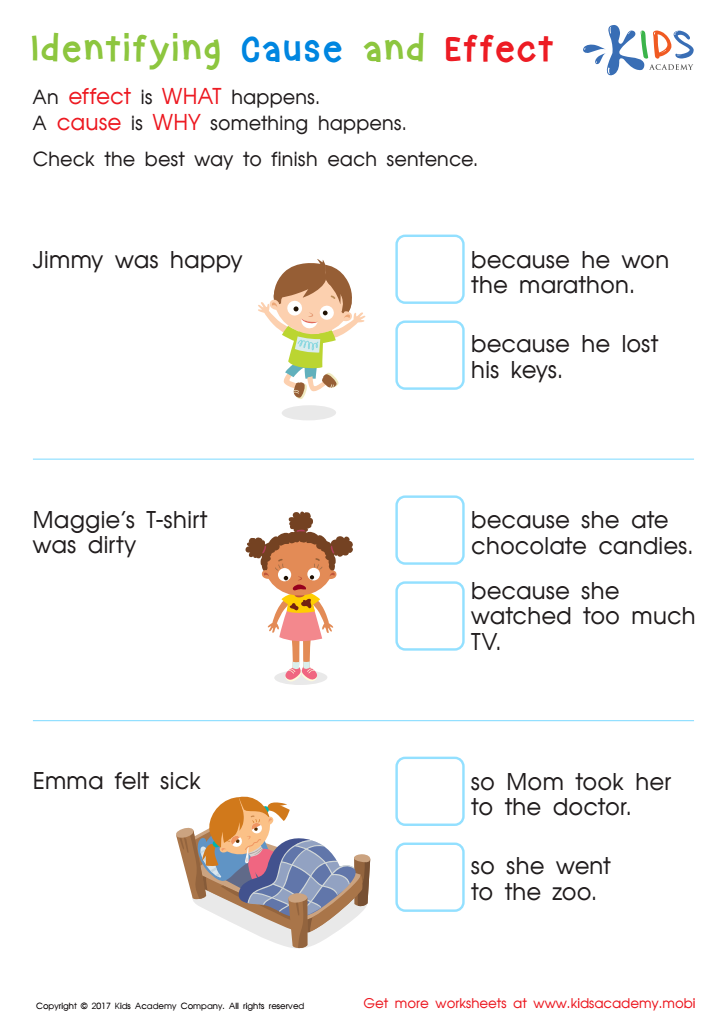
Indentifying Cause and Effect Worksheet
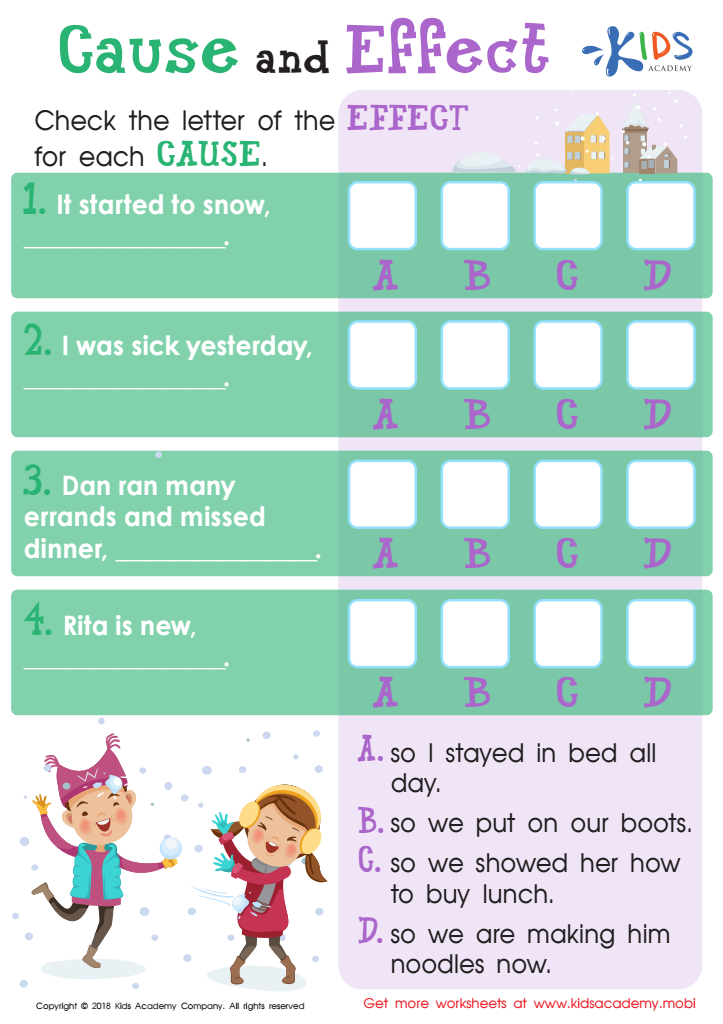
Cause and Effect Worksheet
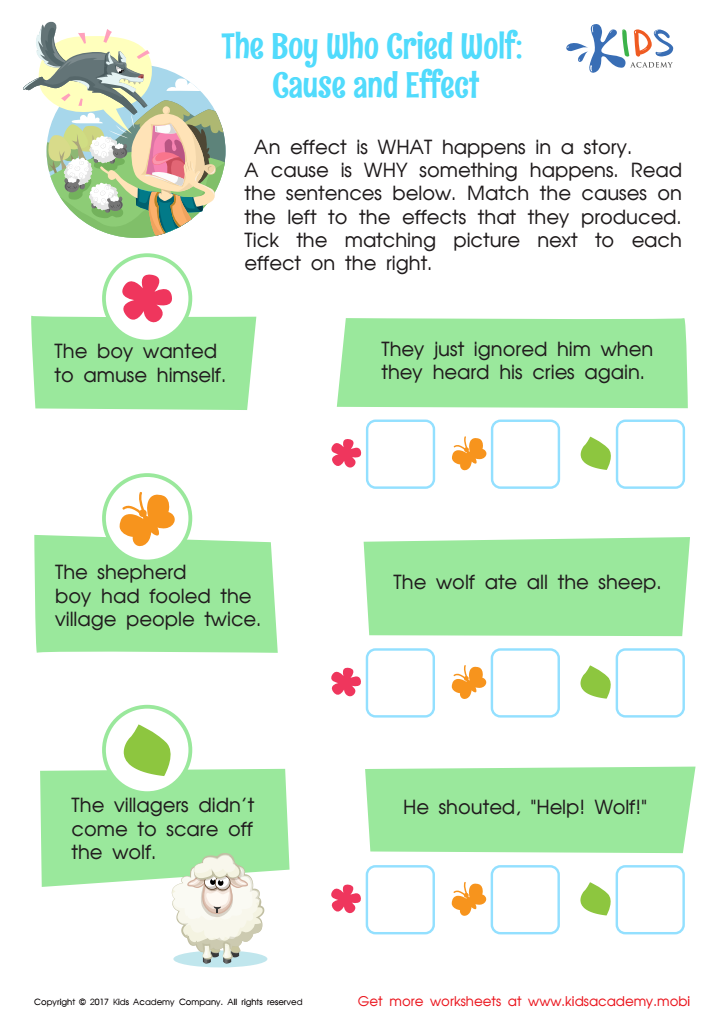
The Boy Who Cried Wolf: Cause and Effect Worksheet
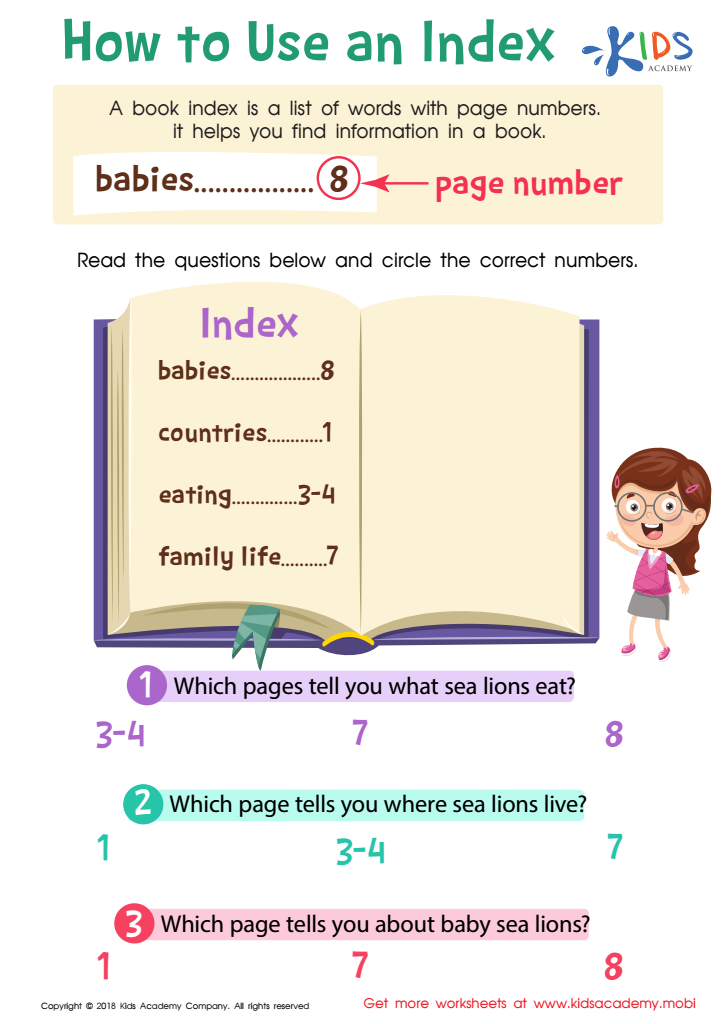
How Use Index Worksheet








Parents and teachers should prioritize analytical thinking and reading comprehension for children ages 7-8 because these skills are foundational for lifelong learning and success. At this developmental stage, children are beginning to connect ideas and interpret information more deeply. Analytical thinking helps them break down complex problems, evaluate different viewpoints, and make informed decisions. This cognitive ability not only contributes to academic success but also equips them with critical life skills.
Normal reading comprehension is equally critical, as it enables children to understand, engage with, and enjoy texts. Strong reading comprehension skills boost vocabulary, foster imagination, and enhance overall communication abilities. When children can comprehend what they read, they are more likely to develop a love for learning, which encourages further exploration and curiosity.
Moreover, fostering these skills early helps prepare children for more advanced subjects in school, from math to science. By investing in analytical thinking and reading comprehension now, parents and teachers can help instill resilience, empathy, and creativity in children — essential skills not only for academics but for navigating future social and professional challenges. Ultimately, nurturing these skills now sets the stage for a well-rounded, successful individual in the future.








