Comprehension skills Normal Science Worksheets for Ages 7-8
6 filtered results
-
From - To
Enhance your child's learning experience with our Comprehension Skills Normal Science Worksheets designed specifically for ages 7-8. These engaging worksheets nurture critical thinking and improve reading comprehension through fun, interactive activities aligned with essential science concepts. Your young learner will explore various topics such as plants, animals, and ecosystems, while developing essential skills to analyze texts, make predictions, and draw conclusions. Ideal for homework or supplemental practice, our worksheets provide instant feedback and rich illustrations to spark curiosity. Foster a deeper understanding of science while building comprehension skills that will benefit your child's educational journey. Start exploring today!
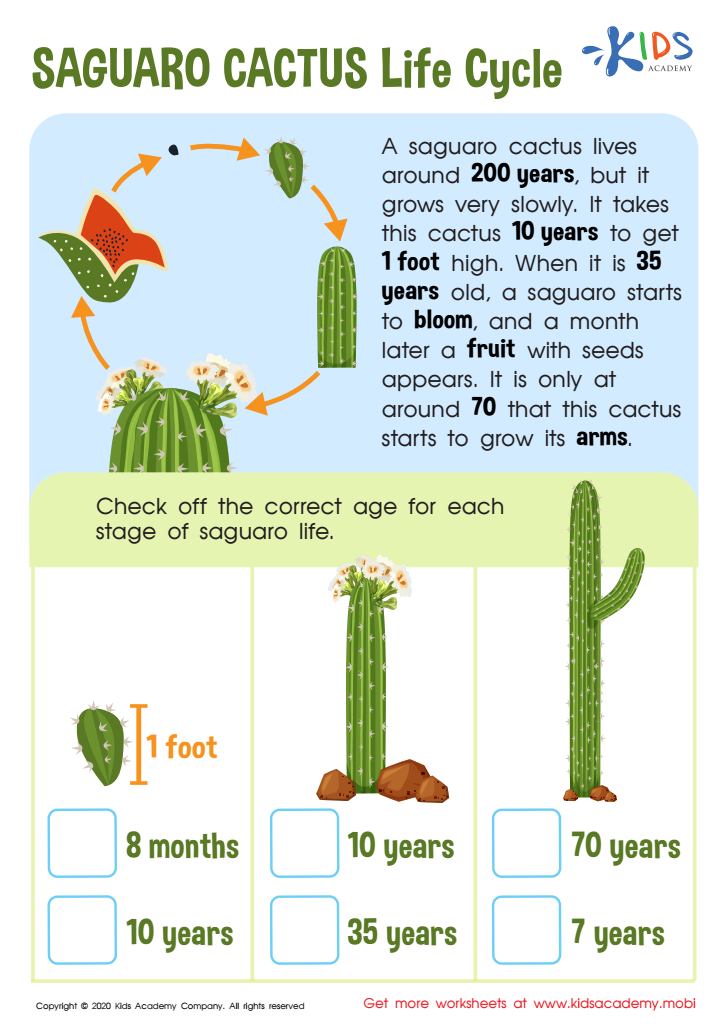
Saguaro Cactus Life Cycle Worksheet
 Assign to My Students
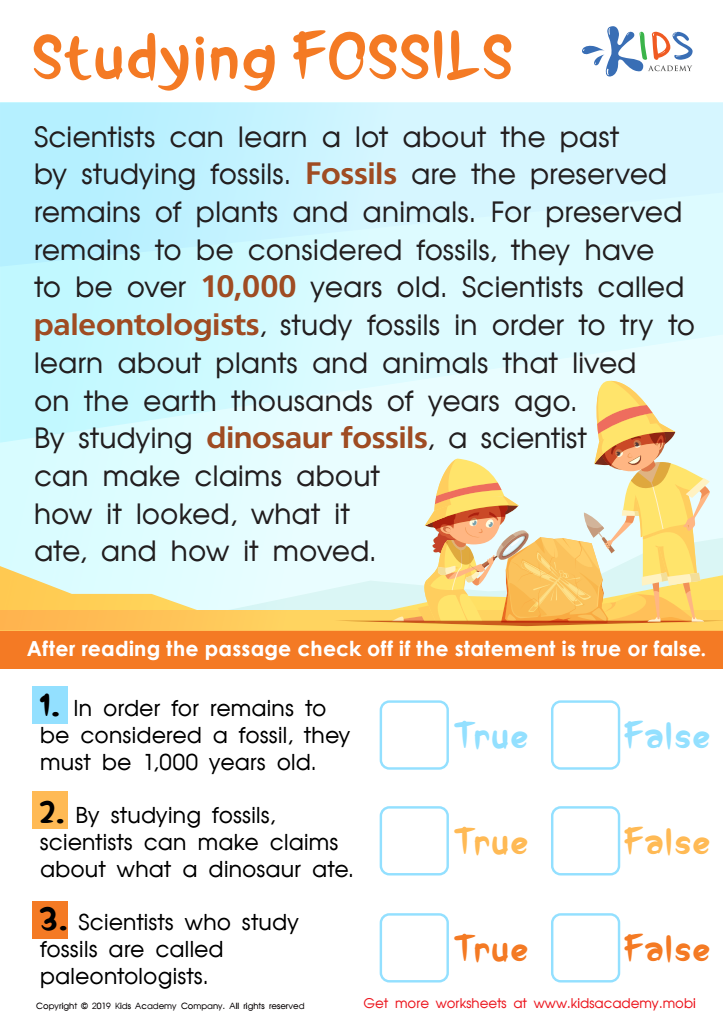
Studying Fossils Worksheet
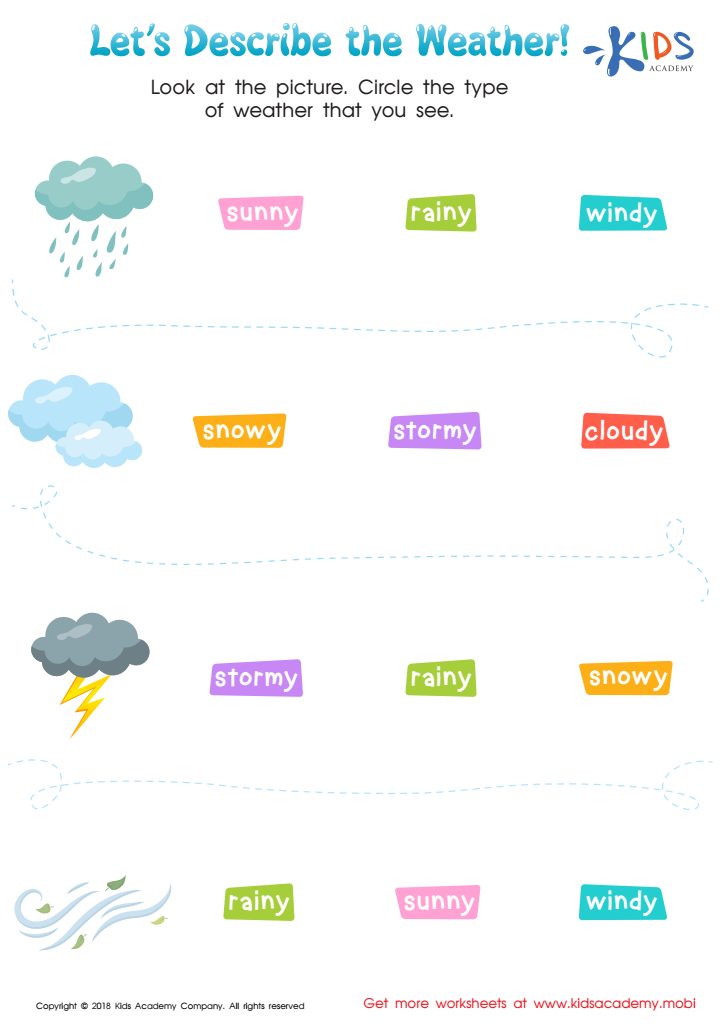
Let's Describe the Weather! Worksheet
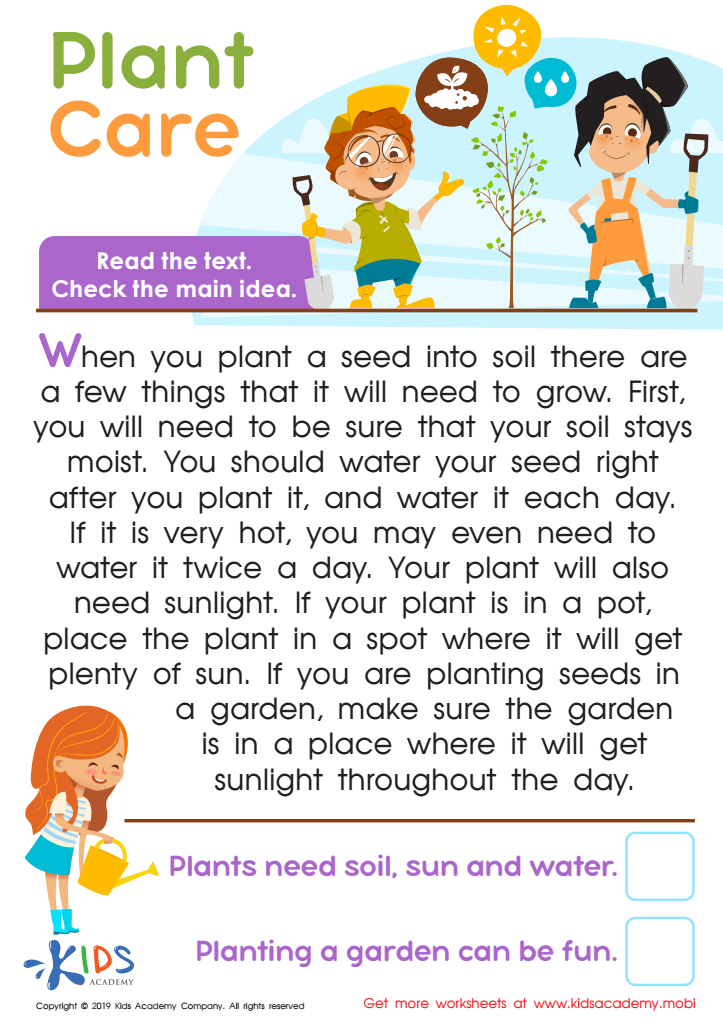
Plant Care Worksheet
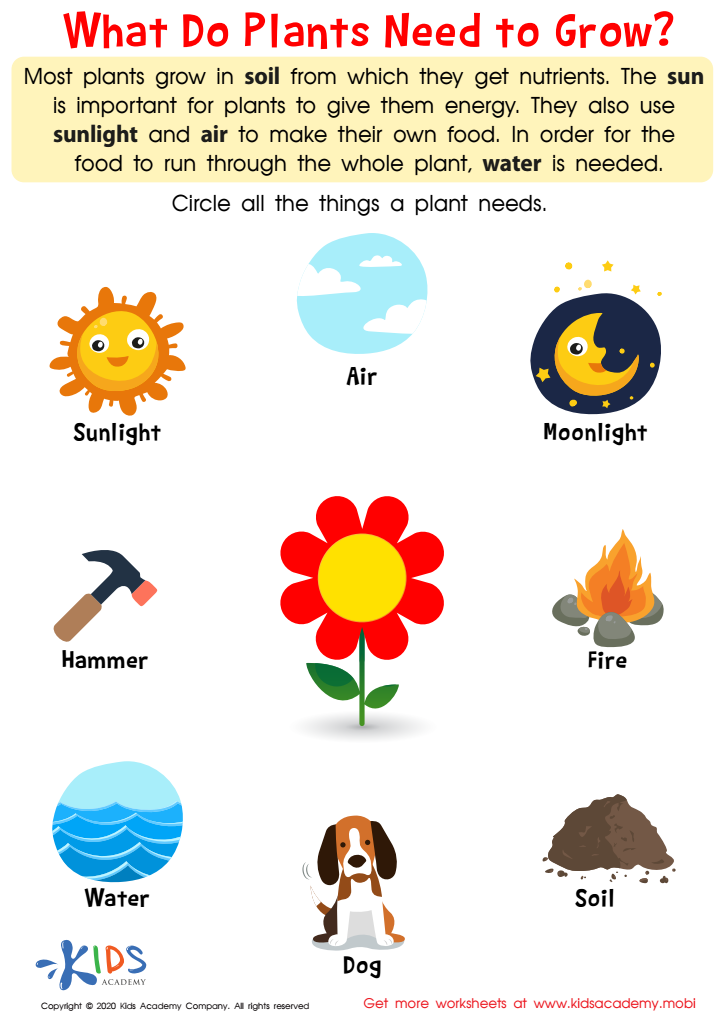
What Do Plants Need to Grow Worksheet
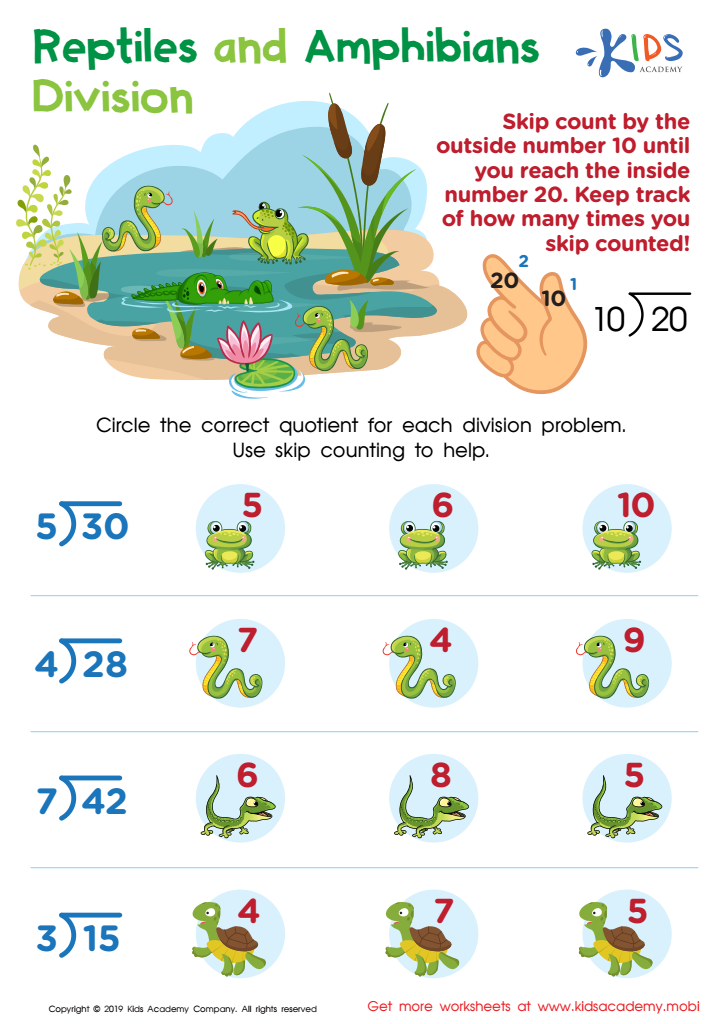
Reptile and Amphibians Division Worksheet




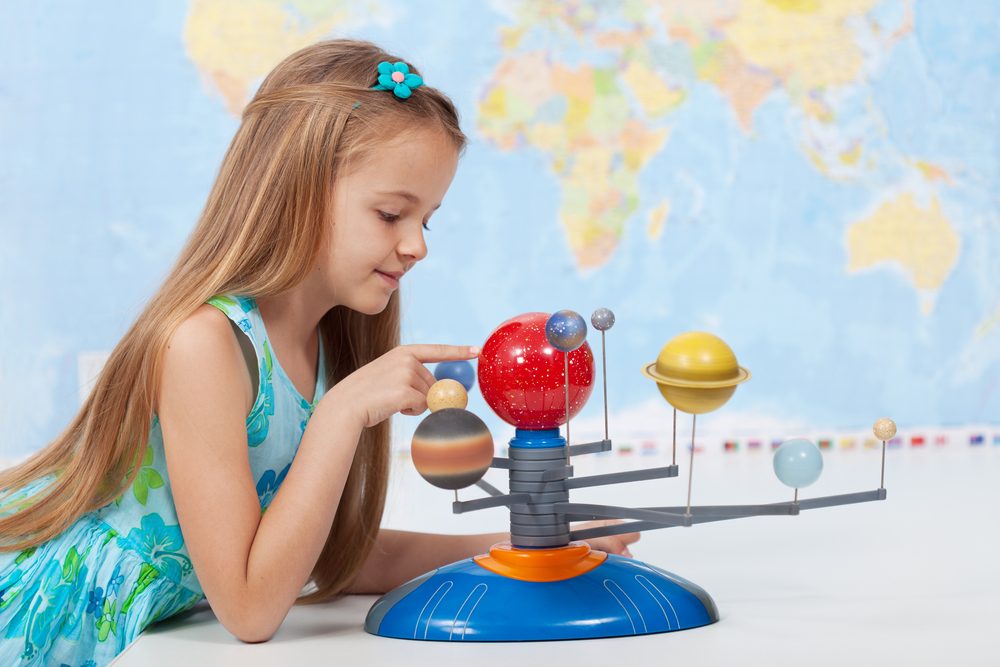


Parents and teachers should prioritize comprehension skills in the context of Normal Science for children aged 7-8 as these skills are foundational for academic success and lifelong learning. At this age, children are transitioning from learning to read to reading to learn, making it essential for them to understand not just the text but the concepts within it. Comprehension skills allow young learners to grasp scientific principles, identify cause-and-effect relationships, and relate information to their own experiences, all of which stimulate curiosity and critical thinking.
Moreover, proficiency in comprehension encourages greater engagement with science through experiments and inquiry-based learning. It's also important for developing vocabulary and the ability to synthesize information, both of which are crucial as children encounter more complex texts in upper grades. Recognizing scientific concepts can also foster problem-solving skills, teaching children to analyze and reason, which are invaluable in everyday life and future studies. By supporting comprehension skills early on, parents and teachers can instill a love of learning, molding confident learners who are better equipped to navigate academic challenges ahead. Overall, focusing on comprehension in Normal Science cultivates not only knowledge but the ability to apply that knowledge, essential for fostering informed, responsible citizens.







