Developing observation skills Normal Science Worksheets for Ages 7-8
3 filtered results
-
From - To
Enhance your child's scientific curiosity with our "Developing Observation Skills Normal Science Worksheets for Ages 7-8." These engaging and educational worksheets are meticulously crafted to help young learners sharpen their observation abilities while exploring the fascinating world of science. Each worksheet is designed to make scientific concepts relatable and fun, encouraging children to notice, reflect, and question their surroundings. Perfect for classroom or at-home learning, our materials support critical thinking and foster a deeper understanding of the natural world. Empower your child with the skills they need for lifelong scientific discovery and wonder. Dive into learning today!
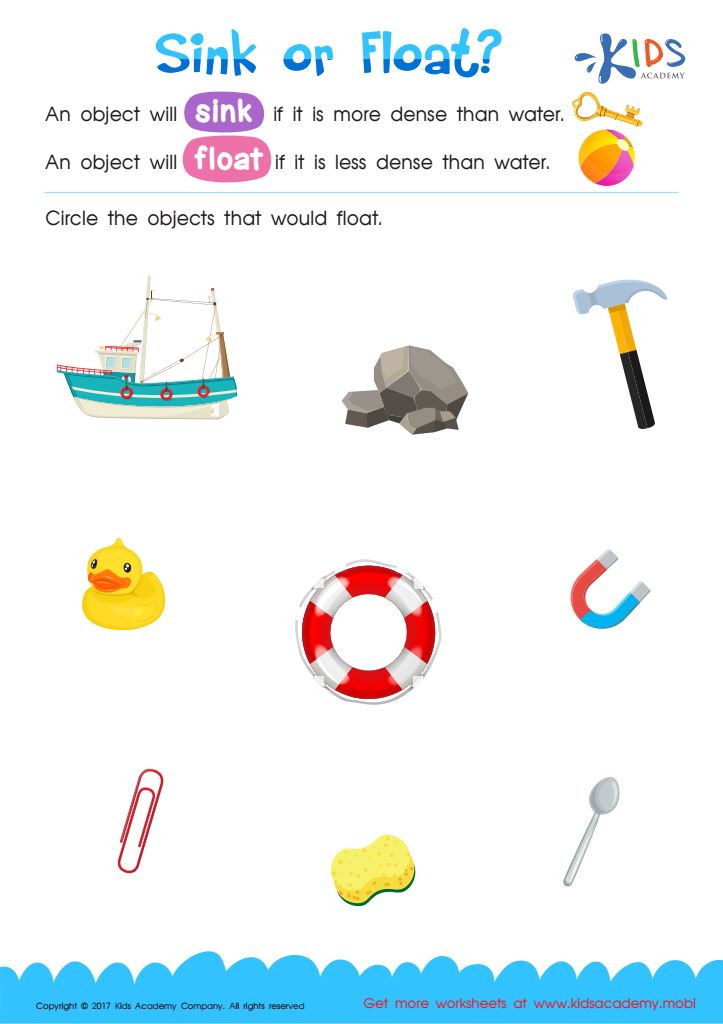
Sink or Float Printable
 Assign to My Students
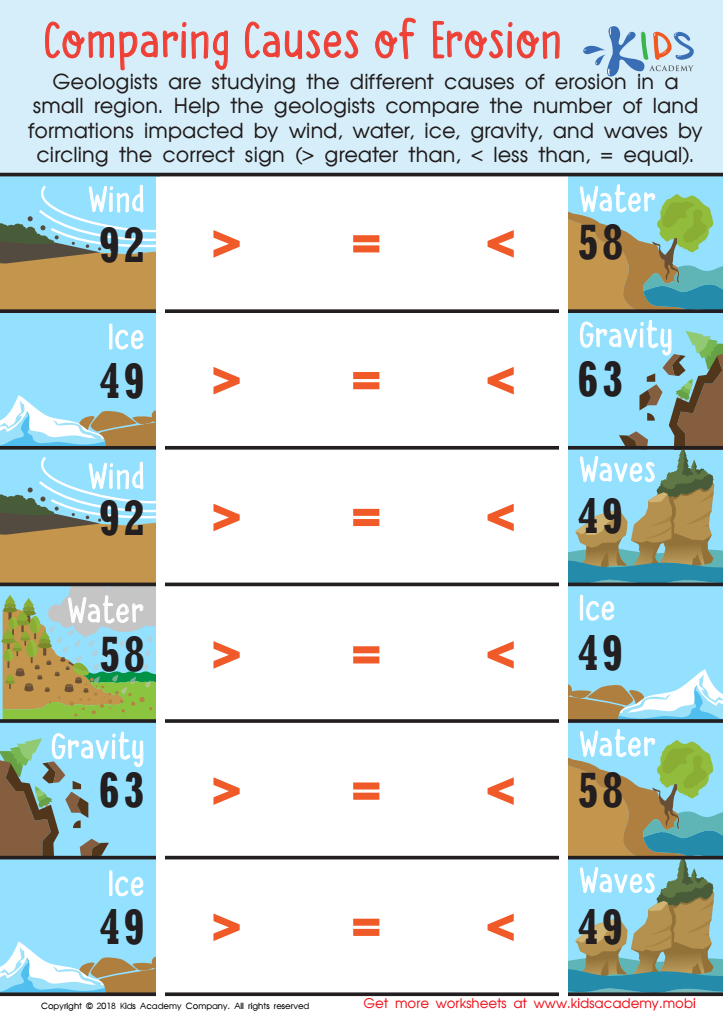
Comparing Causes of Erosion Worksheet
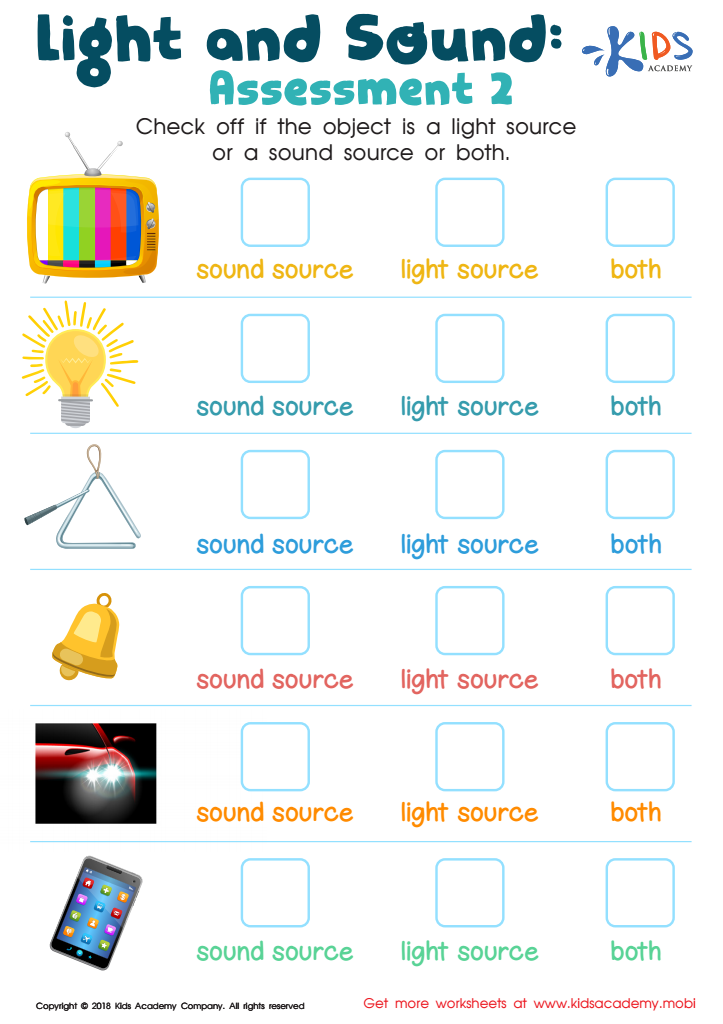
Light and Sound: Assessment 2 Worksheet



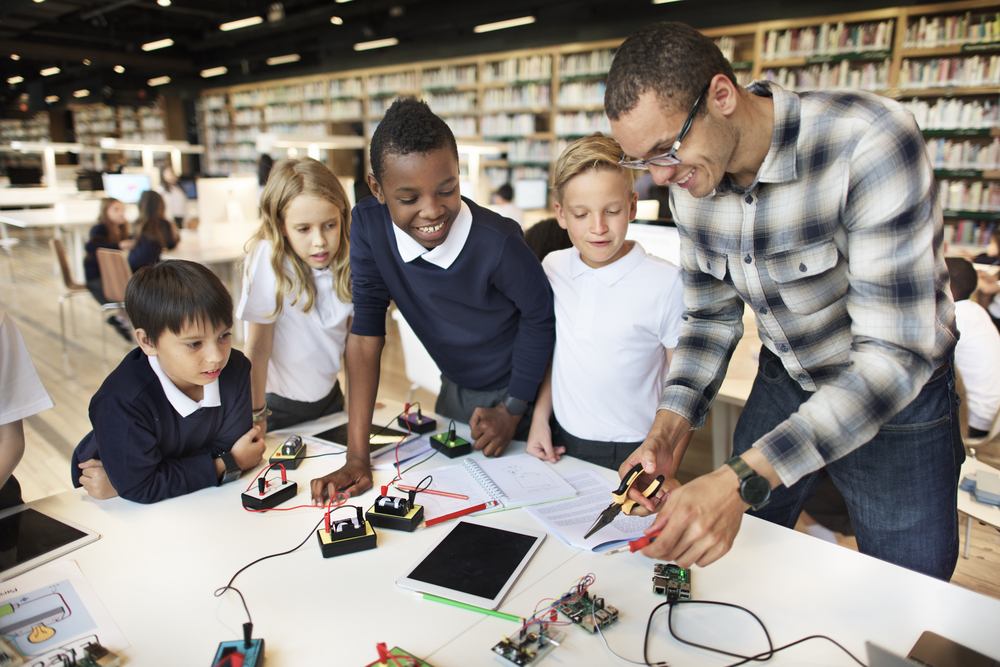
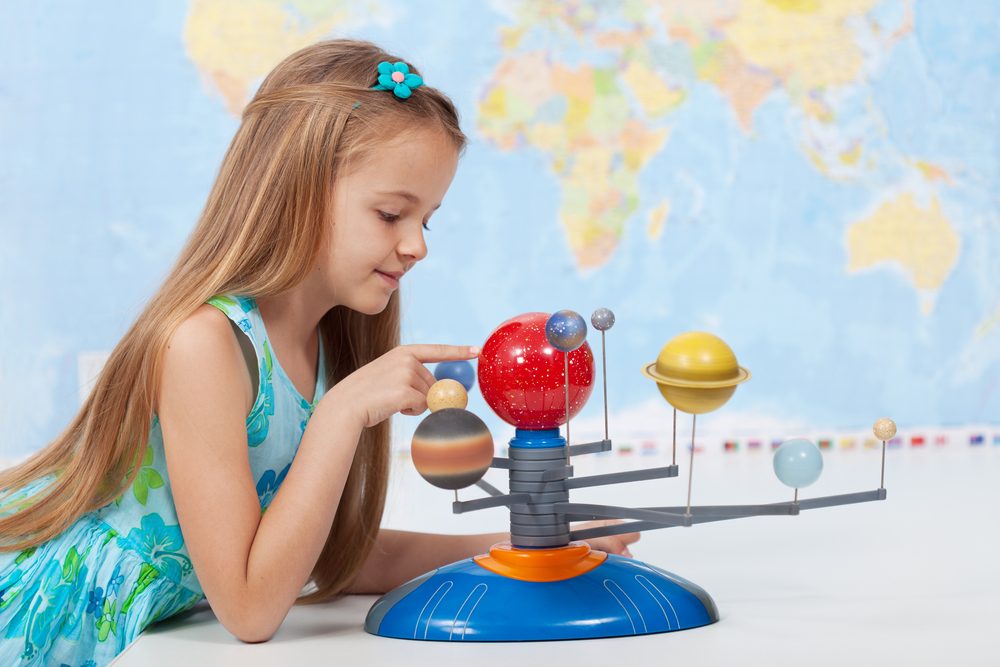


Developing observation skills in normal science for children aged 7-8 is crucial for several reasons. Firstly, observation is the foundation of scientific inquiry. When children learn to pay close attention to details and notice changes or patterns, they engage in critical thinking and curiosity-provoking activities. This habit fosters a genuine interest in the world around them and encourages lifelong learning.
Secondly, strong observation skills enhance academic learning. At this age, children are building basic literacy and numeracy skills. Observing details, whether in a story, a math problem, or a scientific experiment, helps students make connections, understand sequences, and grasp abstract concepts.
Thirdly, these skills support social development. Close observation of people’s expressions, actions, and reactions helps children develop empathy and improve communication skills by understanding others’ perspectives and emotions.
Lastly, practical life benefits abound. Observation sharpens focus and attention, which are essential for succeeding in many real-world scenarios, from following instructions to navigating social situations safely and respectfully. In an age of endless distractions, honing the ability to notice and reflect on their surroundings gives young children tools to ground themselves, make informed decisions, and engage with their environment meaningfully. Hence, parents and teachers should prioritize developing observational skills as a fundamental part of early science education.







