Identifying Animals Normal Science Worksheets for Ages 7-8
3 filtered results
-
From - To
Discover our "Identifying Animals Normal Science Worksheets" designed specifically for children ages 7-8! These engaging worksheets provide a fun and interactive way for young learners to explore the fascinating world of animals. Each worksheet focuses on key identification skills, helping students learn to recognize different animals, understand their characteristics, and classify them based on various criteria. Complemented by vibrant illustrations and age-appropriate questions, these activities promote curiosity and enhance critical thinking. Perfect for homeschool or classroom settings, these worksheets will inspire your child's love for science while supporting their educational journey. Download now and embark on an exciting animal adventure!
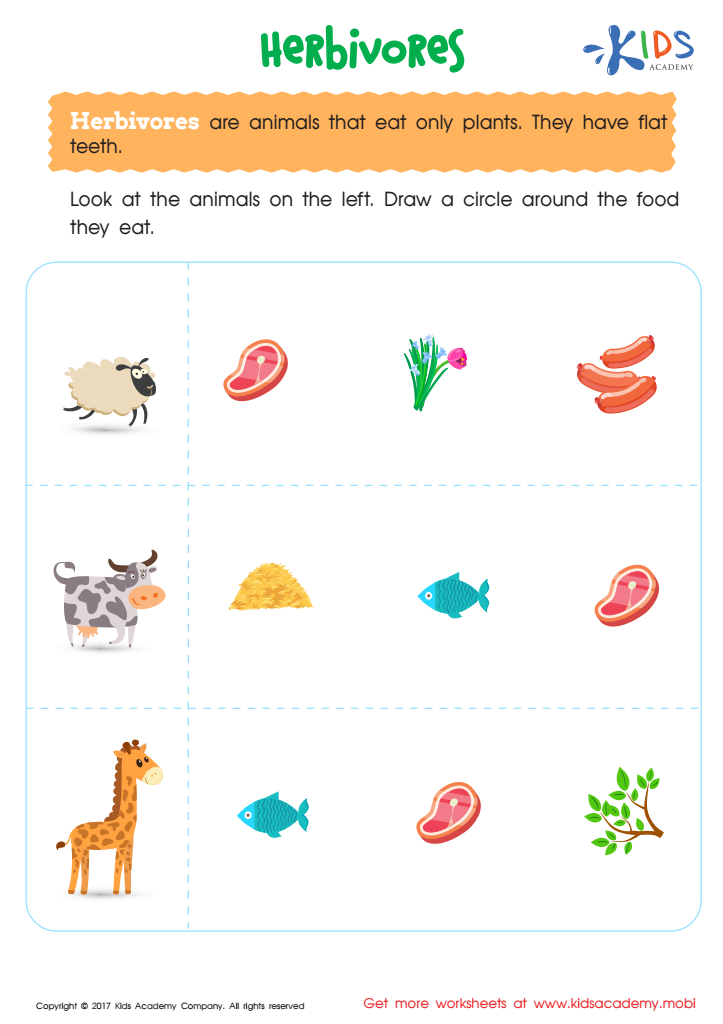
Herbivores Printable
 Assign to My Students
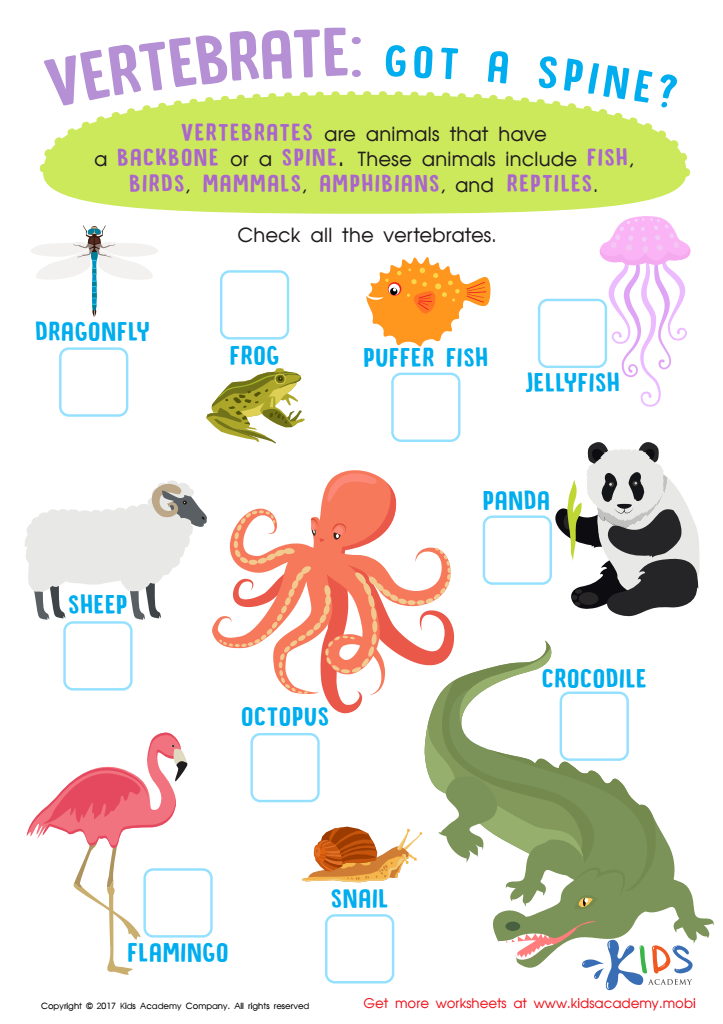
Vertebrates Animals Worksheet for 3rd Grade
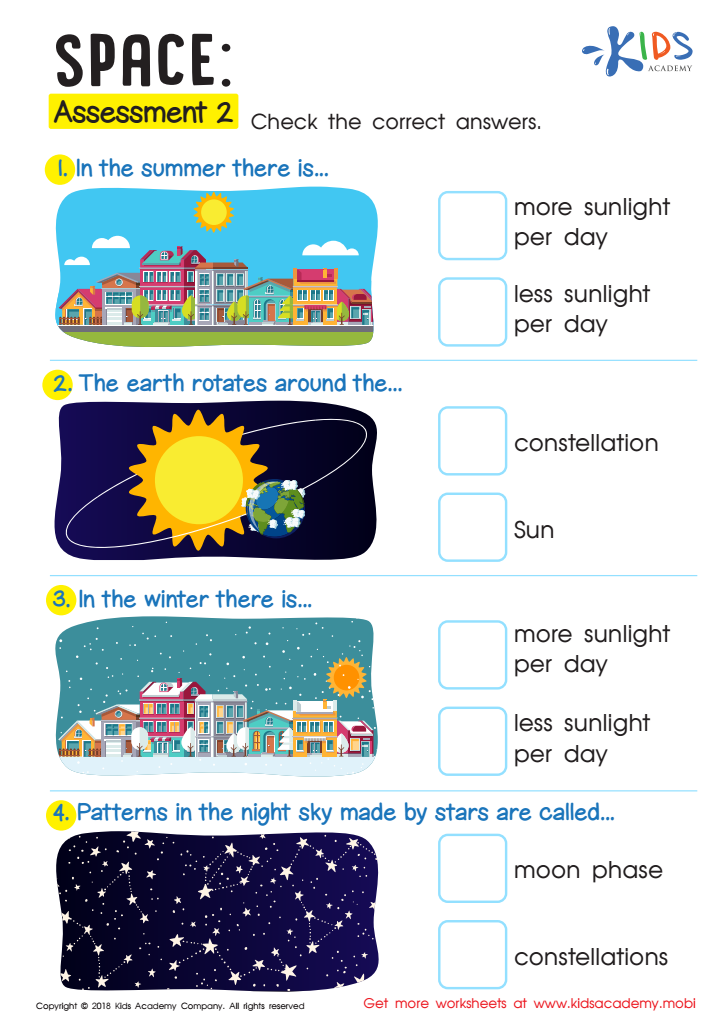
Space: Assessment 2 Worksheet








Identifying animals is a fundamental aspect of science education for children ages 7-8, nurturing their curiosity about the natural world. At this age, children develop critical observation skills and the ability to categorize living beings. Studying animals fosters a sense of wonder and encourages exploration, which is essential for developing scientific thinking.
Parents and teachers should prioritize this topic because it enhances children's understanding of biodiversity and ecosystems. By learning to identify different animals, children gain insight into various habitats, behaviors, and the interconnectedness of life forms. This teaches them the importance of environmental conservation and fosters a sense of responsibility towards protecting wildlife and their habitats.
Additionally, identifying animals helps improve vocabulary and communication skills, as children learn specific terms related to species, traits, and classifications. Engaging children in animal identification through hands-on activities, field trips, or interactive learning can also make science enjoyable and accessible.
Moreover, early exposure to scientific concepts builds a foundation for future learning, aligning with national educational standards. By showing interest in animal identification, parents and teachers can cultivate a lifelong appreciation for science, encouraging children to become informed citizens and advocates for the planet.







