Logical Reasoning Normal Science Worksheets for Ages 7-8
4 filtered results
-
From - To
Nurture your child's analytical abilities with our "Logical Reasoning Normal Science Worksheets for Ages 7-8." Designed to align with key learning standards, these engaging activities bolster critical thinking and problem-solving skills. Each worksheet presents fun, science-based challenges that encourage young minds to explore patterns, make predictions, and draw conclusions. Ideal for both classroom use and at-home practice, our printable worksheets provide a solid foundation in logical reasoning, enhancing overall cognitive development. Equip your 7 to 8-year-old with the tools they need to excel in science and beyond, fostering a lifelong love of learning.

Sequence Word Eagle Worksheet
 Assign to My Students
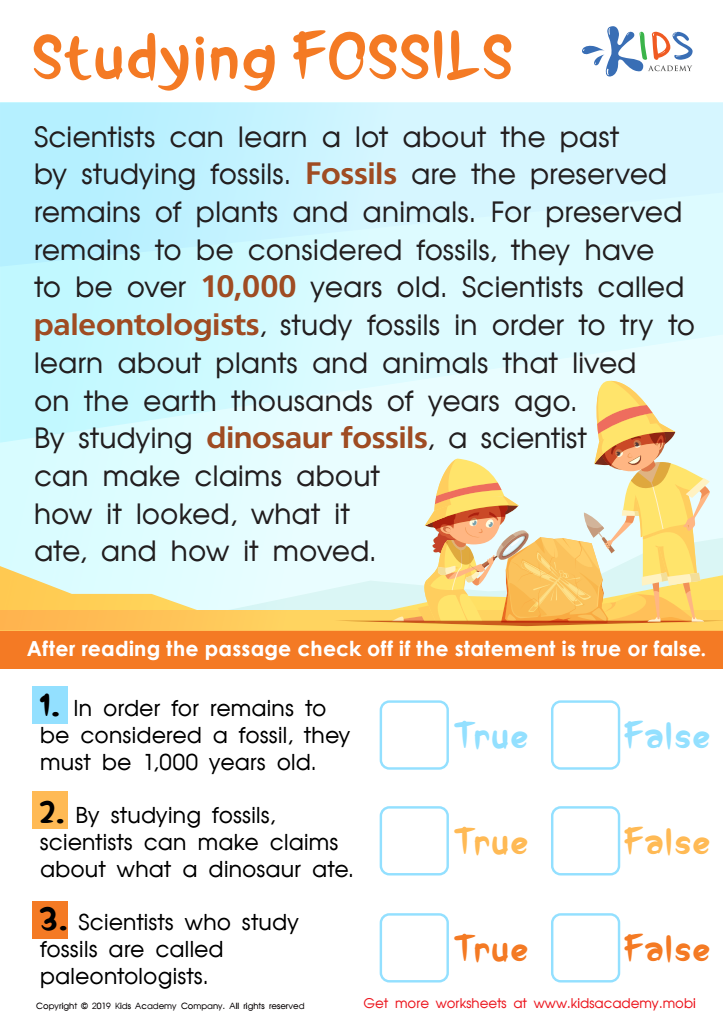
Studying Fossils Worksheet

Plants and Sunlight: Part 2 Worksheet
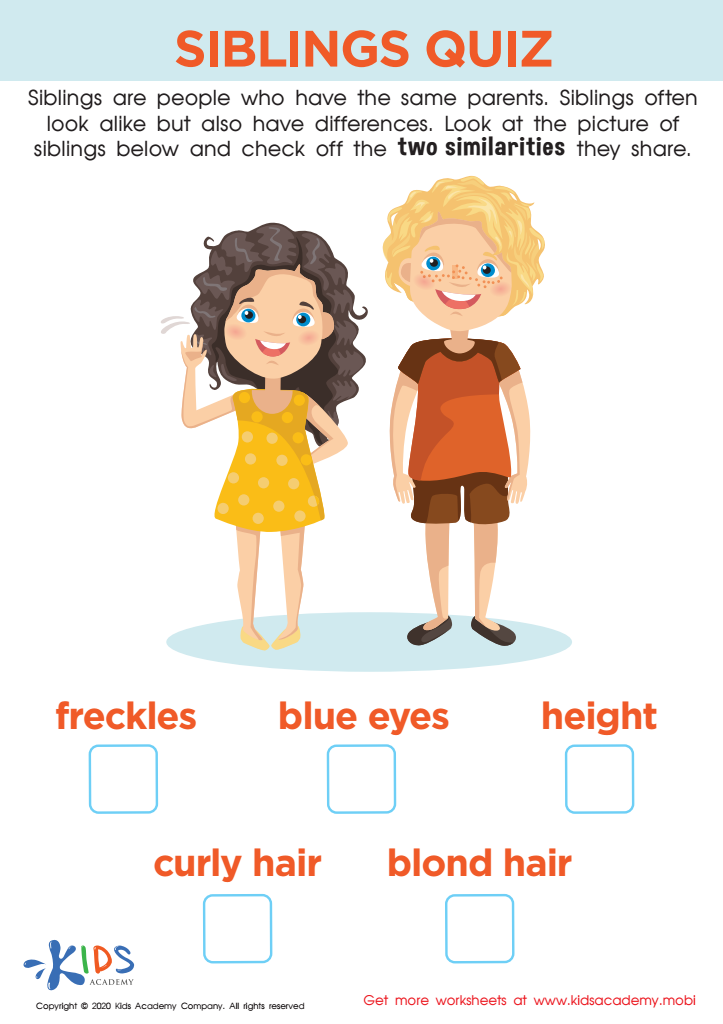
Siblings Quiz Worksheet







Parents and teachers should prioritize fostering logical reasoning and a foundational understanding of science for children aged 7-8 because these are critical developmental years. At this age, kids are remarkably observant and curious, constantly asking "why" to understand the world around them. Nurturing logical reasoning helps children develop problem-solving skills, enabling them to think clearly and systematically. This cognitive ability is crucial not just for science, but for everyday decision-making and learning across all subjects.
Integrating normal science at this formative stage enhances children's natural curiosity. It offers them the tools to explore, hypothesize, and draw conclusions based on evidence, which are essential components of the scientific method. Science education encourages experiential learning through experiments and hands-on activities, making abstract concepts tangible and memorable.
Moreover, early exposure to logical reasoning and science lays a strong foundation for future academic and personal success. It cultivates critical thinking, resilience, and an understanding of how the world operates. These skills are invaluable in navigating a rapidly evolving, technology-driven society. By prioritizing these areas, parents and teachers equip children with the capabilities to not only succeed academically but also become informed, rational thinkers and problem solvers in everyday life.







