Categorizing objects Normal Physical Science Worksheets for Ages 7-8
3 filtered results
-
From - To
Explore our engaging "Categorizing Objects" Normal Physical Science Worksheets designed for children ages 7-8. These interactive printables help young learners develop essential skills in classification and organization while deepening their understanding of the physical world. Through fun activities, students will group objects based on characteristics such as size, shape, color, and function. Our worksheets encourage critical thinking, enhance observational skills, and foster a keen interest in science. Perfect for home or classroom use, these resources provide teachers and parents with valuable tools to support scientific exploration and promote a love for learning. Start categorizing today!
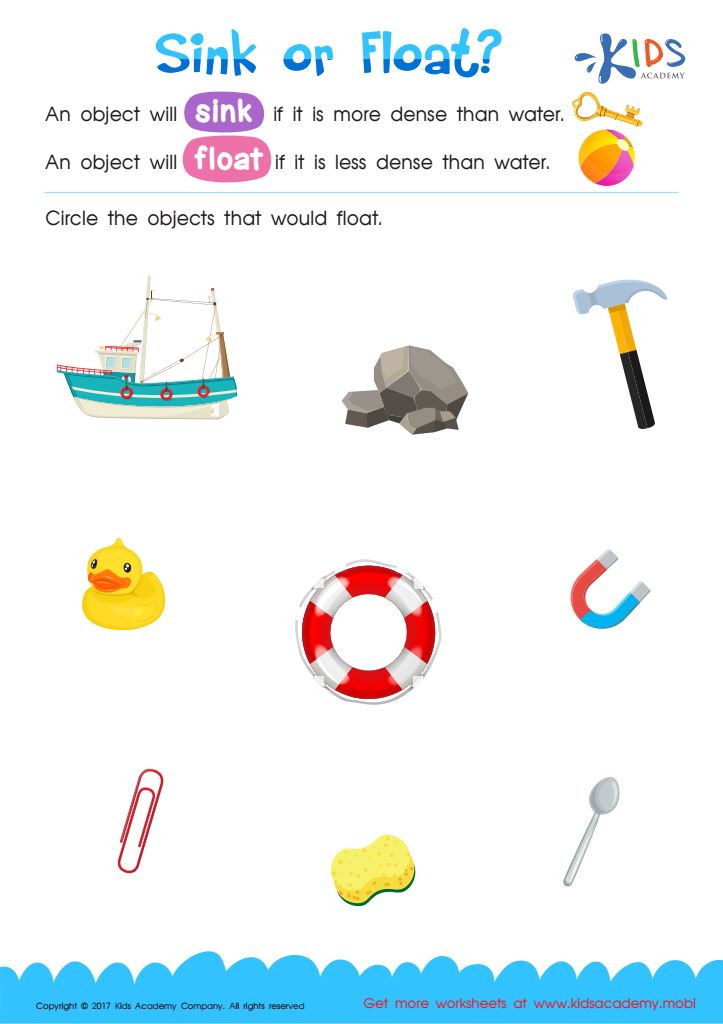
Sink or Float Printable
 Assign to My Students
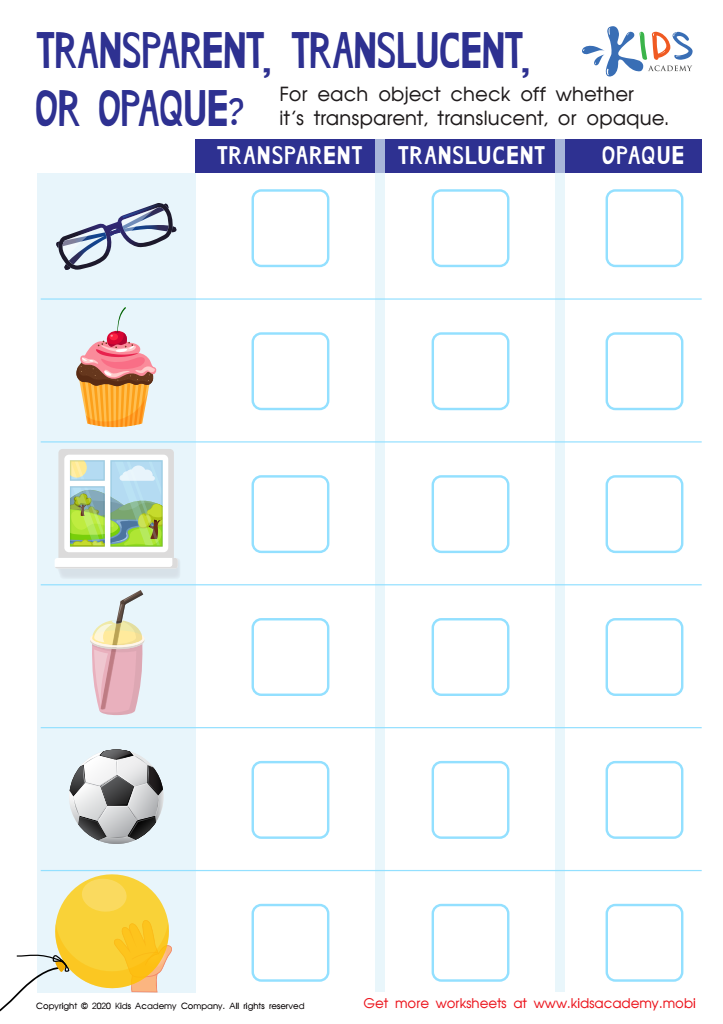
Transparent, Translucent, or Opaque Worksheet
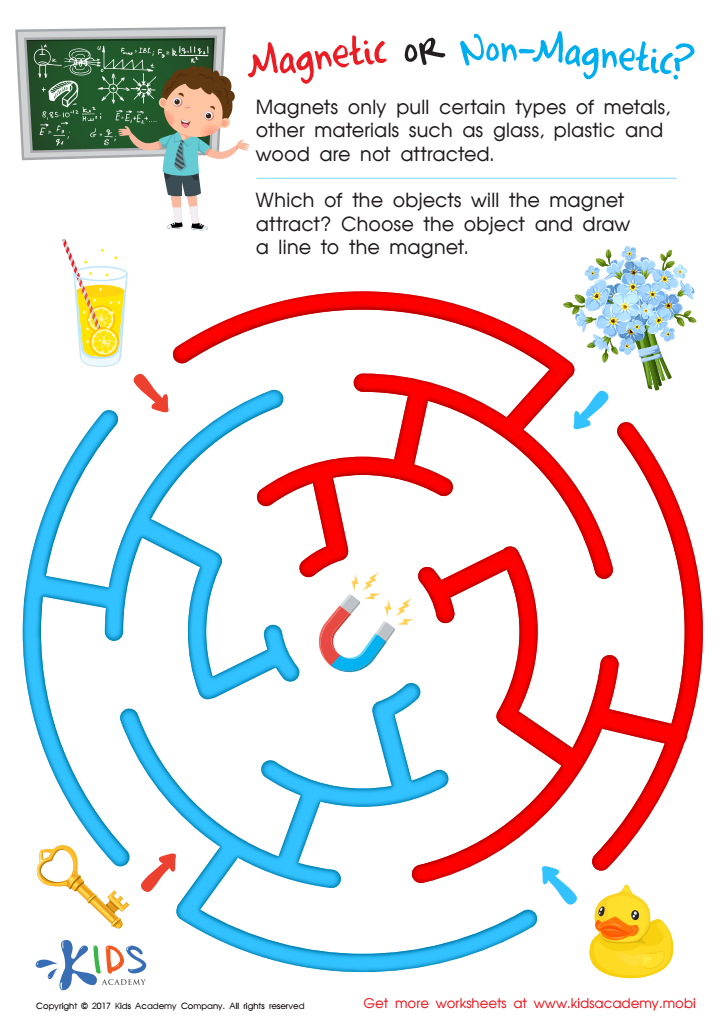
Magnetic or Non–Magnetic Worksheet






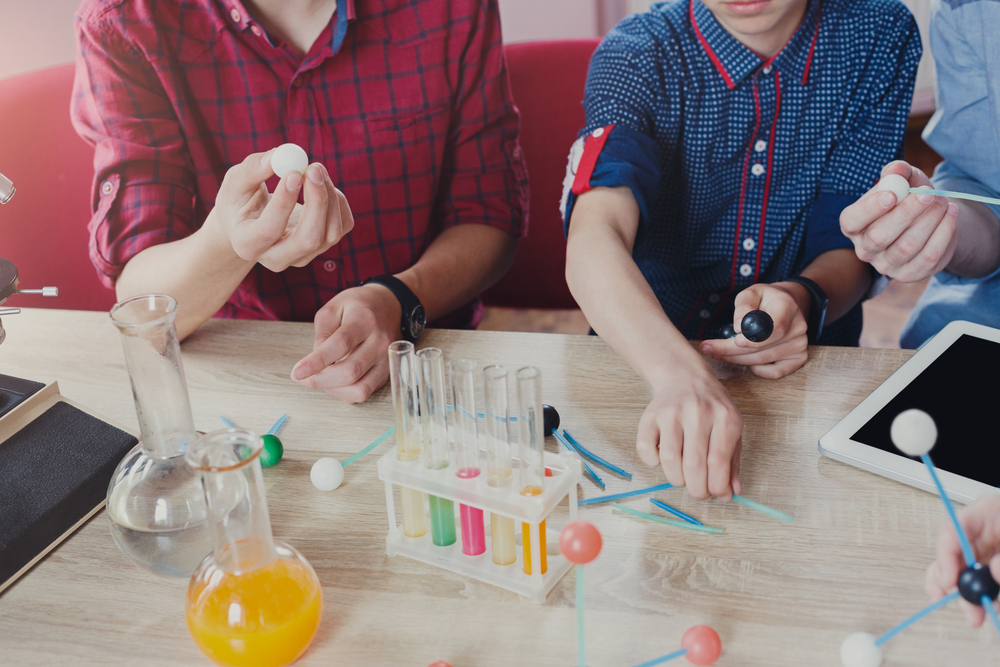
Categorizing objects serves as a fundamental skill within Normal Physical Science for children aged 7-8 and is essential for several reasons. First, it cultivates critical thinking skills. By sorting objects based on their characteristics, children learn to observe similarities and differences, fostering analytical skills that are valuable not only in science but across all subjects.
Moreover, this process enhances cognitive development. When kids categorize objects—whether by shape, color, size, or function—they engage in logical reasoning. This kind of mental exercise aids in brain development and prepares students for more complex scientific concepts later on.
Additionally, categorization fosters creativity and problem-solving abilities. Children learn to think flexibly about how various objects can be grouped, which sparks imaginative reasoning. This adaptability is important for grasping scientific principles in a dynamic world.
Finally, understanding categorization helps with real-life applications. It encourages organization skills that children can apply in daily tasks, from managing school supplies to sorting items at home. By caring about this aspect of physical science, parents and teachers can help facilitate the growth of well-rounded learners equipped with essential life skills.







