Animal Classification Normal Plants and Animals Worksheets for Ages 7-8
3 filtered results
-
From - To
Discover our engaging "Animal Classification Worksheets" designed specifically for children aged 7-8! These worksheets introduce young learners to the fascinating world of plants and animals, helping them understand how to categorize living organisms based on unique characteristics. With fun activities and colorful illustrations, these materials encourage critical thinking and boost enthusiasm for science. Ideal for both classroom and at-home learning, our resources provide an interactive way for kids to master concepts of animal classification. Perfect for reinforcing understanding and sparking curiosity, these worksheets promise to make learning about nature an exciting adventure for young minds. Start exploring today!
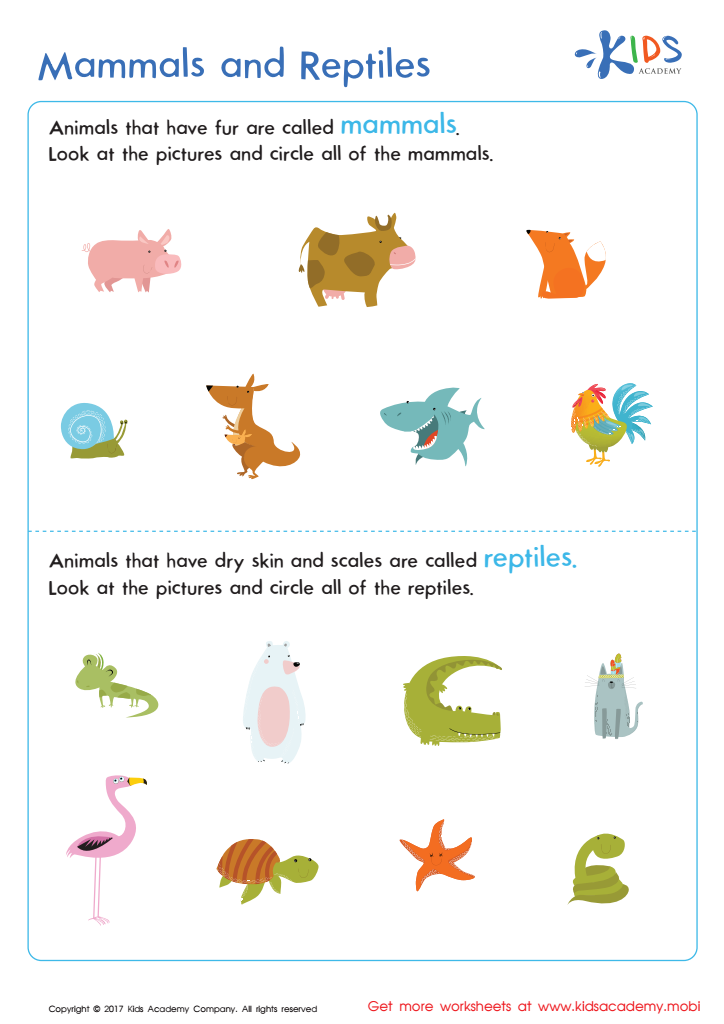
Mammals and Reptiles Worksheet
 Assign to My Students











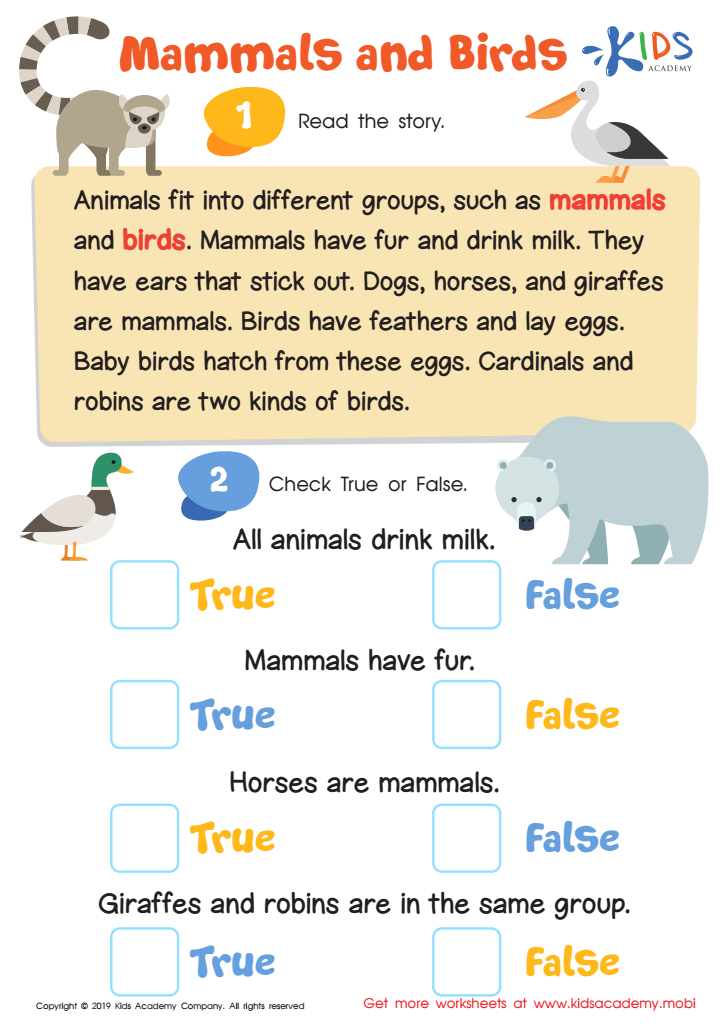
Mammals and Birds Worksheet
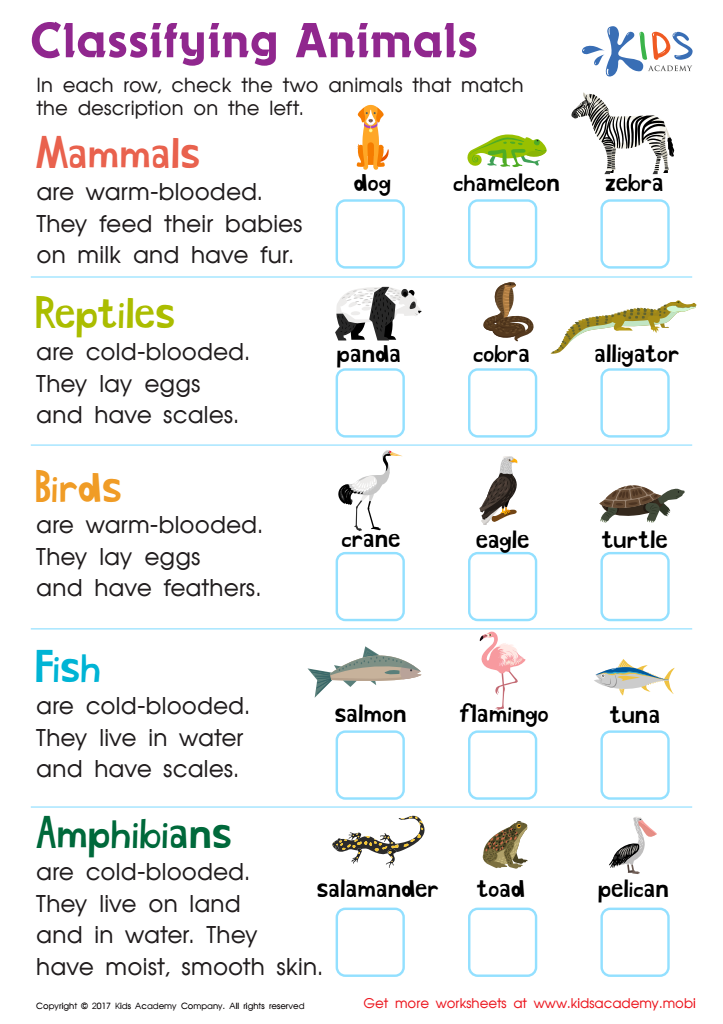
Classifying Animals Worksheet





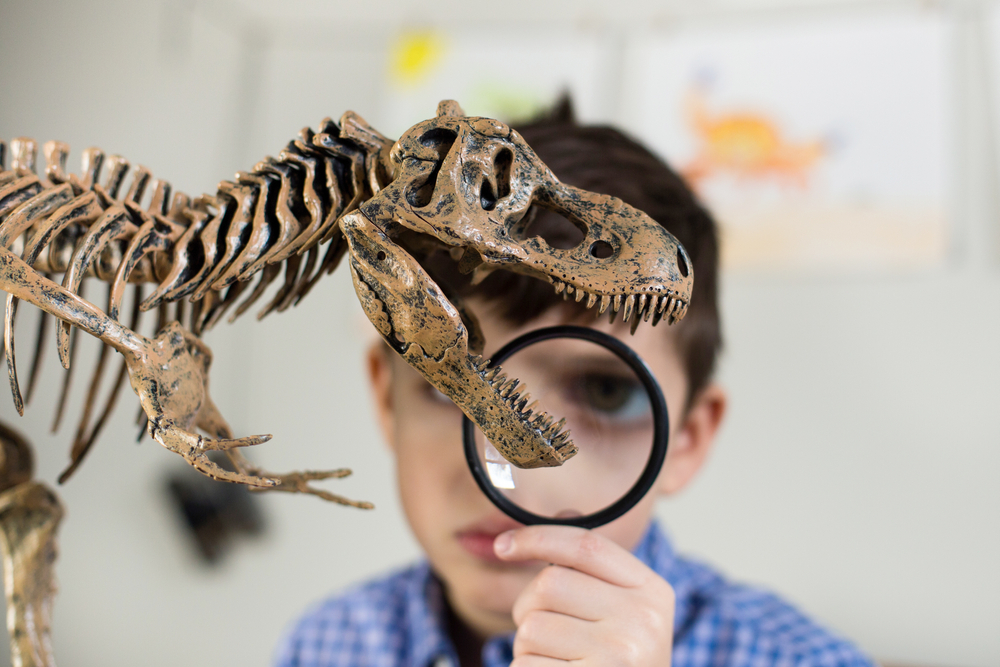


Animal Classification is a fundamental concept in understanding the natural world, particularly for children ages 7-8. Teaching kids about the classification of animals fosters a sense of curiosity about biodiversity and the environment. By learning to categorize animals into groups, such as mammals, birds, reptiles, and amphibians, children develop critical thinking skills. This classification process helps them recognize and appreciate the unique characteristics that define different species.
Moreover, understanding animal classification connects children to broader concepts in science, including ecosystems and the interdependence of living organisms. It lays the groundwork for more complex topics like genetics and evolution, preparing them for future scientific learning.
For teachers and parents, bridging the concept of plant and animal classification is essential in promoting environmental awareness. By encouraging conversations about how these classifications impact habitats and species interactions, adults can inspire a sense of responsibility in young learners. Engaging children in outdoor activities, such as nature walks or visits to zoos, can reinforce these lessons, making learning interactive and tangible. Ultimately, understanding animal and plant classification not only enhances children's knowledge but also nurtures a lifelong passion for science and nature.







