Vocabulary Building Normal Plants and Animals Worksheets for Ages 7-8
5 filtered results
-
From - To
Enhance your child's vocabulary with our engaging "Plants and Animals Worksheets" designed specifically for ages 7-8. These worksheets focus on helping young learners explore essential terminology related to the plant and animal kingdom. Through fun activities and exercises, children will develop a stronger comprehension of scientific terms, fostering a love for nature and science. Each worksheet is crafted to encourage critical thinking and creativity, making learning enjoyable. Perfect for classroom use or at-home enrichment, these resources will help your child build a solid foundation in vocabulary while discovering the fascinating world of plants and animals. Explore our collection today!
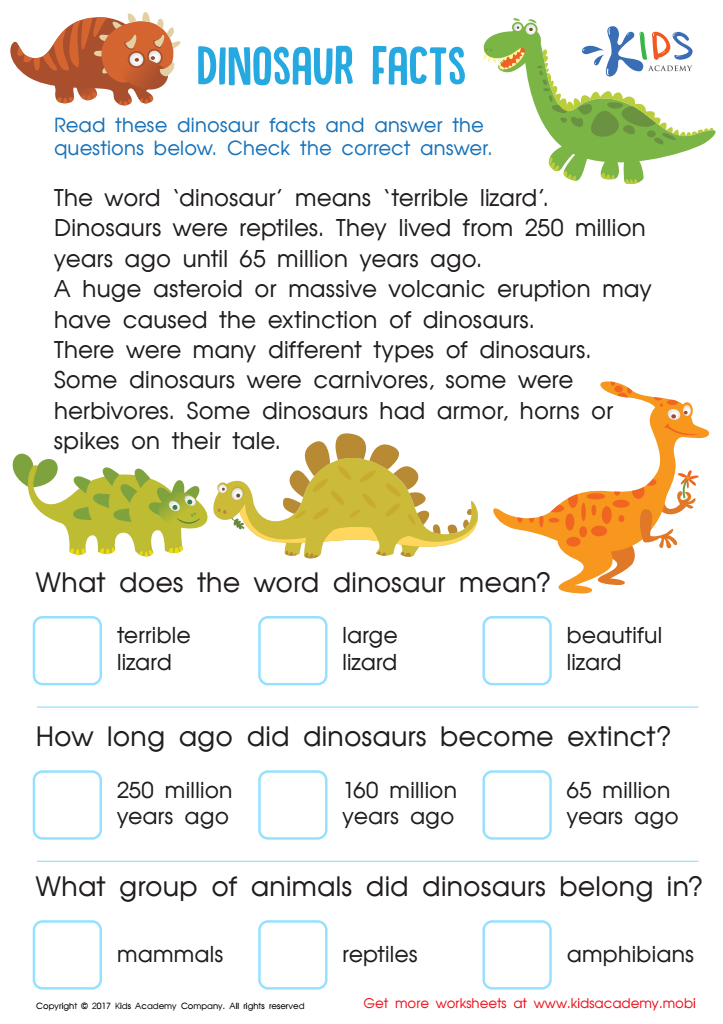
Dinosaur Facts Worksheet
 Assign to My Students

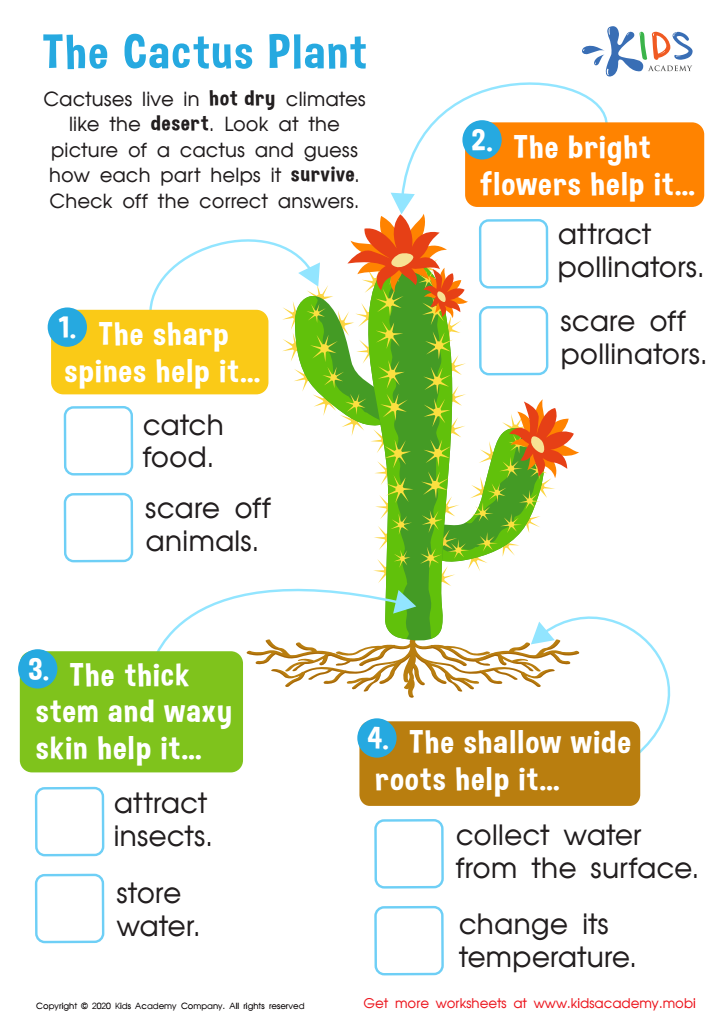
The Cactus Plant Worksheet
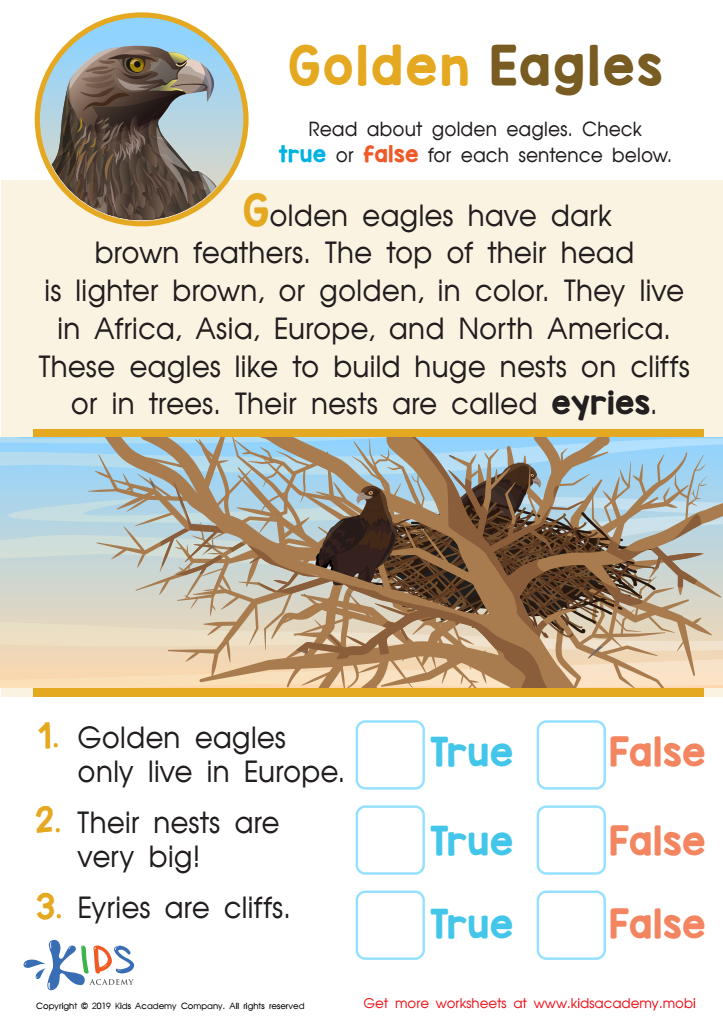
Golden Eagles Worksheet
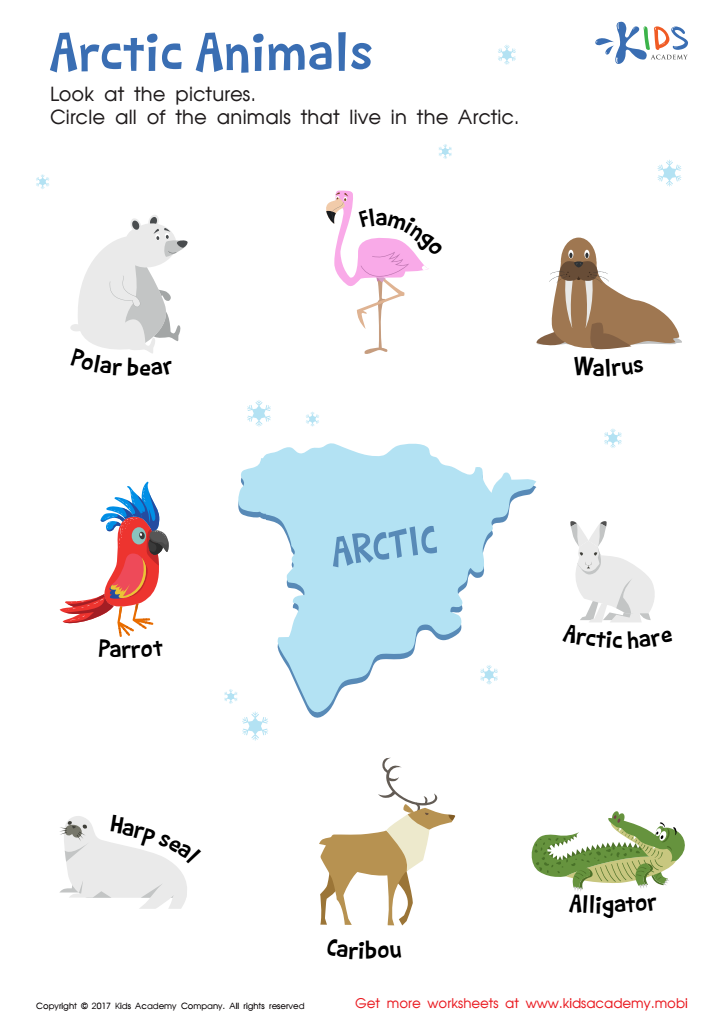
Arctic Animals Worksheet
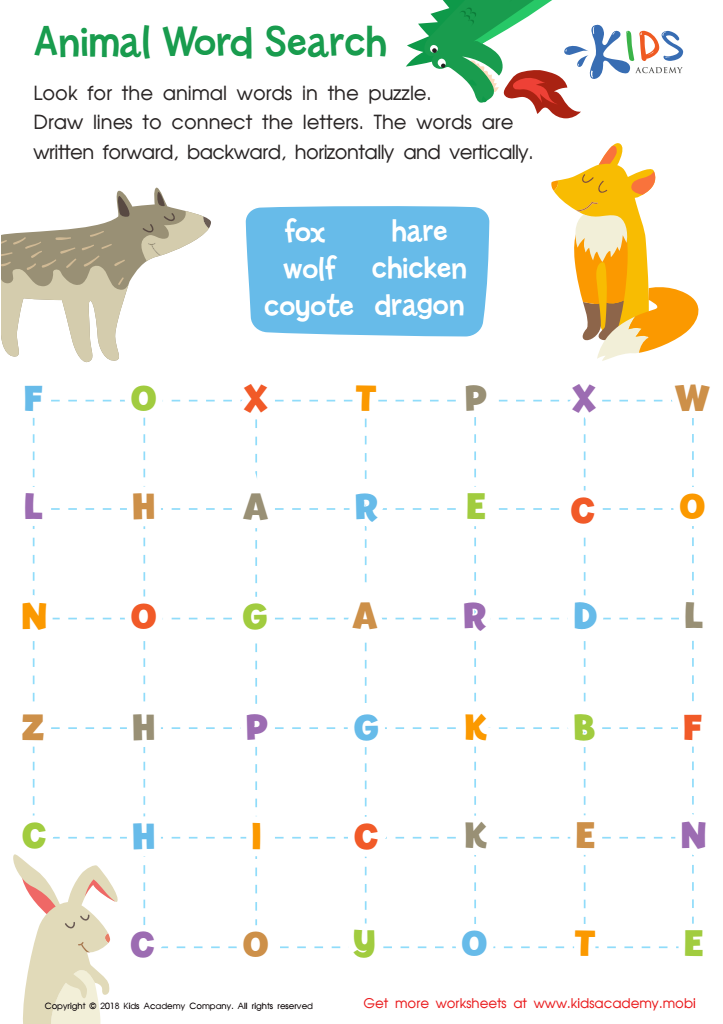
Animal Word Search Worksheet








Vocabulary building is essential for children aged 7-8, especially when it comes to topics like normal plants and animals. This age group is curious and eager to learn, making it an ideal time to enrich their language skills. A robust vocabulary enhances reading comprehension, allowing children to engage more meaningfully with texts about nature and the environment. When children can articulate their observations about plants and animals, they develop a greater appreciation for the world around them.
Furthermore, understanding the terminology associated with biology fosters critical thinking. Children learn to categorize, describe, and hypothesize about organisms, which comes into play when discussing lifecycles, habitats, and ecosystems. Teachers and parents play pivotal roles in facilitating this learning through discussions, hands-on activities, and field trips. Encouraging questions and exploration helps solidify their knowledge and vocabulary.
Additionally, the ability to express thoughts clearly about the natural world contributes to scientific literacy, pivotal for future academic success. This foundational vocabulary not only enhances communication skills but also bolsters confidence in classroom participation and conversations. Ultimately, vocabulary building regarding normal plants and animals cultivates a sense of wonder and responsibility towards the environment, shaping informed and conscientious future generations.







