Understanding history Normal History Worksheets for Ages 7-8
6 filtered results
-
From - To
"Understanding History: Normal History Worksheets for Ages 7-8" introduce young learners to the fascinating world of history with engaging and age-appropriate materials. These worksheets are designed to enhance historical thinking skills, teaching kids to comprehend timelines, recognize important events, and connect the past to the present. Each activity encourages critical thinking, promotes discussion, and is perfect for classroom use or homeschooling. With colorful illustrations and interactive tasks, these worksheets make learning history enjoyable and accessible. Equip your 7 to 8-year-olds with the knowledge to understand and appreciate history, and watch them become little historians!
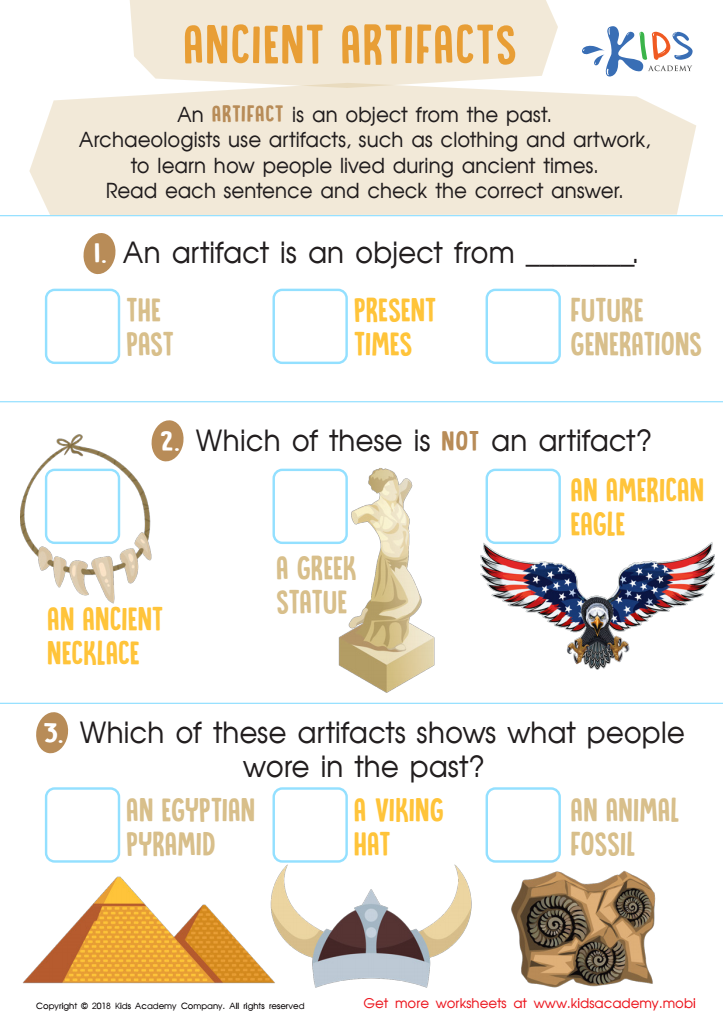
Ancient Artifacts Worksheet
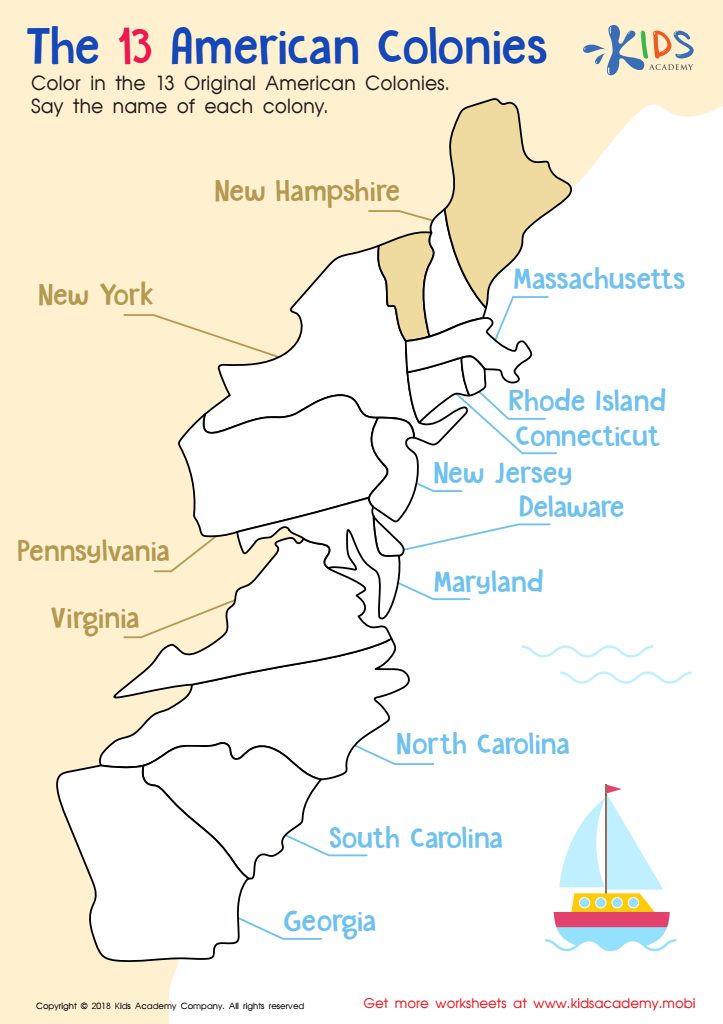
The 13 American Colonies Worksheet
 Assign to My Students
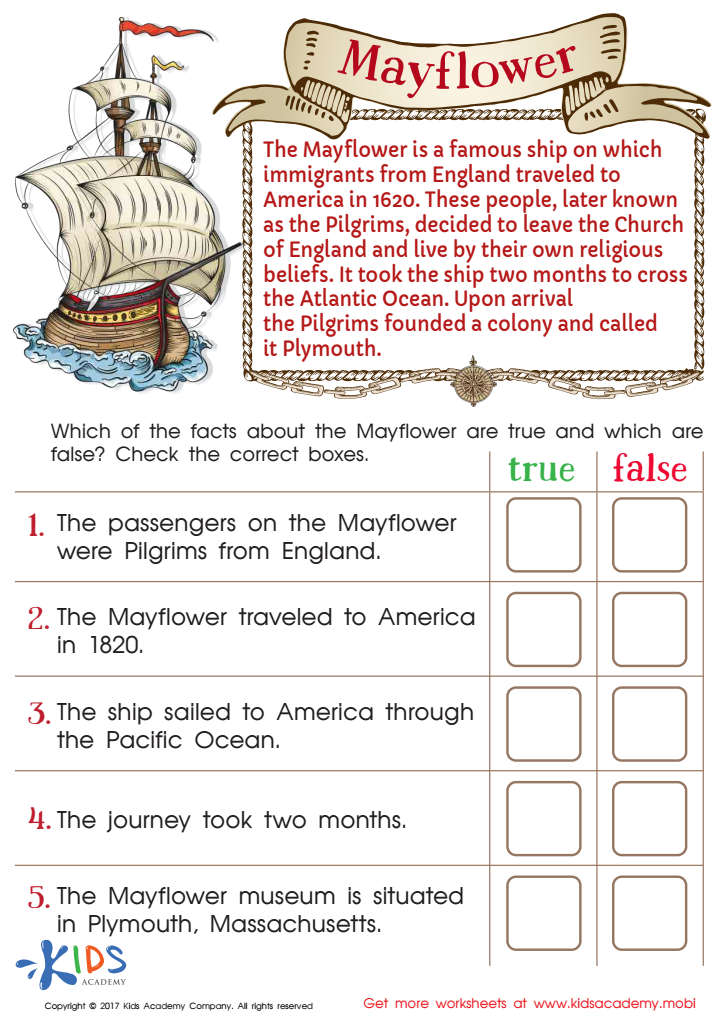
Free Mayflower Worksheet
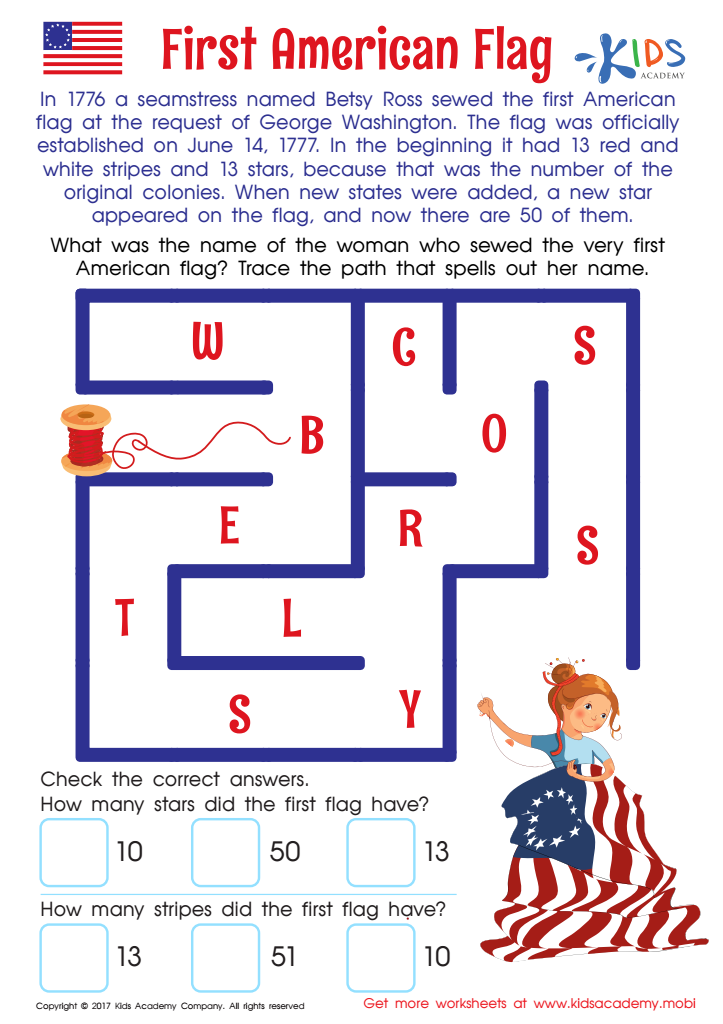
First American Flag Worksheet
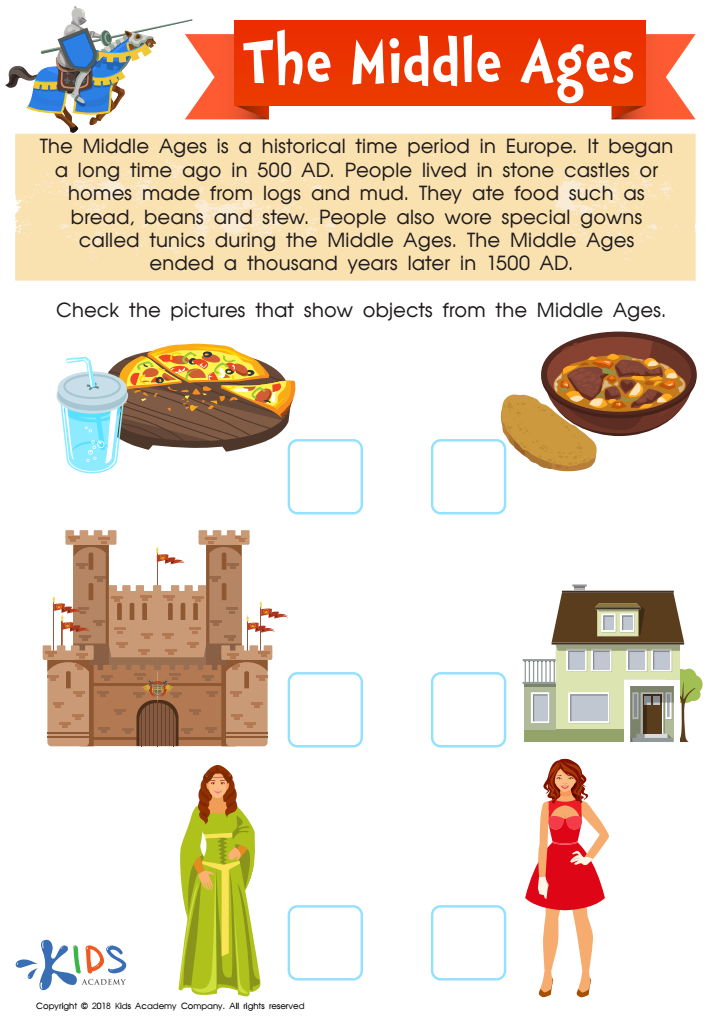
The Middle Ages Worksheet
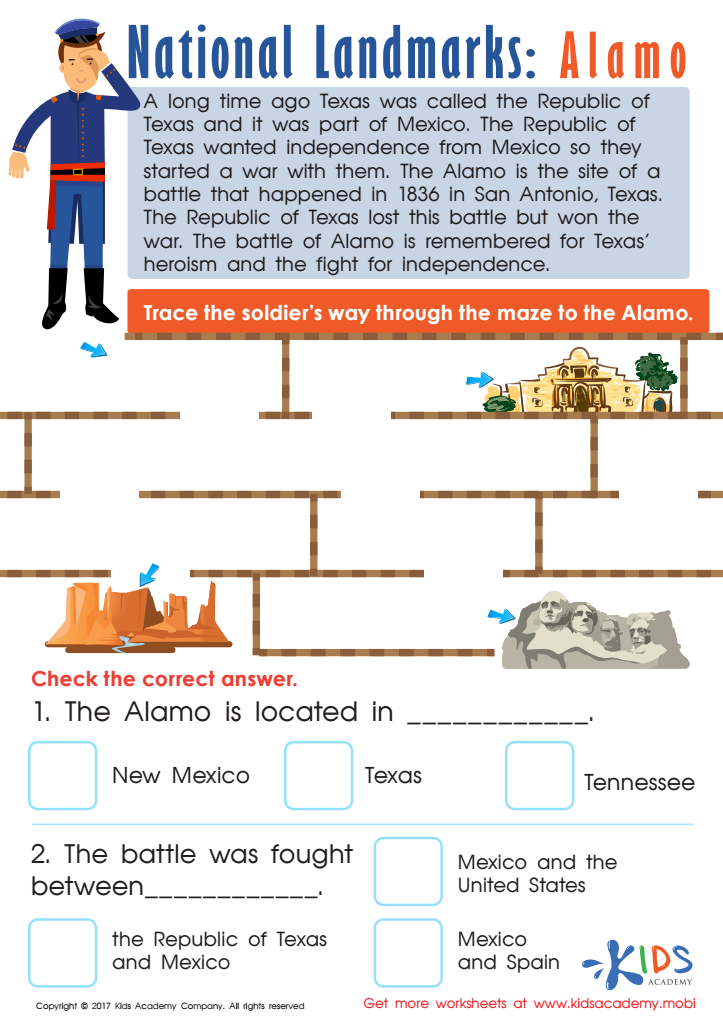
Alamo Printable Worksheet







Understanding history, even for young children aged 7-8, is vitally important for several reasons. Firstly, it helps children develop a sense of identity and place. By learning about historical events, figures, and cultures, they begin to see how they fit into the broader narrative of human existence. This can foster a sense of belonging and self-awareness.
Secondly, history teaches valuable lessons about human behavior and progress. Young students can learn about the consequences of actions, the importance of making ethical choices, and the benefits of cooperation and innovation. These stories from the past can serve as powerful examples that shape their values and decision-making.
Thirdly, history nurtures critical thinking skills. It encourages children to question, analyze, and weigh evidence. As they answer fundamental questions like "What happened?" and "Why did it happen?", they learn to think more deeply and understand multiple perspectives.
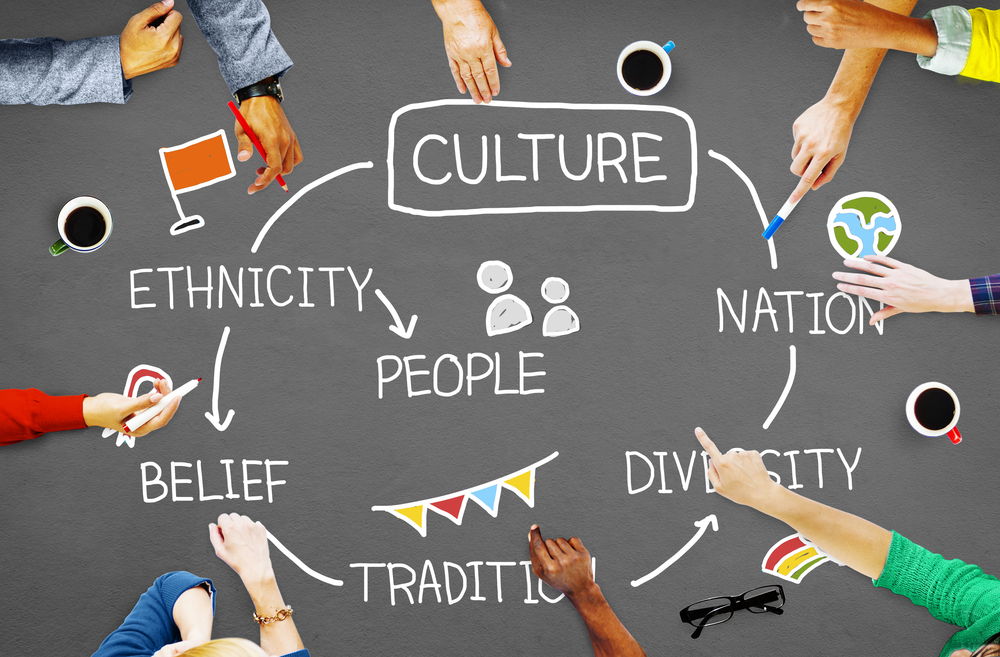
Moreover, understanding history promotes cultural awareness and sensitivity. When children learn about different cultures and traditions, they become more open-minded and respectful of diversity, laying the foundation for global citizenship.
Educators and parents should embrace teaching history as it supports a well-rounded education, developing informed, empathetic, and critical thinkers, all while connecting the past to their young, inquisitive minds.