Cognitive Development Normal Writing Worksheets for Ages 7-8
6 filtered results
-
From - To
Unlock your child's potential with our Cognitive Development Normal Writing Worksheets for Ages 7-8! Designed to foster critical thinking and enhance writing skills, these engaging worksheets promote creativity and cognitive growth. Children will tackle fun, age-appropriate exercises that encourage storytelling, problem-solving, and effective expression of ideas. Our resources align with educational standards, ensuring a balanced approach to learning. Perfect for at-home practice or supplemental classroom activities, these worksheets create a rich learning experience that supports young minds. Encourage your child to explore and expand their writing abilities while building confidence and cognitive skills. Start their writing journey with our carefully crafted worksheets today!
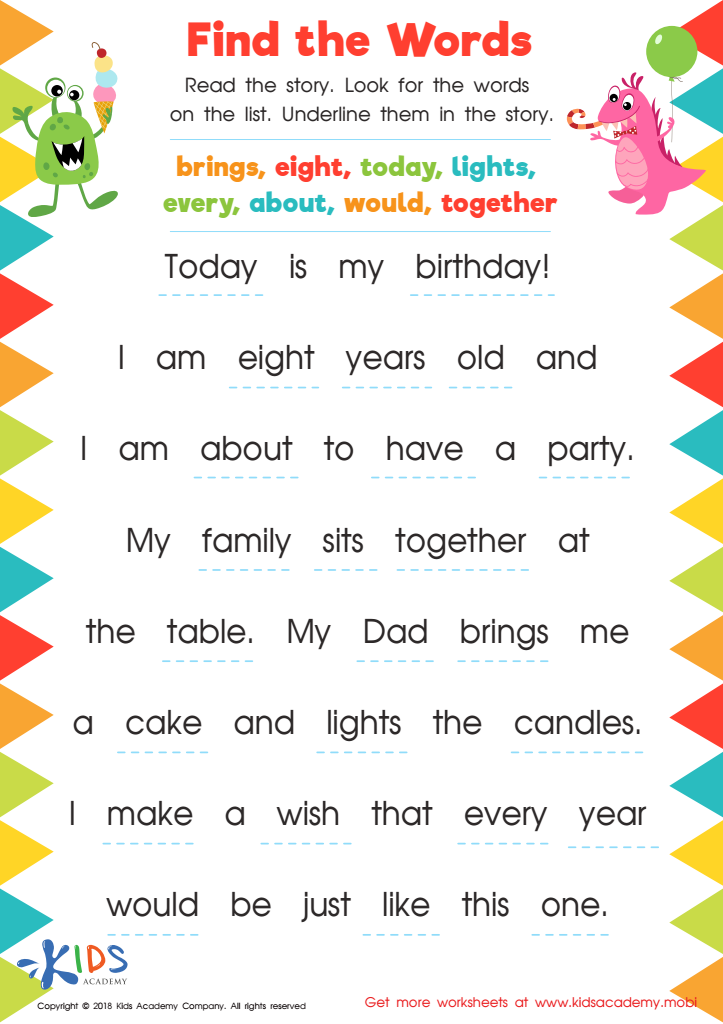
Find The Words Printable Worksheet
 Assign to My Students
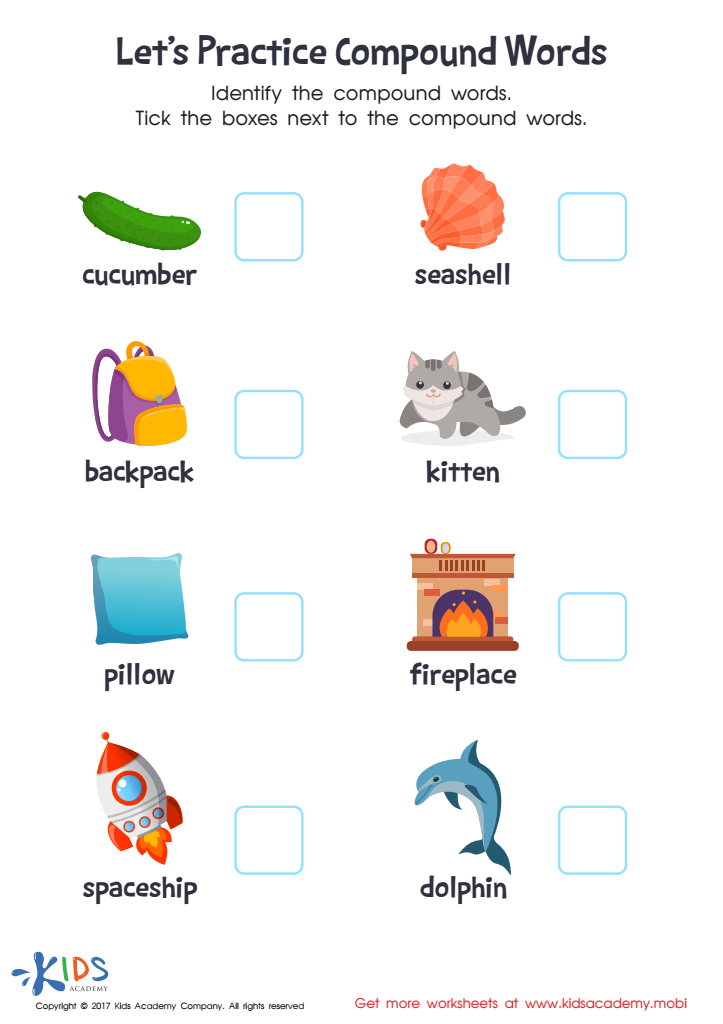
Let's Practice Compound Words Word Structure Worksheet
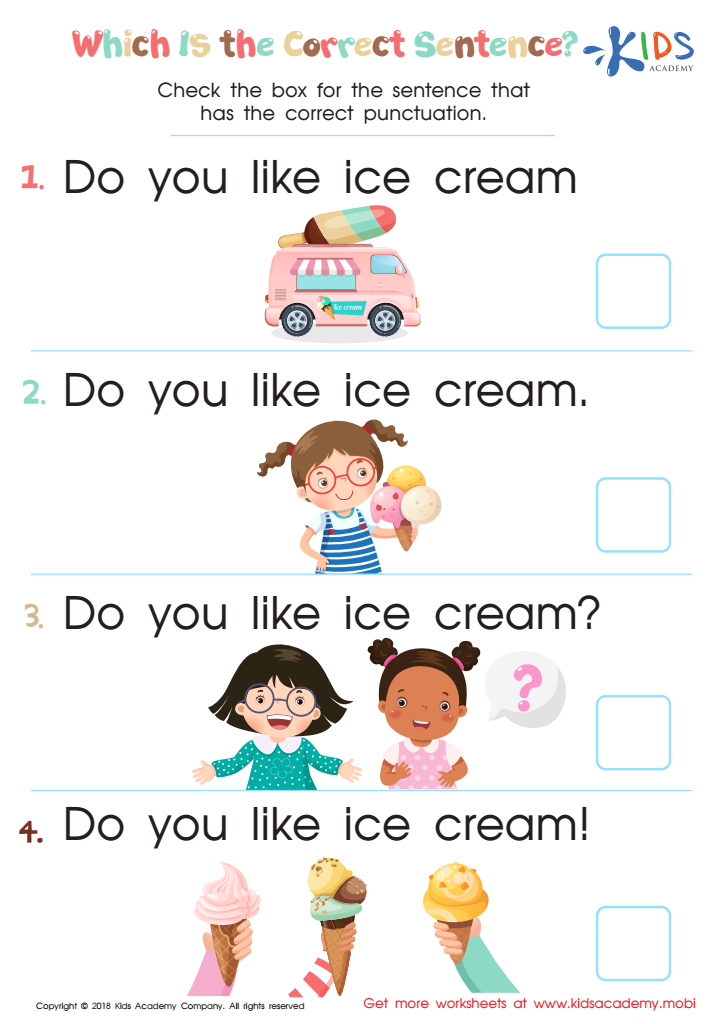
Which is the Correct Sentence? Worksheet

Red Tracing Color Words Printable
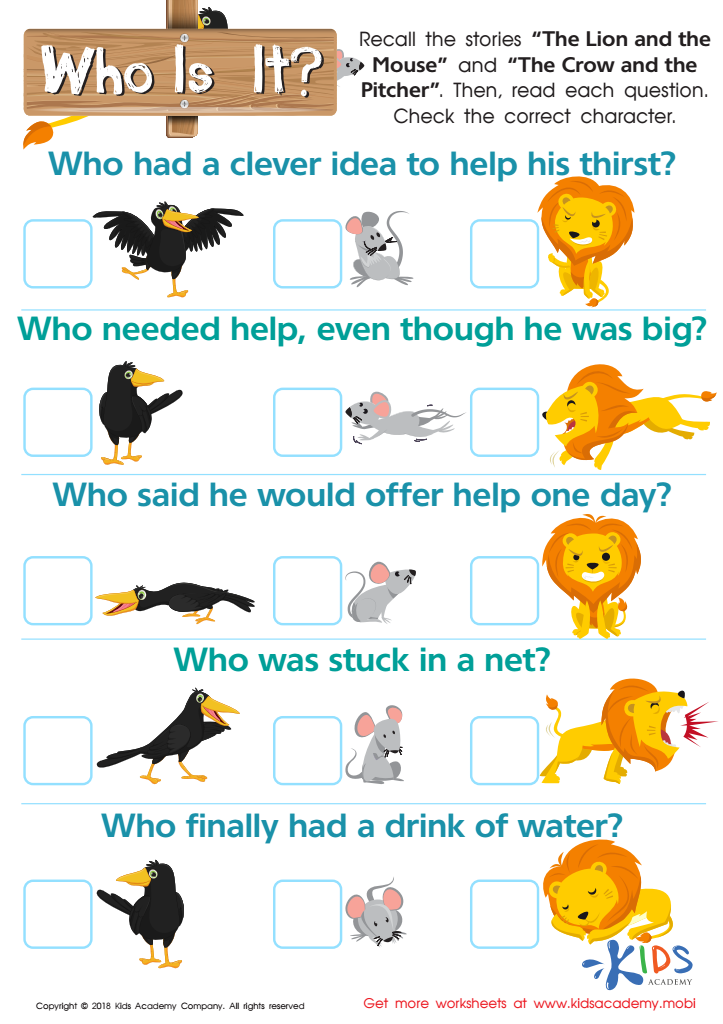
Who Is It? Worksheet
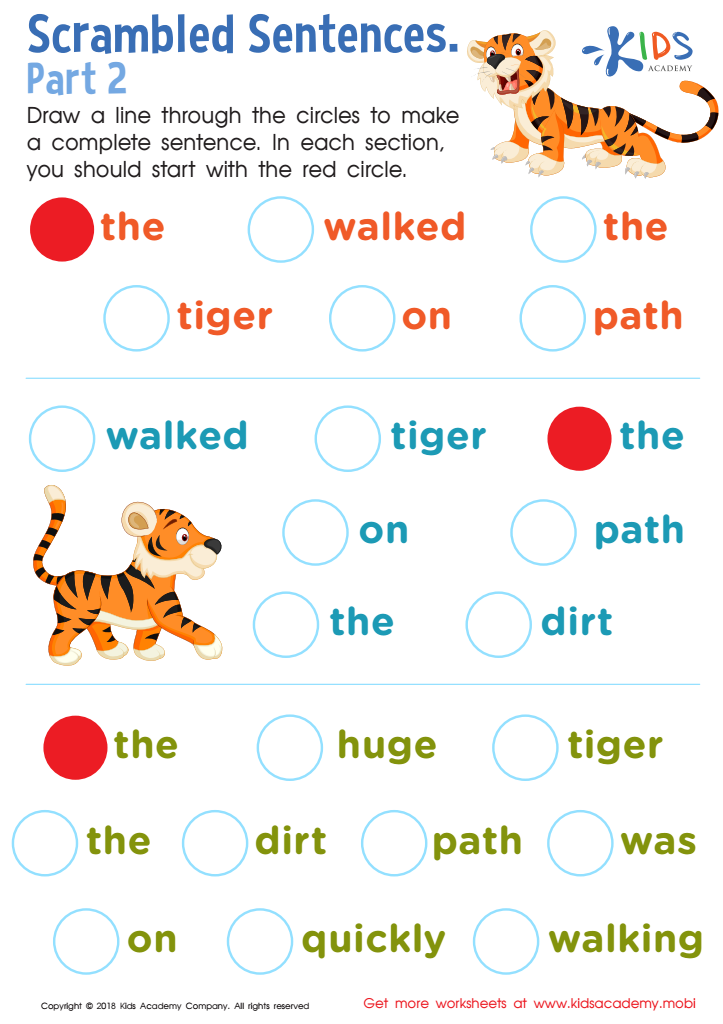
Scrambled Sentences Part 2 Worksheet








Cognitive development during ages 7-8 is crucial as children transition into more complex thought processes. At this stage, their ability to think logically, solve problems, and understand abstract concepts begins to flourish. Parents and teachers should care about this development because it directly influences a child’s learning capabilities and academic performance.
Children in this age group develop critical thinking and reasoning skills, which are essential for subjects like math and science. As they begin to understand cause-and-effect relationships and improve their memory, involving them in discussions and activities that stimulate these skills is vital. This not only fosters a love for learning but also builds confidence in their problem-solving abilities.
Moreover, emotional and social development is tied closely to cognitive growth. Parents and teachers can support this through guided interactions, encouraging effective communication, and collaborative play. By fostering a stimulating environment, both at home and in the classroom, we can help children achieve their cognitive milestones.
In summary, prioritizing cognitive development for ages 7-8 lays a strong foundation for lifelong learning, social skills, and emotional regulation, making it essential for parents and teachers to be actively engaged in their growth.