Reading proficiency Normal Writing Worksheets for Ages 7-8
3 filtered results
-
From - To
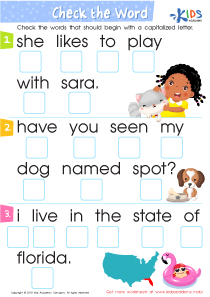
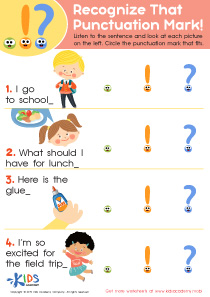
Unlock your child's reading potential with our Reading Proficiency Normal Writing Worksheets tailored for ages 7-8. Designed by education experts at Kids Academy, these engaging worksheets focus on enhancing comprehension, fluency, and critical thinking skills. Each activity encourages independent reading while providing structured practice in writing. Your second and third graders will build vocabulary, understand narrative structure, and develop a love for reading through fun exercises. Elevate your child's learning experience with our age-appropriate, curriculum-aligned content. Boost their confidence in reading and writing, setting a strong foundation for academic success. Explore our worksheets today and watch your child's proficiency soar!
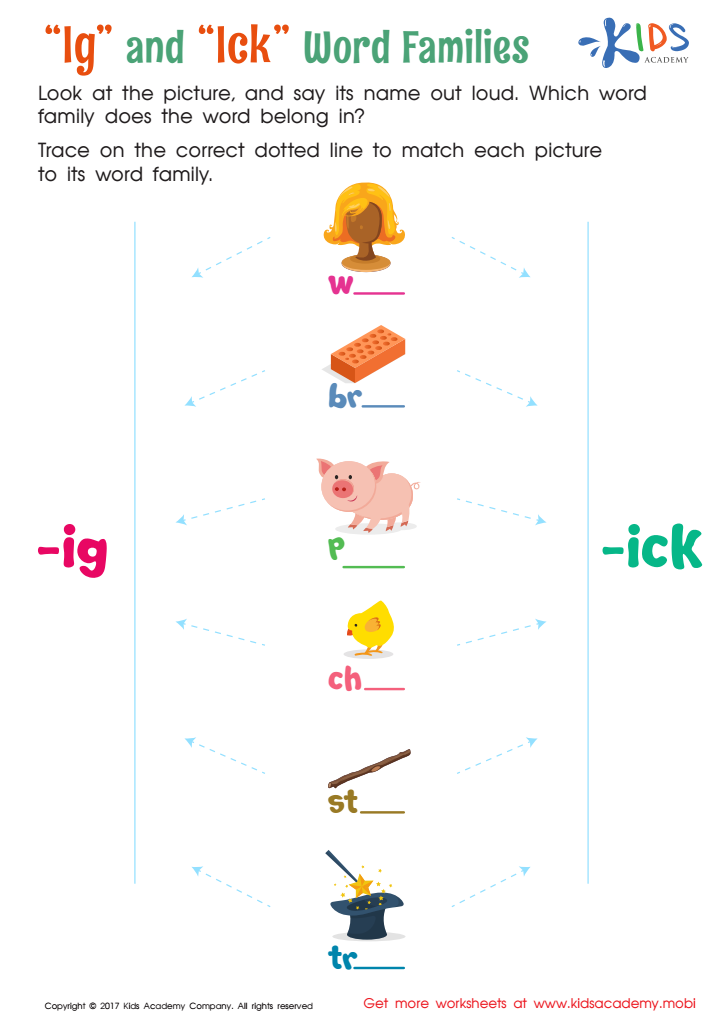
Words Families "ig" and "ick" Spelling Worksheet
 Assign to My Students
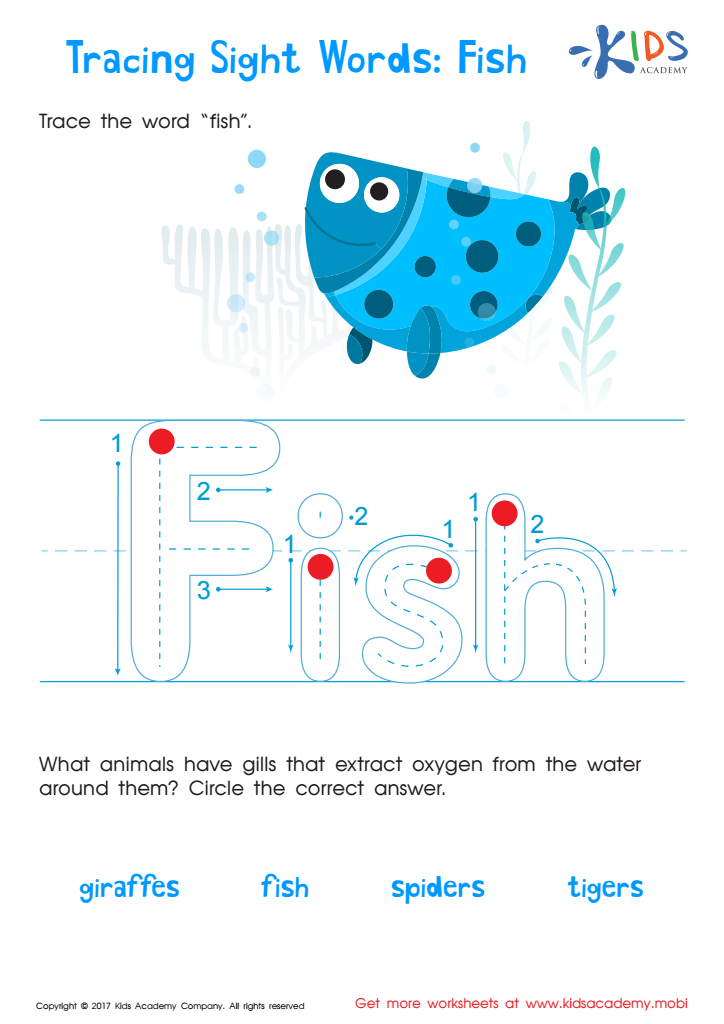
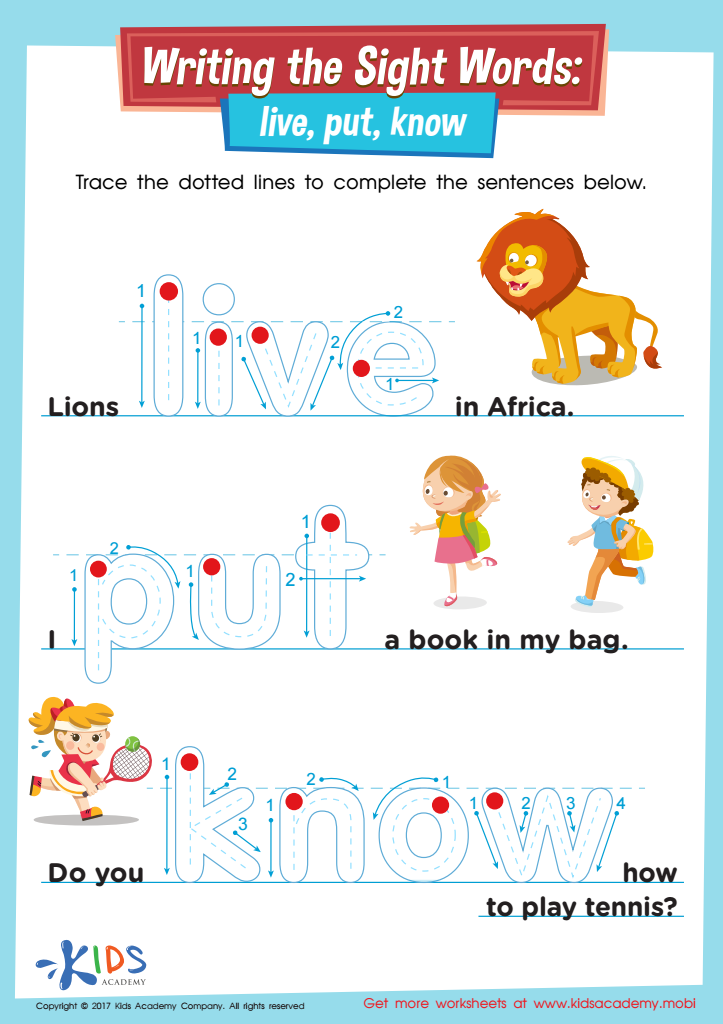
Live, Put, Know Printable Sight Words Worksheet







.jpg)
Teaching reading proficiency to children ages 7-8 is crucial for their overall academic and social development. At this age, students transition from learning to read to reading to learn. Proficient reading skills are fundamental for understanding a wide range of subjects, including science, mathematics, and social studies. When children can read effectively, their vocabulary and comprehension skills improve, enabling them to grasp complex ideas and broaden their knowledge.
Parents and teachers should care about a child’s reading skills because these skills strongly influence future success. Research has shown that students who are not proficient readers by third grade are less likely to excel in later grades. This lag can affect their self-esteem and academic confidence, potentially leading to increased dropout rates and decreased job prospects later in life. Engaged and supportive adults can make a significant difference by providing children with the time and resources they need to practice reading.
Moreover, reading proficiency enhances critical thinking and creativity. Interacting with different texts allows children to experience diverse cultures, ideas, and perspectives, fostering empathy and a broader understanding of the world. By prioritizing reading proficiency, parents and teachers contribute significantly to a child's lifelong learning journey.