Reading Skills Normal Writing Worksheets for Ages 7-8
6 filtered results
Difficulty Level
Grade
Age
-
From - To
Subject
Activity
Standards
Discover our engaging "Reading Skills Normal Writing Worksheets" designed specifically for children ages 7-8. These worksheets aim to enhance young learners' reading comprehension and writing abilities through fun, age-appropriate activities. Each worksheet encourages kids to explore various reading skills, including vocabulary development, narrative construction, and scene description, fostering a strong foundation for literacy. With appealing visuals and interactive prompts, students can practice their writing while reinforcing their understanding of texts. Ideal for classroom use or at-home learning, our worksheets can help cultivate a love for reading and writing in your child while developing essential skills needed for academic success.
Favorites
With answer key
Interactive
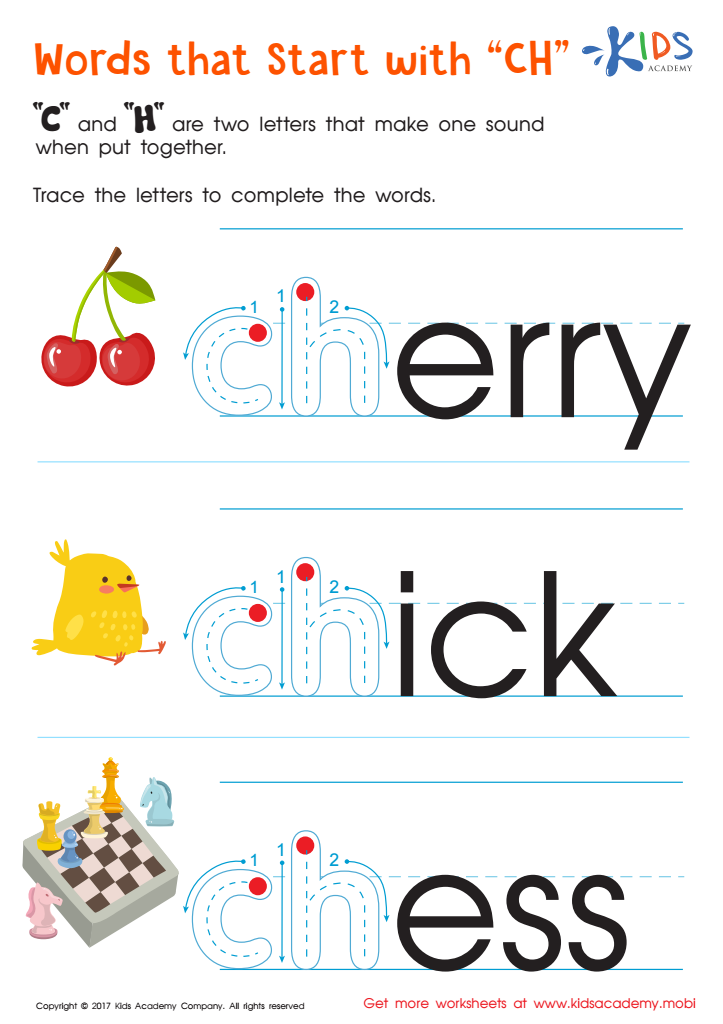
Words That Start with "ch" Spelling Worksheet
With Kids Academy, learning phonics and spelling has never been easier.
Kids Academy's "ch" tracing worksheet makes it easy for your little one to learn phonics and spelling. It features cute, brightly colored images to help them trace familiar words, making learning fun and enjoyable.
 Assign to My Students
Words That Start with "ch" Spelling Worksheet
Worksheet
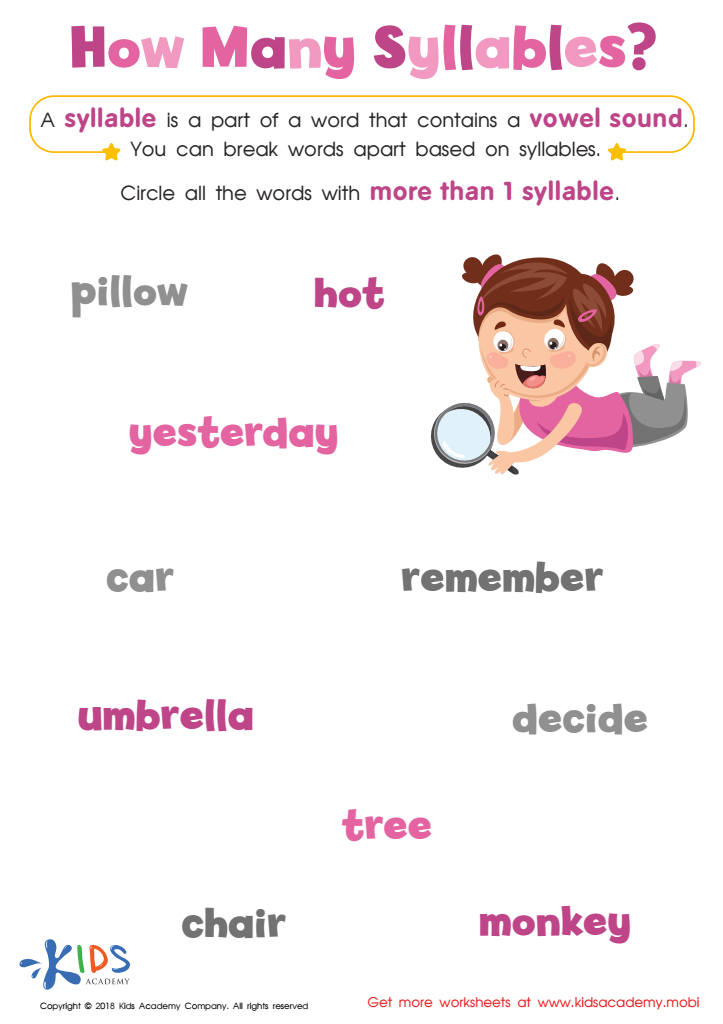
Reading: How Many Syllables Worksheet
This worksheet helps students practice counting syllables. They read each word, count the syllables, and circle single-syllable words. Mastering this skill helps with fluency and comprehension, so it's worth the effort! Use this printout to clear up any confusion.
Reading: How Many Syllables Worksheet
Worksheet
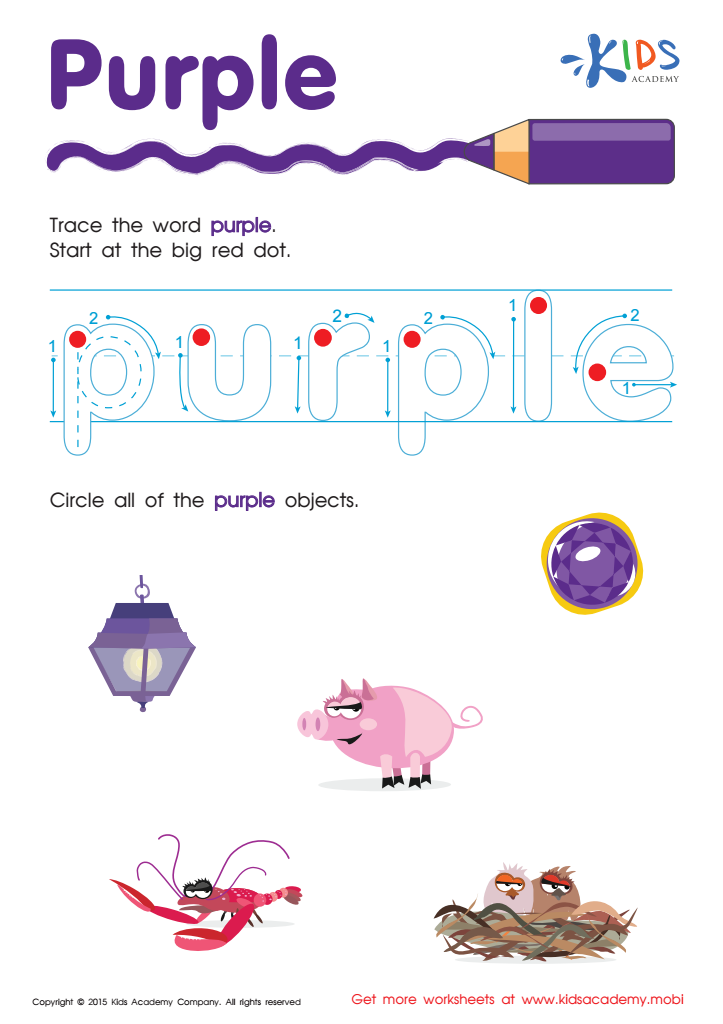
Purple Tracing Color Words Worksheet
Help your kindergartener practice their handwriting with this fun, free printable. They'll trace and color the word “purple”, starting at the big red dots, and pick out and circle all the purple objects they see. They'll get to train their fine motor muscles while having fun! Check out here for more handwriting practice.
Purple Tracing Color Words Worksheet
Worksheet
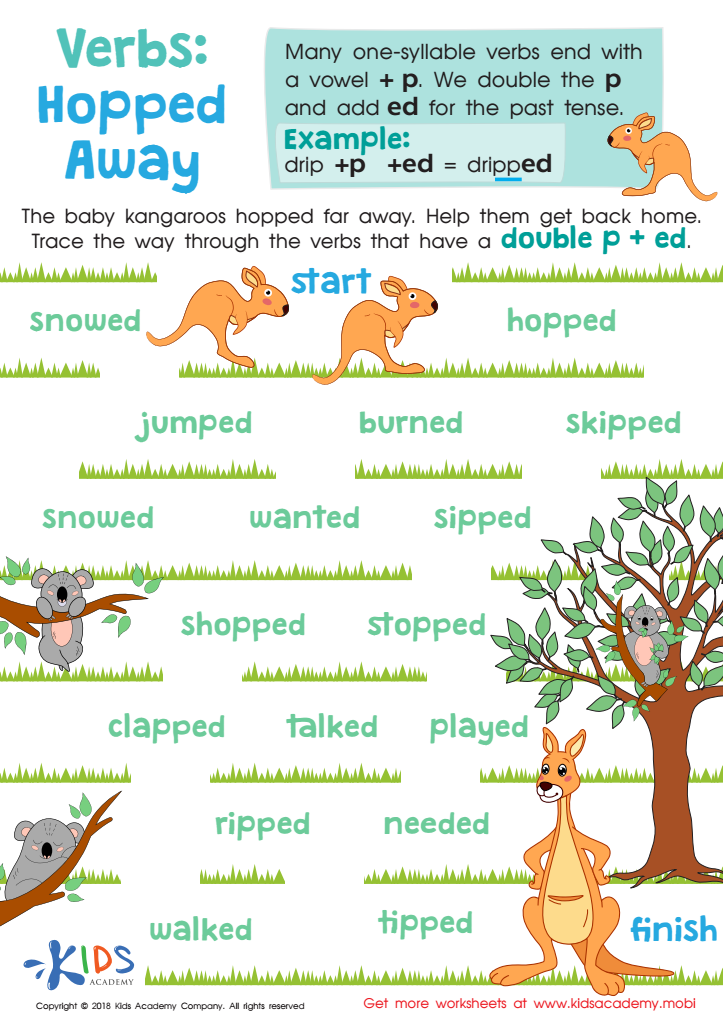
Verbs: Hopped Away Worksheet
Help your child conquer their spelling confusion with this free downloadable worksheet! Kids will have fun helping the baby kangaroos hop to the finish line by finding past tense words with double letters. Trace a line to guide them back home!
Verbs: Hopped Away Worksheet
Worksheet
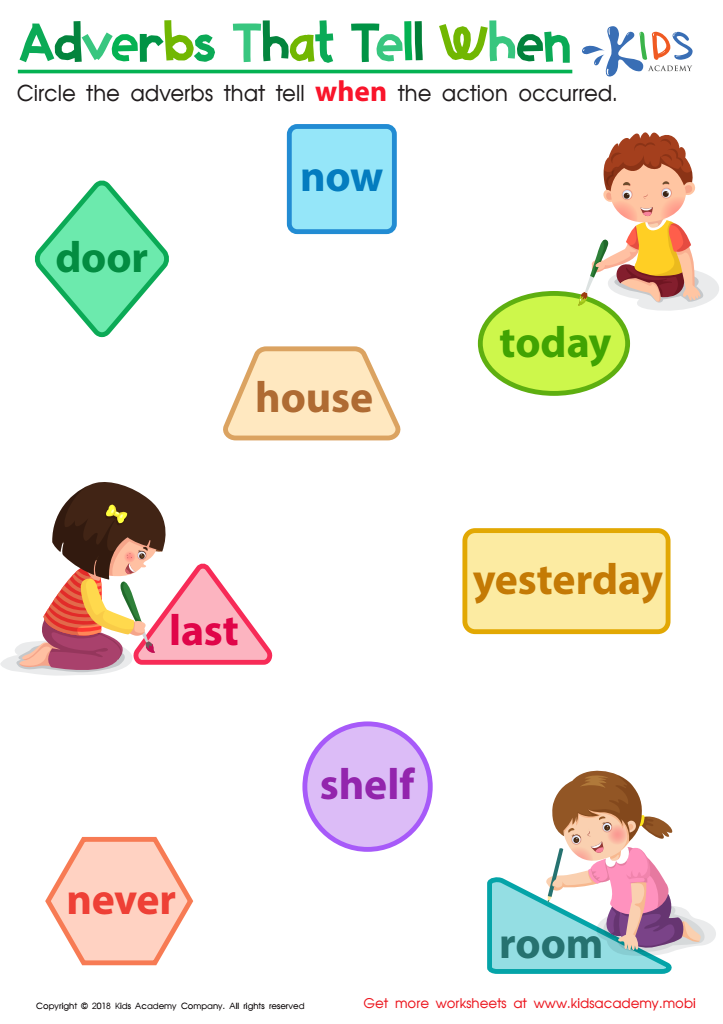
Adverbs That Tell us When Worksheet
Explain to your kids what an adverb is - a word which adds meaning to a verb - and provide simple examples. Ask them if they can also give examples. Now, help them circle adverbs which tell the time when an action occurred in this worksheet.
Adverbs That Tell us When Worksheet
Worksheet
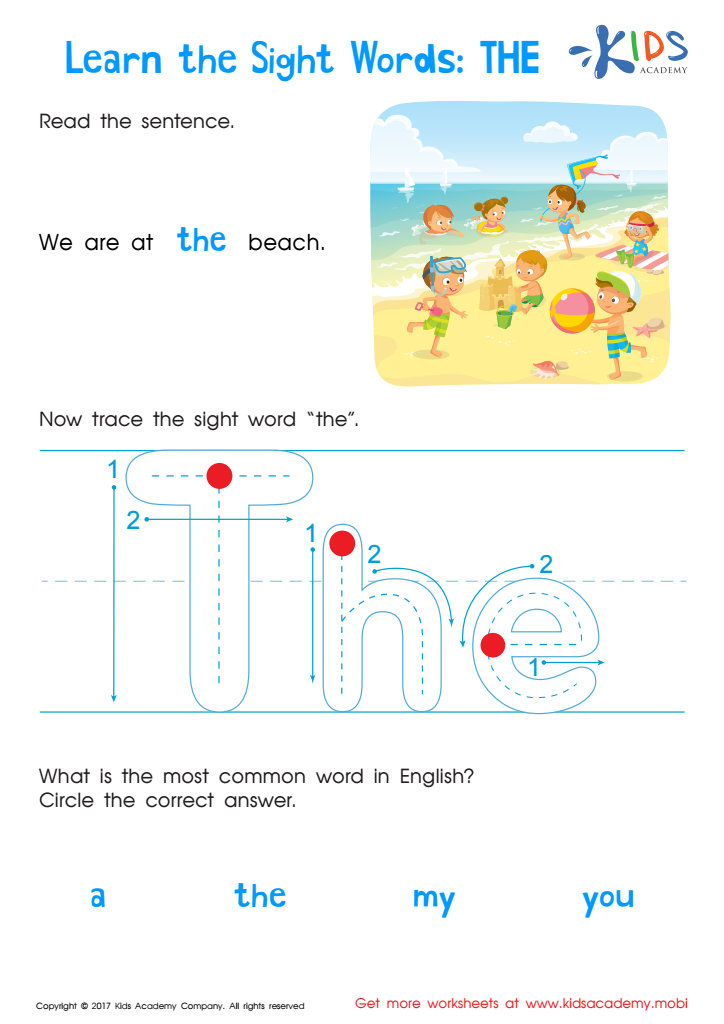
Sight Words: The Worksheet
Get the worksheet and start now.
The word "the" is an essential part of English. Teaching your child to read and write it is easy with this sight words worksheet. They'll practice reading the word, tracing it, and using it in sentences. It's the perfect way to take your child's language skills to the next level! Get the worksheet today.
Sight Words: The Worksheet
Worksheet
Join Kids Academy for Free
Who is primarily going to use this learning content?







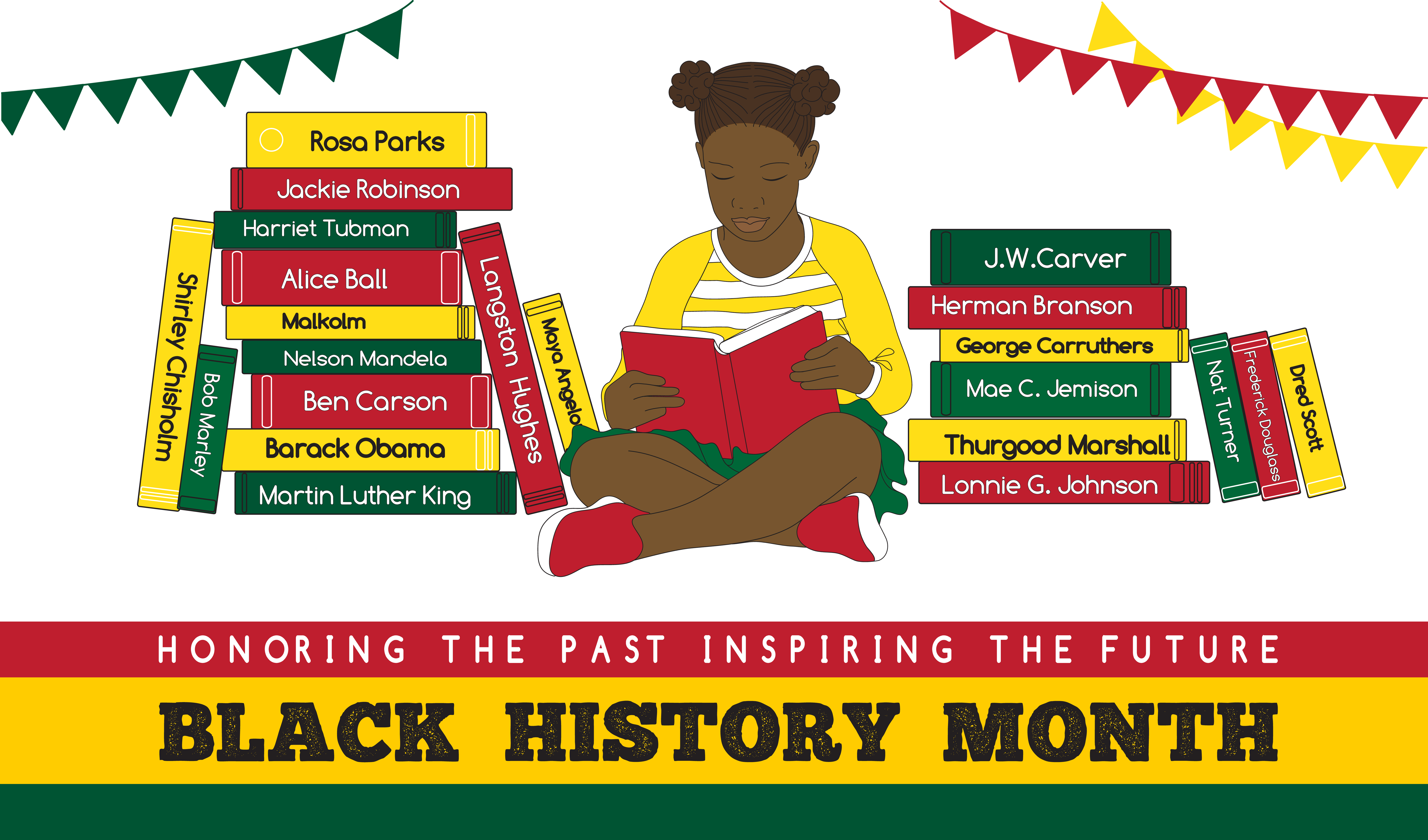
Reading skills are crucial for children aged 7-8, as this stage represents a significant transition in their literacy development. At this age, children shift from learning to read to reading to learn. Strong reading skills empower them to access information, comprehend various texts, and engage with the world around them. Parents and teachers should care about these skills because they are foundational for academic success and overall cognitive development.
Reading well enables children to explore diverse subjects, enhancing their curiosity and critical thinking. It also fosters imagination and creativity, as they encounter different narratives and perspectives. Encouraging strong reading habits cultivates a love for literature, which can lead to lifelong learning.
Moreover, reading proficiency is linked to improved communication skills and vocabulary acquisition, essential tools for effective interaction. Children who struggle with reading may experience frustration and disengagement from learning, hindering their educational journey.
By actively supporting and nurturing reading skills, parents and teachers can lay a solid groundwork for their children's future, ensuring they become confident and competent learners. Investing time and resources in reading also contributes to a child’s emotional development, facilitating better understanding and expression of their thoughts and feelings.