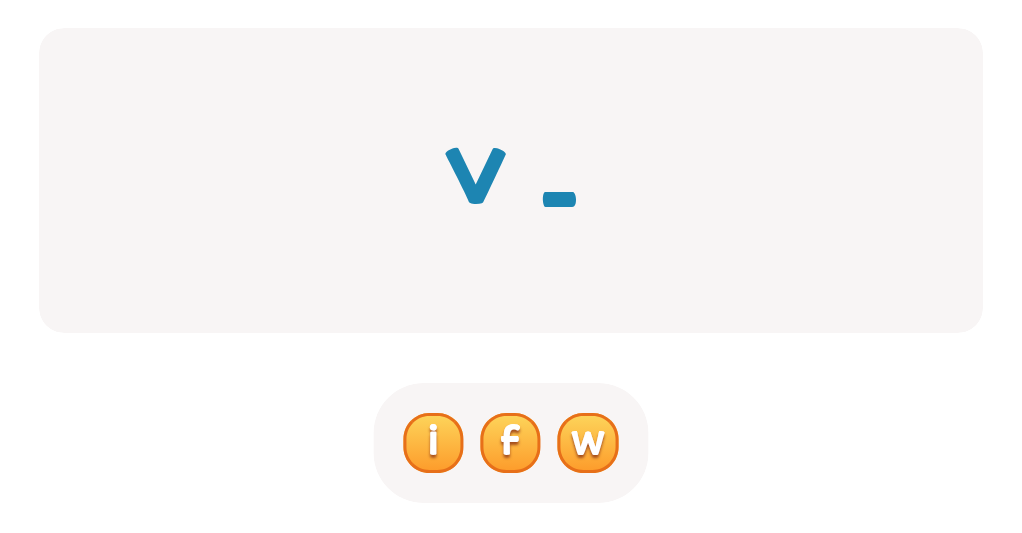
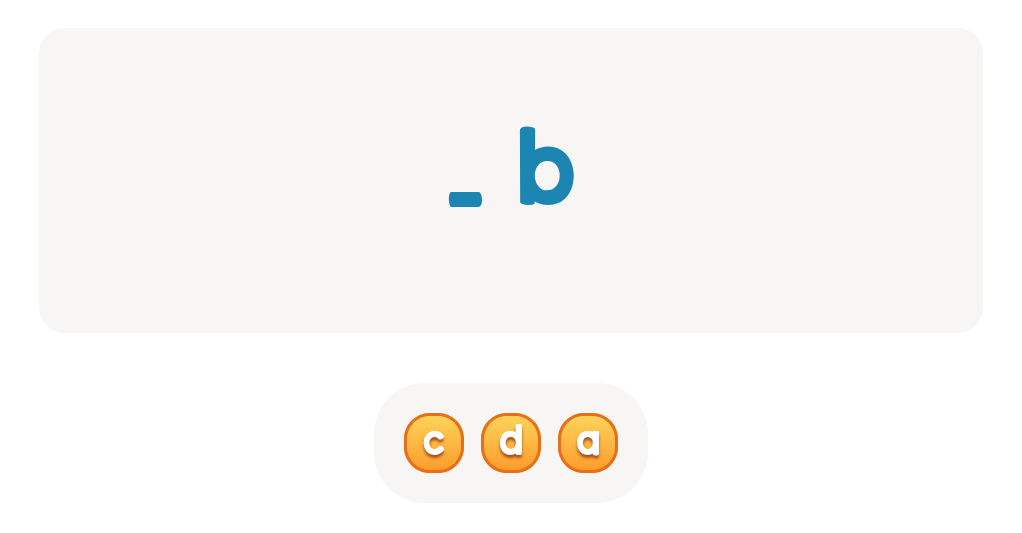
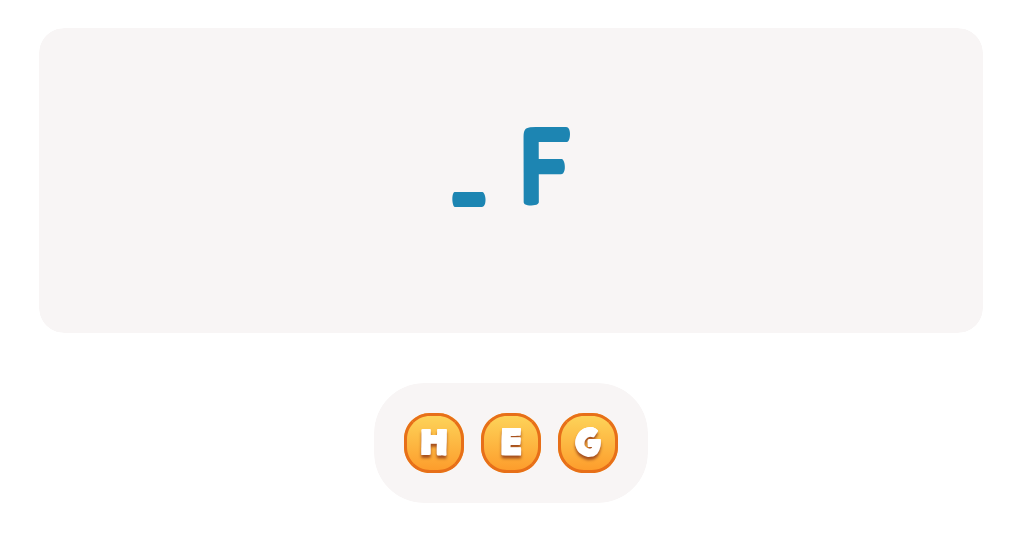
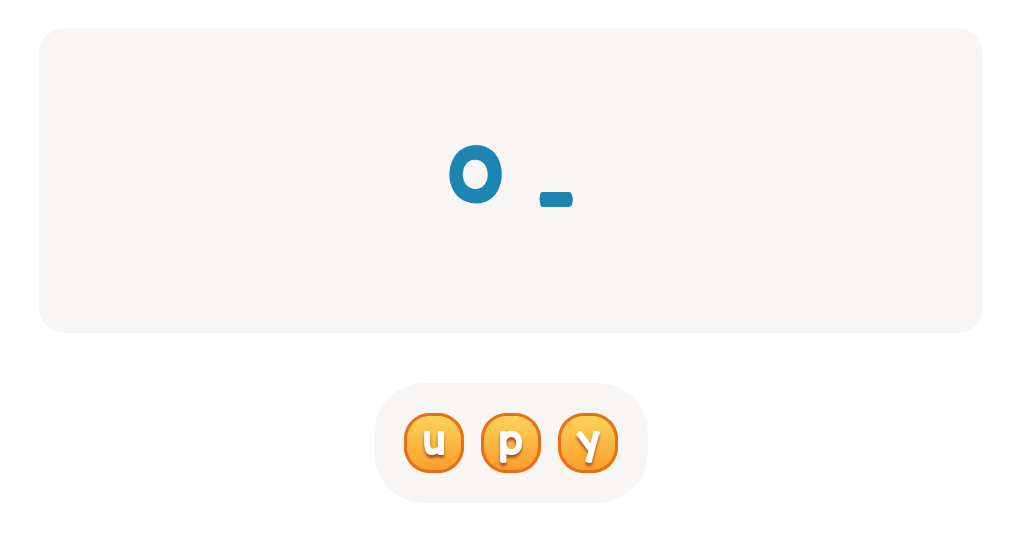
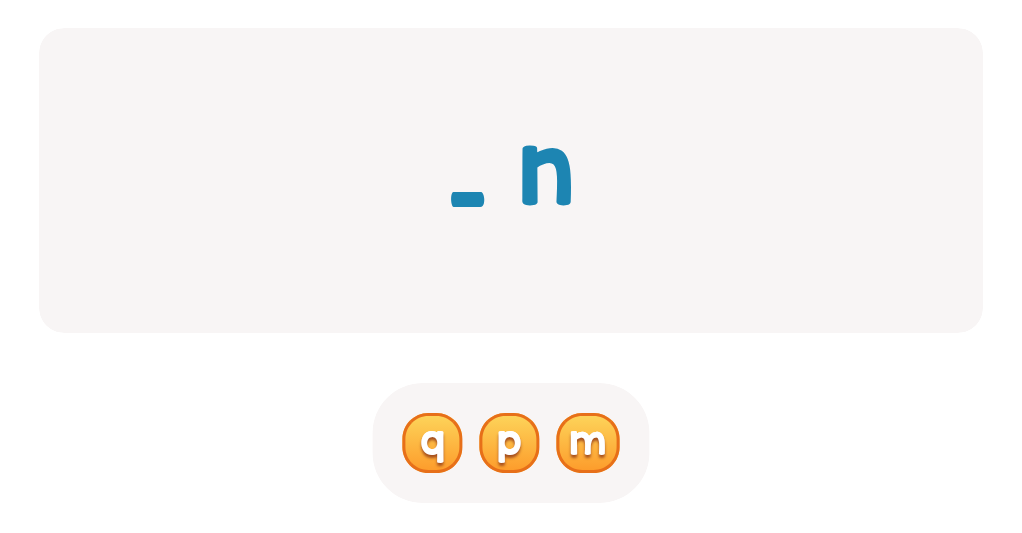
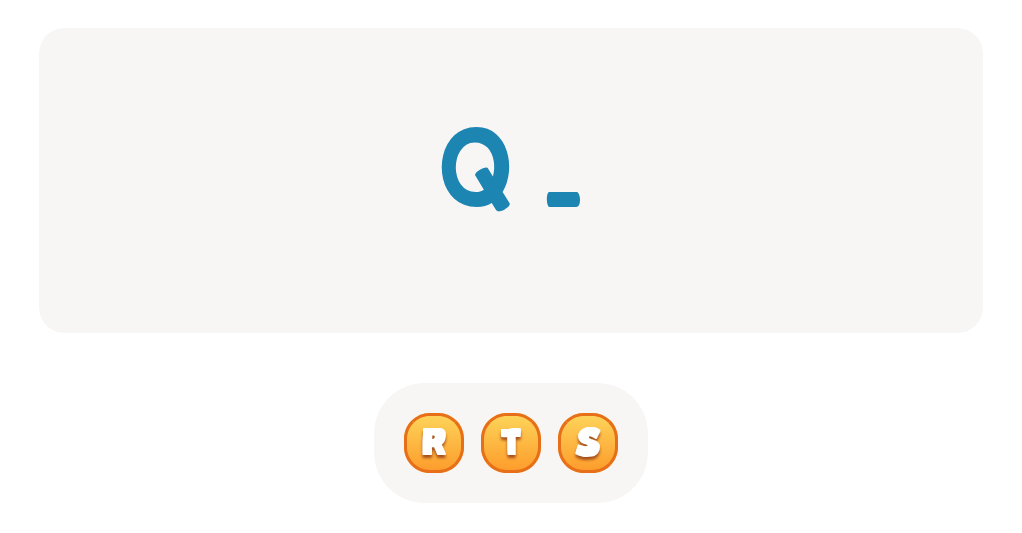
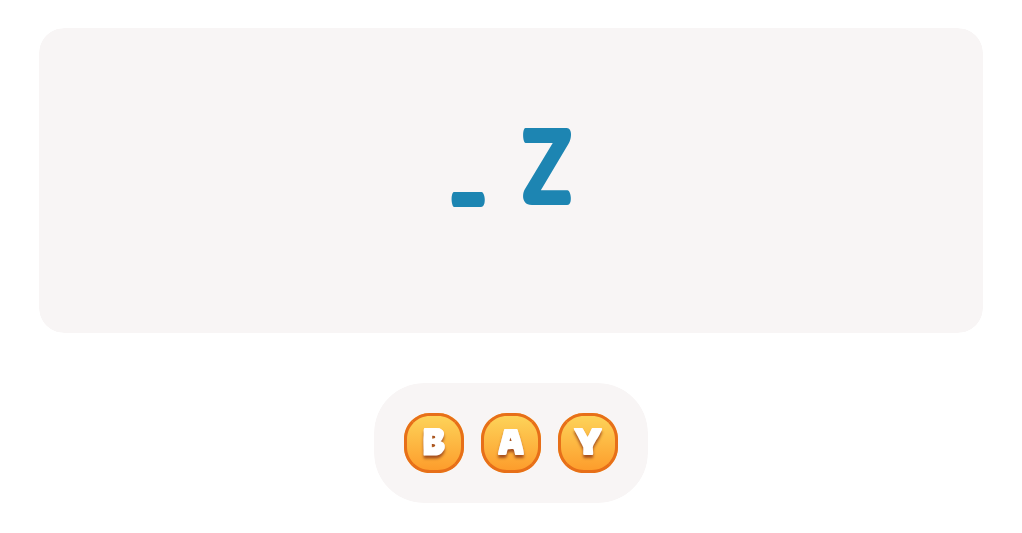
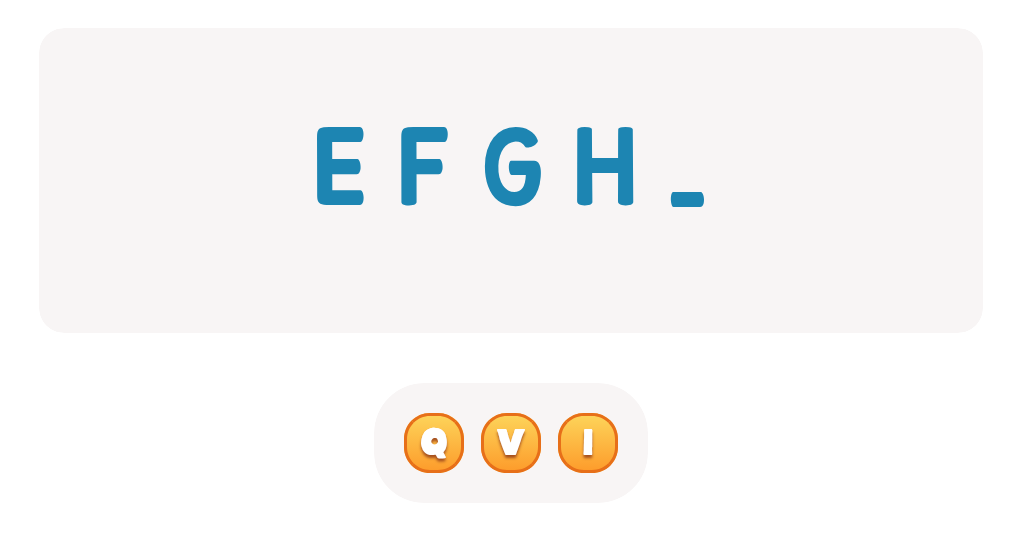
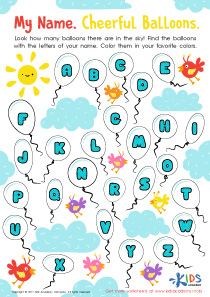
Our "Alphabet Recognition Normal ABC Order Worksheets for Ages 7-9" provide engaging and educational activities to enhance alphabet knowledge. Designed by educational specialists, these worksheets help children practice placing letters in the correct sequence, reinforcing their learning and boosting reading readiness. With fun, colorful exercises, kids can develop accuracy and confidence in recognizing and ordering the alphabet. Perfect for both classroom and home use, our resources support effective learning for young students, promoting academic success. Empower your child’s literacy journey today with our expertly crafted ABC worksheets tailored for ages 7-9!

Check out this FREE Trial Lesson on ABC Order for age 7-9!

J

Favorites
With answer key
Interactive
  • 7-9
  • Alphabet Recognition
  • ABC Order
  • Normal
Letter O worksheets
Letter O worksheets

Letter O Tracing Page

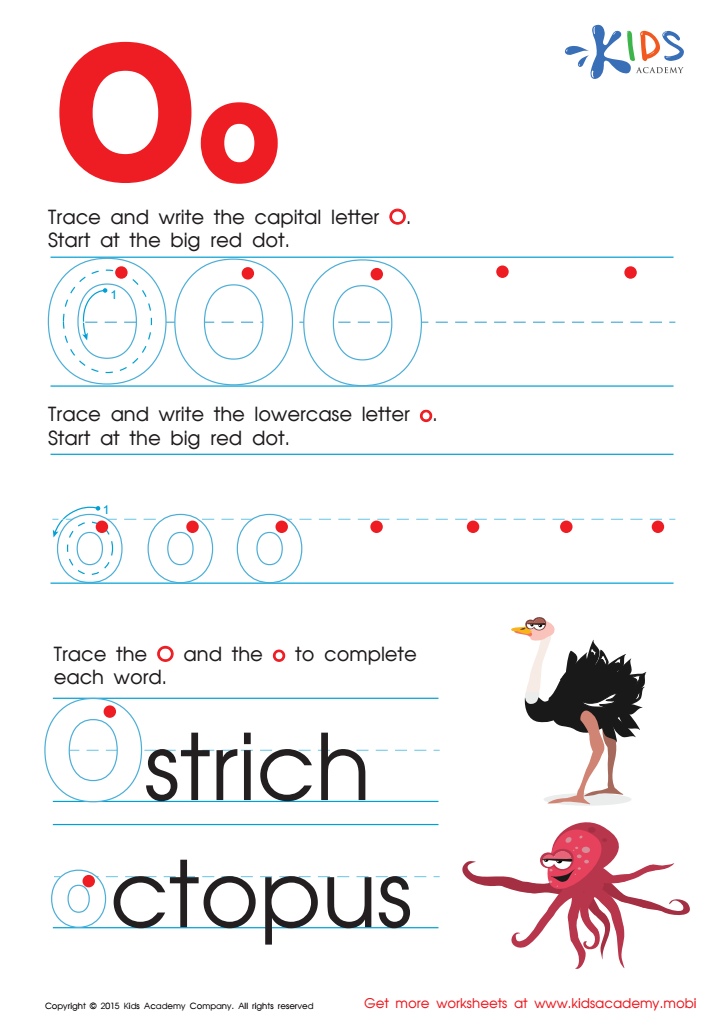
Practice writing the letter "O" with our new worksheet. Trace and write the letter several times, starting at the red dot. First do the uppercase letter, then the lowercase. Use the pictures to complete the words "Ostrich" and "octopus". Kids Academy offers more fun alphabet worksheets.
Letter O Tracing Page
Worksheet
Letter I worksheets
Letter I worksheets

Letter I Tracing Page

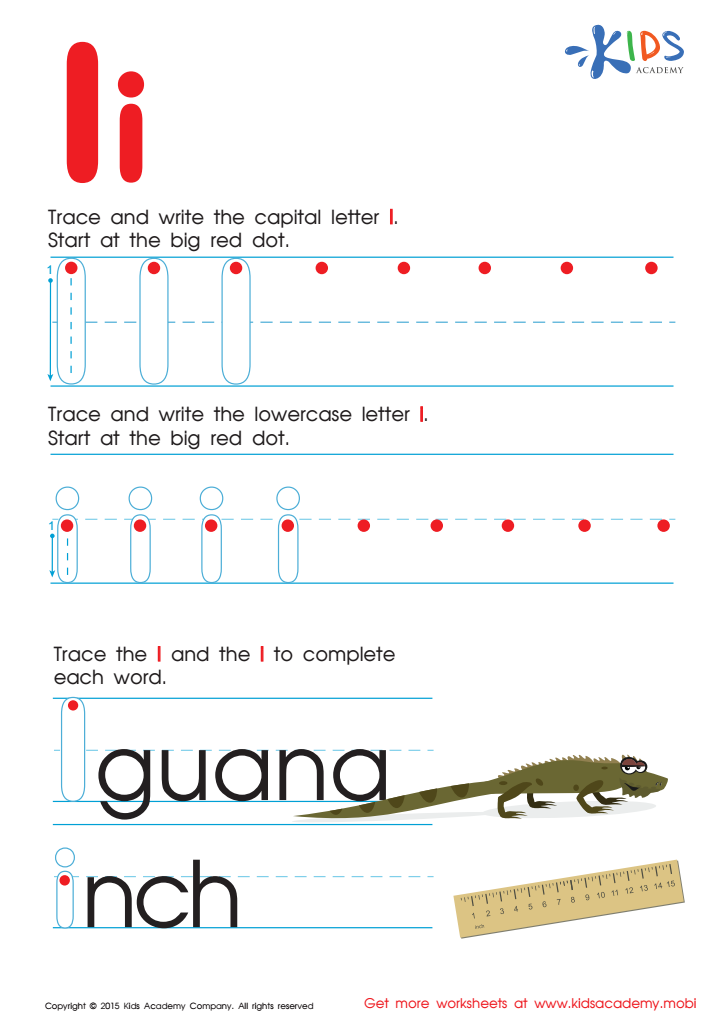
Trace and write "I" uppercase and lowercase. An iguana's tail looks like the uppercase "I" and the lowercase "i" is as small as an inch. Make learning fun with Kids Academy worksheets.
Letter I Tracing Page
Worksheet
letter C worksheets
letter C worksheets

Letter C Tracing Page

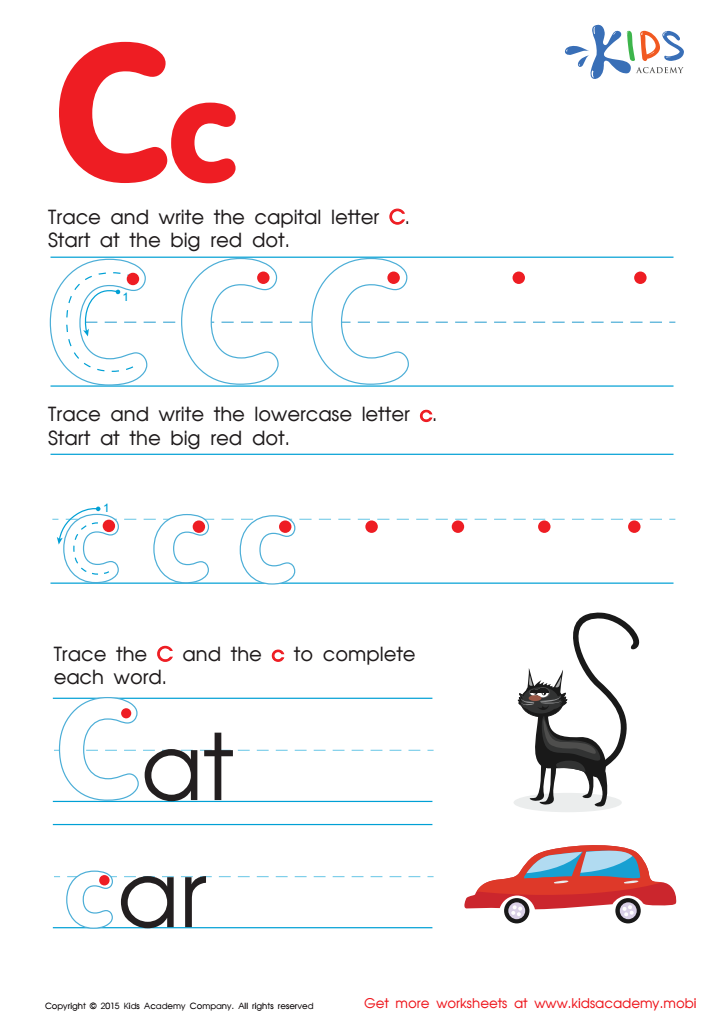
Trace and write the letter 'C'! Put the pencil at the red dot then follow the lines – the capital letter first then the lowercase one. Cats love it and so will you! Get more free printables to practice tracing and writing.
Letter C Tracing Page
Worksheet
Letter М worksheets
Letter М worksheets

Letter M Tracing Page

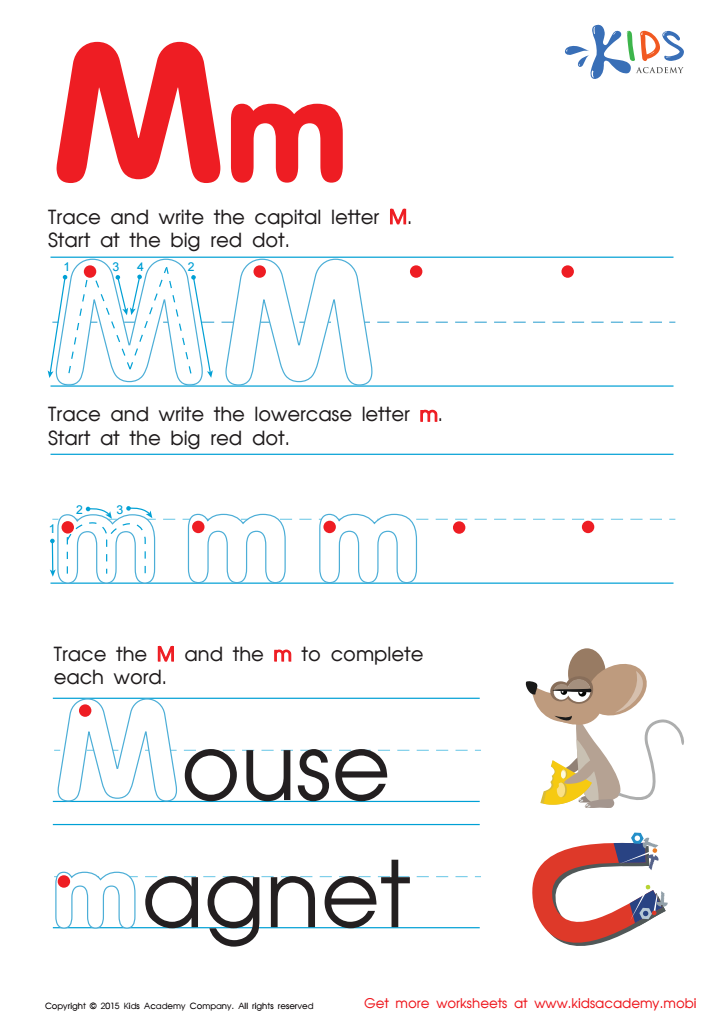
Trace and write the letter "M" to help kids learn the alphabet. Start at the red dot and practice several times. Trace the capital letter first, then move on to the lowercase. Complete words like "mouse" and "magnet" in the further exercise. Get more free printables here.
Letter M Tracing Page
Worksheet
Letter J worksheets
Letter J worksheets

Letter J Tracing Page

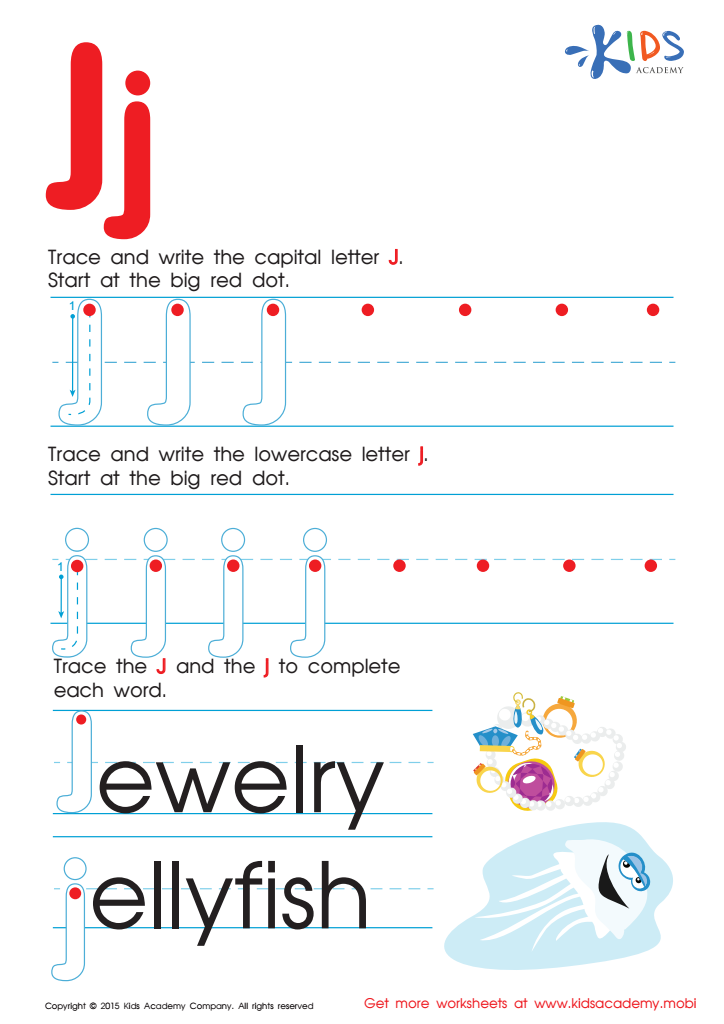
Trace and write the letter "J" with our ABC worksheet - start at the big red dot! Have fun completing words like jewelry, jellyfish and more. Check out our kindergarten activities for more alphabet practice.
Letter J Tracing Page
Worksheet
Letter N worksheets
Letter N worksheets

Letter N Tracing Page

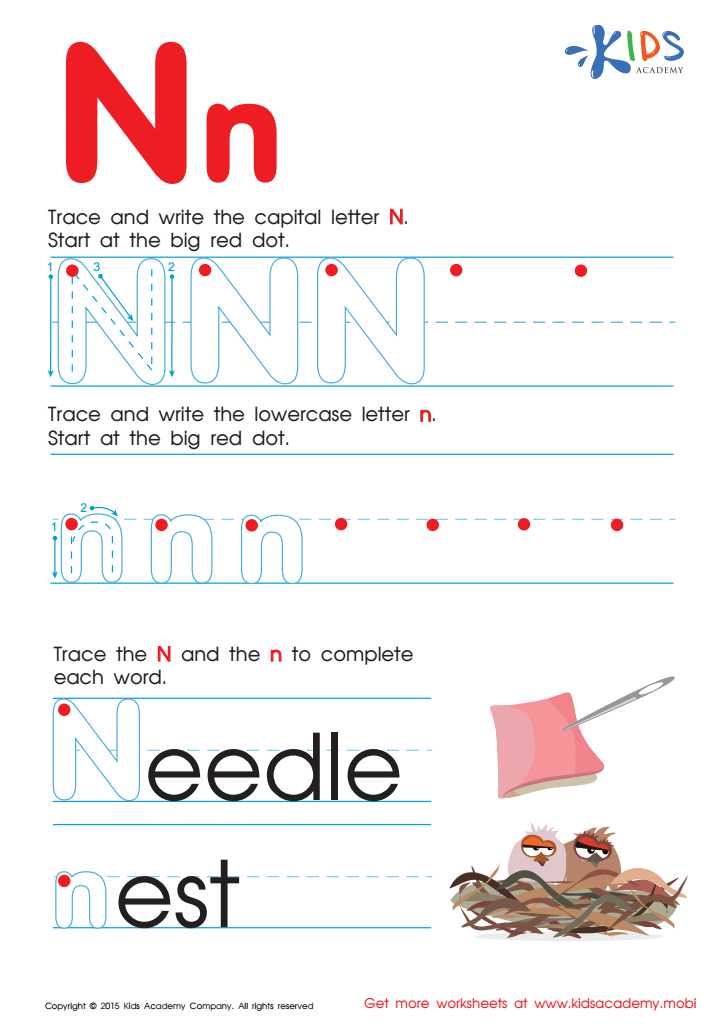
Trace and write capital "N" and lowercase "n" several times. Then try forming words like "needle" and "nest". Master letter writing with Kids Academy's collection of ABC worksheets for kindergarten.
Letter N Tracing Page
Worksheet
letter b worksheets
letter b worksheets

Letter B Tracing Page

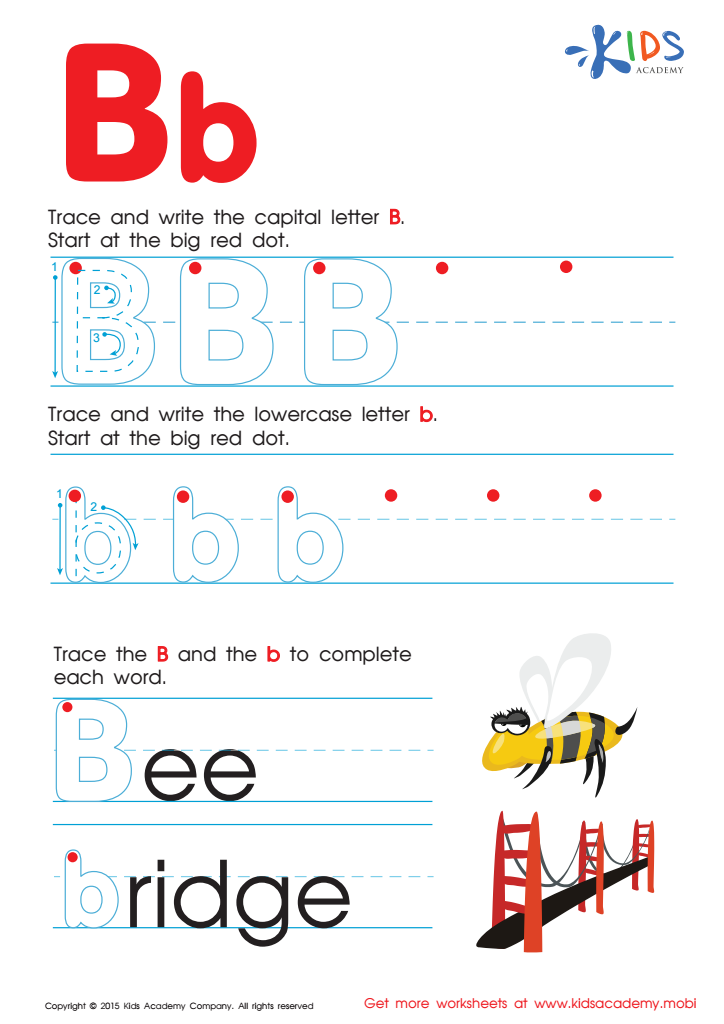
Ready to learn the Alphabet? Put your pencil on the red dot and trace & write both capital & lowercase "B". Then have a look at the pictures. Catch the bee, cross the bridge & write the letters to complete the words. More ABC worksheets for kindergarten available!
Letter B Tracing Page
Worksheet
letter e worksheets
letter e worksheets

Letter E Tracing Page

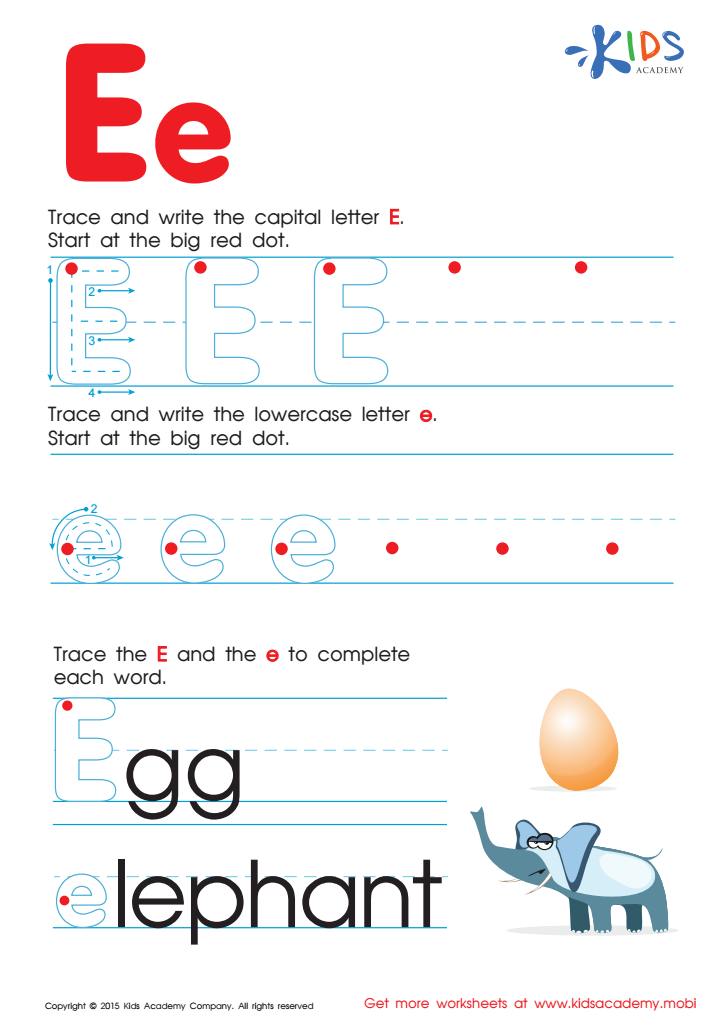
Trace and write the uppercase and lowercase "E" starting at the big red dot. Complete words to perfect letter writing. Egg and Elephant must be written carefully. More alphabet worksheets for kindergarten are available for download to spend more time with your children learning.
Letter E Tracing Page
Worksheet


Alphabet recognition in normal ABC order is crucial for children aged 7-9 for several key reasons. First and foremost, it directly supports literacy development. Recognizing and understanding the sequence of the alphabet enhances a child's reading and writing skills. It helps them comprehend the structure of words and how they are formed, making it easier to learn new words, spell correctly, and decode unfamiliar words during reading.

Secondly, alphabet recognition fosters cognitive development and memory. Children are often expected to remember and recall information in a specific order in various academic activities. Alphabetical knowledge trains their brain to organize, store, and retrieve information efficiently.

Moreover, being adept at the alphabet aids in organizational skills. Many educational tools, such as dictionaries, indexes, and libraries, are arranged alphabetically. Proficiency in ABC order allows children to navigate these resources independently, supporting their overall learning process.

Finally, early mastery of the alphabet boosts a child’s confidence. They feel more competent and capable in school, which enhances their willingness to participate and take on new challenges. As a result, parents and teachers who prioritize alphabet recognition are setting children up for long-term academic success and a positive attitude toward learning.