Motor skills development Normal ABC Letters Worksheets for Ages 7-9
3 filtered results
-
From - To
Enhance your child's motor skills with our engaging "Motor Skills Development Normal ABC Letters Worksheets" designed specifically for ages 7-9. These printable worksheets offer a fun and interactive way for children to practice letter formation, improve hand-eye coordination, and boost fine motor skills. Each activity is crafted to captivate young minds while supporting their learning process. From tracing letters to completing creative tasks, every worksheet encourages skill development in an enjoyable way. Discover the perfect balance of education and fun, helping your child gain confidence in their writing abilities while laying a strong foundation for future learning success. Explore our collection today!

Letter H Tracing Page










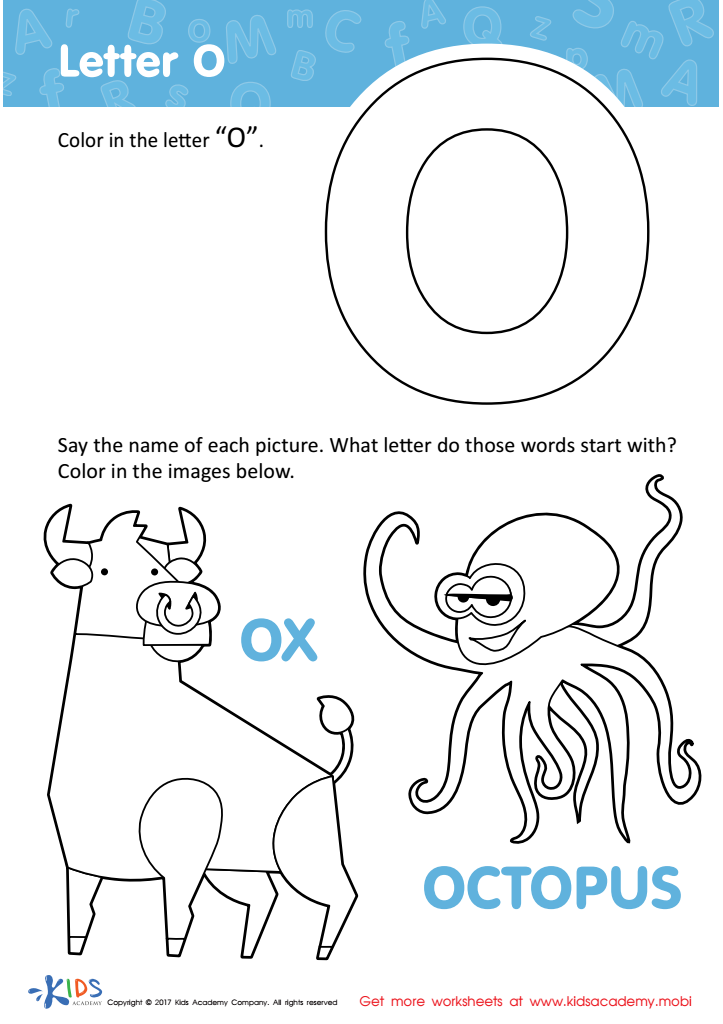
Letter O Coloring Sheet
 Assign to My Students
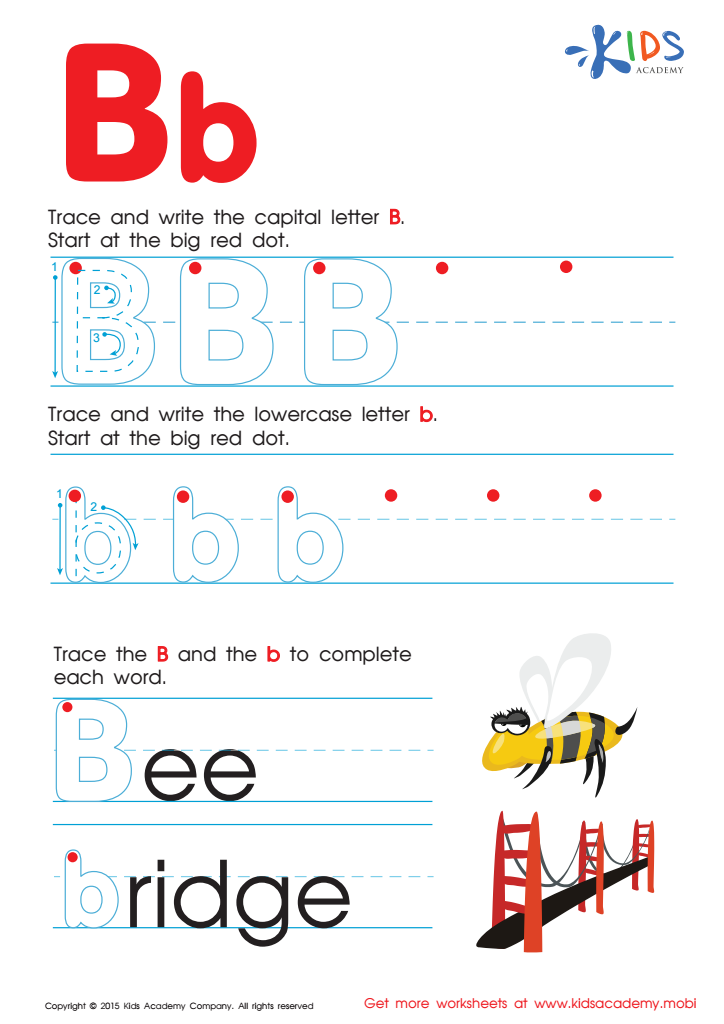
Letter B Tracing Page







Motor skills development is crucial for children aged 7-9 as it significantly impacts their overall growth, learning, and daily activities. During these years, children are refining their coordination and dexterity, which are essential for various tasks, including academic performance and social interactions. Proficiency in motor skills contributes to a child’s ability to write legibly — forming letters correctly, spacing words appropriately, and maintaining consistent size.
When children struggle with these skills, it can lead to frustration, impacting their self-esteem and willingness to engage in schoolwork. Teachers and parents should prioritize this development as it lays a foundation for more complex tasks in later years, such as typing or engaging in detailed crafts and sports, fostering a sense of accomplishment and confidence.
Additionally, good motor skills contribute to physical fitness and health. Encouraging activities like drawing, crafting, and playing structured sports cultivates these skills. Understanding that motor skill development is integral to academic readiness, confidence, and overall well-being, families and educators can work together to provide engaging and supportive environments where children flourish both physically and cognitively. Thus, prioritizing motor skills development is an investment in a child’s lifelong success.







