Vowel Recognition Normal ABC Letters Worksheets for Ages 7-9
3 filtered results
-
From - To
Enhance your child's reading skills with our engaging "Vowel Recognition Normal ABC Letters Worksheets," tailored for ages 7-9. These printable worksheets provide a fun and effective way for young learners to identify and practice vowels within the alphabet. With a variety of exercises, including matching, fill-in-the-blank, and coloring activities, children will develop a solid understanding of vowel sounds and their significance in language. Perfect for reinforcing classroom learning or supplementing at-home education, these worksheets will make vowel exploration an enjoyable adventure. Foster your child's literacy skills today with our comprehensive resources designed to build confidence and a love of reading!
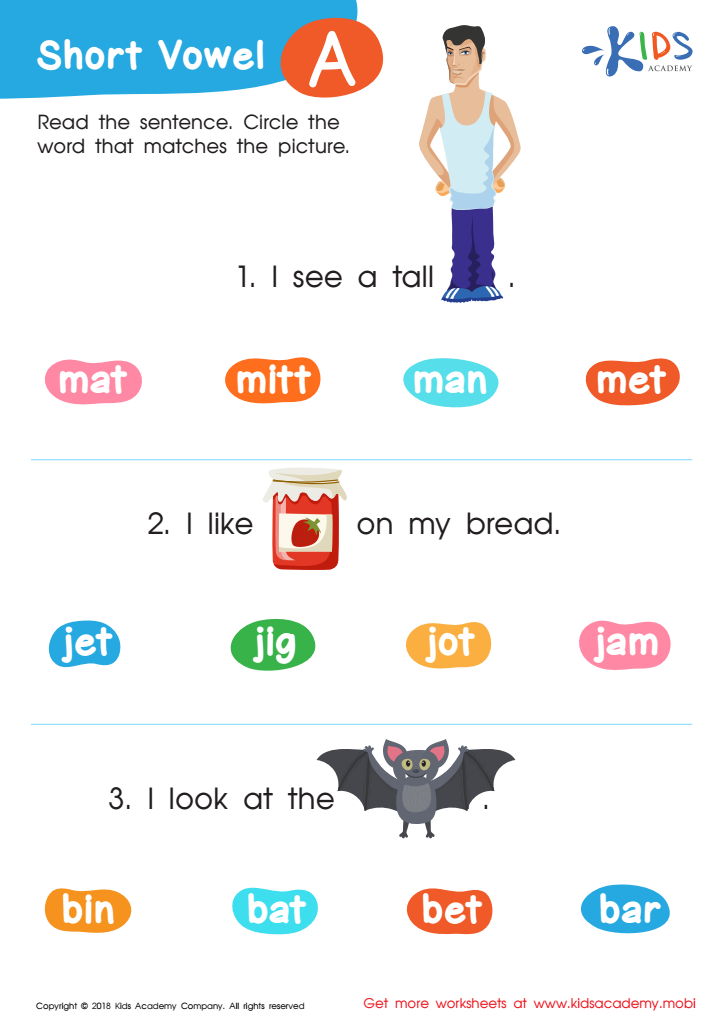
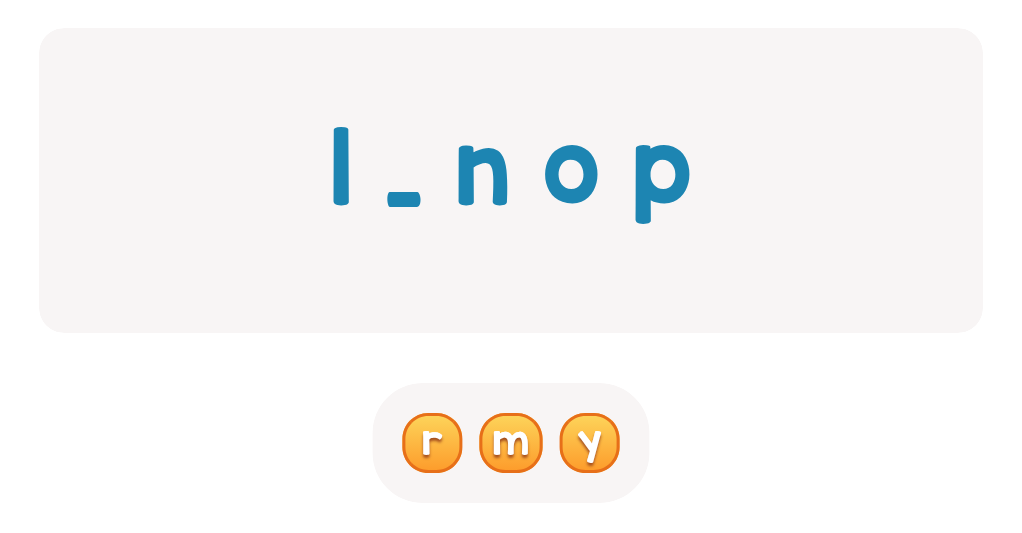
Short Vowel /a/ Worksheet
 Assign to My Students







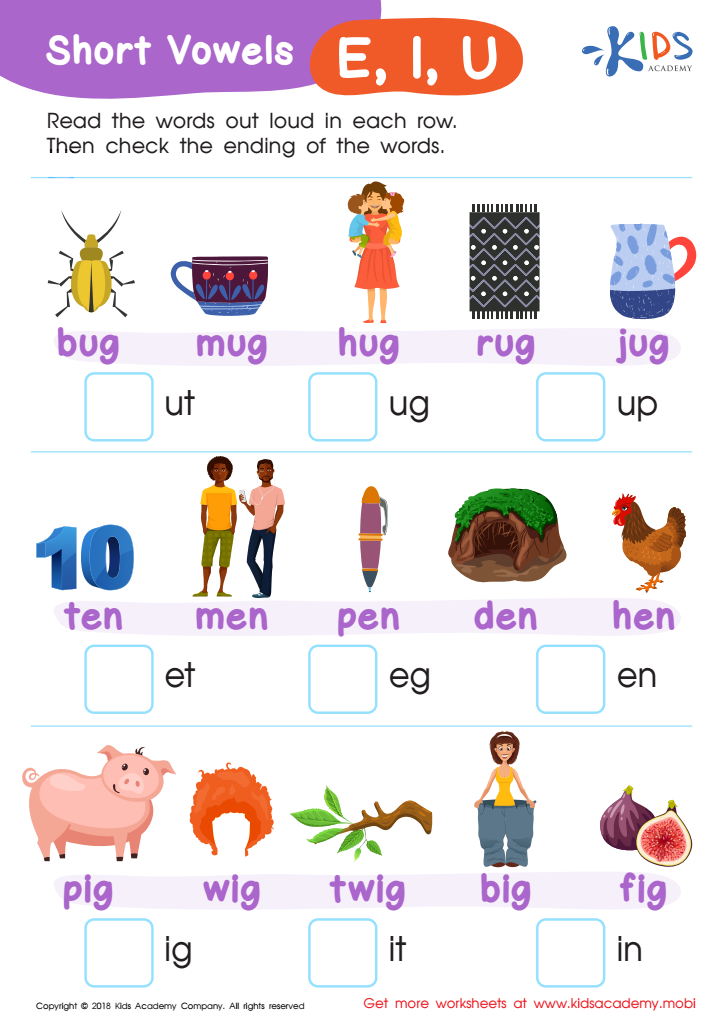
Short Vowels /e/, /i/, and /u/ Worksheet
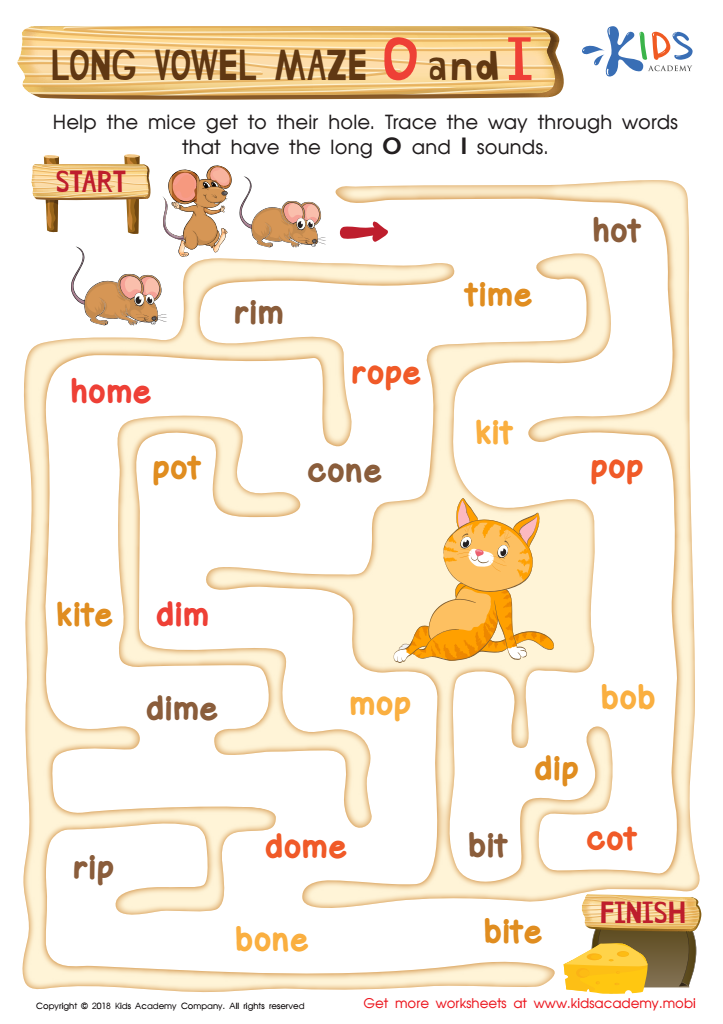
Long Vowel Maze /o/ and /i/ Worksheet






Parents and teachers should prioritize vowel recognition in children aged 7-9 because it is fundamental to developing strong reading and writing skills. Vowels are the backbone of our language; understanding them helps children decode words and grasp their meanings. This competency enhances overall literacy, leading to improved communication skills, which are essential for academic success and everyday interactions.
During these crucial years, children transition from learning basic phonics to reading fluency. Vowel recognition enables them to tackle more complex texts and comprehend various content areas, fostering critical thinking and analytical skills. Additionally, a solid grasp of vowels can reduce frustration in literacy activities, encouraging a lifelong love for reading.
Moreover, recognizing vowels aids in spelling and writing, empowering children to express their thoughts clearly. As they engage with more intricate language structures, this skill becomes increasingly significant. By nurturing vowel recognition, educators and parents can boost confidence and self-esteem in children, encouraging them to participate actively in discussions and storytelling.
In summary, emphasizing vowel recognition helps lay the foundation for essential literacy skills, promotes academic achievement, and fosters a positive attitude towards learning in children as they navigate their early educational journey.







