Cognitive Development Normal Alphabet Worksheets for Ages 7-9
3 filtered results
-
From - To
Discover "Cognitive Development Normal Alphabet Worksheets for Ages 7-9," designed to enhance your child's learning journey! Our worksheets target essential cognitive skills while making alphabet learning enjoyable and interactive. These resources focus on word recognition, phonemic awareness, and critical thinking, helping children understand letters and their sounds more deeply. Tailored for ages 7 to 9, our engaging activities encourage creativity and promote independent learning. Each worksheet reinforces foundational literacy concepts, ensuring your child develops strong cognitive abilities in a supportive environment. Dive in and watch your child thrive as they build confidence and proficiency in reading and writing with our expertly crafted worksheets!
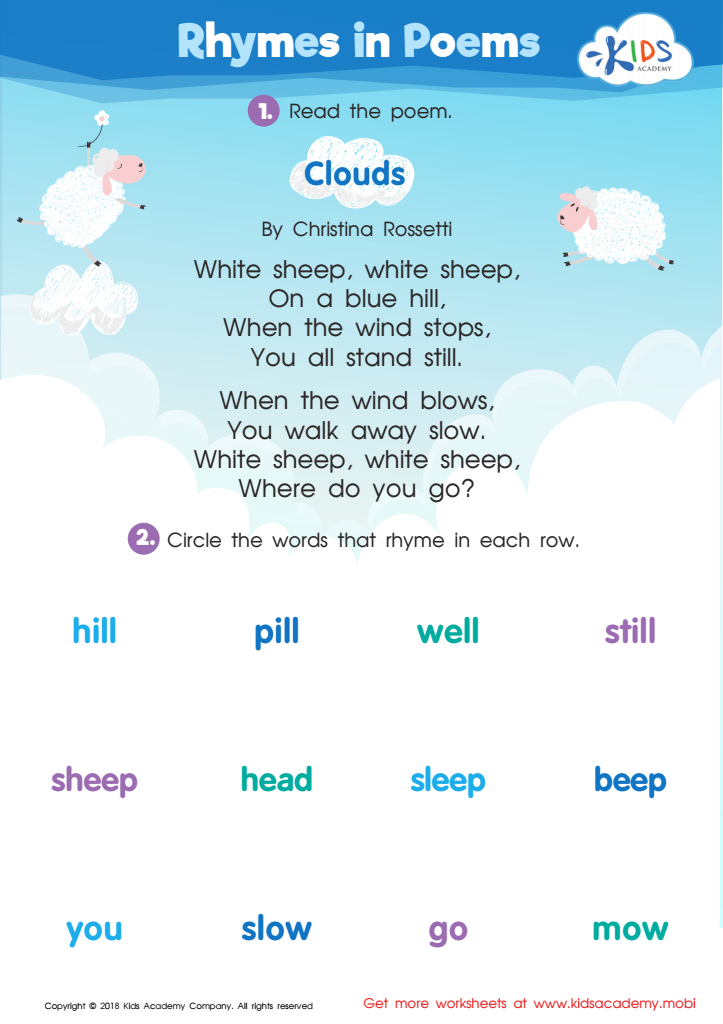
Rhymes in Poems Worksheet
 Assign to My Students
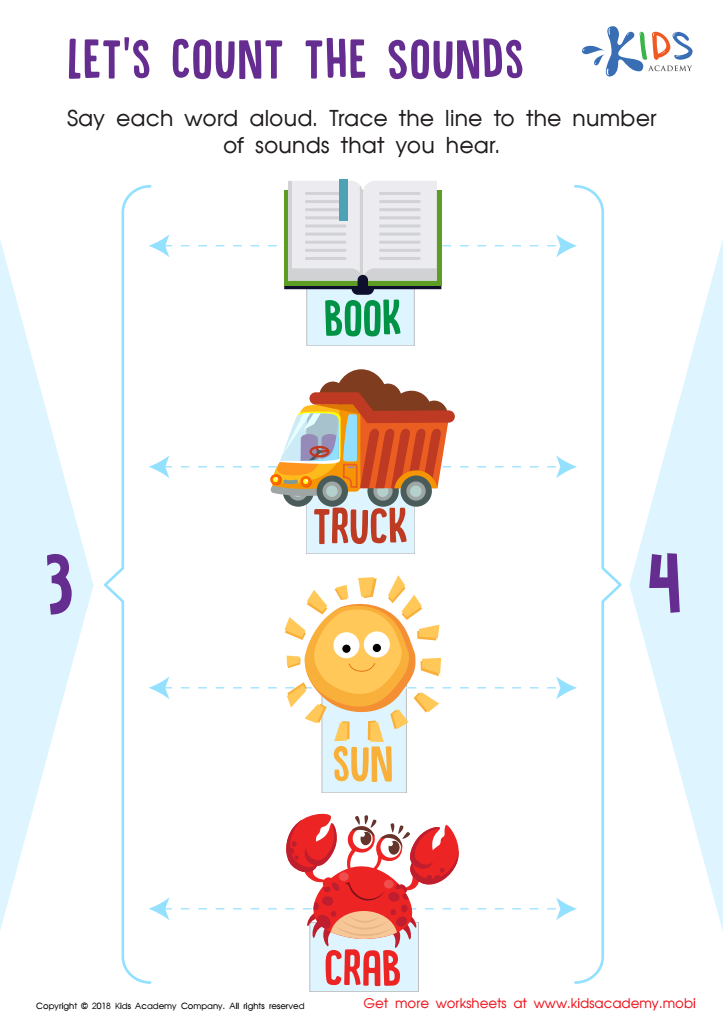
Let's Count the Sounds Worksheet
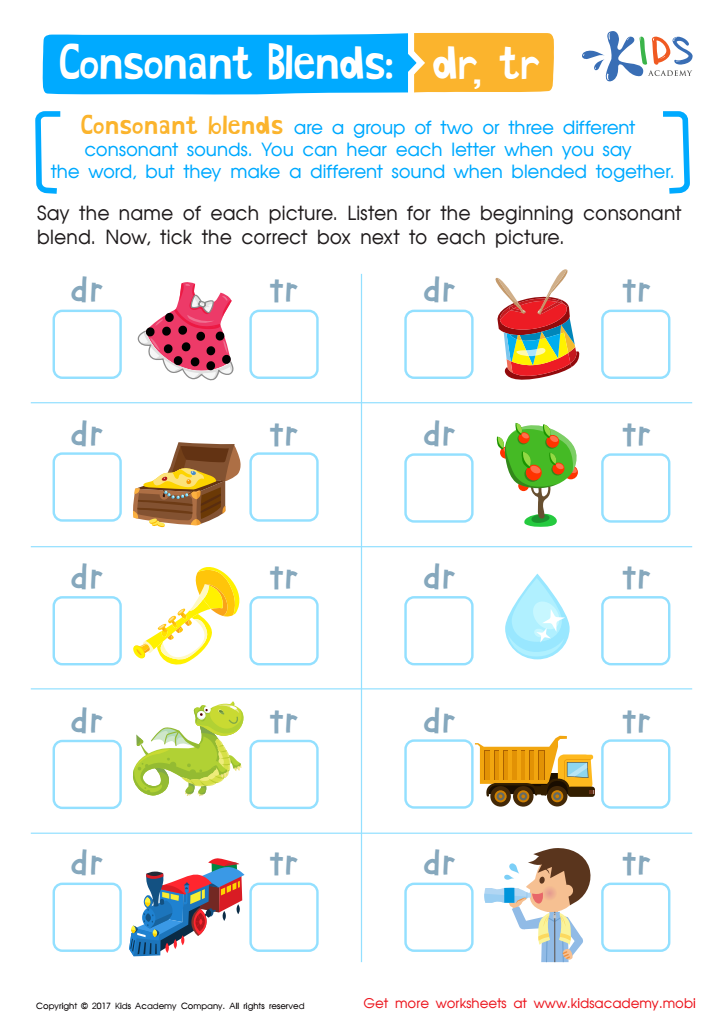
Consonant Blends: "Dr" and "Tr" Printable





Parents and teachers should prioritize cognitive development in children aged 7-9 as this is a crucial phase in their overall growth. During these years, children experience significant brain development, enhancing their ability to think critically, solve problems, and understand more complex concepts. Fostering cognitive skills such as attention, memory, and reasoning promotes academic success and lays the groundwork for lifelong learning.
At this age, children also begin to grasp abstract thinking and can engage in more sophisticated discussions. This period is ideal for introducing new ideas and concepts, challenging them with activities that stimulate curiosity, like puzzles, science experiments, and reading comprehension tasks. Such activities can enhance their vocabulary, reasoning capabilities, and overall literacy skills.
Moreover, understanding cognitive development helps parents and teachers identify areas where a child may face challenges. Early intervention can prevent larger learning difficulties and support children in reaching their full potential. By cultivating a supportive environment that encourages exploration and questioning, parents and teachers can enhance a child’s confidence, social skills, and emotional intelligence, contributing to well-rounded and capable individuals. Investing in cognitive development during these formative years is essential for setting the foundation for future educational and personal successes.







