Filters

7 filtered results

Clear all filters
Favorites
With answer key
Interactive

7 filtered results

Difficulty Level

Grade


Enhance your child's vocabulary with our engaging "Normal Alphabet Worksheets" designed specifically for ages 7-9. These worksheets foster language skills through fun activities that help children recognize letters, expand their word banks, and improve spelling. Tailored to cater to young learners, our activities promote interaction and creativity, allowing for an enjoyable learning experience. Ideal for classroom or home use, each worksheet nurtures vocabulary development while reinforcing fundamental reading and writing skills. Explore a variety of themes and formats that will captivate your child’s interest and pave the way for advanced linguistic proficiency. Start enriching your child's vocabulary today!

Check out this FREE Trial Lesson on Alphabet for age 7-9!

Divide Words into Syllables

Favorites
With answer key
Interactive
  • 7-9
  • Vocabulary development
  • Alphabet
  • Normal
Phonics and Word Recognition: Assessment 3 Worksheet

Phonics and Word Recognition: Assessment 3 Worksheet

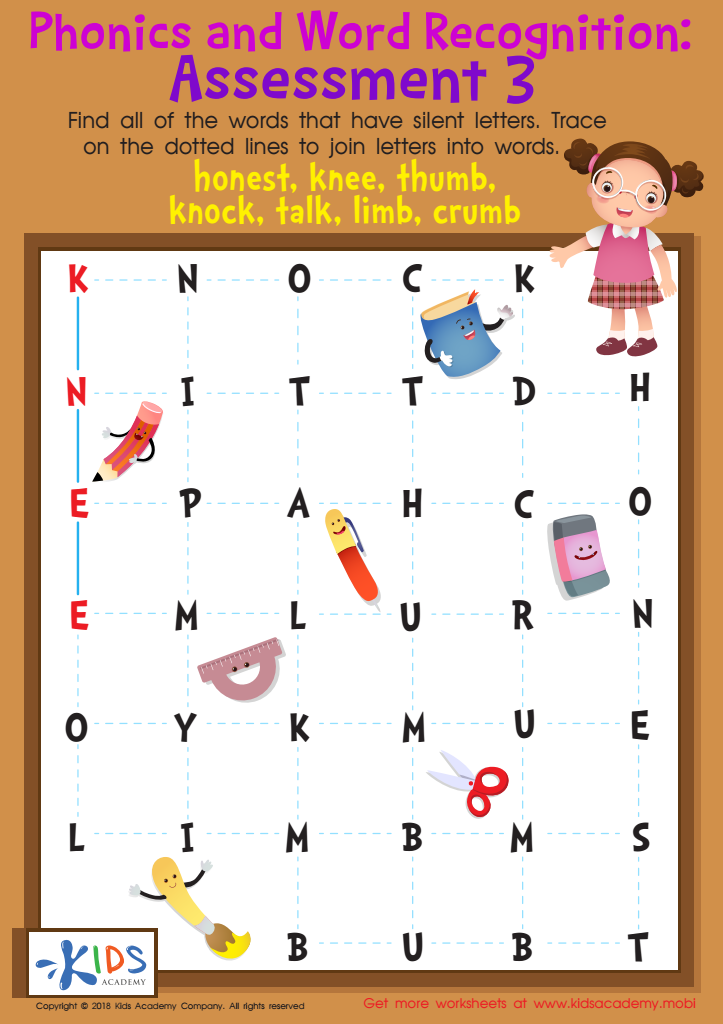
Silent letters can be tricky for kids learning to read and write. Show them how they work with words like 'knee' and 'dumb'. Then, challenge them to come up with their own. Give them a worksheet with silent letters and trace the lines to join the letters into words.
Phonics and Word Recognition: Assessment 3 Worksheet
Worksheet
Beginning Sound «n» Worksheet

Beginning Sound «n» Worksheet

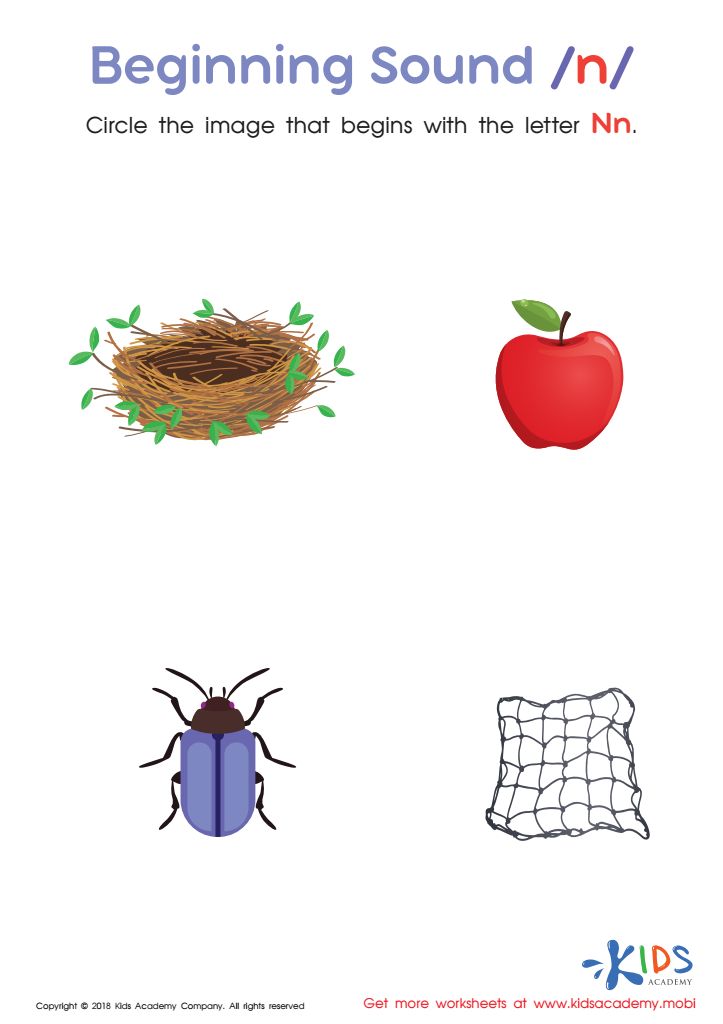
Help your emerging reader learn the initial «n» sound with this free PDF worksheet! Strengthen fine motor skills by tracing circles around words beginning with «n». Pictures are clear and engaging, giving beginning Phonics learners the right amount of practice and the confidence to succeed.
Beginning Sound «n» Worksheet
Worksheet
Sight Words with Blends Worksheet

Sight Words with Blends Worksheet

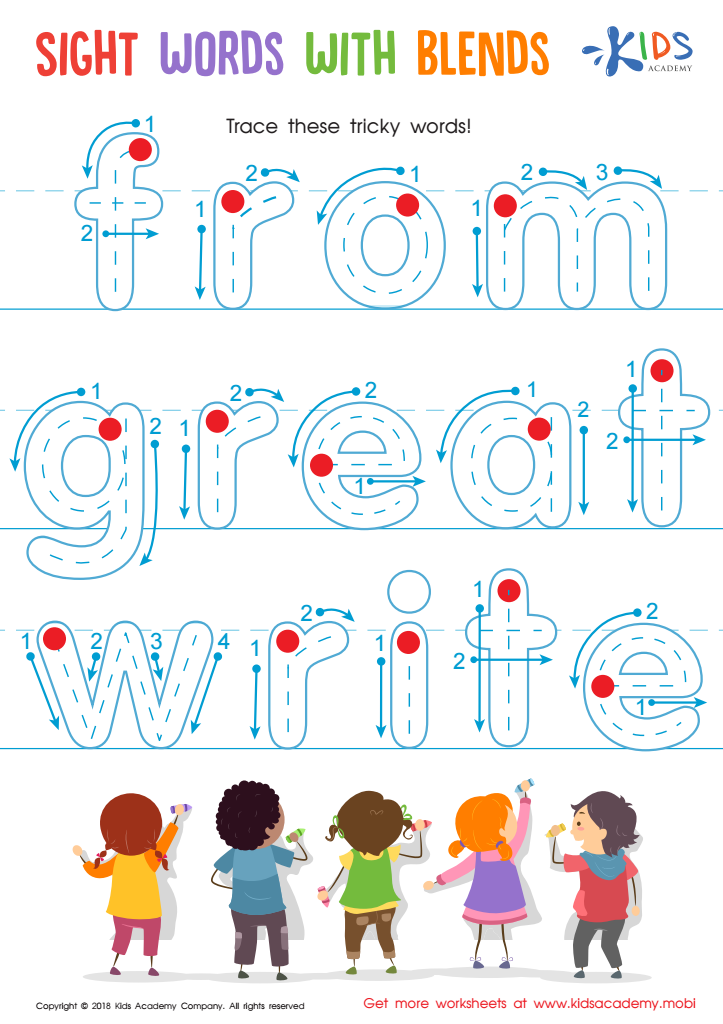
This free PDF lets your children trace and write sight words with tricky blends. The guide numbers help them start from the top, building fine motor skills and enhancing sight word vocab. It's a great way to give your kids a solid foundation for reading!
Sight Words with Blends Worksheet
Worksheet
Reading: Break Them Apart Worksheet

Reading: Break Them Apart Worksheet

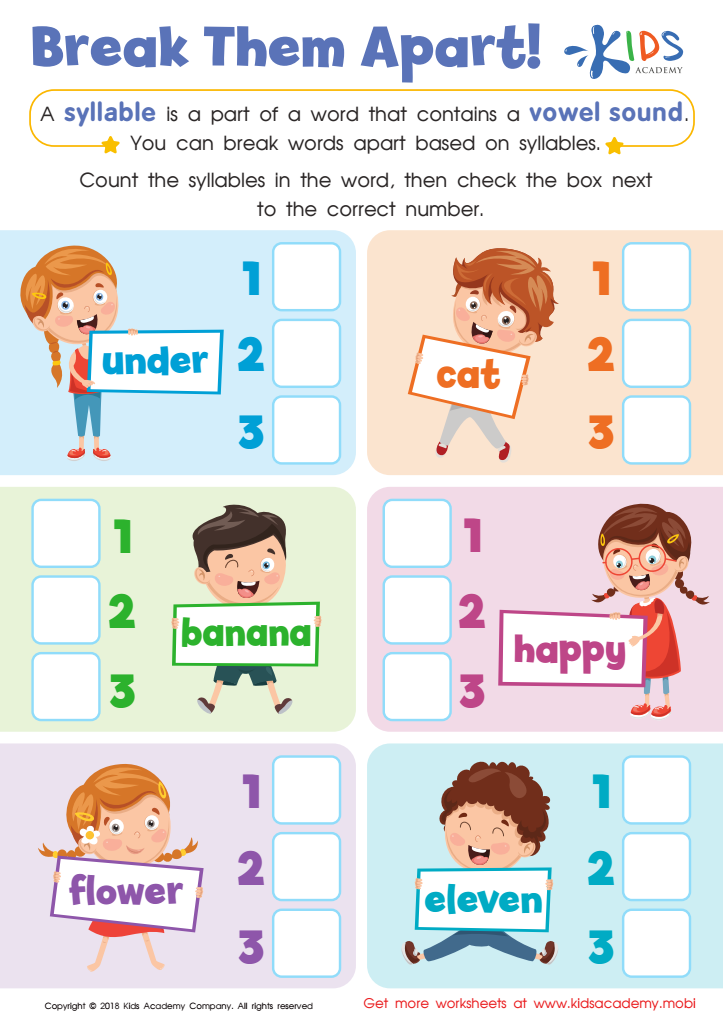
See if students understand syllables with this fun worksheet. It teaches them that a syllable is a word part with a vowel sound. Kids read each word and choose how many parts it has. Doing this often helps them decode new words and gain confidence.
Reading: Break Them Apart Worksheet
Worksheet
Middle Sounds in Words Worksheet

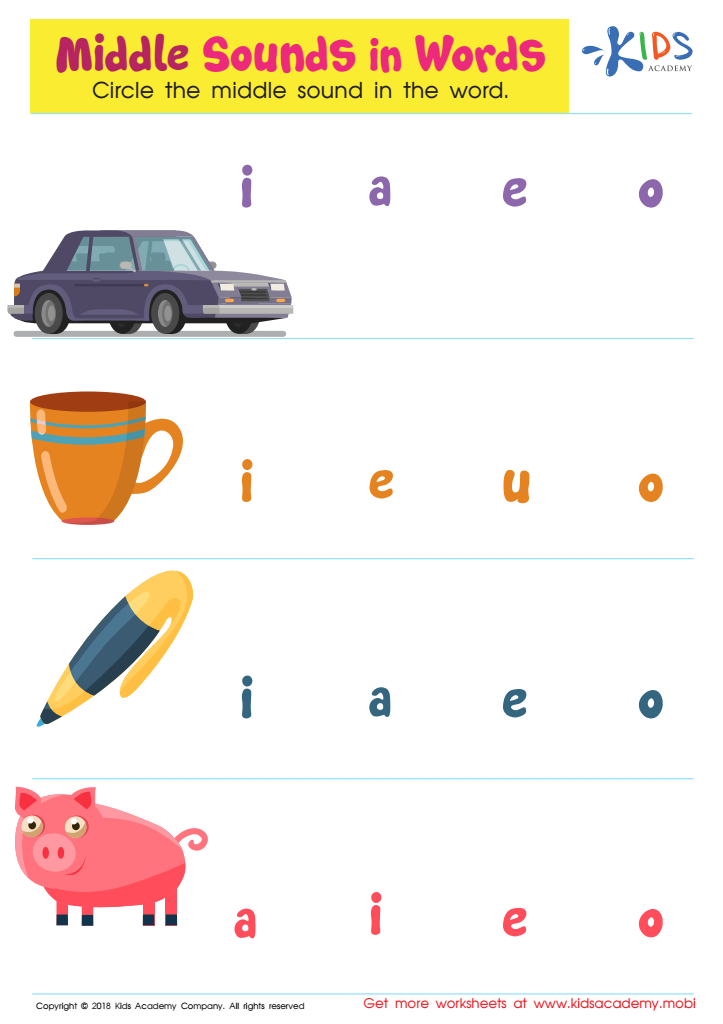
Middle Sounds in Words Worksheet

This worksheet helps emerging readers use picture clues to identify familiar words and practice tracing and fine-motor abilities. It also reinforces spelling by helping them distinguish middle sounds in words. A great way to build listening and literacy skills!
Middle Sounds in Words Worksheet
Worksheet
Reading: Shoot for the Moon Worksheet

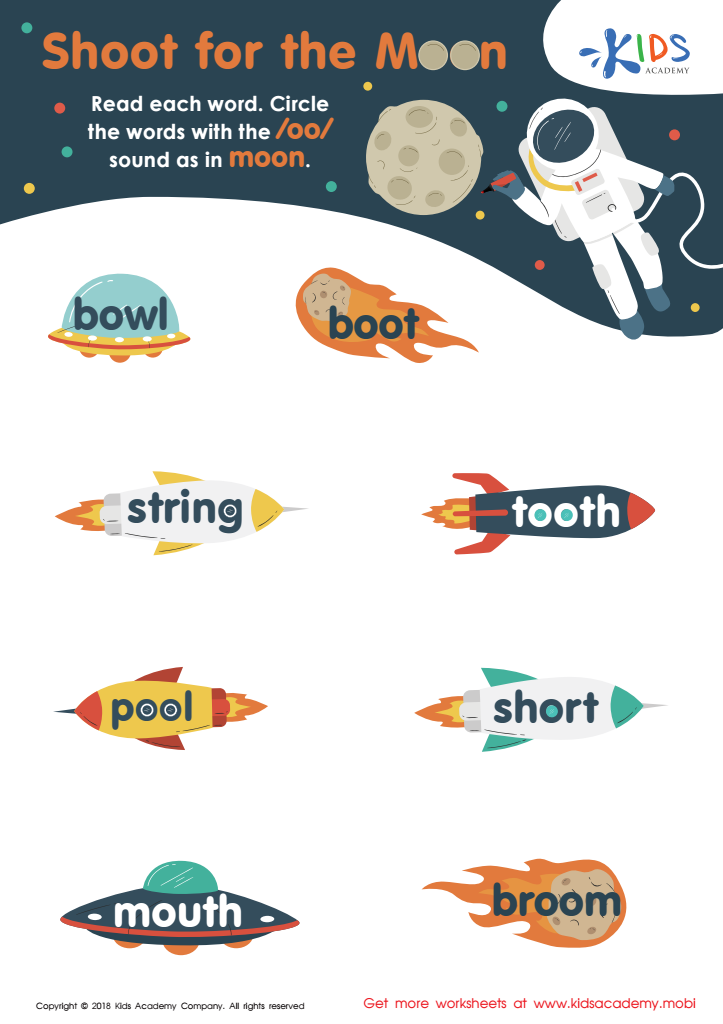
Reading: Shoot for the Moon Worksheet

Ask your kids if they can name any common words with the /oo/ sound. Read each word with them and help them pronounce it. Then, have them circle the words that have the /oo/ sound as in moon.
Reading: Shoot for the Moon Worksheet
Worksheet
Finding the Sounds Worksheet


Finding the Sounds Worksheet

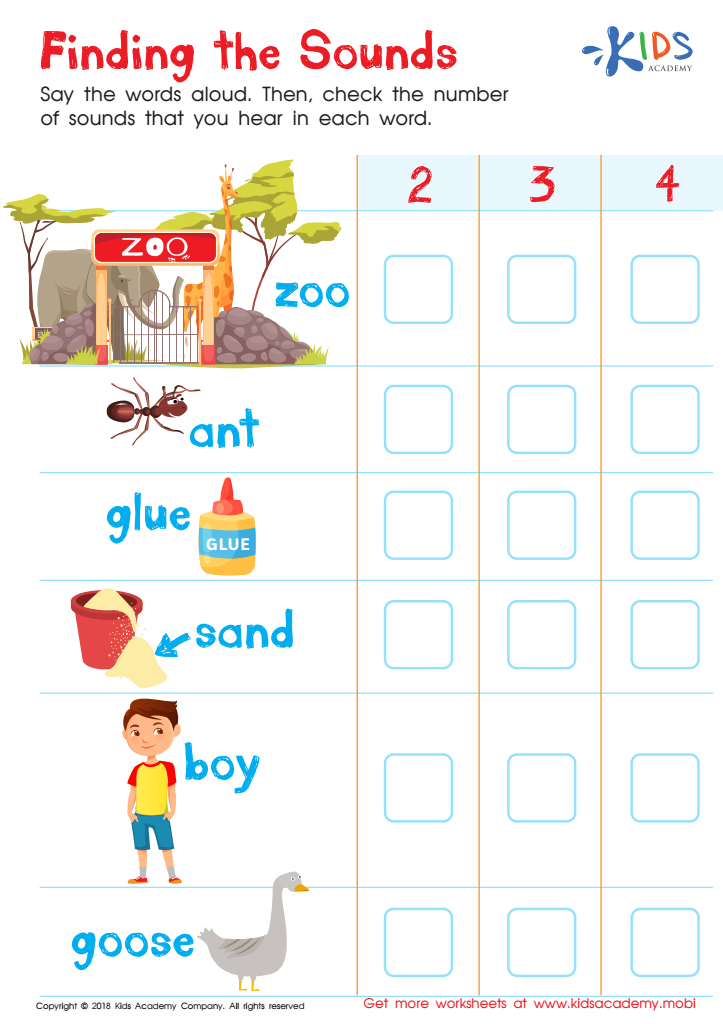
This free colorful worksheet assists children in learning words and breaking them down into sounds. It boosts auditory discrimination, phonological awareness and fine motor skills. Picture clues help them read confidently, and they can check the appropriate boxes to practice their reading skills.
Finding the Sounds Worksheet
Worksheet


Vocabulary development is crucial for children aged 7-9, as it serves as the foundation for effective communication and literacy skills. During this critical developmental stage, children's abilities to read, write, and articulate their thoughts are significantly shaped. A strong vocabulary enhances their comprehension, enabling them to understand and engage with a wider range of texts and ideas. This is particularly important as academic demands increase in higher grade levels.

Moreover, a robust vocabulary fosters confidence in expressing feelings and opinions, encouraging children to participate actively in discussions. When teachers and parents prioritize vocabulary development, they help children develop critical thinking and reasoning skills, as rich language exposure allows for deeper understanding of complex concepts.

Engaging in vocabulary-building activities—such as reading together, playing word games, and discussing new words—can make learning enjoyable and effective. Parents and educators can create an environment that nurtures curiosity and a love for language, which can lead to long-term academic success. Ultimately, investing in vocabulary growth during these formative years equips children with essential skills needed for their future learning and social interactions, laying the groundwork for their lifelong journey of communication and knowledge acquisition.