Writing practice Normal Alphabet Worksheets for Ages 7-9
5 filtered results
-
From - To
Improve your child's writing skills with our carefully designed Normal Alphabet Worksheets for ages 7 to 9. These engaging and educational worksheets are perfect for developing their handwriting, spelling, and letter recognition. Each worksheet offers a fun and interactive approach to learning, featuring a variety of activities such as tracing, writing practice, and enhancing fine motor skills. Our resources are ideal for classroom use or at-home practice, ensuring your child moves confidently from basic to advanced writing techniques. Help your young learner master the alphabet and lay a strong foundation for future academic success!
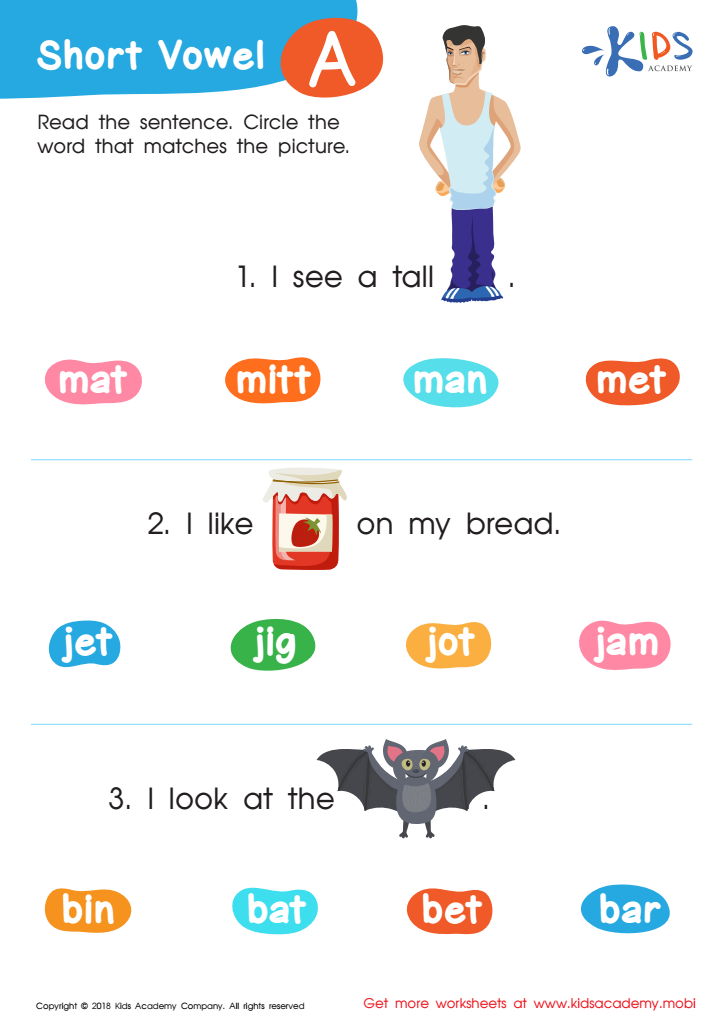
Short Vowel /a/ Worksheet
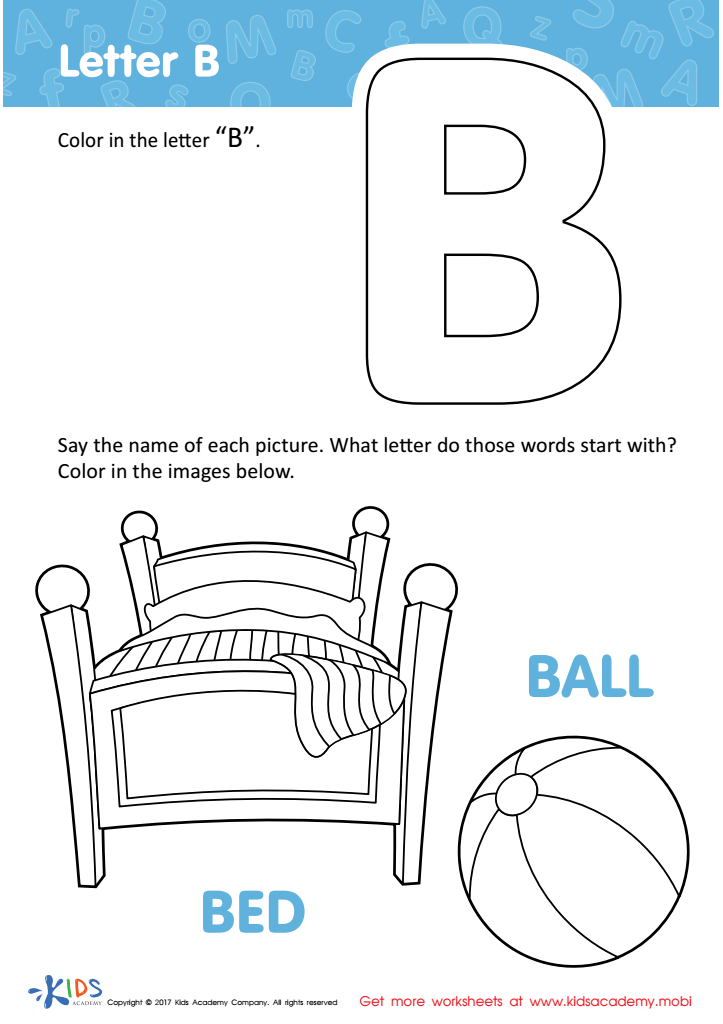
Letter B Coloring Sheet
 Assign to My Students
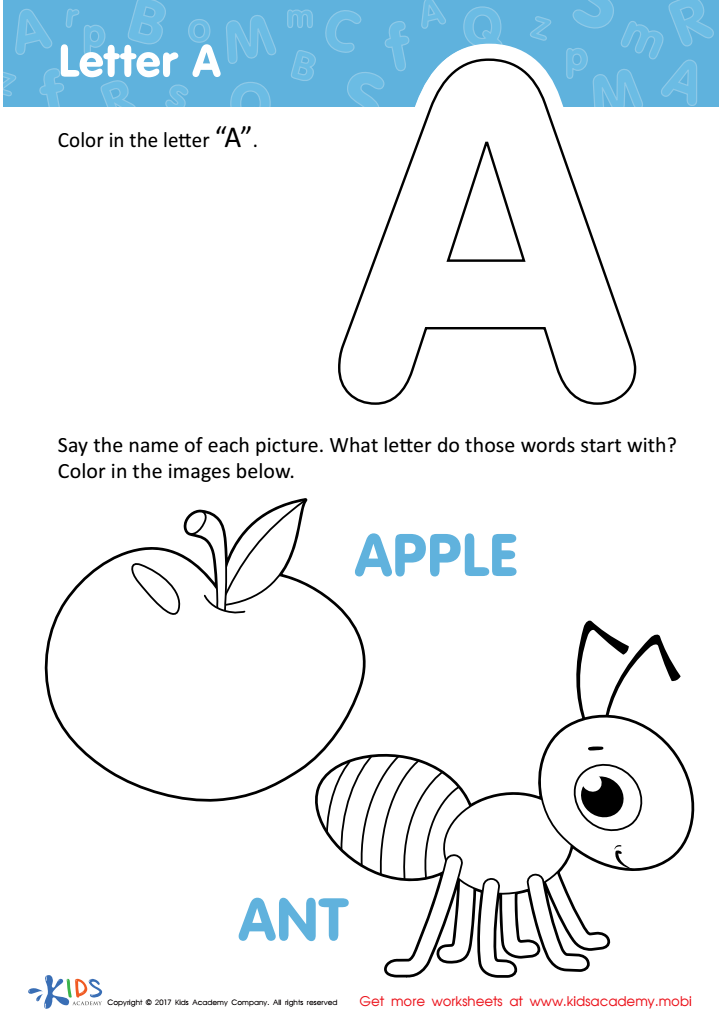
Letter A Coloring Sheet
Assign to My Students

Letter H Tracing Page
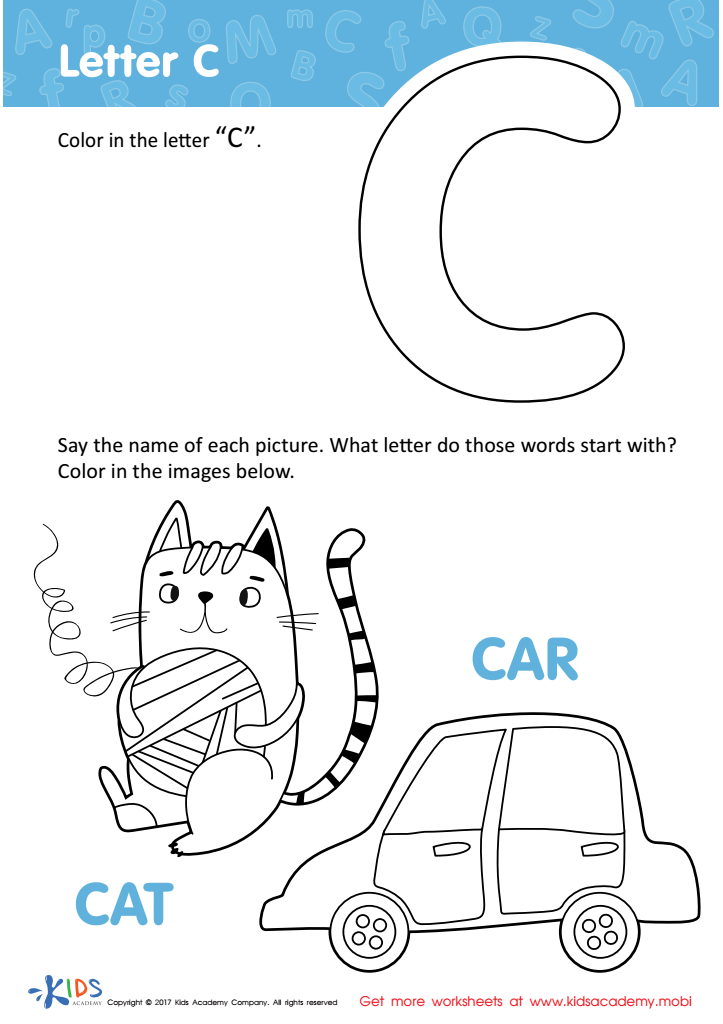
Letter C Coloring Sheet
Assign to My Students







Writing practice using the normal alphabet is crucial for children aged 7-9 for a variety of reasons, both academic and developmental. At this formative stage, writing reinforces fine motor skills and hand-eye coordination, critical aspects of physical development. Grasping a pencil, forming letters precisely, and writing within lines improve dexterity and control.
Academically, writing practice enhances literacy skills. It helps children solidify their understanding of letters and sounds, reinforcing phonemic awareness. When children write, they integrate what they have learned about vocabulary, spelling, and grammar, translating abstract concepts into tangible skills they will use throughout their education.
Writing is also a tool for expression and self-reflection. At this age, children are starting to explore their identities and emotions. Writing enables them to articulate thoughts and feelings, fostering emotional intelligence and self-awareness.
Furthermore, early writing practice sets a foundation for future academic success. Proficiency in writing aids with task completion and performance across various subjects. Good handwriting practices developed at this age also prevent bad habits, helping avoid future struggles with legibility and writing fluency.
Overall, regular writing practice establishes essential cognitive and motor skills, enhances literacy, supports emotional development, and prepares children for continued academic achievement. Parents and teachers have a vested interest in nurturing these foundational skills to ensure a well-rounded development.







