Fine Motor Skills Normal Phonics Worksheets for Ages 7-9
5 filtered results
-
From - To
Enhance your child's learning with our "Fine Motor Skills Normal Phonics Worksheets for Ages 7-9." Designed to combine essential phonics practice with fine motor skills development, these engaging worksheets are perfect for young learners. The mix of alphabet exercises and interactive activities ensures children gain confidence in recognizing and pronouncing letters while simultaneously refining their hand-eye coordination and dexterity. Tailored for ages 7-9, these printables offer a balanced approach to literacy and motor skill growth, making learning fun and effective. Available for easy download, our worksheets are an excellent resource for supplementing classroom instruction and home practice.
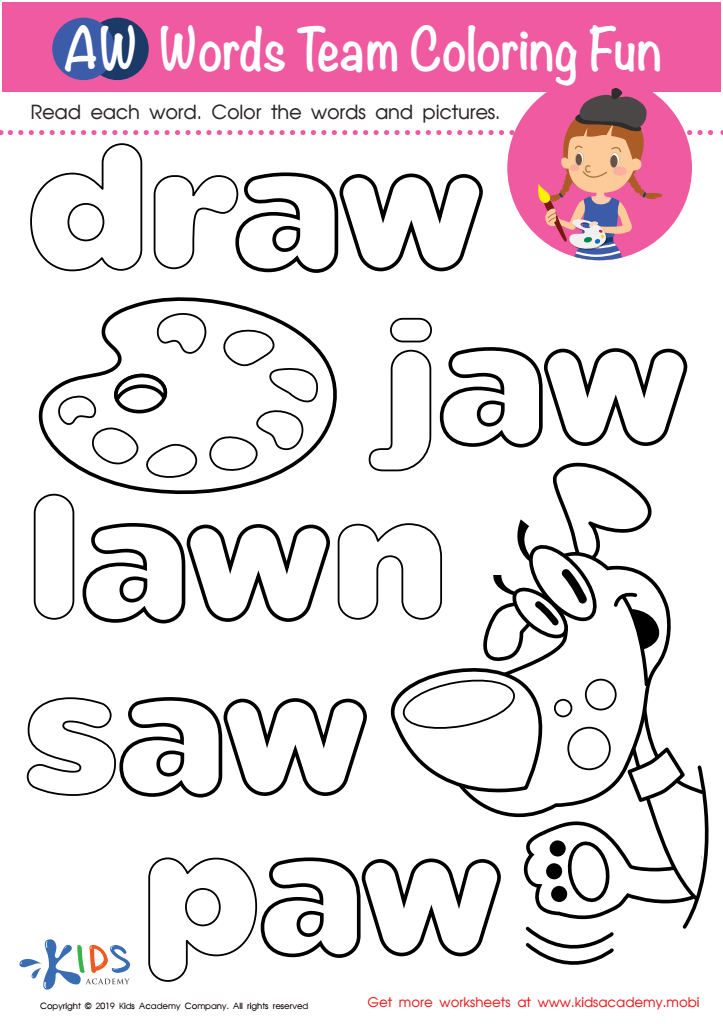
AW Words Team Coloring Fun Worksheet
 Assign to My Students

Long and Short U Worksheet
Assign to My Students
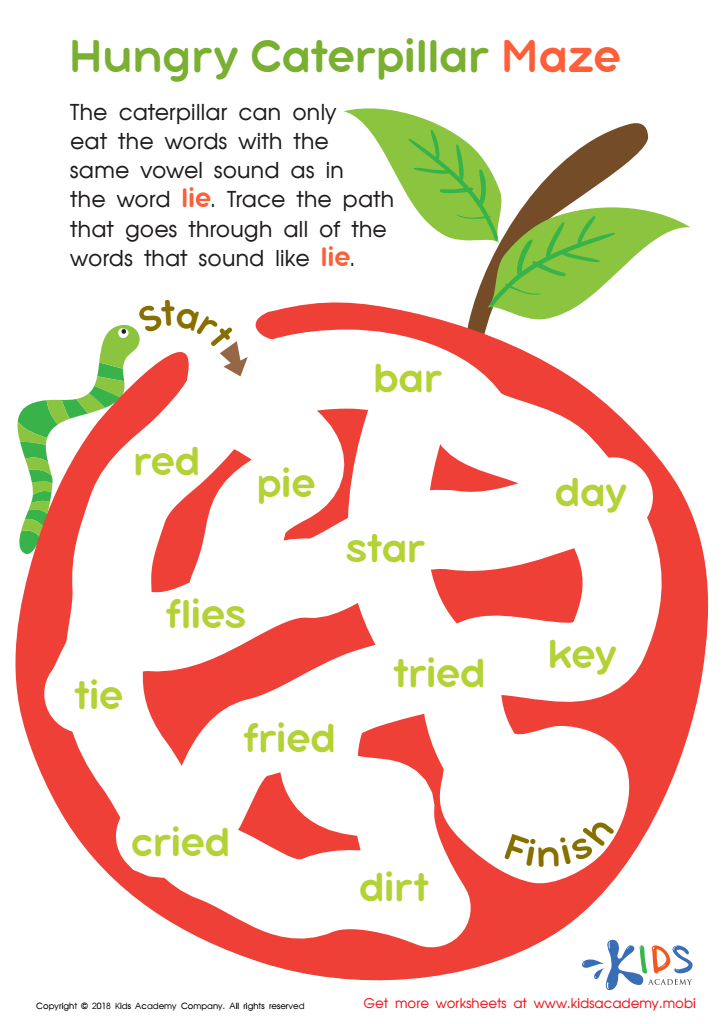
Hungry Caterpillar Maze Worksheet
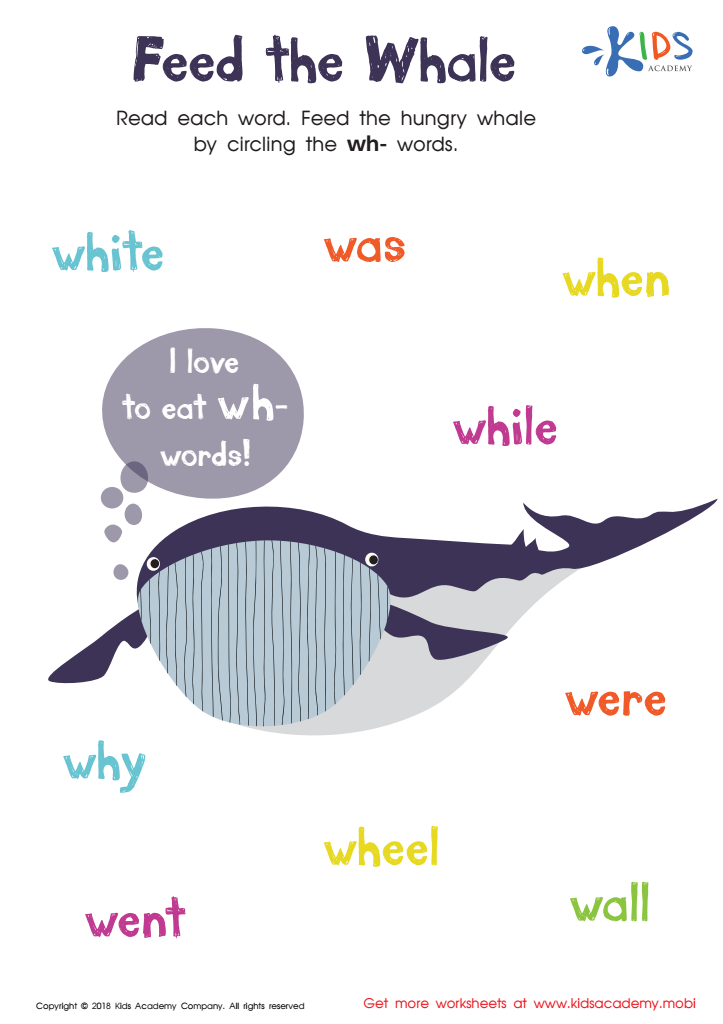
Feed the Whale Worksheet
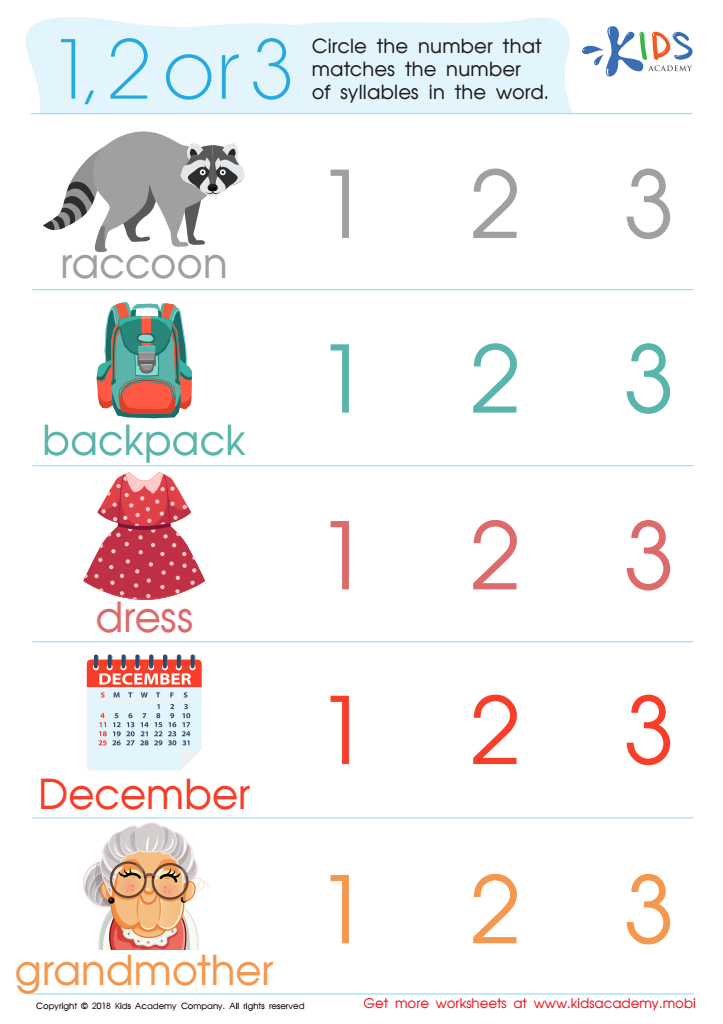
1, 2 or 3? Worksheet








Fine motor skills and phonics are essential for children aged 7-9 because they play a crucial role in their academic and personal development. Fine motor skills involve the coordination of small muscles, particularly in the hands and fingers. These skills are vital for tasks such as writing, cutting, and manipulating small objects. For students aged 7-9, strong fine motor skills support legible handwriting, artistic activities, and the ability to perform everyday tasks independently, thereby boosting their confidence and self-esteem.
Phonics, on the other hand, is the relationship between letters and sounds. A solid foundation in phonics is essential for reading fluency, comprehension, and spelling, which are pivotal for academic success. During the ages of 7-9, children transition from learning to read to reading to learn. This phase is critical; without strong phonics skills, children might struggle with more complex texts and fall behind in other subjects.
By prioritizing the development of fine motor skills and phonics, parents and teachers can ensure that children acquire the practical and cognitive tools they need to succeed. This dual focus not only contributes to academic achievement but also facilitates long-term personal growth, laying a foundation for lifelong learning and independence.







