Hand-eye Coordination Normal Phonics Worksheets for Ages 7-9
5 filtered results
-
From - To
Boost your child's learning with our Hand-eye Coordination Normal Phonics Worksheets for Ages 7-9. These engaging worksheets are designed to enhance phonics skills while improving hand-eye coordination through fun exercises. Suitable for children at the crucial stage of developing literacy skills, our resources provide a perfect combination of learning and play. Each worksheet features interactive activities that motivate kids, making it easy for them to grasp the fundamentals of phonics. Download and print these worksheets to help your child build confidence in reading and writing, all while sharpening their motor skills. Explore our collection today and support your child's educational journey!
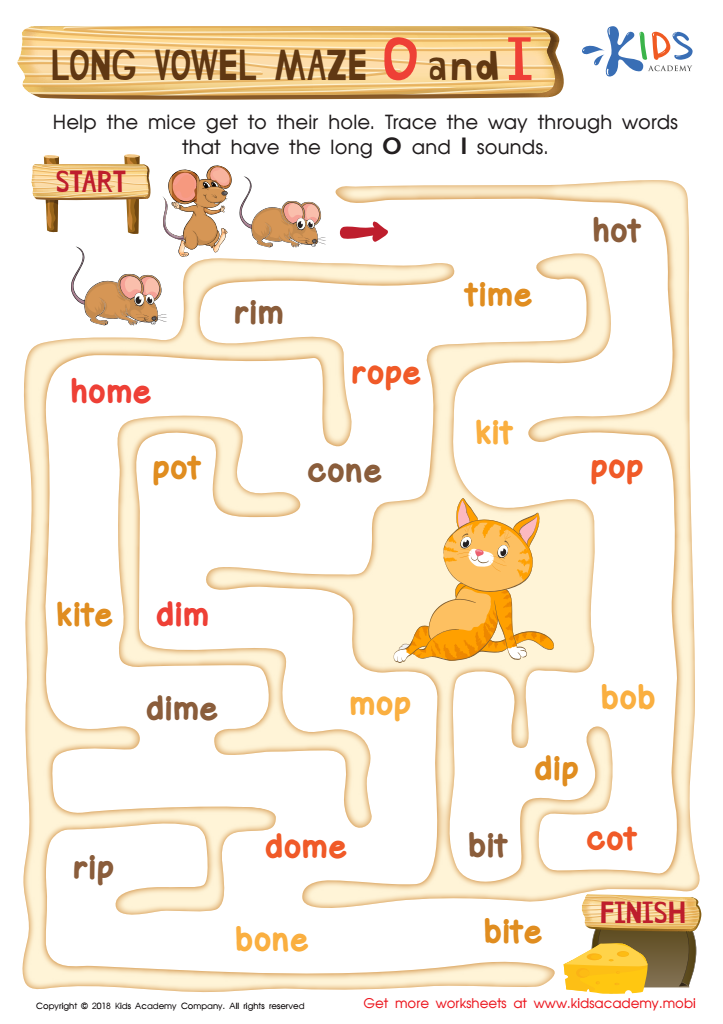
Long Vowel Maze /o/ and /i/ Worksheet
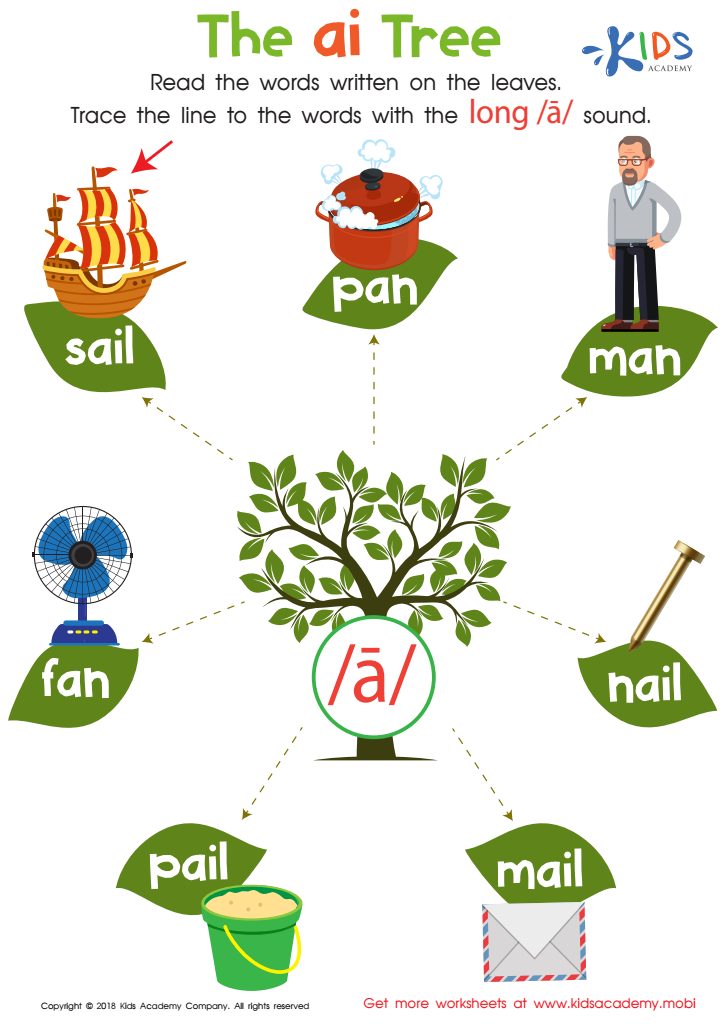
The AI Tree Worksheet
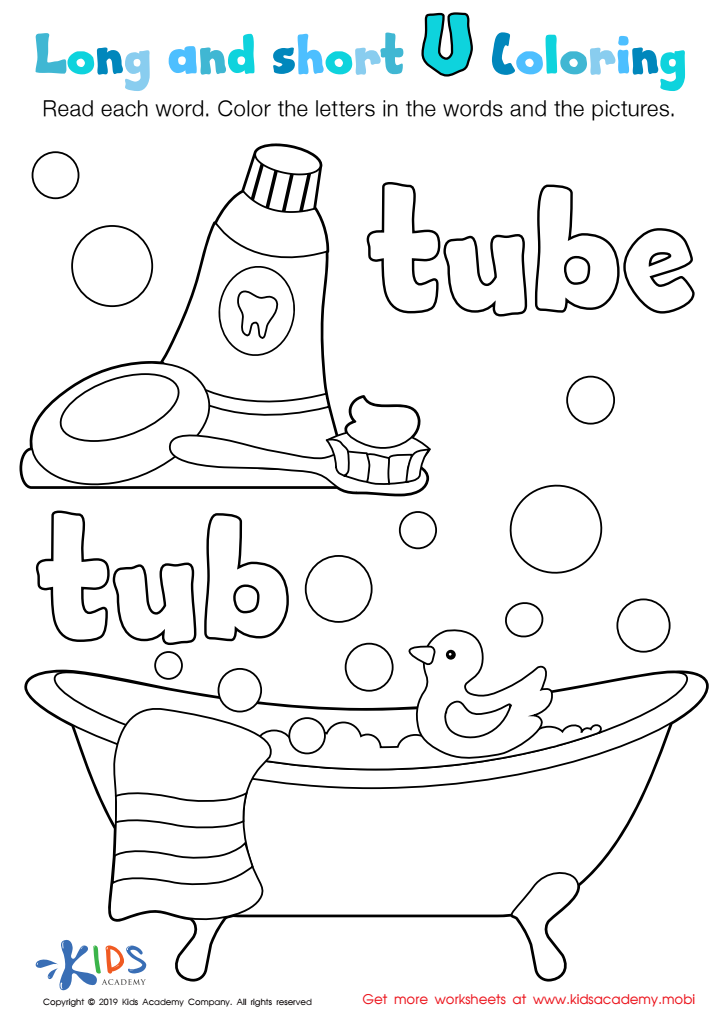
Long and Short U Worksheet
 Assign to My Students
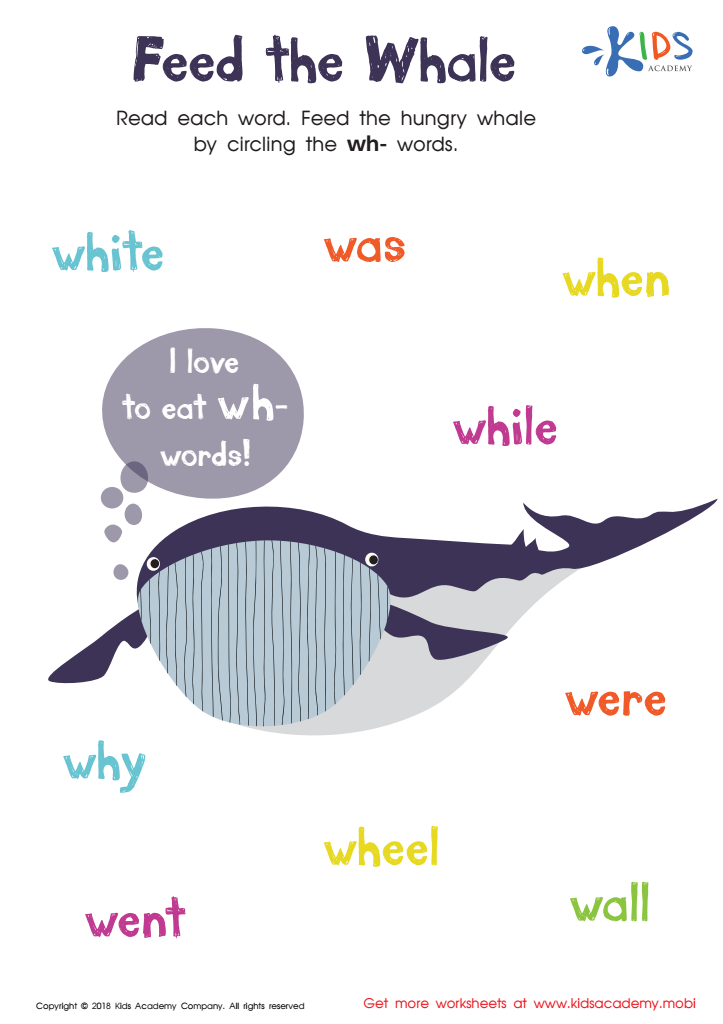
Feed the Whale Worksheet

Long and Short E Worksheet
Assign to My Students








Hand-eye coordination and phonics are crucial developmental skills for children aged 7-9, particularly in their learning journey. Parents and teachers should care about these skills because they significantly influence a child’s academic success and everyday functioning.
Hand-eye coordination refers to the ability to synchronize visual input with physical actions, which is essential for tasks like writing, reading, and using technology. Strong hand-eye coordination helps children engage in fine motor activities, enhancing their writing quality and overall learning experience.
Phonics plays a vital role in a child's literacy development. Understanding the relationships between letters and sounds is foundational for reading proficiency. When children master phonics, they become more confident readers, improve their comprehension skills, and develop a love for reading that can last a lifetime.
Combining hand-eye coordination with phonics ensures a holistic approach to literacy education. Activities that enhance these skills—such as writing practice, interactive reading games, and crafts—make learning enjoyable and multisensory. Moreover, these abilities support additional critical learning areas, fostering problem-solving and cognitive skills.
In summary, emphasizing hand-eye coordination alongside phonics will equip children with the necessary tools for academic growth and lifelong learning.







