Fine Motor Skills Normal English for Beginners Worksheets for Ages 7-9 - Page 2
32 filtered results
-
From - To
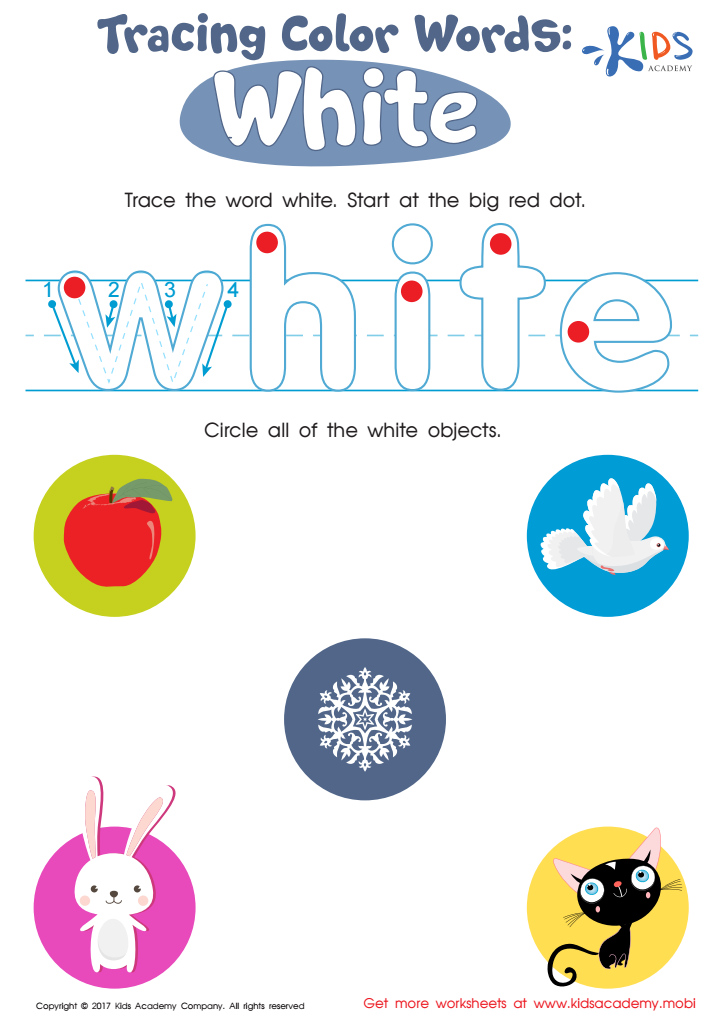
White Tracing Color Words Worksheet
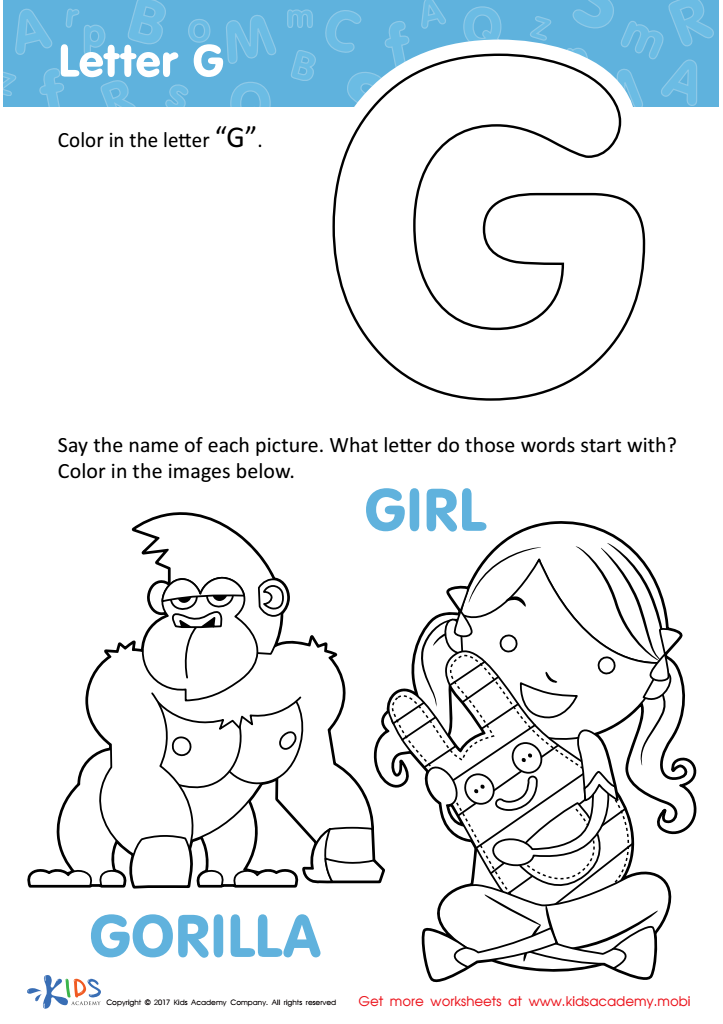
Letter G Coloring Sheet
 Assign to My Students
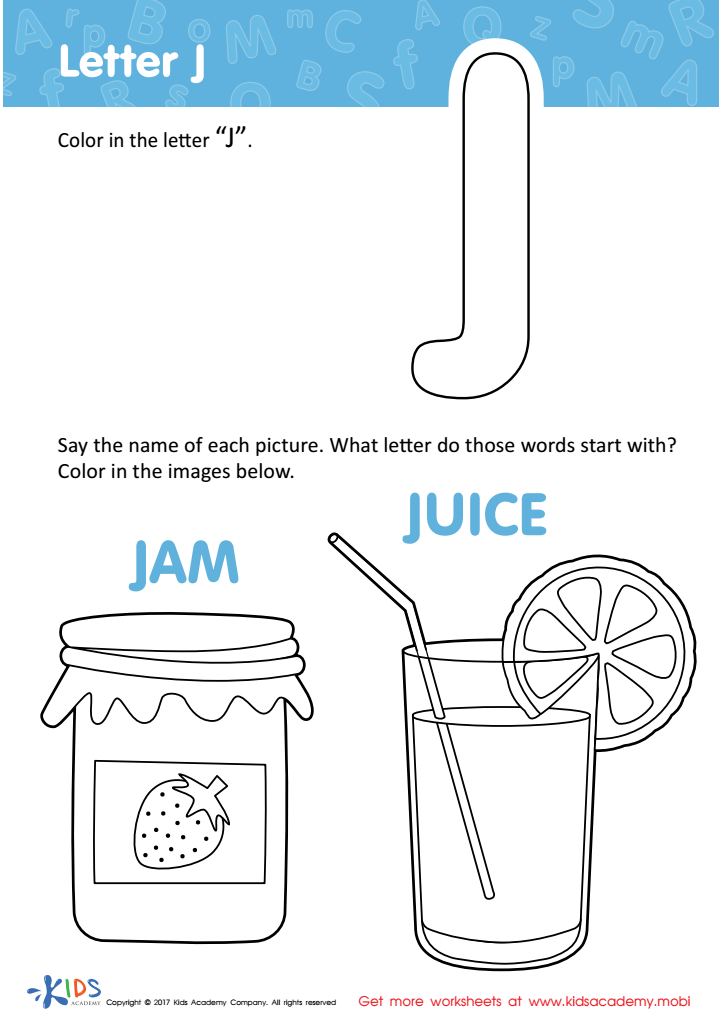
Letter J Coloring Sheet
Assign to My Students
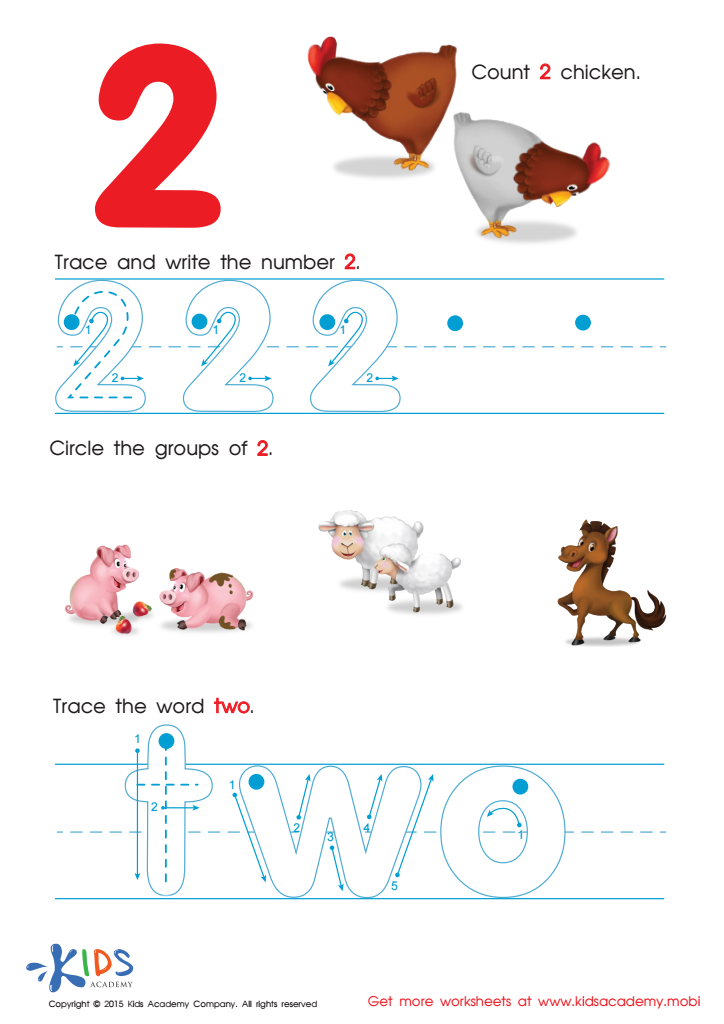
Learn to Write the Number 2 Worksheet
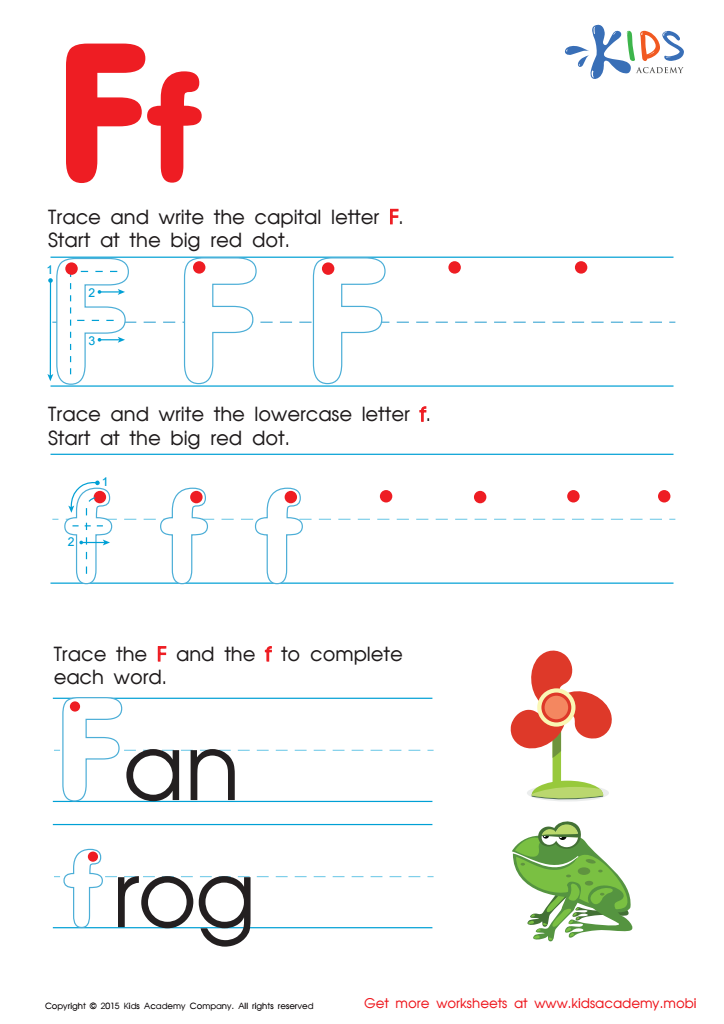
Letter F Tracing Page
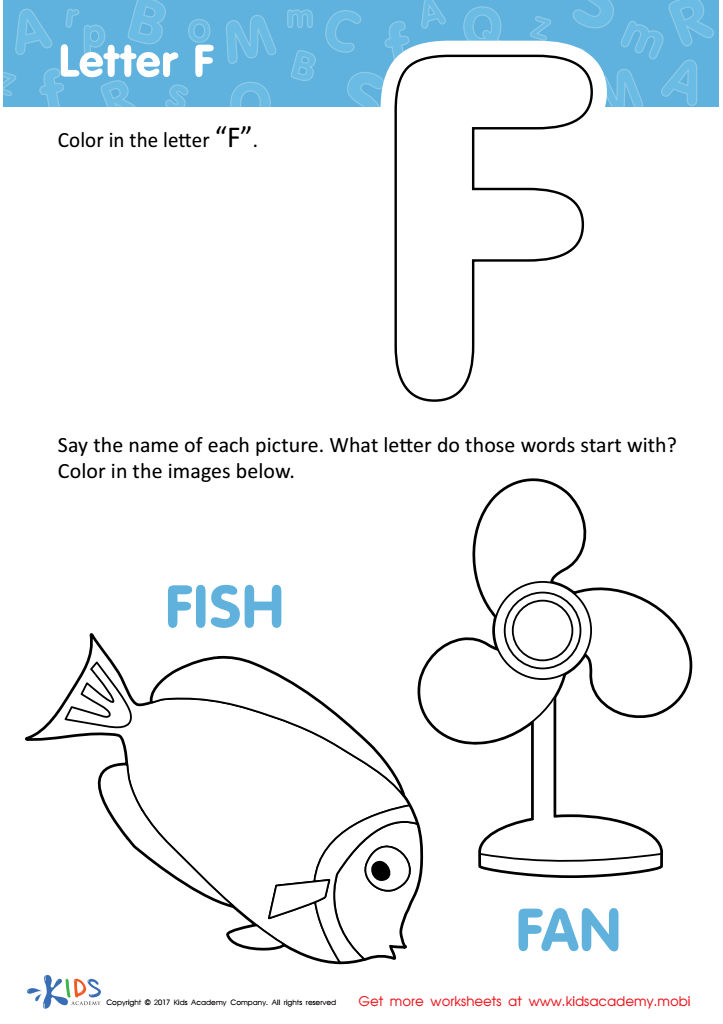
Letter F Coloring Sheet
Assign to My Students
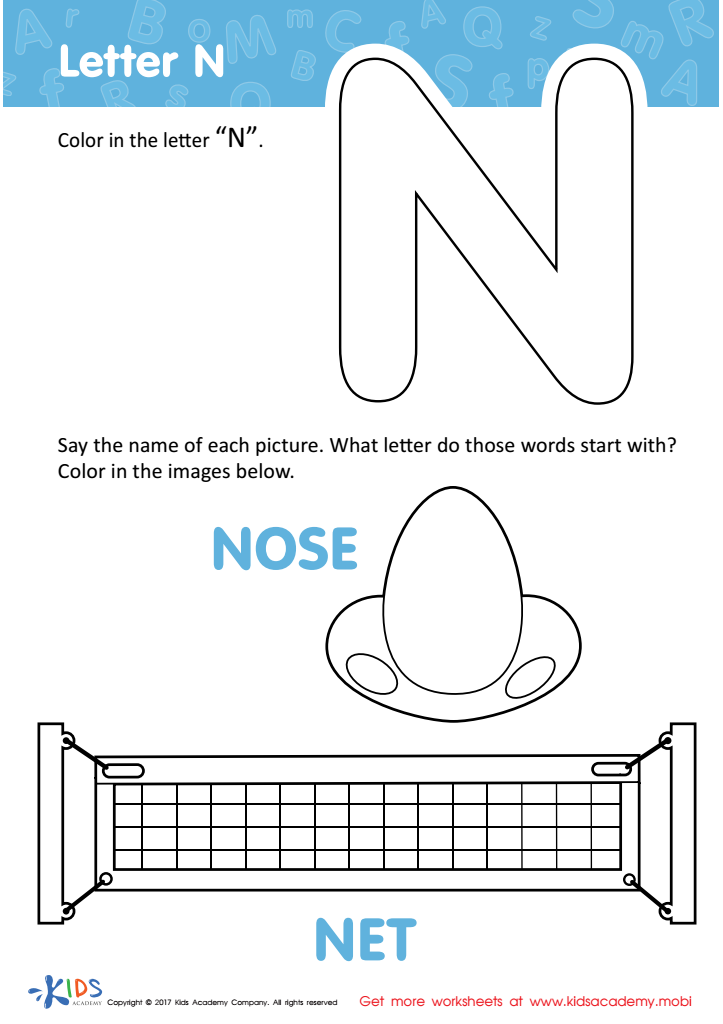
Letter N Coloring Sheet
Assign to My Students

Letter D Tracing Page





Fine motor skills are essential for kids, especially in the ages 7-9, because they involve the use of small muscles in their hands and fingers. These skills help them with everyday tasks like writing, drawing, cutting with scissors, tying shoelaces, and buttoning clothes – activities that are important for independence and confidence.
Good fine motor skills mean that children can hold a pencil properly, form letters clearly, and participate in arts and crafts, which are not only key parts of school but also enhance creativity and self-expression. Moreover, having strong fine motor control can make classroom learning smoother; for instance, it lets kids complete written assignments faster and more neatly, reducing their frustration and helping them keep up with their classmates.
Without well-developed fine motor skills, children may struggle and feel frustrated, which can affect their overall enthusiasm for learning and their self-esteem. Thus, both teachers and parents need to pay attention to the development of these skills, supporting kids through fun, engaging activities like playing with clay, building blocks, or practicing with kid-friendly scissors. Encouraging these activities at home and in the classroom sets the foundation for more complex tasks in the future and helps children develop into competent, confident learners.