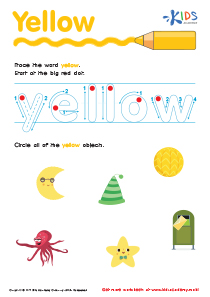
Handwriting practice Normal English for Beginners Worksheets for Ages 7-9 - Page 2
26 filtered results
-
From - To
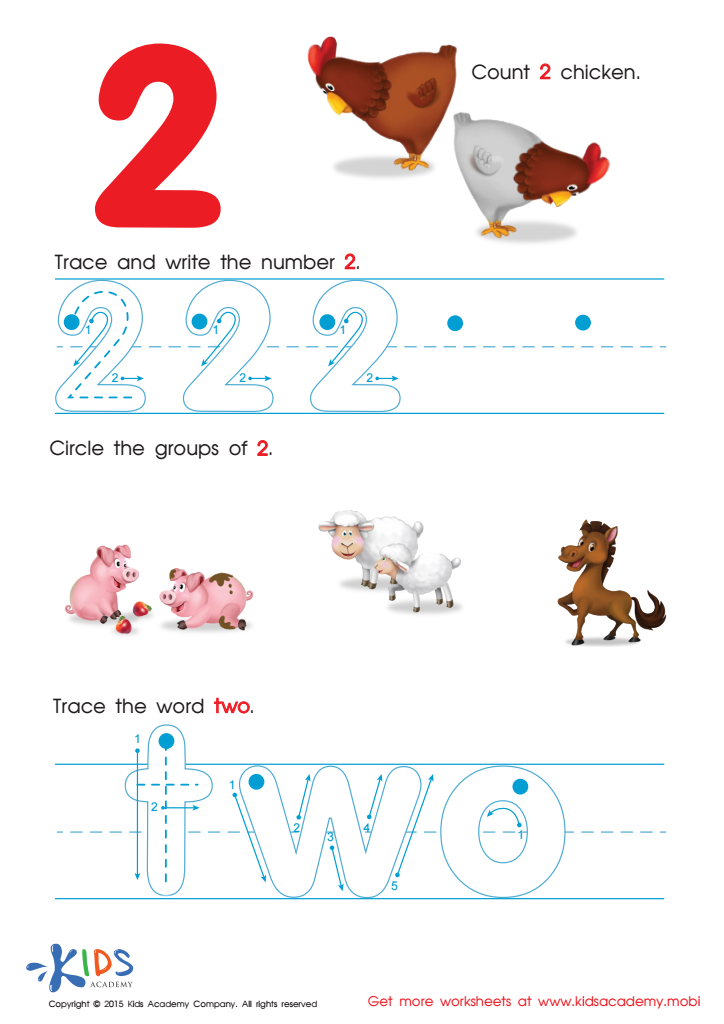
Learn to Write the Number 2 Worksheet
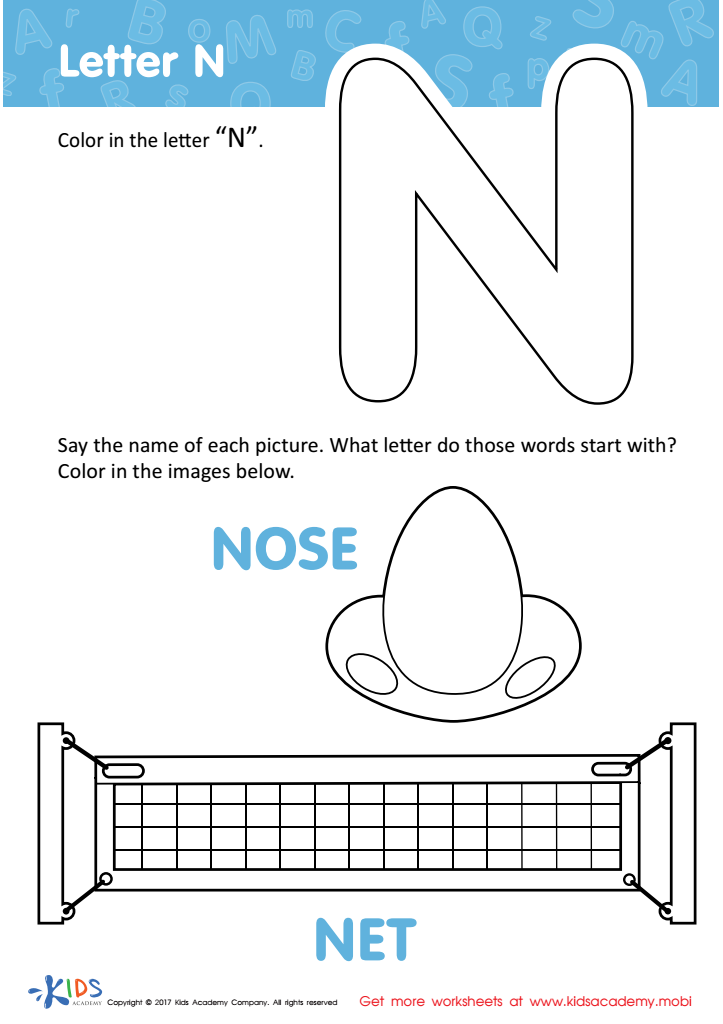
Letter N Coloring Sheet
 Assign to My Students





Handwriting practice is vital for children aged 7-9 as it significantly impacts their learning and overall development. First, good handwriting enhances literacy skills; as children practice forming letters and words, they develop better spelling and vocabulary. It also aids in their reading ability, as children learn to recognize the shapes and spacing of letters.
Moreover, neat handwriting builds confidence. When children take pride in their writing, they are more likely to participate in classroom activities and share their work with others. This boosts their self-esteem and encourages a love for writing.
Additionally, handwriting practice supports fine motor skill development. The act of holding a pencil and controlling movements helps improve hand-eye coordination and dexterity, which are essential skills for daily life.
Furthermore, in a digital age, strong handwriting skills lay the foundation for communication in various settings. While typing is prevalent, being able to write legibly is still important for exams, notes, and personal expression.
Parents and teachers should care about handwriting practice as it nurtures essential literacy skills, enhances self-confidence, and develops fine motor abilities, all of which contribute to a child’s overall academic success and personal growth. Investing in handwriting practice sets the stage for future learning endeavors.