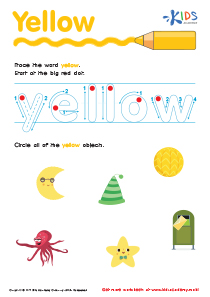
Letter Tracing Normal English for Beginners Worksheets for Ages 7-9
4 filtered results
-
From - To
Discover our interactive "Letter Tracing Normal English for Beginners Worksheets" designed specifically for children aged 7-9. These engaging worksheets provide a fun and effective way for young learners to develop essential handwriting skills while familiarizing themselves with the English alphabet. Each worksheet features clearly defined letters to trace, promoting proper letter formation and improving fine motor skills. Perfect for ESL students or anyone new to writing in English, these resources encourage children to practice at their own pace. Support your child's literacy journey by downloading our comprehensive collection of letter tracing worksheets today and watch their confidence grow as they master the art of writing!
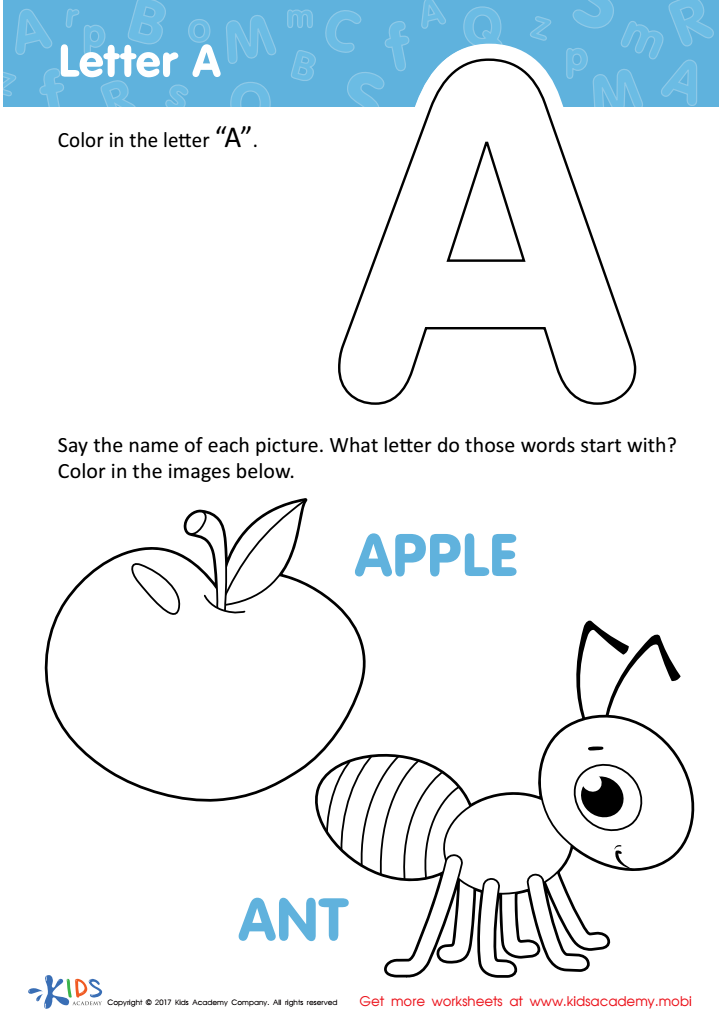
Letter A Coloring Sheet
 Assign to My Students
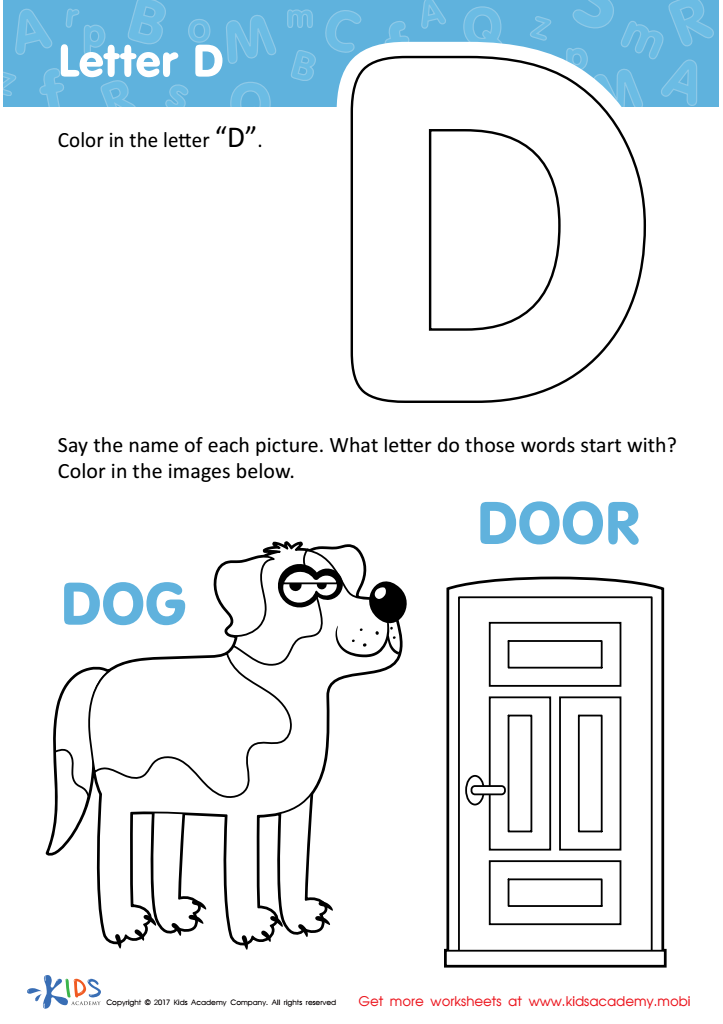
Letter D Coloring Sheet
Assign to My Students
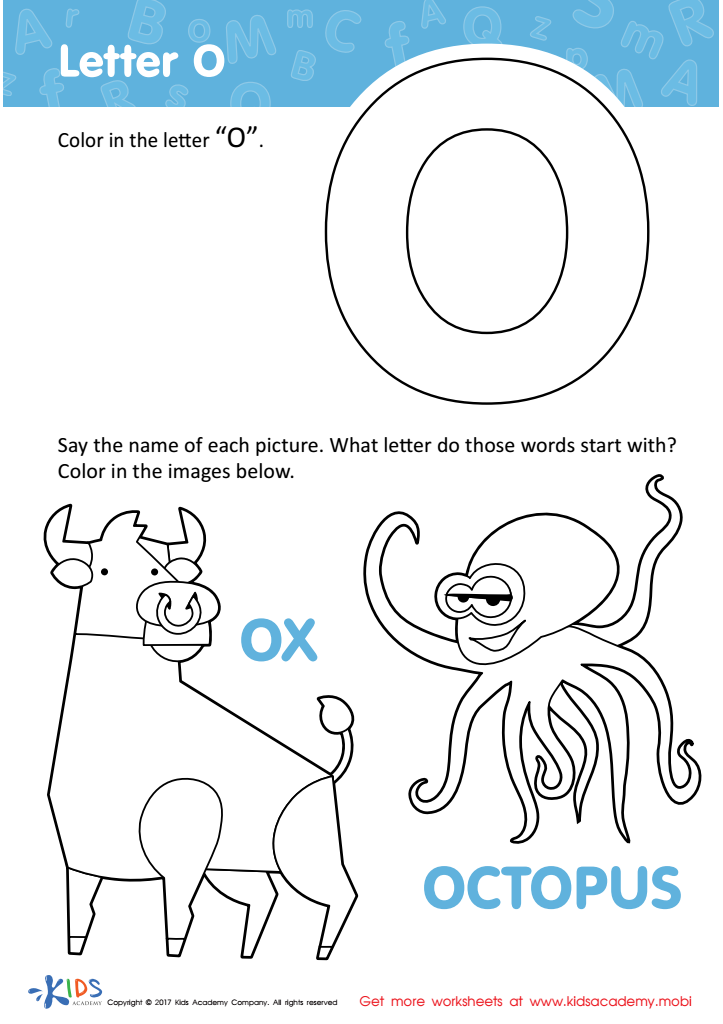
Letter O Coloring Sheet
Assign to My Students
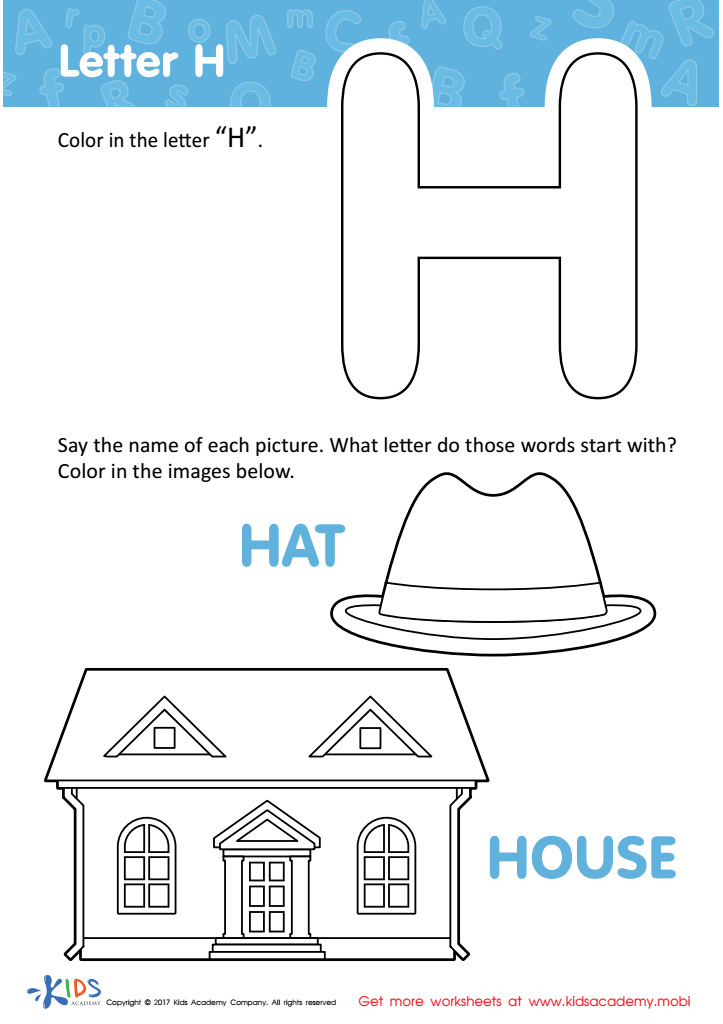
Letter H Coloring Sheet
Assign to My Students





Letter tracing is a fundamental activity that supports early literacy development for children aged 7-9. During this critical stage, children are refining their writing skills, and practicing letter tracing can significantly enhance their understanding of letter formation. By tracing letters, children develop fine motor skills, hand-eye coordination, and muscle memory, which are essential for writing independently.
Moreover, letter tracing provides a structured way for children to learn the relationship between sounds and letters, thereby reinforcing phonemic awareness. This understanding is crucial as they begin to decode words and sentences, which lays the groundwork for reading fluency and comprehension.
For parents and teachers, guiding children through letter tracing activities can foster a positive attitude towards writing and literacy. It allows for interactive learning experiences, encouraging engagement and motivation.
Additionally, letter tracing can be easily incorporated into various educational settings, making it an accessible resource for diverse learning styles. By prioritizing letter tracing for beginners, parents and teachers can help instill a solid foundation for lifelong learning, ensuring children feel confident and prepared as they progress through more advanced language skills. Ultimately, investing time in these early writing exercises cultivates enthusiasm for reading and writing, essential skills for academic success.