Reading clocks Normal Worksheets for Ages 7-9
3 filtered results
-
From - To
Enhance your child's ability to tell time with our engaging "Reading Clocks Normal Worksheets for Ages 7-9." These printable worksheets are expertly designed to help children understand both analog and digital clocks. Through a series of fun and interactive exercises, kids will learn to read the hour and minute hands, differentiate between AM and PM, and solve real-life problems related to time. Perfect for classroom use or at-home practice, our worksheets aim to build a solid foundation in time-telling skills. Give your child confidence and proficiency in reading clocks with our age-appropriate, educational resources.
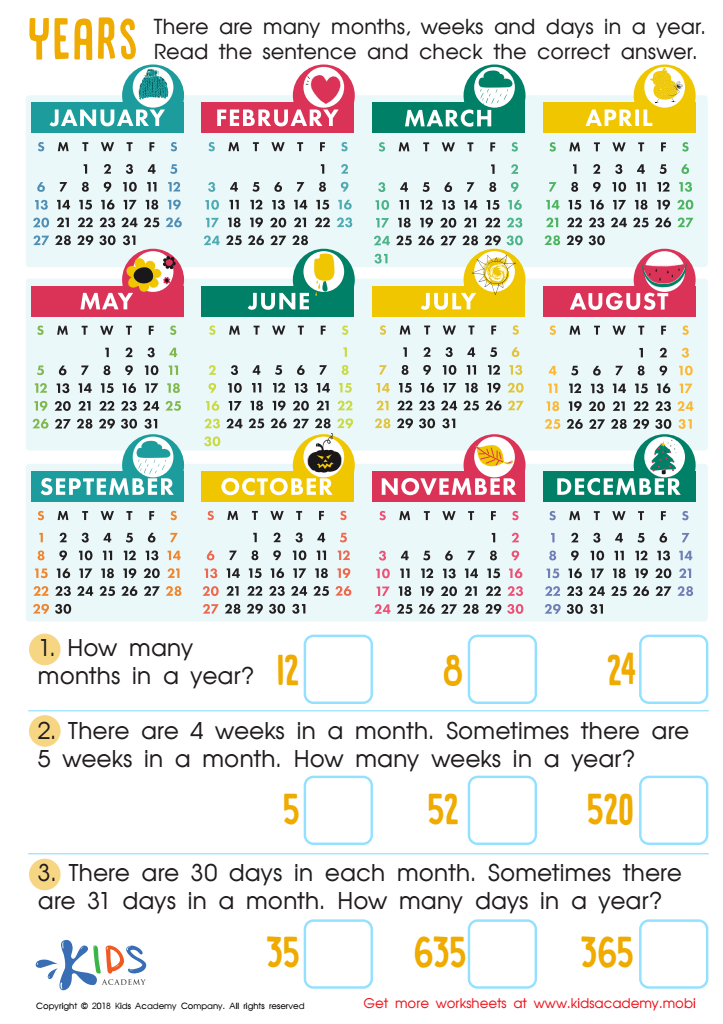
Years Worksheet
 Assign to My Students
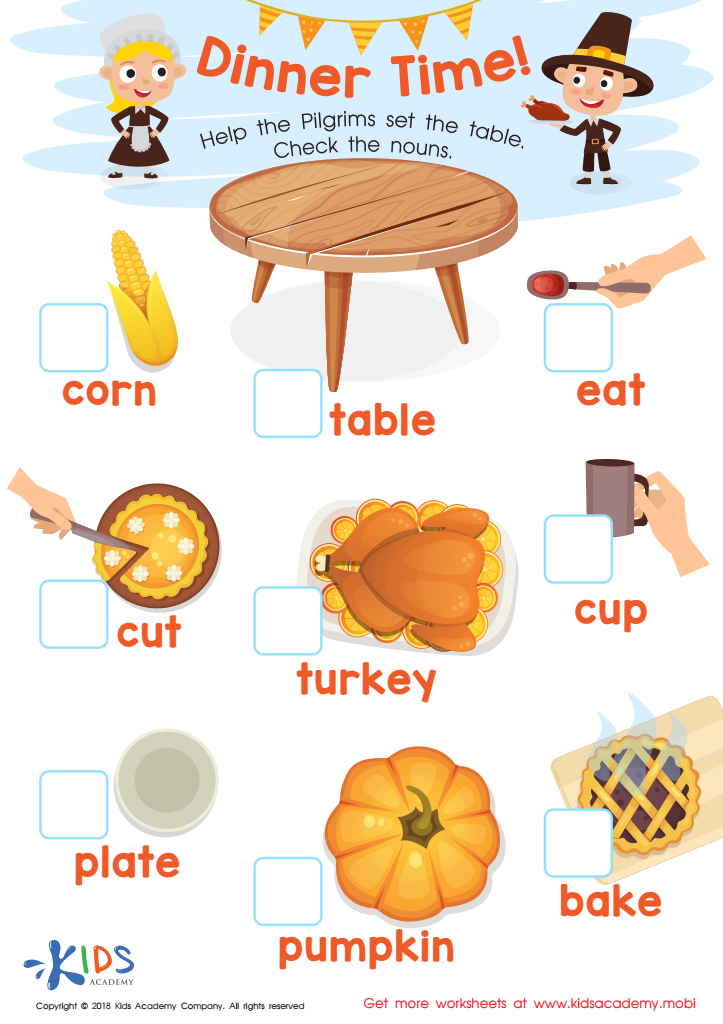
Dinner Time! Worksheet
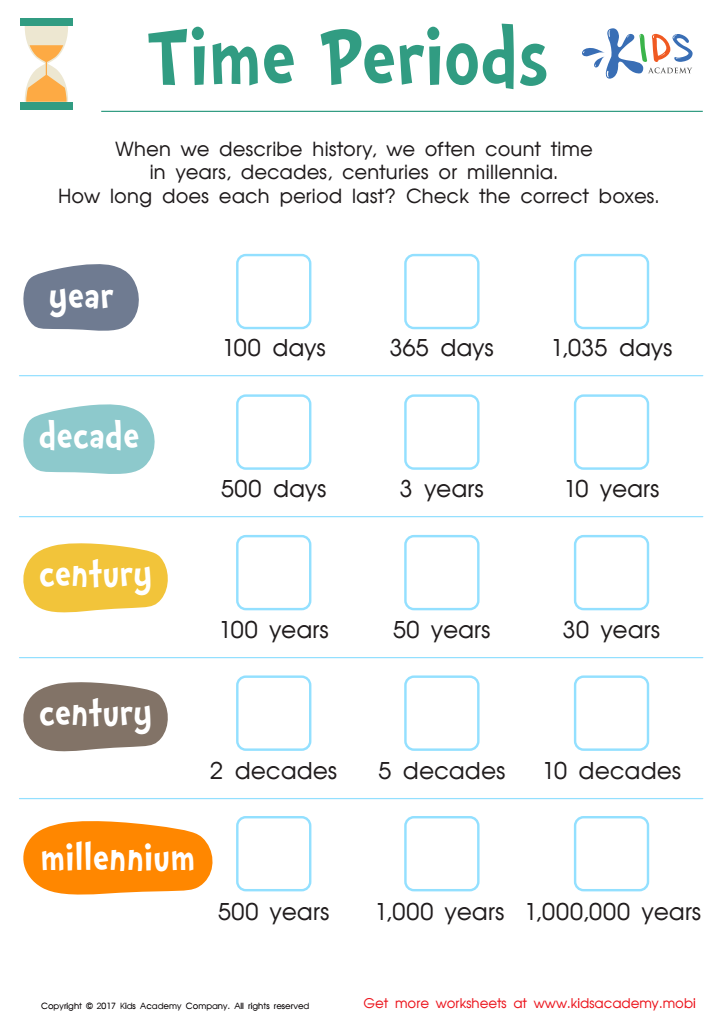
Time Periods Worksheet






Reading clocks is an essential skill for children ages 7-9, aligning with their developmental milestones and allowing them to navigate their daily lives more effectively. At this age, learning to tell time helps children structure their activities, fostering a sense of order and responsibility. For parents and teachers, promoting clock-reading proficiency is crucial for a child's academic success and independence.
Being able to read clocks supports numeracy skills, as it involves understanding numbers in sequence and concepts of hours and minutes. It also aids in developing problem-solving abilities and logical thinking, as children learn to anticipate and plan time-based activities.
Moreover, time-telling is deeply integrated into daily routines. From knowing when to wake up, eat meals, and attend school, to understanding the duration of tasks and activities, clock-reading proficiency helps children build a routine and manage their time effectively.
For teachers, facilitating this skill can enhance classroom management and scheduling, ensuring that students are aware of timetables and deadlines. For parents, it is a crucial step in fostering independence and self-regulation in their children. Ignoring this skill could lead to confusion and dependence, hindering personal growth and understanding of the world around them. Therefore, instilling solid time-reading skills in children is a foundational element of their overall education and personal development.








