Shape identification Normal Worksheets for Ages 7-9
4 filtered results
-
From - To
Discover our engaging Shape Identification Normal Worksheets designed specifically for children ages 7-9. These worksheets provide fun and interactive ways for young learners to recognize and categorize various shapes, enhancing their visual perception and critical thinking skills. Covering fundamental concepts of geometry, each worksheet includes detailed illustrations and clear instructions that make learning enjoyable. The exercises foster creativity and confidence as students explore shapes in diverse contexts. Ideal for classroom or home use, our resources support educators and parents in cultivating essential geometry skills through hands-on activities. Download our worksheets today and ignite your child's passion for shapes!
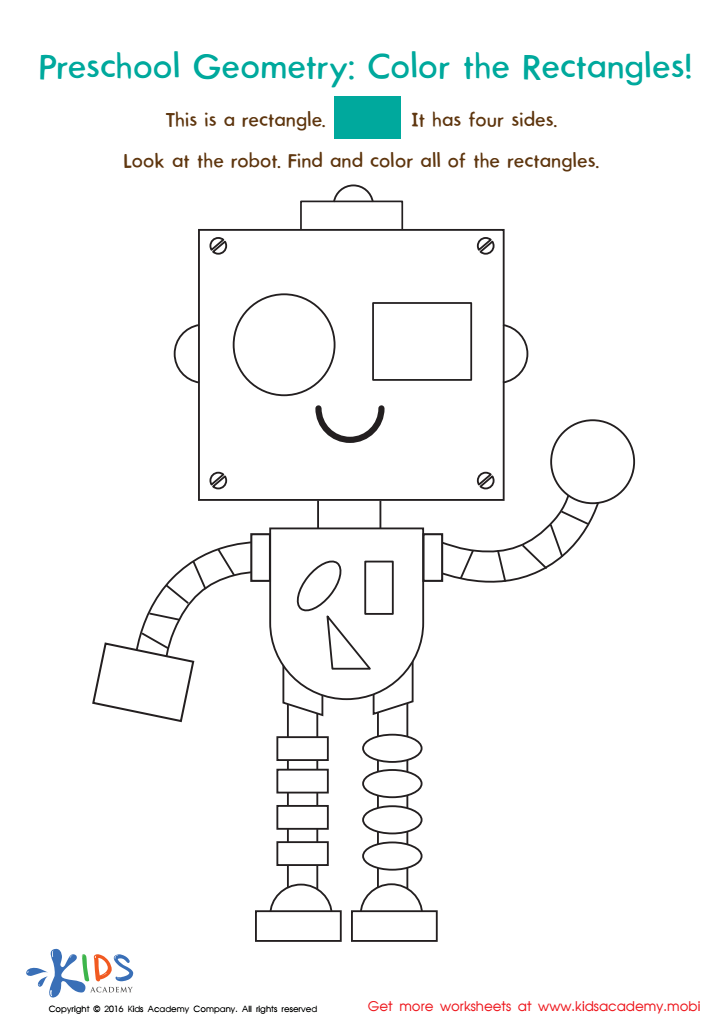
Geometry Worksheet
 Assign to My Students
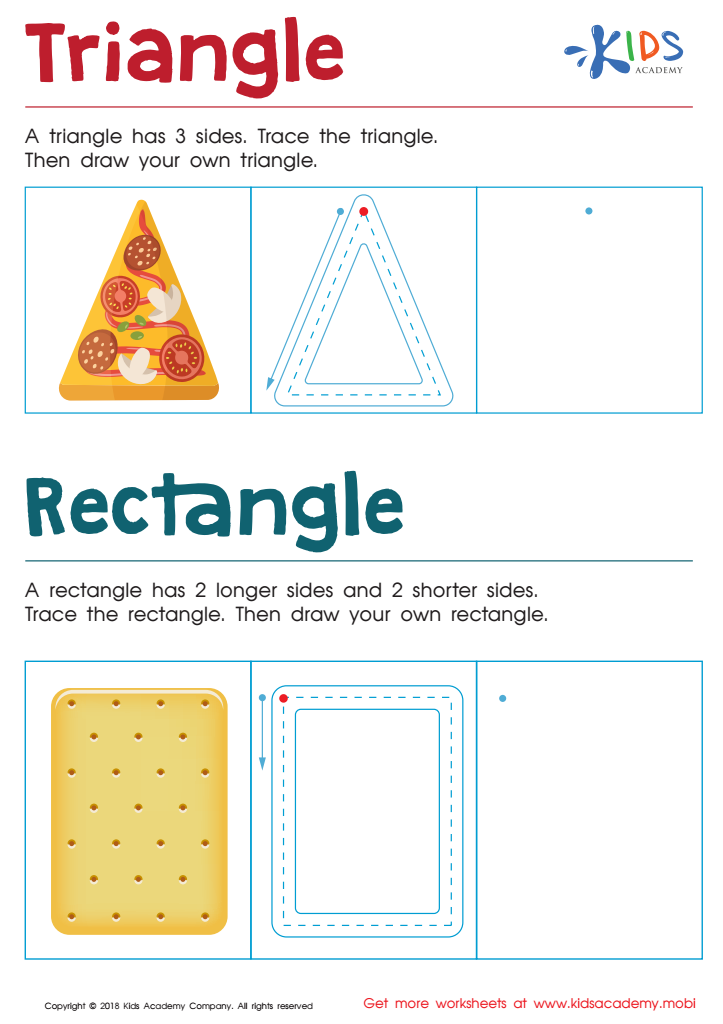
Triangle Rectangle Worksheet
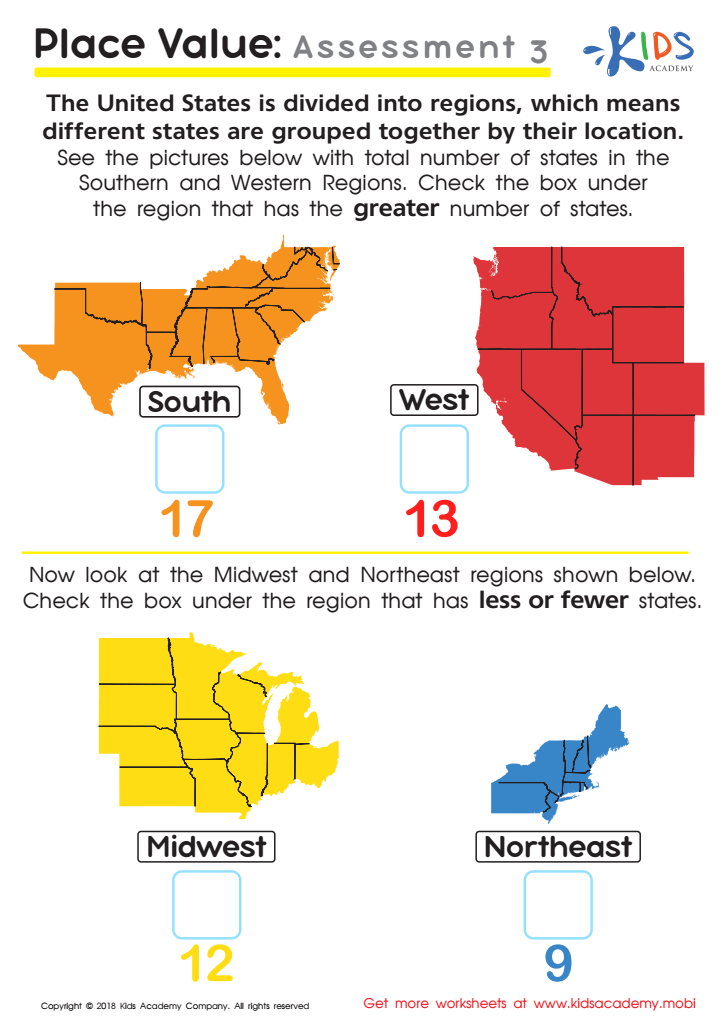
Place Value: Assessment 3 Worksheet
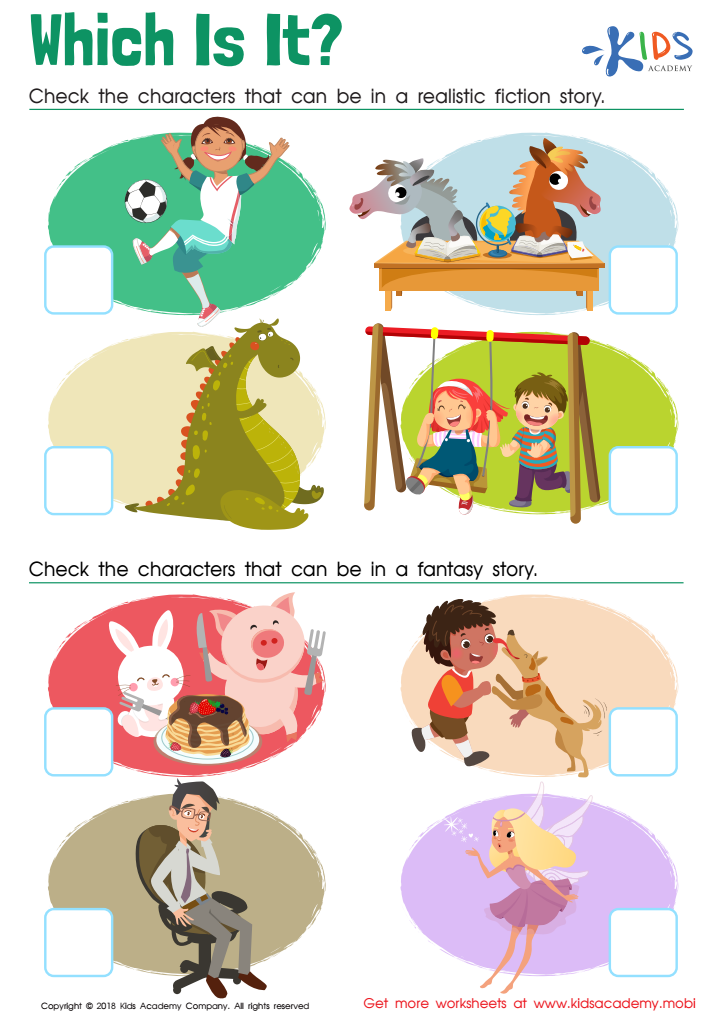
Which Is It? Worksheet








Shape identification is a fundamental skill for children aged 7 to 9, playing a crucial role in their cognitive development and everyday life. At this age, children are honing their ability to recognize, analyze, and differentiate various shapes, which lays the groundwork for more advanced mathematical concepts such as geometry, measurement, and spatial reasoning.
Parents and teachers should care about this aspect of learning because shape identification fosters critical thinking and problem-solving skills. Mastering shapes enhances children's ability to categorize objects, recognize patterns, and make connections between different concepts. This skill also supports their physical development, as it often involves hands-on activities that promote fine motor skills.
Furthermore, understanding shapes is essential for real-world applications, such as understanding environments, navigating space, and even in art and design. By reinforcing shape identification through engaging activities, parents and teachers can ensure that children build confidence in their abilities, promoting an overall love for learning. Therefore, integrating shape concepts into everyday activities and curricular lessons is vital in nurturing well-rounded, analytical young learners who are prepared for future academic challenges.








