Recognizing number patterns Normal Math Worksheets for Ages 7-9
4 filtered results
-
From - To
Explore the world of number patterns with our engaging Normal Math Worksheets, specially designed for children aged 7-9. These printable worksheets help young learners recognize, analyze, and extend number sequences while developing their mathematical thinking skills. Each worksheet focuses on various types of patterns, including skip counting, addition, and subtraction sequences, making math fun and interactive. With colorful designs and age-appropriate exercises, these worksheets empower students to build a strong foundation in number recognition and patterning. Perfect for use at home or in the classroom, our resources foster a love for math and enhance problem-solving abilities essential for future learning.
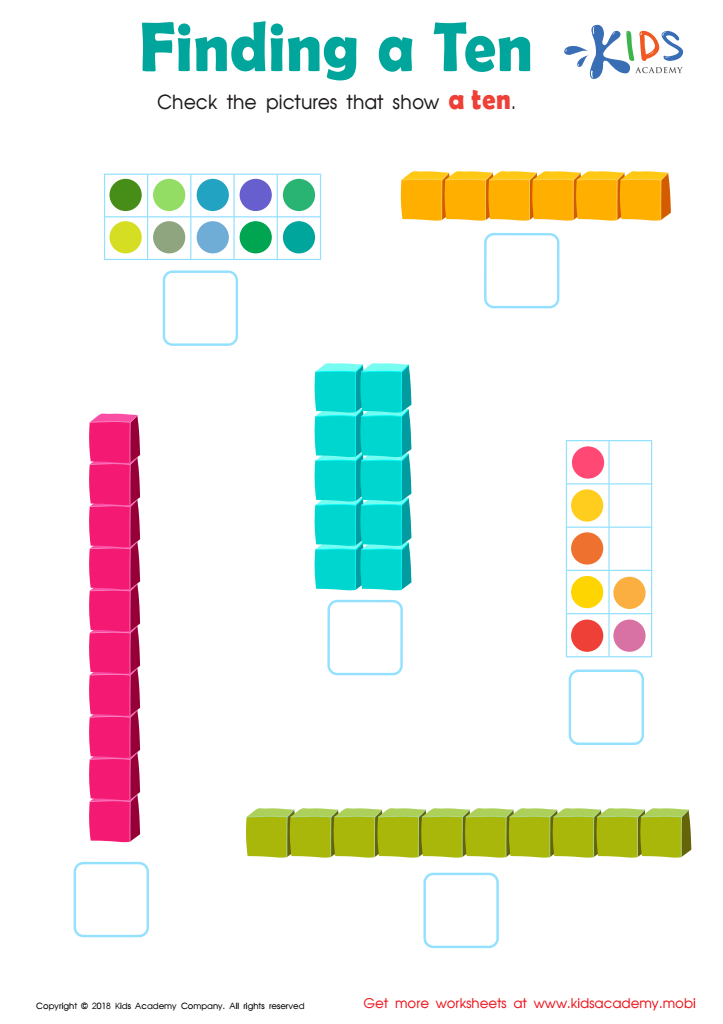
Finding a Ten Worksheet
 Assign to My Students
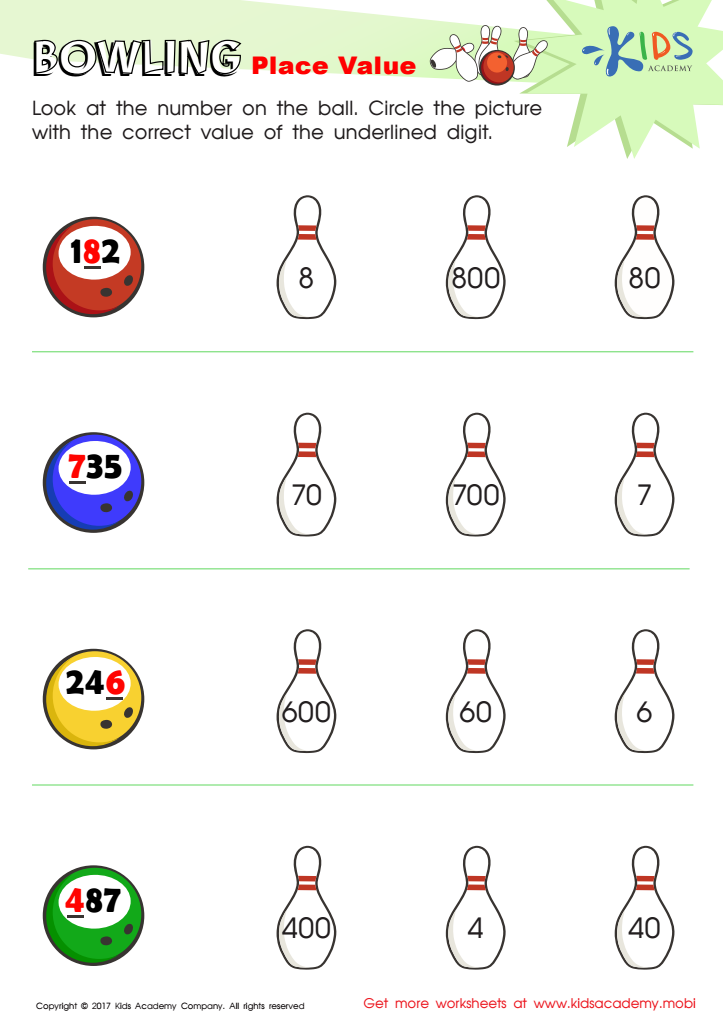
Place Value Worksheet
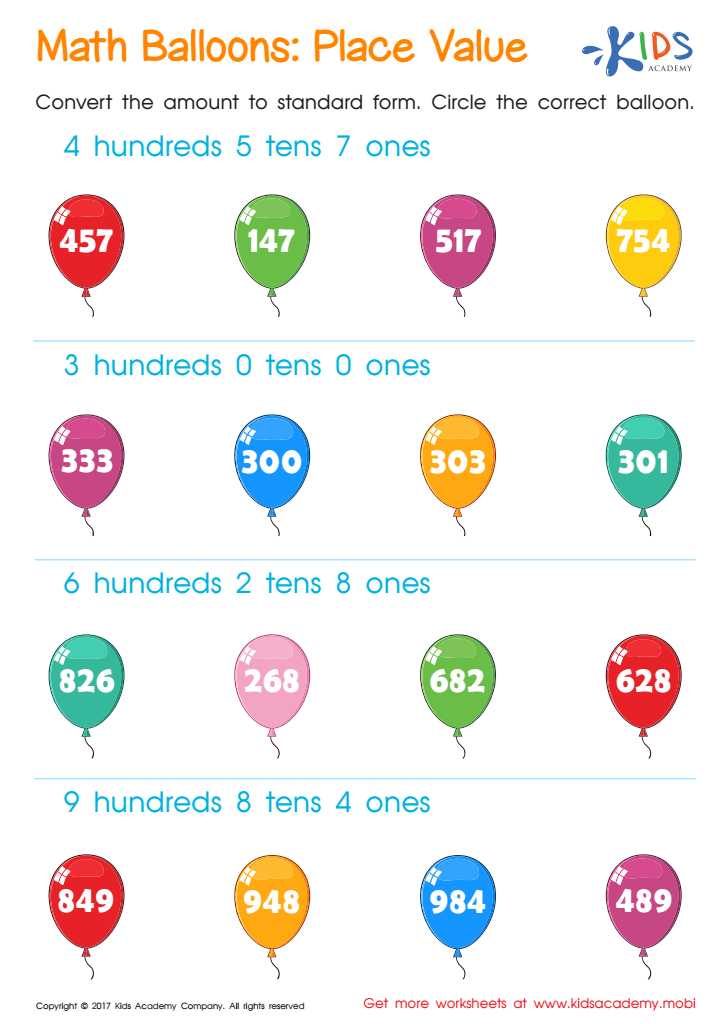
Place Value Printable Worksheet
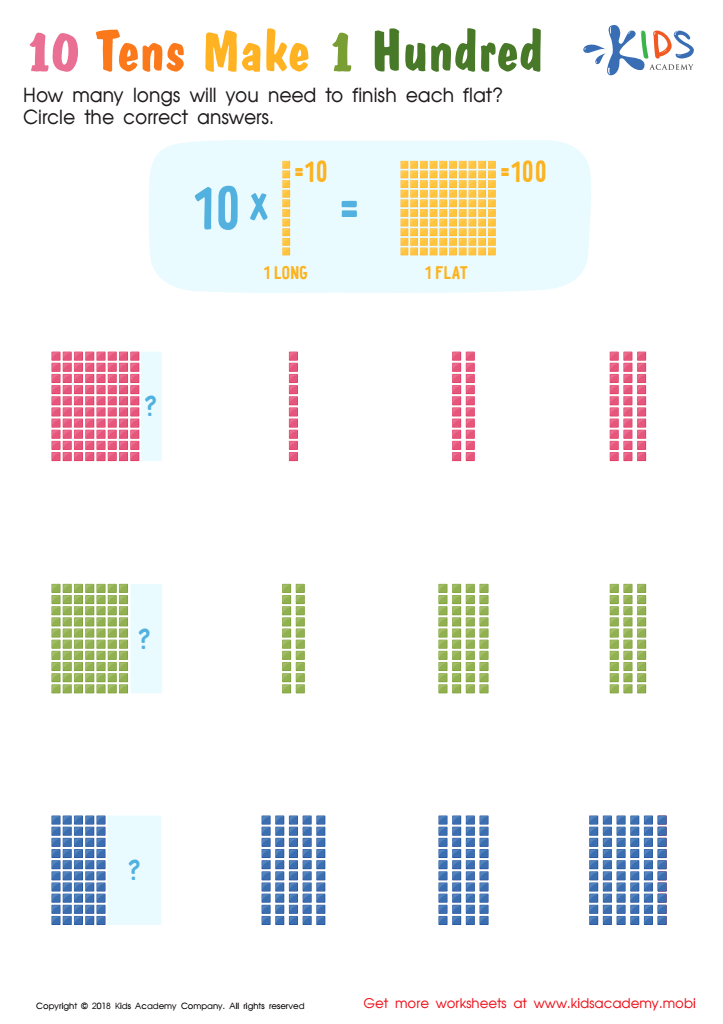
10 Tens Make 1 Hundred Worksheet


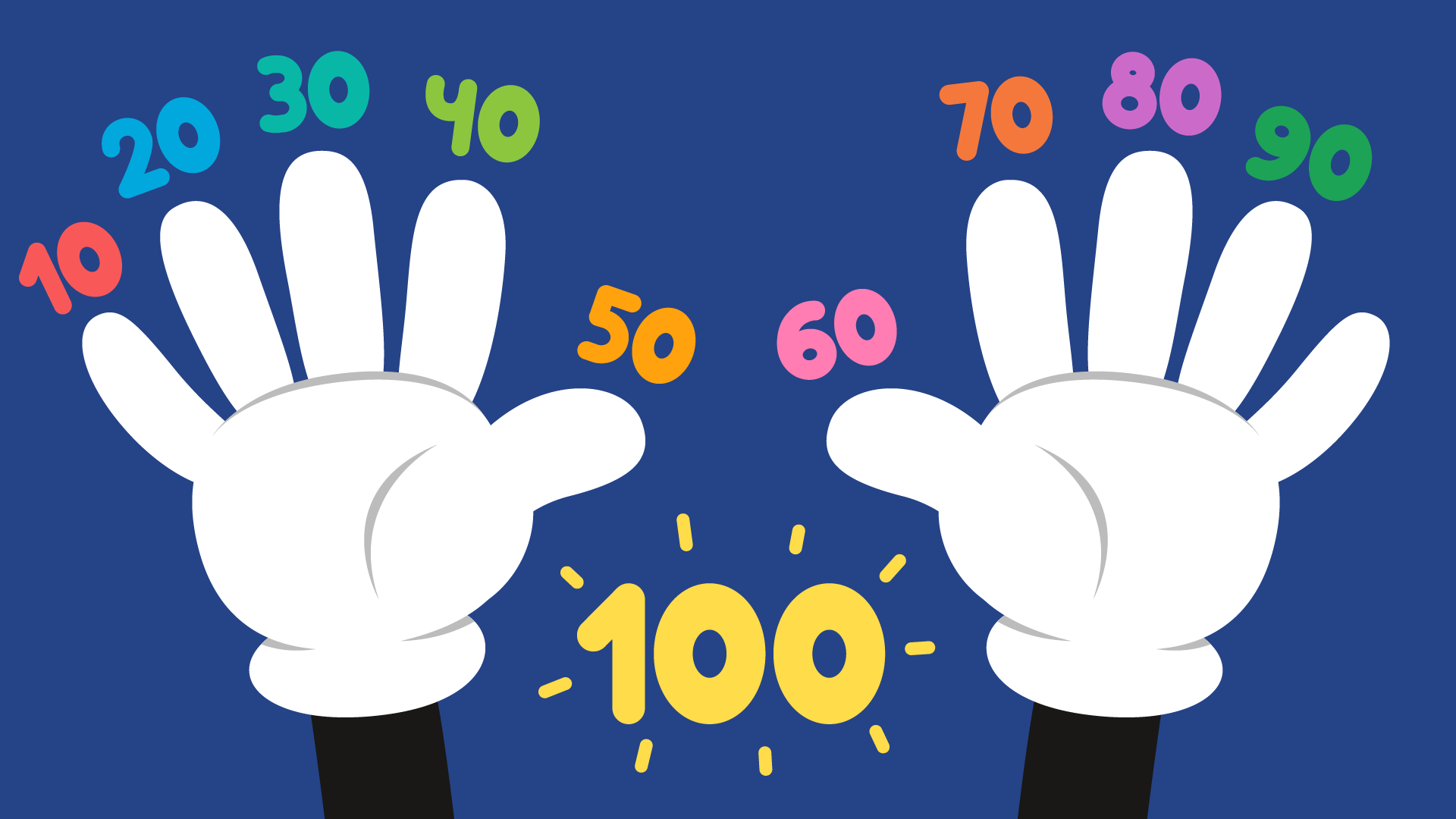




Recognizing number patterns is a fundamental mathematical skill for children aged 7-9 that lays the groundwork for more advanced concepts. Parents and teachers should care about this skill because it enhances cognitive development and critical thinking. When kids identify patterns, they learn to predict outcomes and make connections, boosting their overall problem-solving abilities.
Furthermore, recognizing number patterns fosters a sense of number sense, which is crucial for mastering operations like addition, subtraction, multiplication, and division. By understanding patterns, students can quickly recognize related facts, making calculations easier and more intuitive. This not only builds confidence in math but also encourages a positive mindset toward learning.
Additionally, number patterns are a gateway to more complex mathematical concepts such as algebra and geometry. By nurturing this skill early on, caregivers help set the stage for future learning and academic success.
Promoting pattern recognition also provides opportunities for collaboration and engagement in the classroom. It allows teachers to create interactive activities that make learning math enjoyable. Overall, recognizing number patterns not only enhances students’ mathematical abilities but also enriches their overall learning experience, paving the way for a lifelong appreciation of mathematics.








