Addition skills Normal Place Value Worksheets for Ages 7-9
5 filtered results
-
From - To
Unlock your child's potential in math with our Addition Skills Normal Place Value Worksheets for ages 7-9. These educator-designed worksheets offer fun and engaging ways to strengthen addition skills through the understanding of place value concepts. Perfect for young learners, our activities provide a structured approach to addition, ensuring your child builds a strong mathematical foundation. Whether your child is just starting or looking to boost their skills, these printable worksheets adapt to different learning styles, making math practice enjoyable and effective. Help your child excel in math with our expertly crafted resources today!
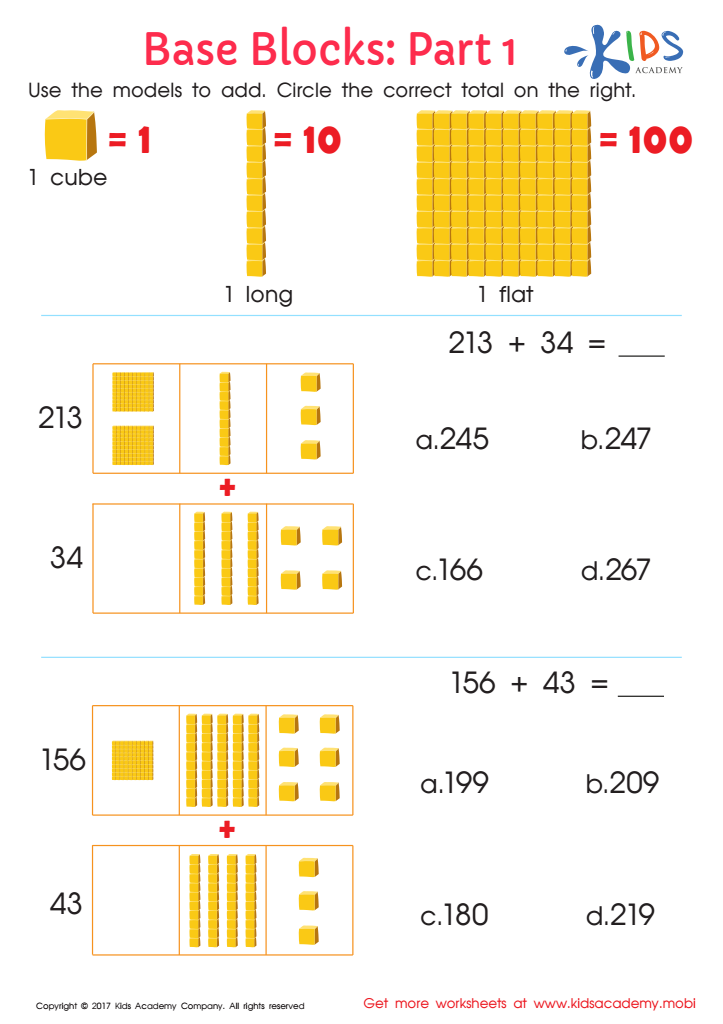
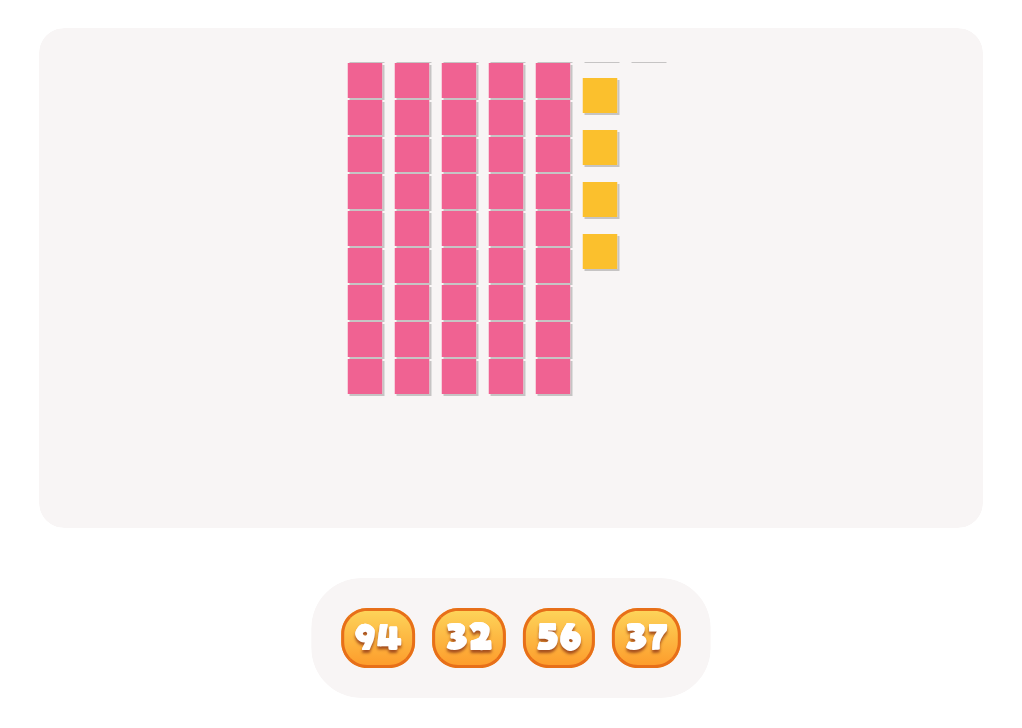
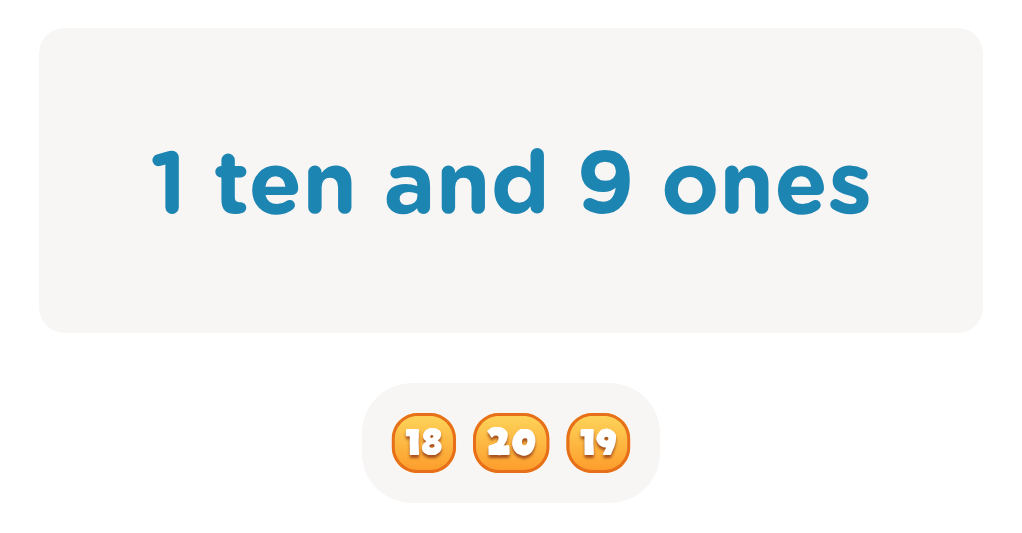
Base Ten Blocks Worksheet: Part 1
 Assign to My Students

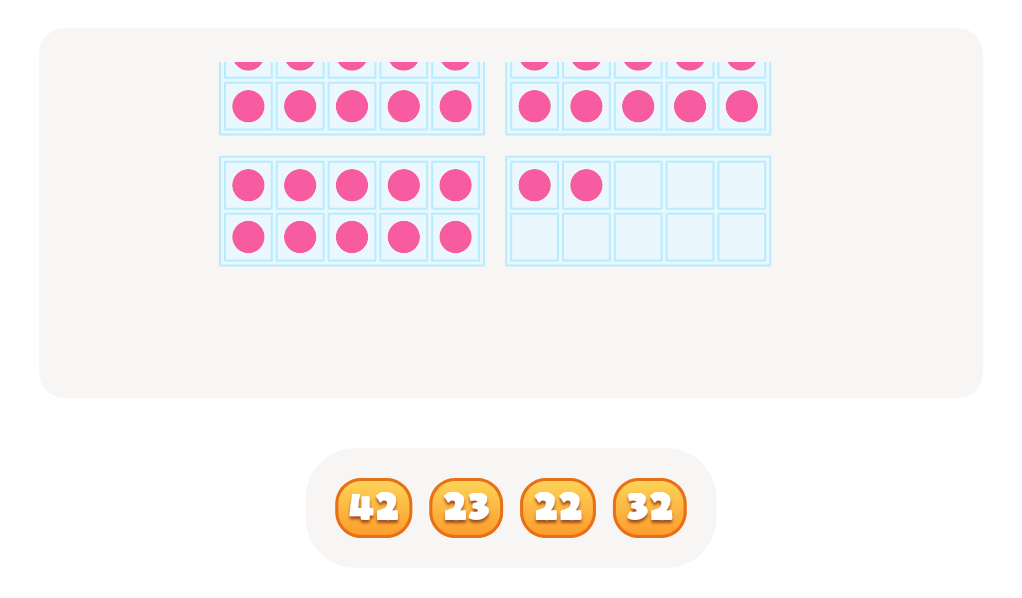
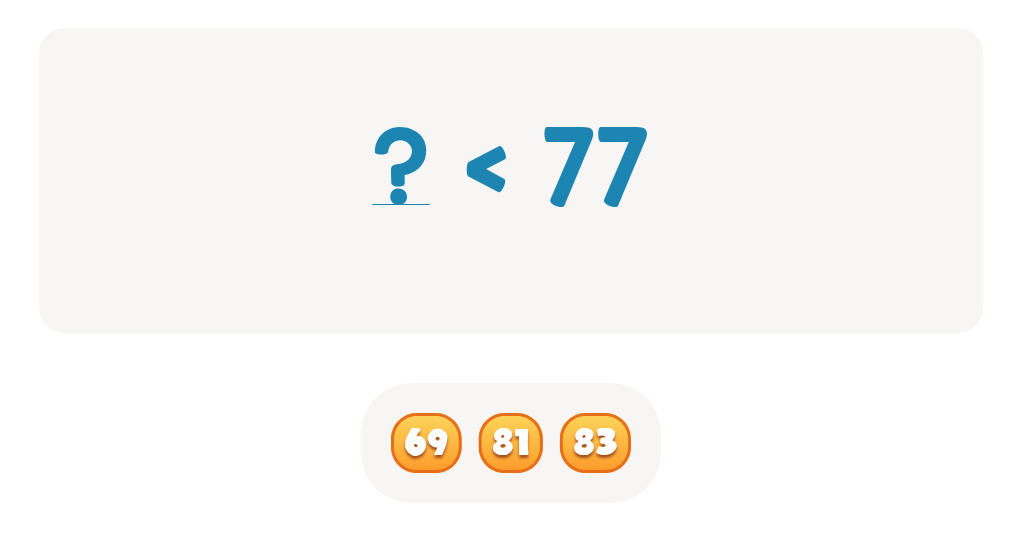
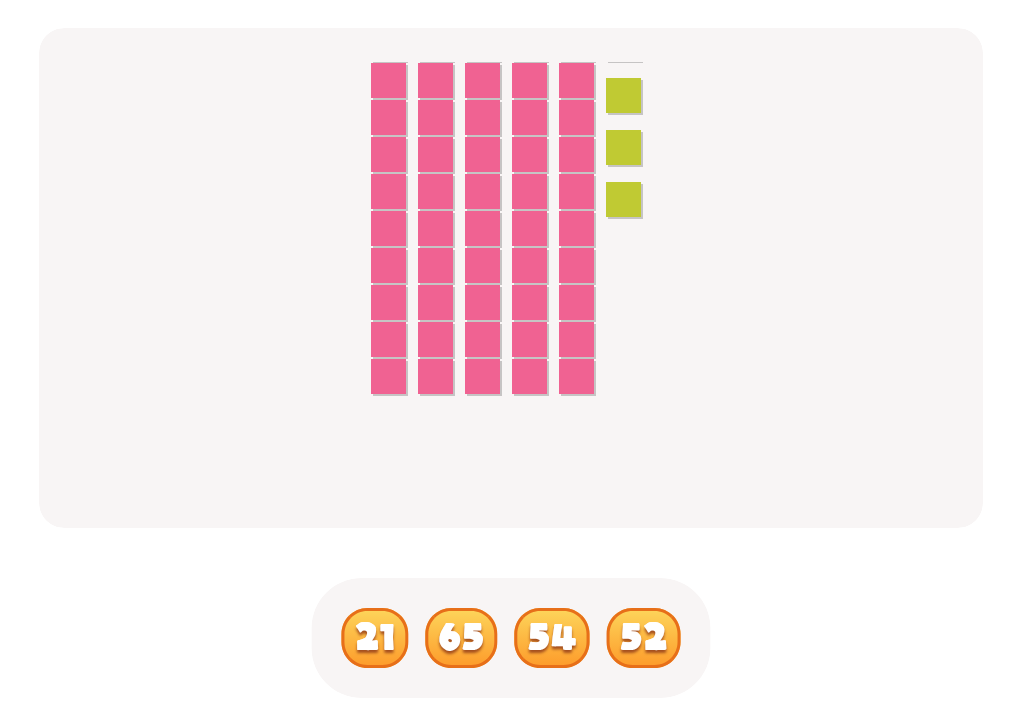
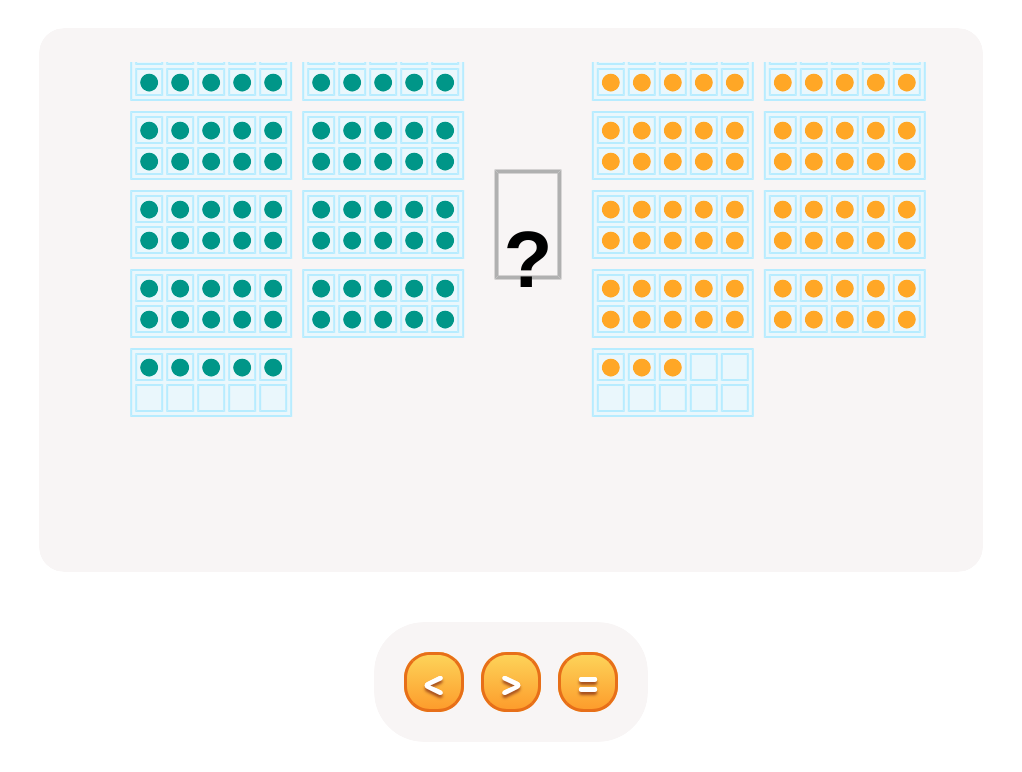
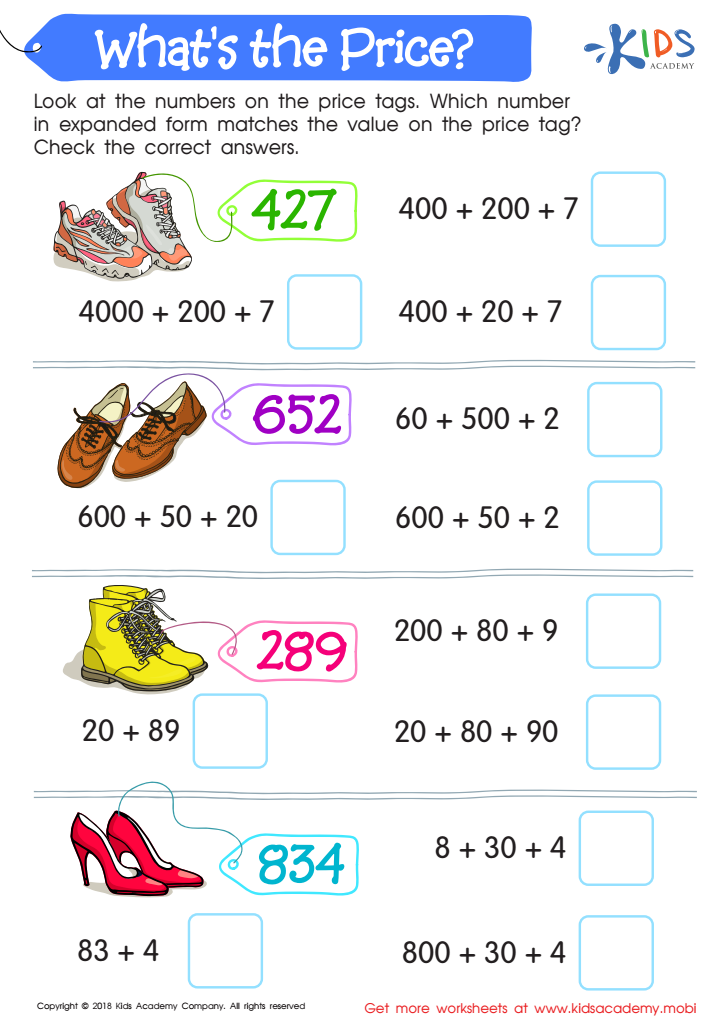
What's the Price? Worksheet
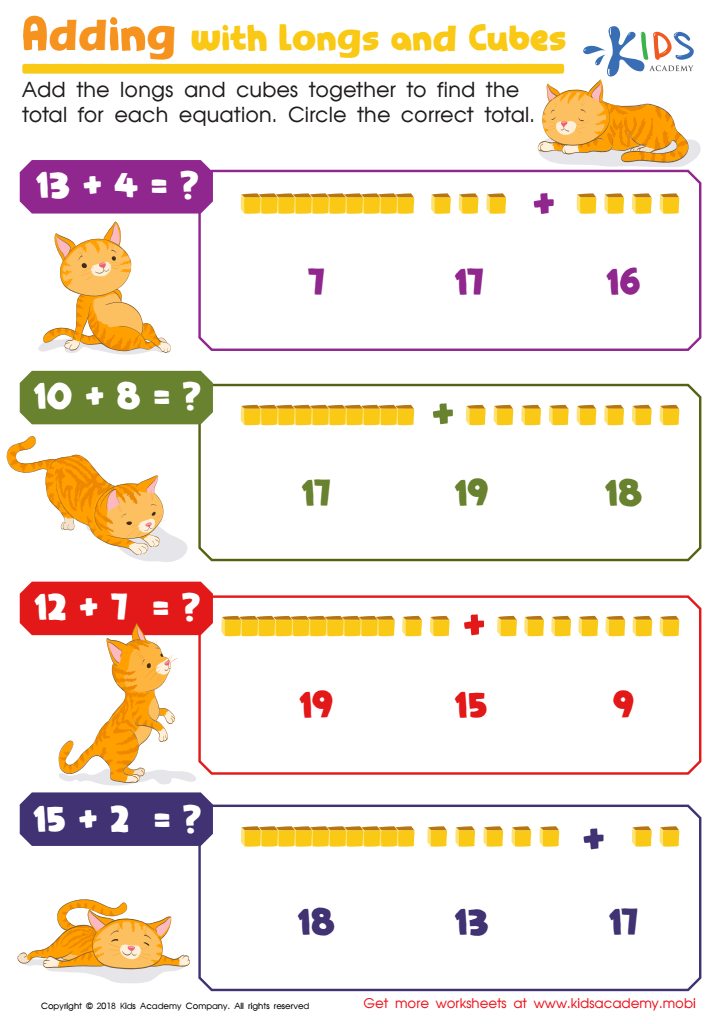
Adding With Longs and Cubes Worksheet
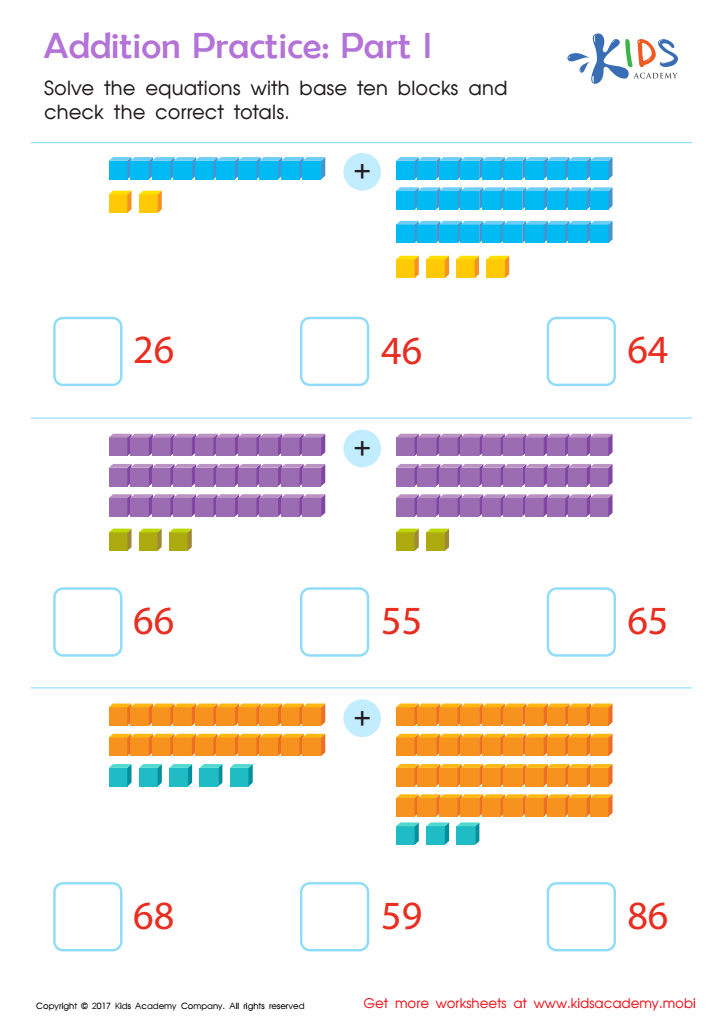
Addition Practice Sheet: Part 1
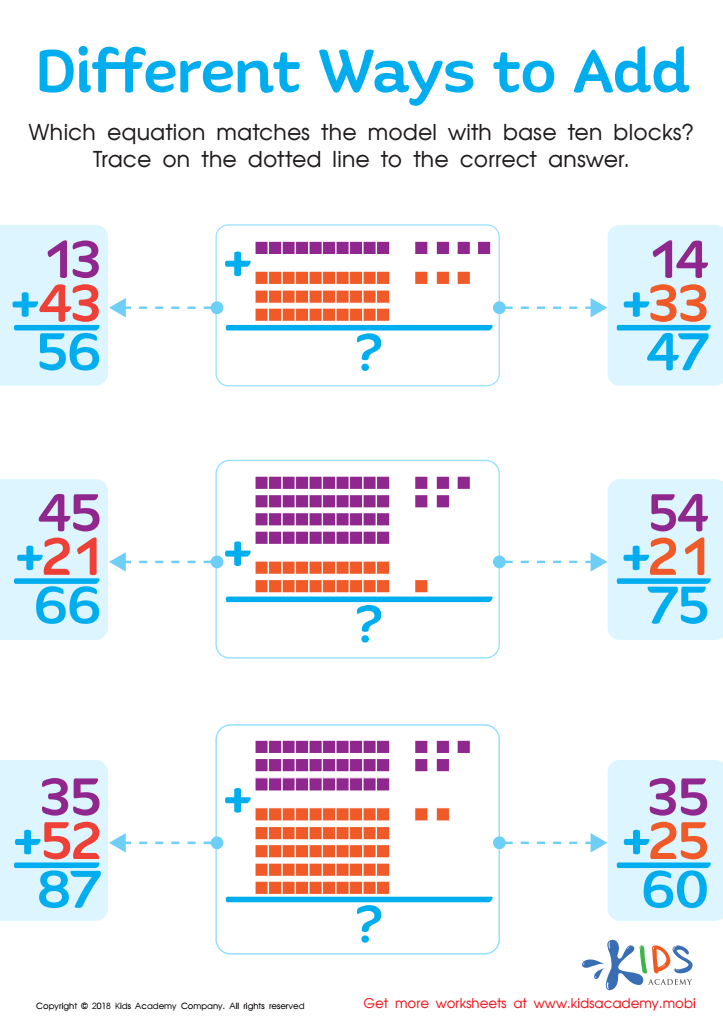
Different Ways to Add Worksheet








Understanding addition skills and normal place value is crucial for children aged 7-9, as it forms the cornerstone of their mathematical development. At this formative stage, mastering these concepts not only aids in academic achievements but also supports essential cognitive growth.
Addition is one of the fundamental arithmetic operations. It helps children develop number sense, allowing them to recognize patterns, understand the relationships between numbers, and start solving more complex math problems. Mastery of addition sets a solid foundation for learning multiplication, division, and fractions later on.
Normal place value, the understanding of the position of digits in numbers, is equally important. It helps children comprehend that the place of a digit in a number determines its value (for example, the '5' in '50' represents fifty, not five). This understanding is pivotal for performing multi-digit addition and subtraction with accuracy.
Moreover, these skills are essential for real-life applications. They help in outside-classroom scenarios like time management, money handling, and problem-solving, fostering independence and confidence. Enhancing these abilities during early education ensures children are well-prepared for future learning. Parents and teachers who emphasize addition and place value are setting their students up for success, both academically and in everyday life skills. Supporting children in these areas nurtures a positive attitude towards mathematics, fostering lifelong learners.