Vocabulary Building Normal Building Vocabulary Worksheets for Ages 7-9
9 filtered results
-
From - To
Enhance your child's language skills with our engaging Vocabulary Building Worksheets, designed specifically for ages 7-9. These adaptive resources focus on improving vocabulary through fun exercises, word games, and context-based activities. Children will discover new words, their meanings, and how to use them in sentences, boosting both their reading comprehension and writing abilities. Our worksheets promote independent learning while reinforcing essential language skills through an interactive approach. Ideal for classroom use or at-home practice, these worksheets make vocabulary building an enjoyable experience for young learners. Empower your child with the skills they need for academic success and confident communication!
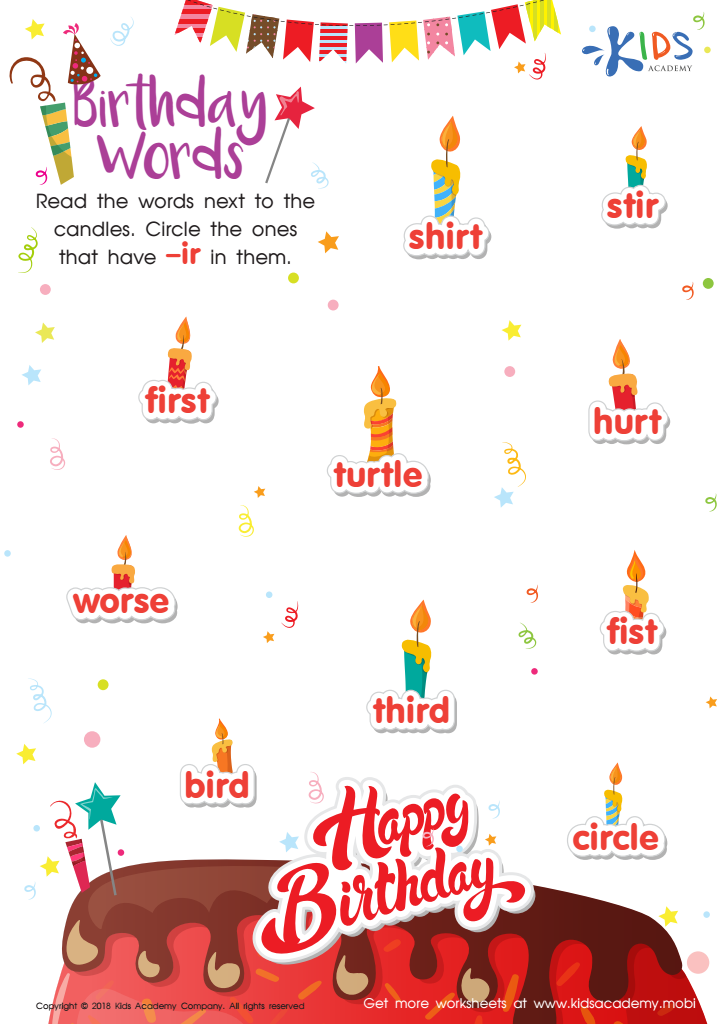
Birthday Words Worksheet
 Assign to My Students











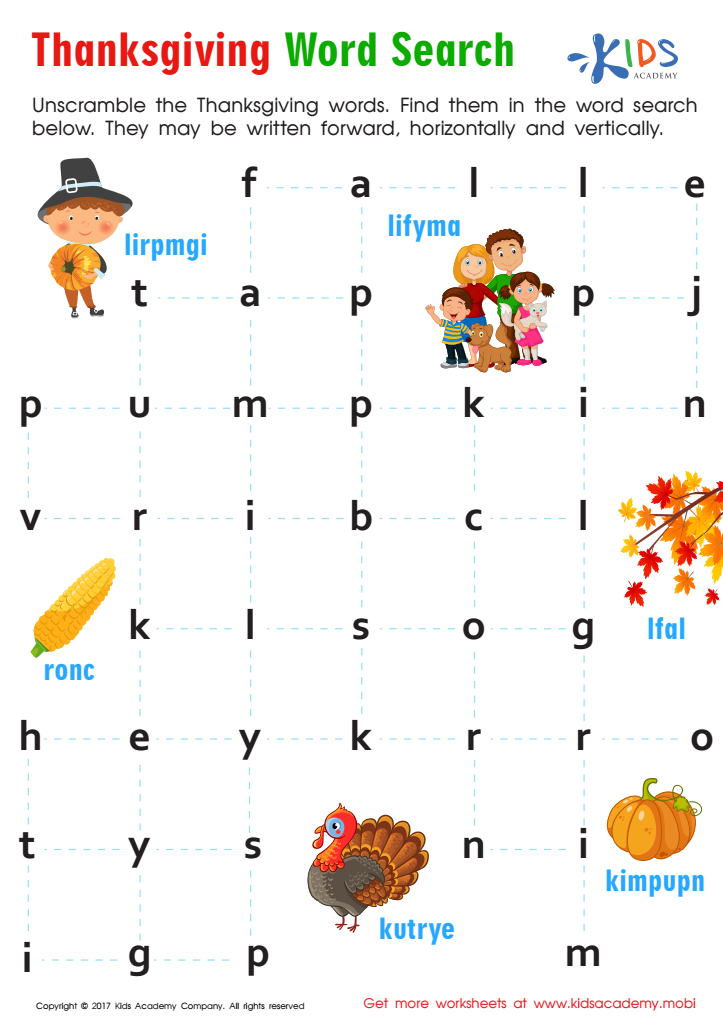
Thanksgiving Word Search Sight Words Worksheet
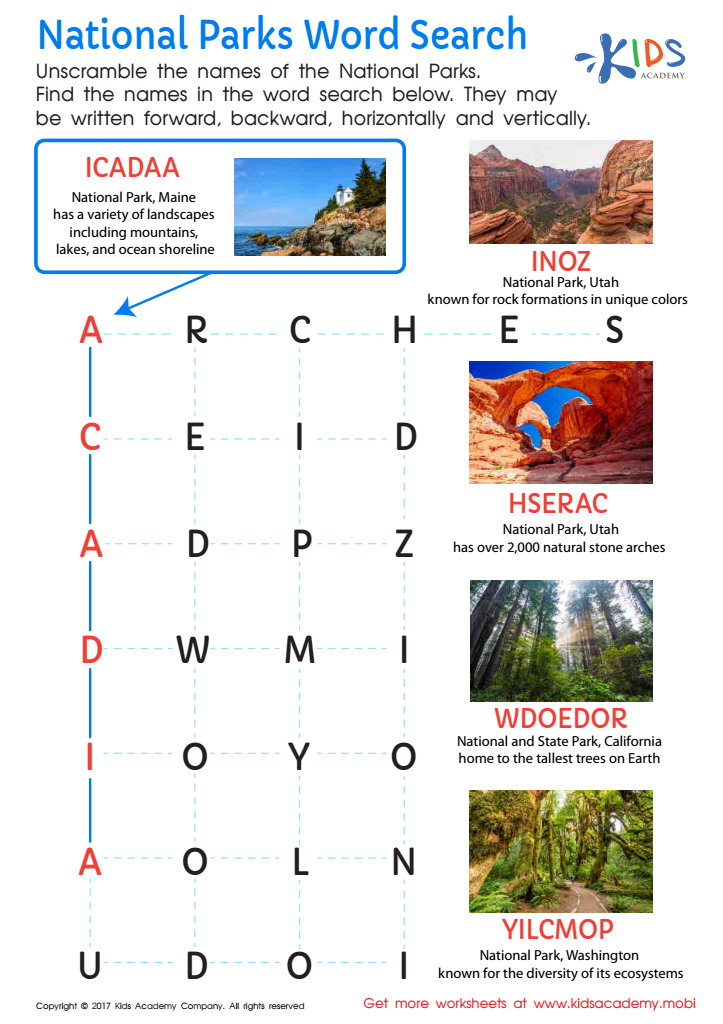
National Parks Word Search Worksheet
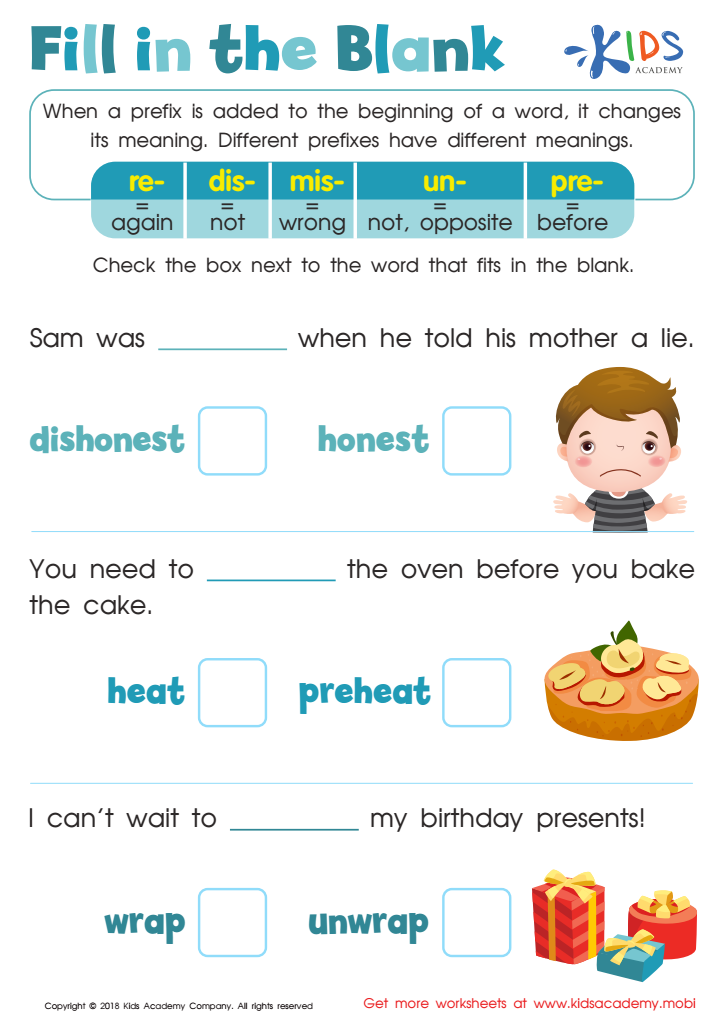
Reading: Fill in the Blank Worksheet
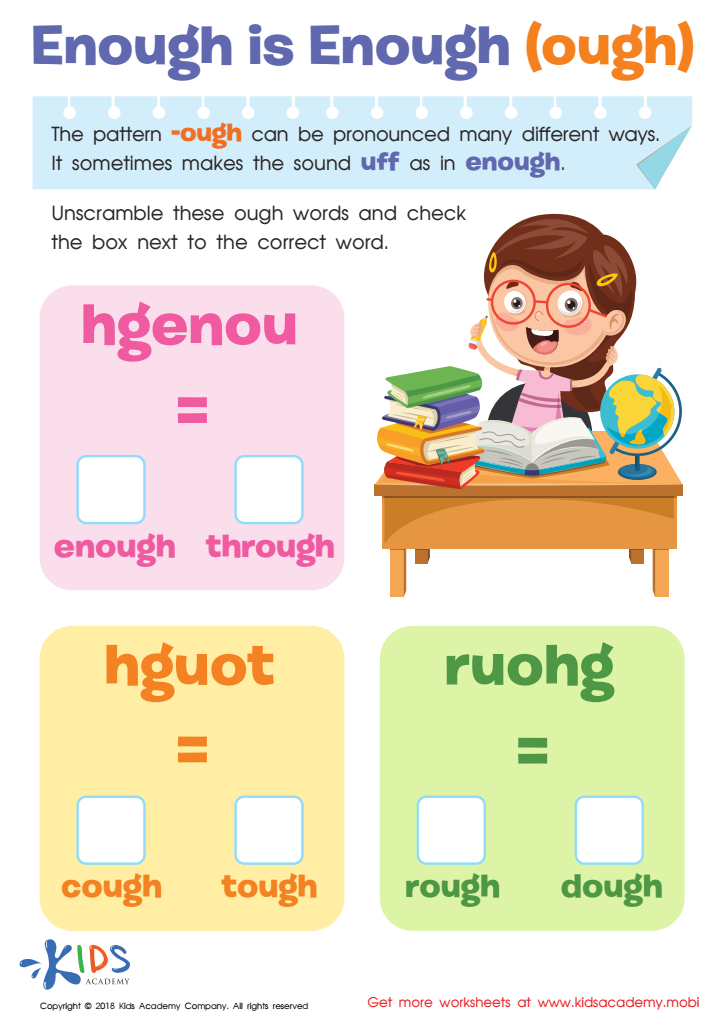
Enough Is Enough (ough) Worksheet
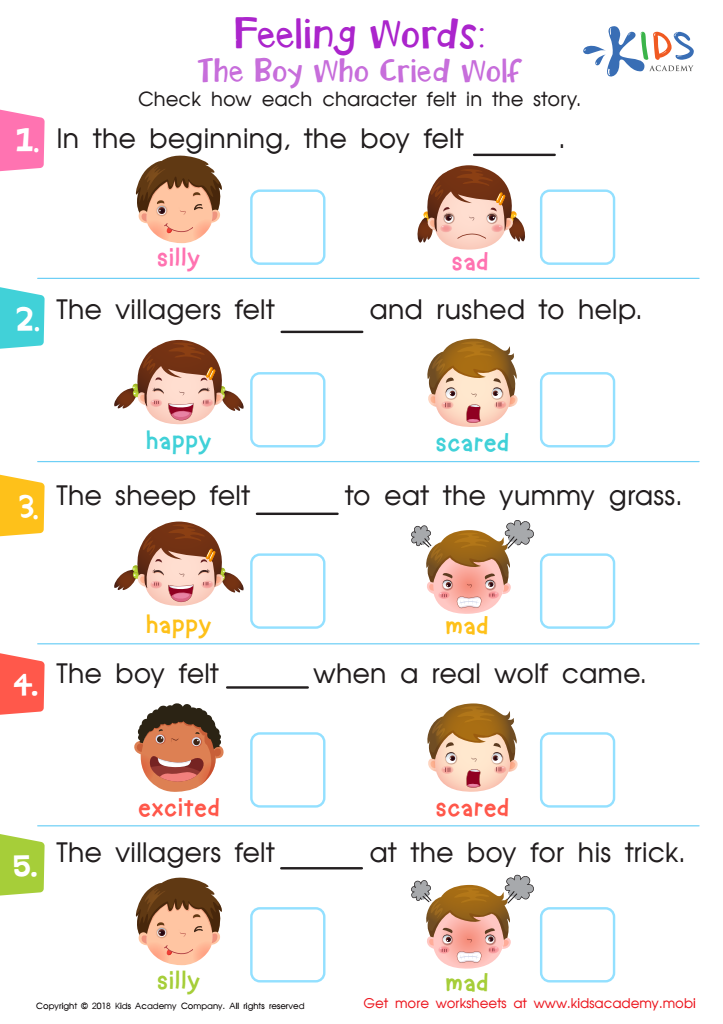
Feeling Words: The Boy Who Cried Wolf Worksheet
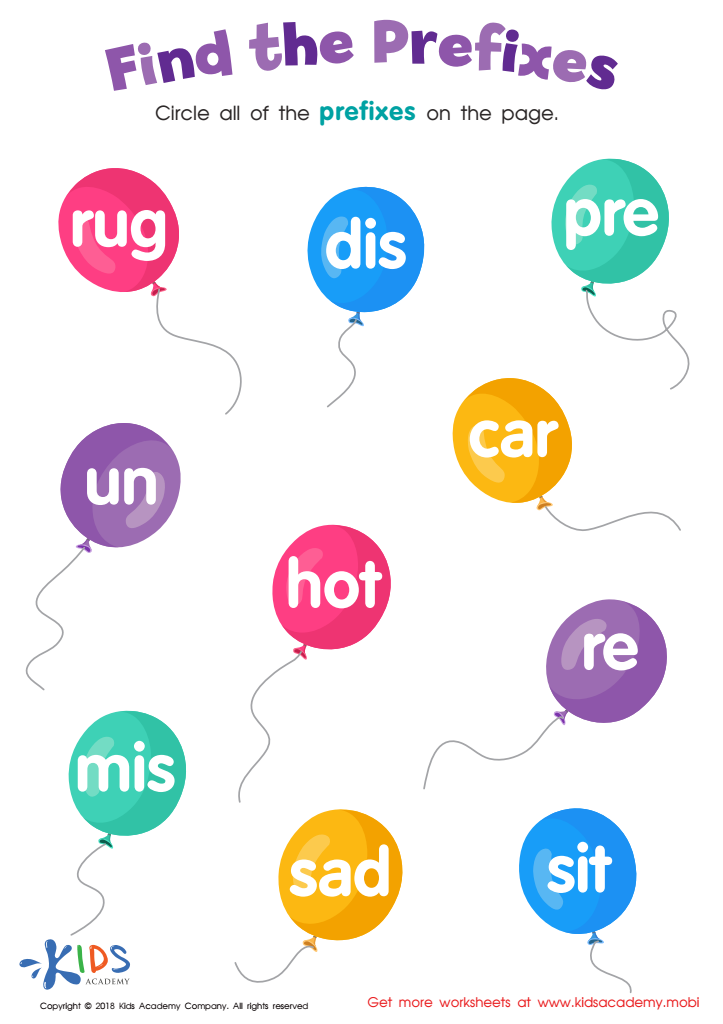
Reading: Find the Prefixes Worksheet
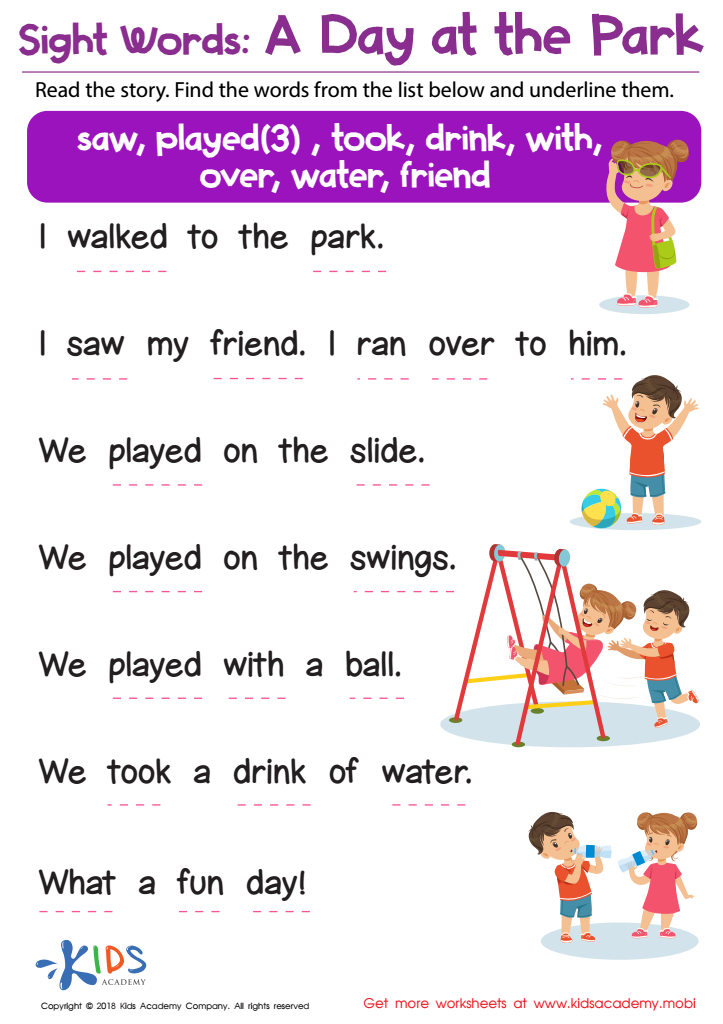
Sight Words: A Day at the Park Worksheet
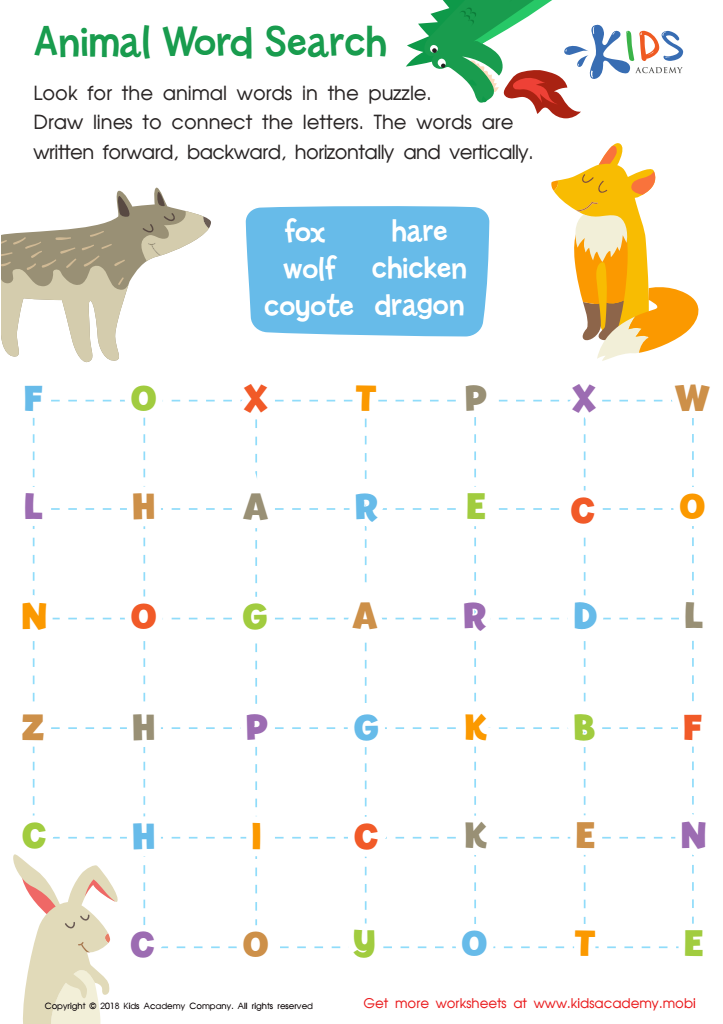
Animal Word Search Worksheet





.jpg)


Building vocabulary for children aged 7-9 is crucial for their cognitive and linguistic development. During these formative years, children are increasingly exposed to complex texts and diverse subjects. A strong vocabulary not only enhances reading comprehension but also enriches their ability to express thoughts, ideas, and emotions. This age group is transitioning from learning to read to reading to learn, making vocabulary acquisition vital for academic success.
Parents and teachers play a pivotal role in this process. Engaging students in conversations, exposing them to new words in context, and encouraging interactive reading can significantly boost their vocabulary. A robust vocabulary fosters critical thinking; children are better equipped to analyze texts, articulate arguments, and engage in meaningful discussions.
Moreover, vocabulary building contributes to self-confidence. Children who can express themselves clearly are more likely to participate in class and social settings. As they become proficient communicators, they develop a positive self-image, essential for their overall well-being.
Lastly, enhancing vocabulary lays the groundwork for lifelong learning. The ability to understand and use a wide range of words is linked to academic achievement and opportunities in the future. Adults who value vocabulary development will cultivate lifelong learners equipped to navigate a complex world.








