Understanding Sequences Normal Reading Comprehension Worksheets for Ages 7-9
3 filtered results
-
From - To
Unlock the key to reading comprehension with our "Understanding Sequences" worksheets tailored for ages 7-9! These engaging printable activities help young learners develop essential skills by focusing on identifying and arranging events in the correct order. Each worksheet features age-appropriate texts followed by a variety of questions that encourage critical thinking and reinforce understanding. Designed to boost comprehension and foster a love for reading, these resources are perfect for classrooms or at-home learning. Dive into our interactive activities today and equip your students with the tools they need to become confident readers while enhancing their sequence recognition skills!
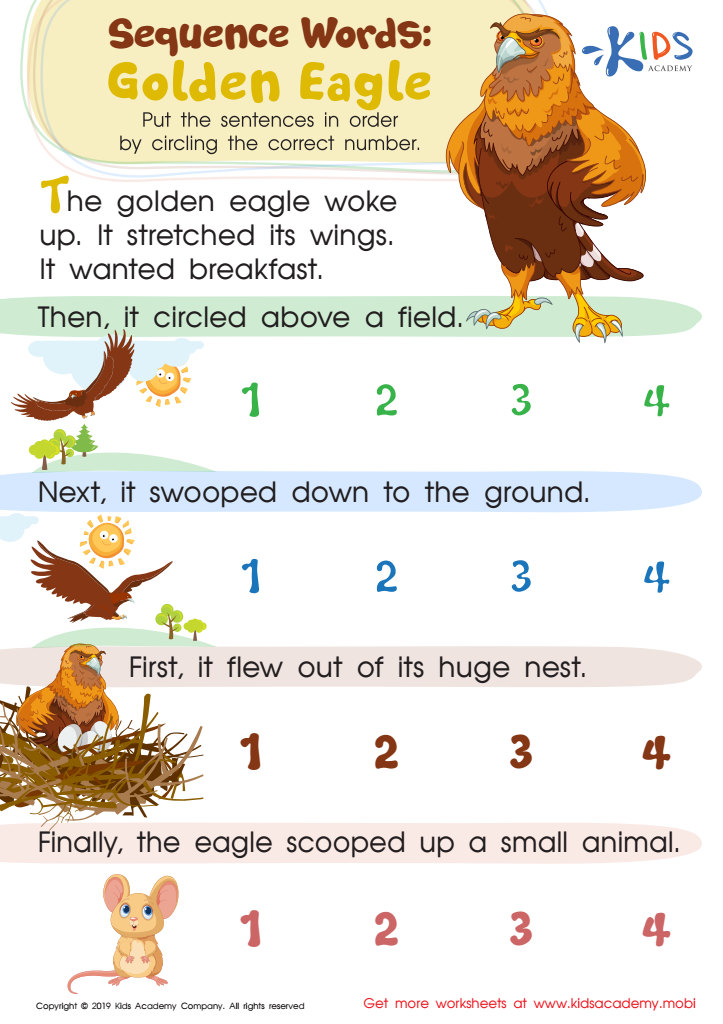
Sequence Word Eagle Worksheet
 Assign to My Students
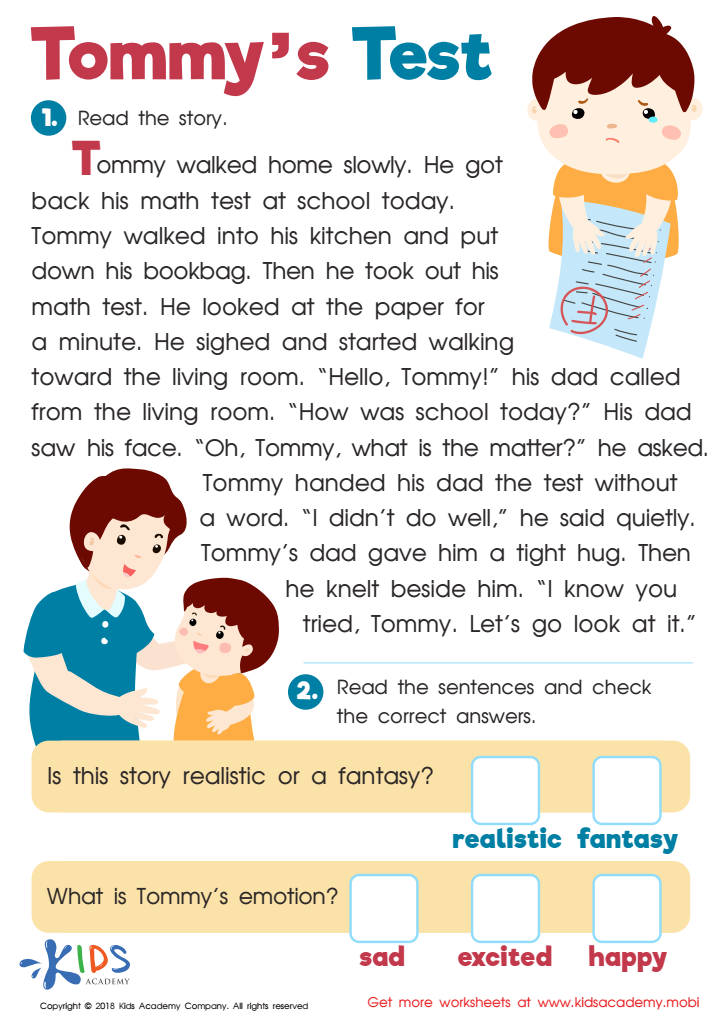
Tommys Test Worksheet
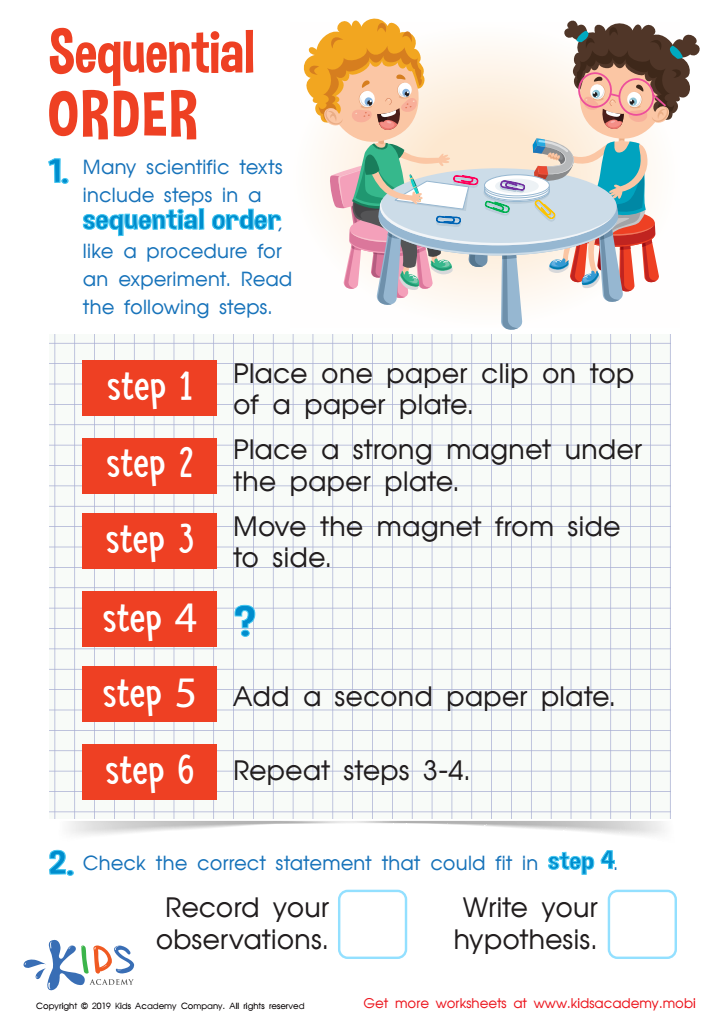
Sequencential Order Worksheet





.jpg)


Understanding sequences in reading comprehension is crucial for children aged 7-9 as it lays the foundation for their overall literacy skills. During these formative years, students begin to engage with more complex texts, and recognizing sequences helps them make sense of narrative structures and follow plot developments. When children learn to identify the order of events—whether in stories, informational texts, or even everyday instructions—they enhance their ability to predict outcomes, draw connections, and infer meanings.
For parents and teachers, fostering this skill not only aids in comprehension but also supports critical thinking and improves retention. Children who grasp sequences are better equipped to summarize stories, answer questions accurately, and engage in thoughtful discussions about the material. Furthermore, understanding sequences contributes to their ability to follow multi-step processes, which is vital in mathematics and scientific inquiries.
By prioritizing comprehension strategies focused on sequences, adults empower children to become more confident readers and resilient learners. This foundational skill serves as a stepping stone not only for academic success but also for lifelong learning and effective communication skills, benefitting them in all their future educational endeavors. Thus, nurturing this skill should be a shared goal among parents and teachers alike.