Reading comprehension Normal Rhyming Words Worksheets for Ages 7-9
5 filtered results
-
From - To
Enhance your child's reading skills with our engaging "Reading Comprehension Normal Rhyming Words Worksheets" designed specifically for ages 7-9. These colorful and interactive worksheets make learning fun while helping kids develop their understanding of rhyming words and enhancing their reading abilities. Each activity promotes critical thinking and improves vocabulary, fostering a love for reading. Your child will practice identifying rhymes, constructing sentences, and answering comprehension questions that reinforce their skills. Perfect for classroom use or at-home learning, these worksheets encourage literacy development in a playful and enjoyable manner. Start your child's reading journey today with these valuable resources!
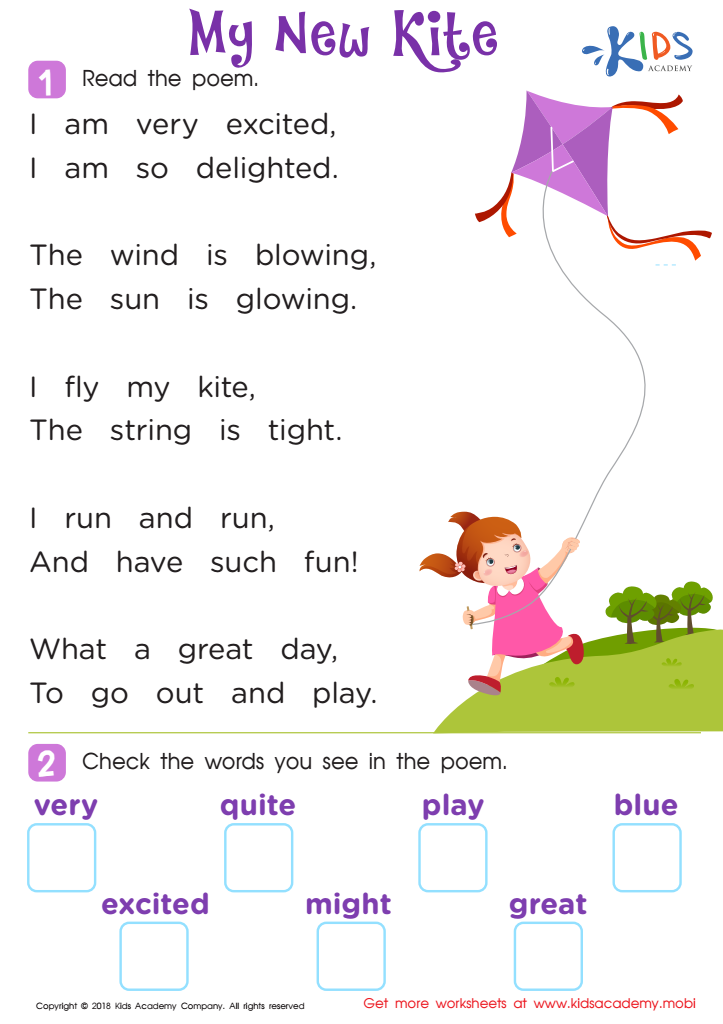
Poem: My New Kite Worksheet
 Assign to My Students
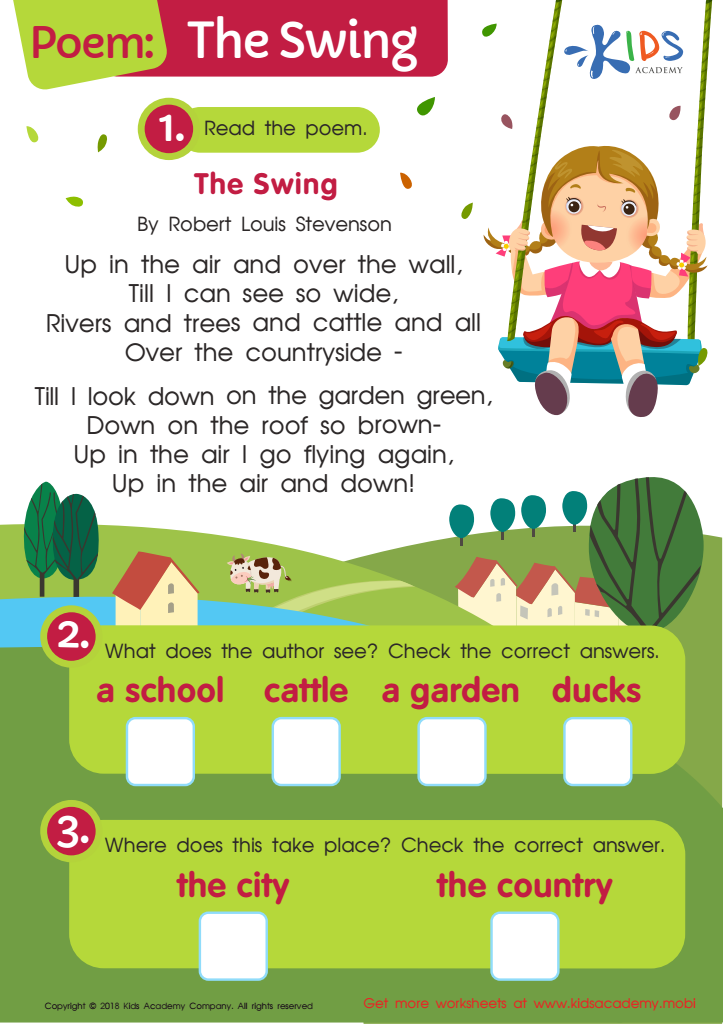
Poem: The Swing Worksheet
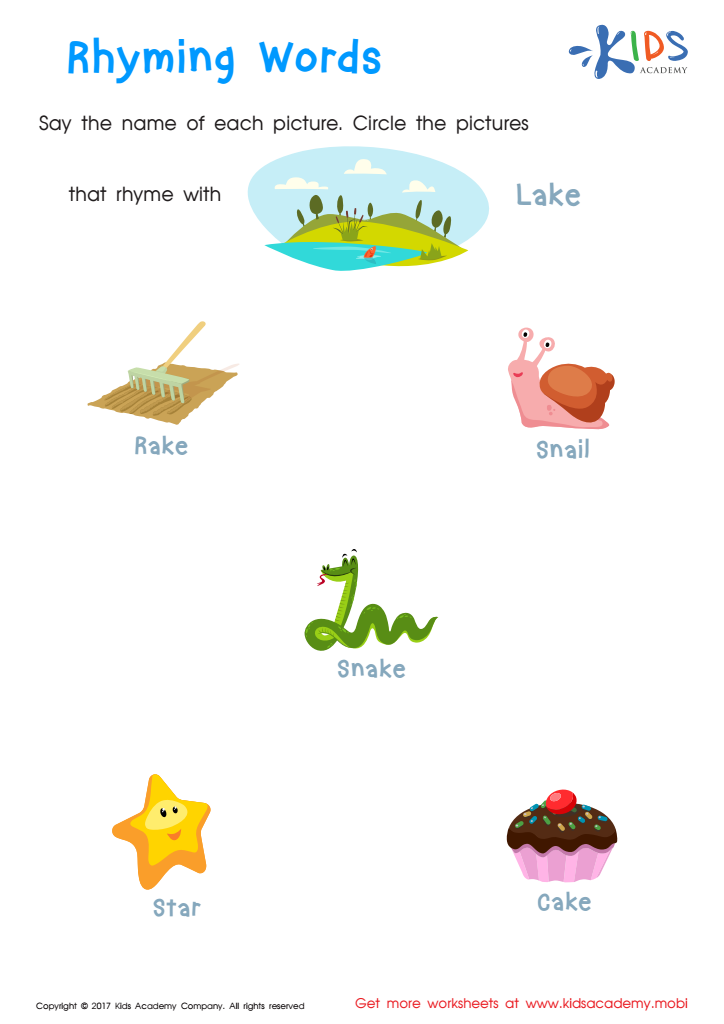
Rhyming Words Rhyming Worksheet
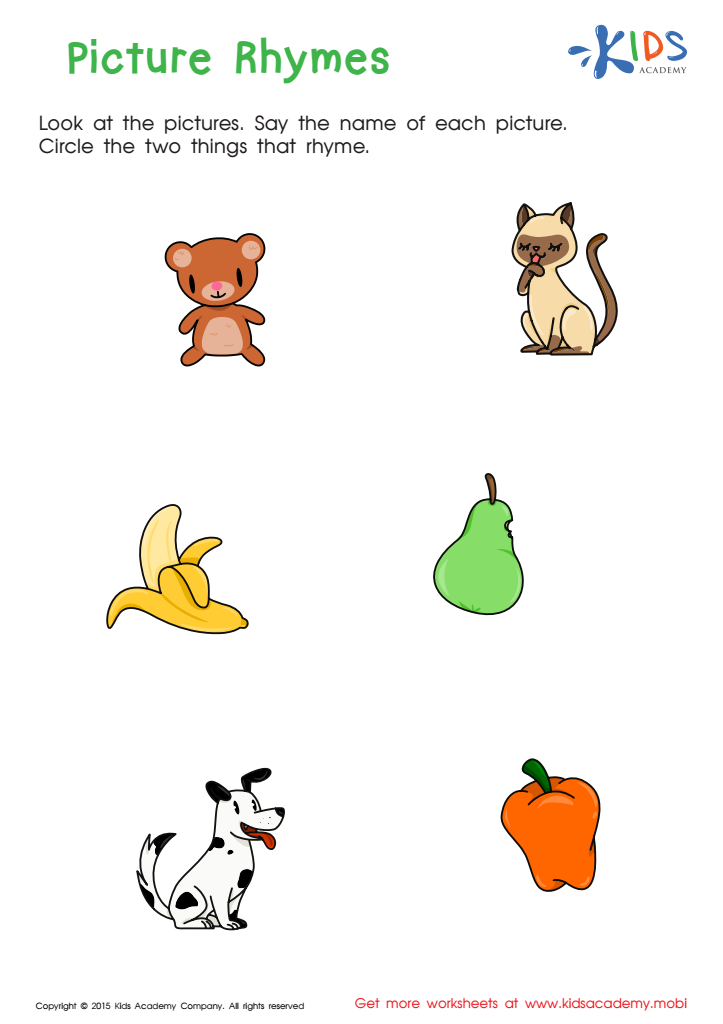
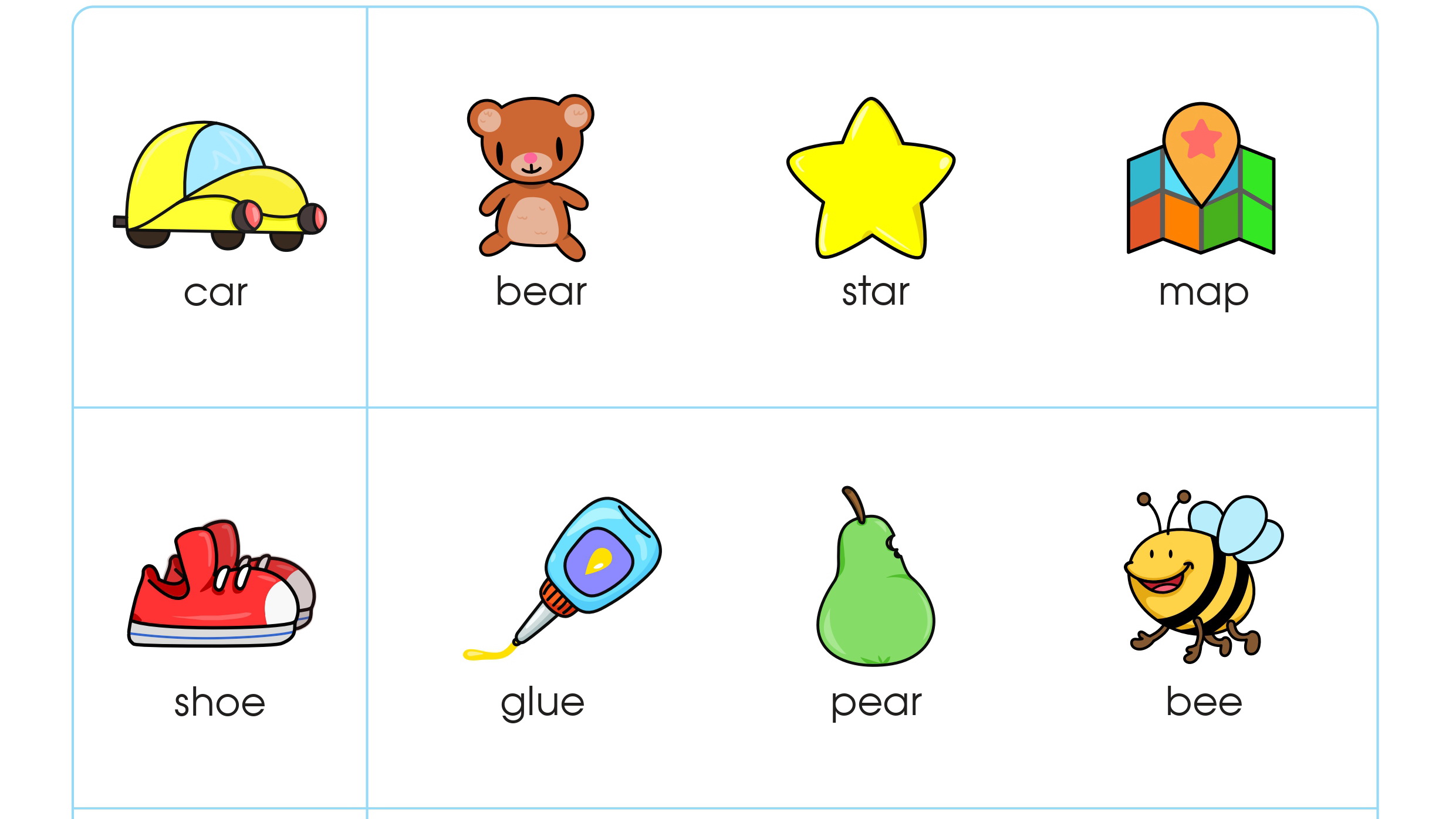
First Words: Picture Rhymes Worksheet
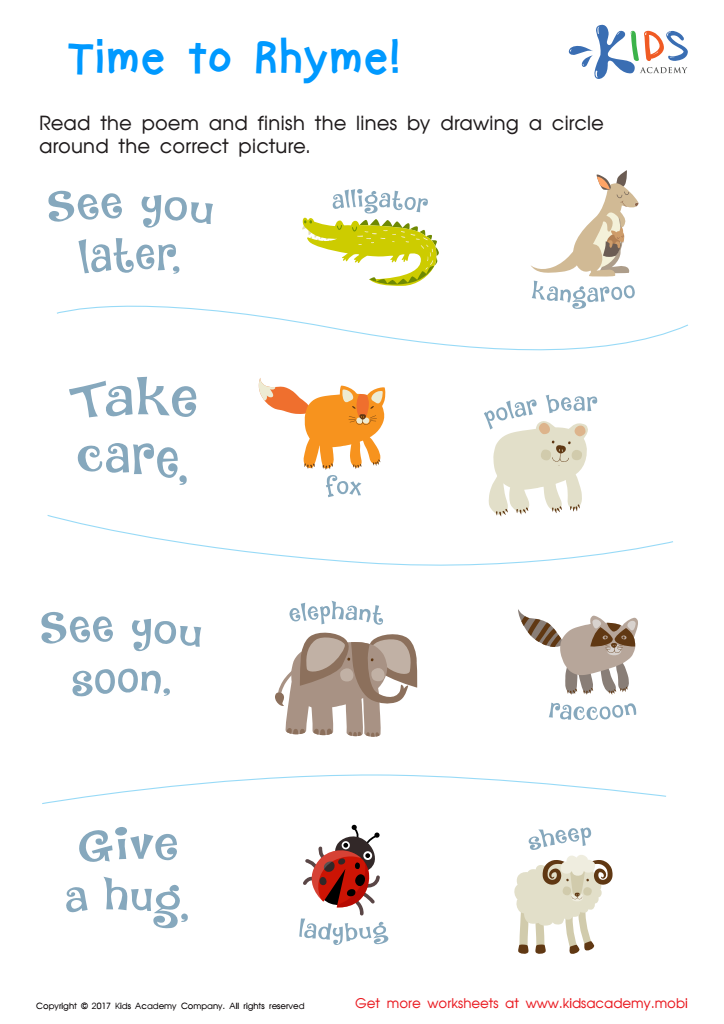
Time to Rhyme Rhyming Worksheet







Reading comprehension and the understanding of normal rhyming words are crucial for children aged 7 to 9, as they form the foundation for literacy skills. At this age, children are transitioning from learning to read to reading to learn. A solid grasp of reading comprehension enables them to engage with texts meaningfully, aiding overall academic success.
Rhyming words play a vital role in this process. Recognizing patterns and sounds in language enhances phonemic awareness, which is essential for decoding and spelling. When children practice rhyming, they become more familiar with word structures, making it easier to comprehend and recall information. This skill also sparks creativity and expands vocabulary, as children learn to play with language.
For parents and teachers, fostering these skills is about nurturing critical thinkers and communicators. Engaging children in activities that promote reading comprehension and rhyming—such as storytelling, poetry, and word games—can enrich their classroom experience and at home. Ultimately, encouraging a love for reading and an ability to make sense of text sets the stage for lifelong learning, empowering children to explore diverse subjects and navigate the world around them confidently. A focus on these foundational skills helps equip children for future academic challenges and personal growth.








