Critical thinking development Normal Science Worksheets for Ages 7-9
6 filtered results
-
From - To
Enhance your child's critical thinking skills with our specially designed Normal Science Worksheets for ages 7-9. These engaging worksheets focus on developing analytical abilities through interactive exercises that push young minds to think deeply and solve problems. Packed with age-appropriate content, our resources encourage curiosity and foster a love for science. Children will explore fascinating scientific concepts while honing their reasoning skills. Ideal for classroom use or at-home learning, these worksheets offer a fun way to cultivate critical thinking. Perfect for curious learners, our collection aids in building a strong foundation for academic success in a supportive, enjoyable environment. Let's spark creativity and critical analysis today!
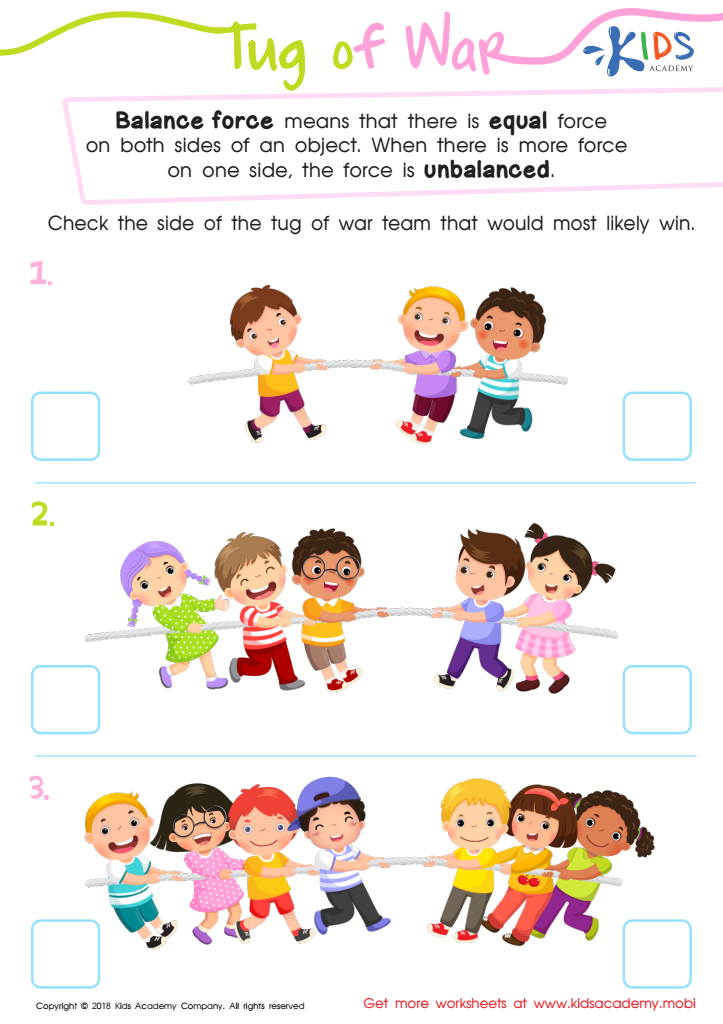
Balanced Forces Worksheet
 Assign to My Students
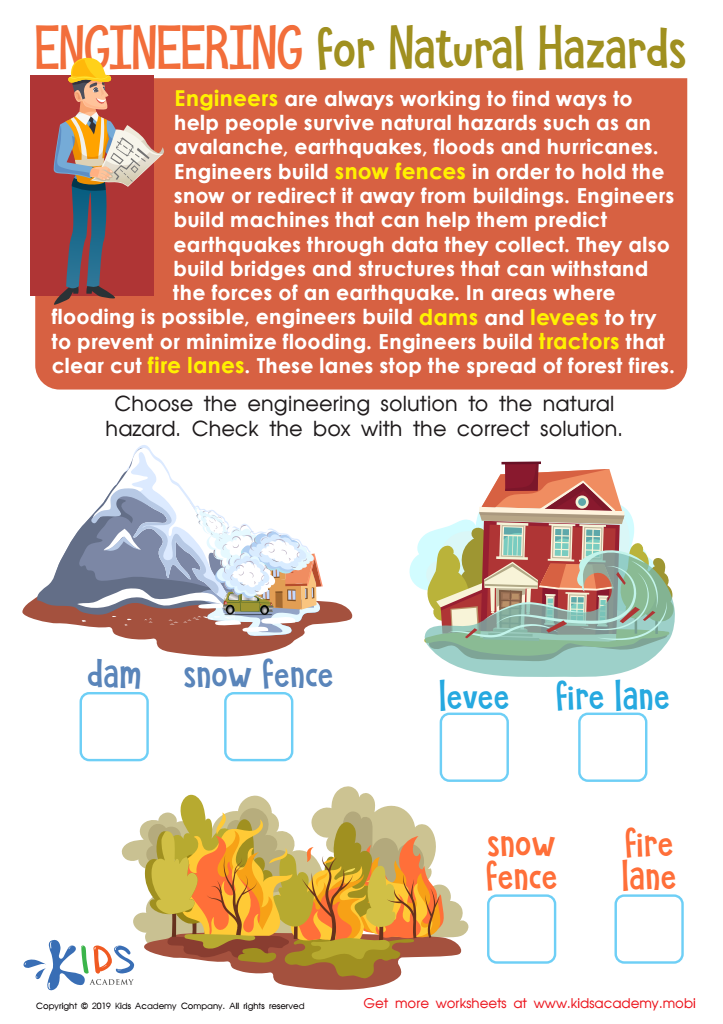
Engineering Natural Hazards Worksheet
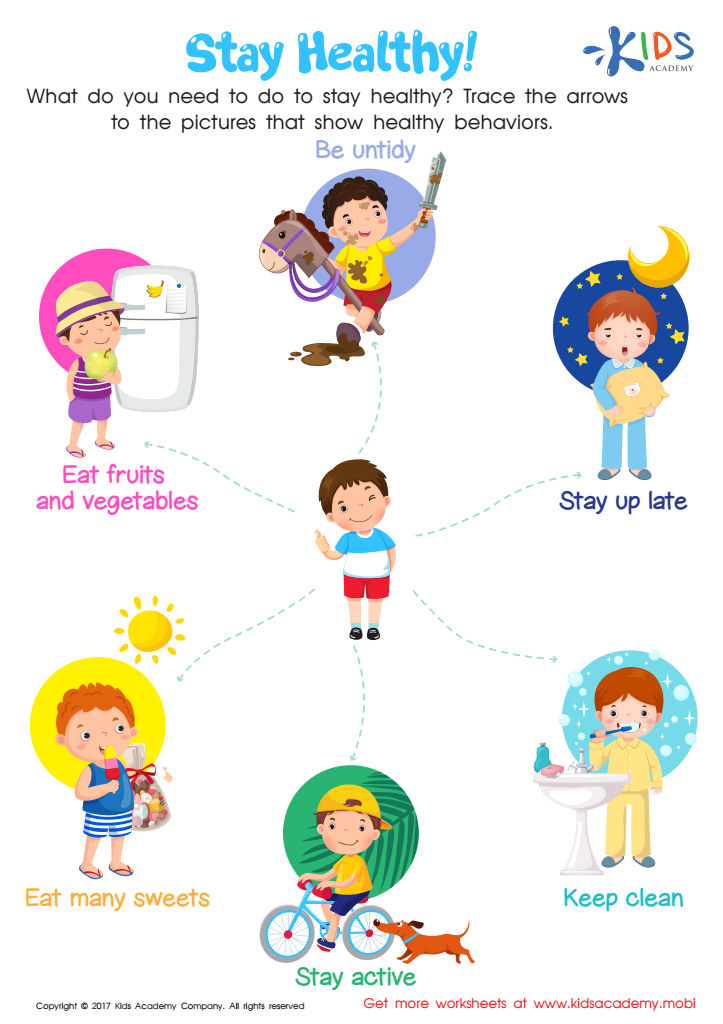
Healthy and Unhealthy Behaviors Worksheet
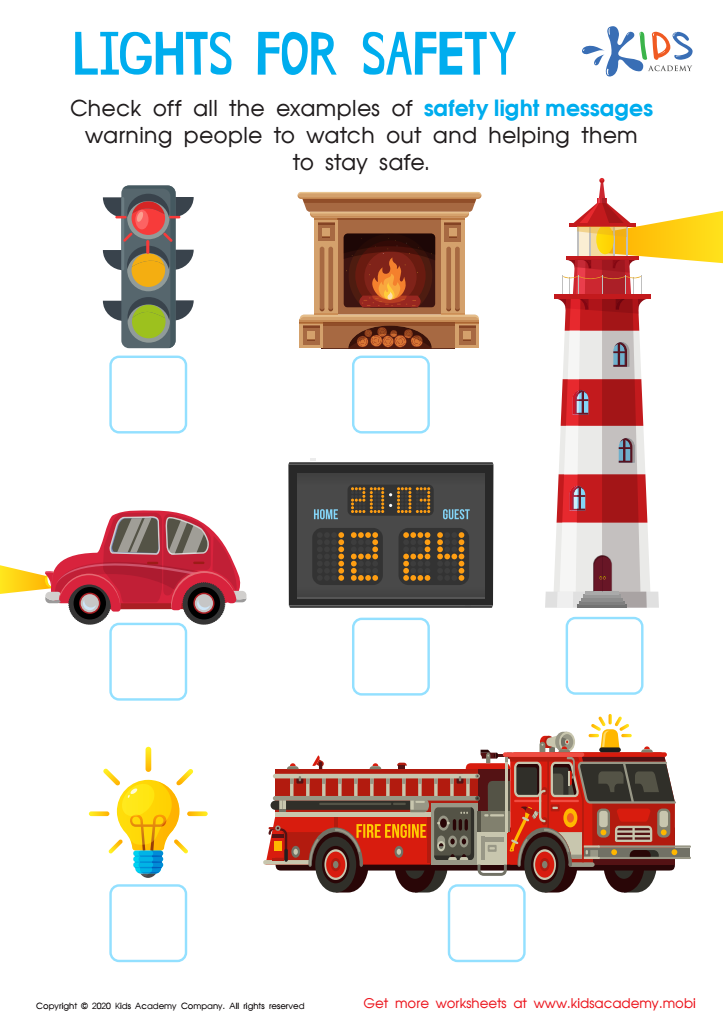
Lights for Safety Worksheet
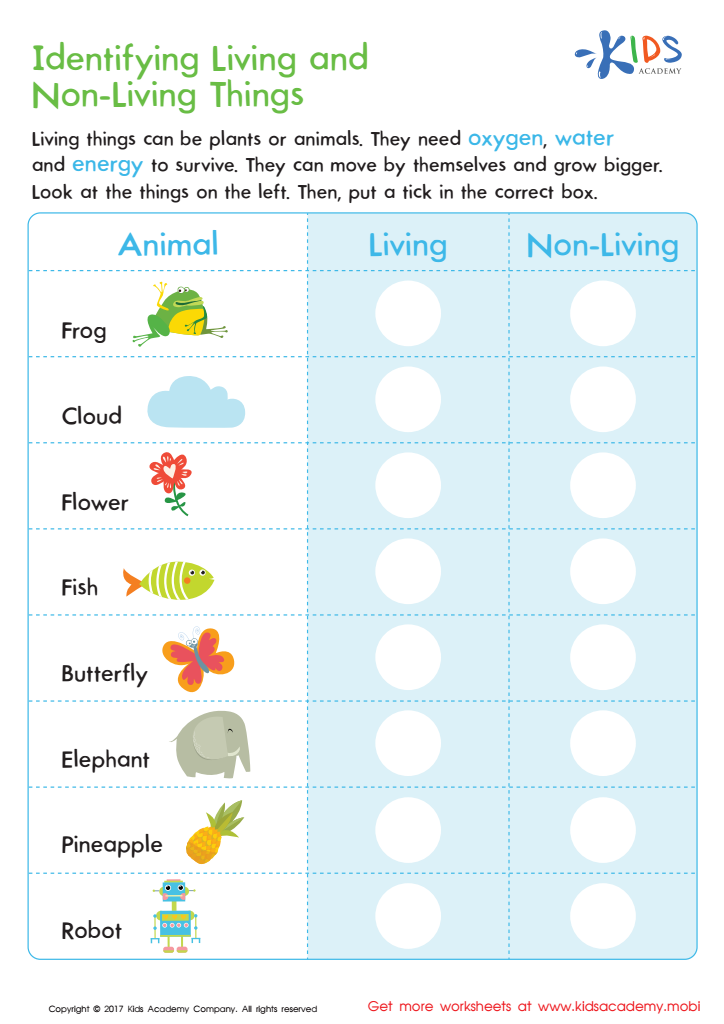
Identifying Living or Non–living Worksheet
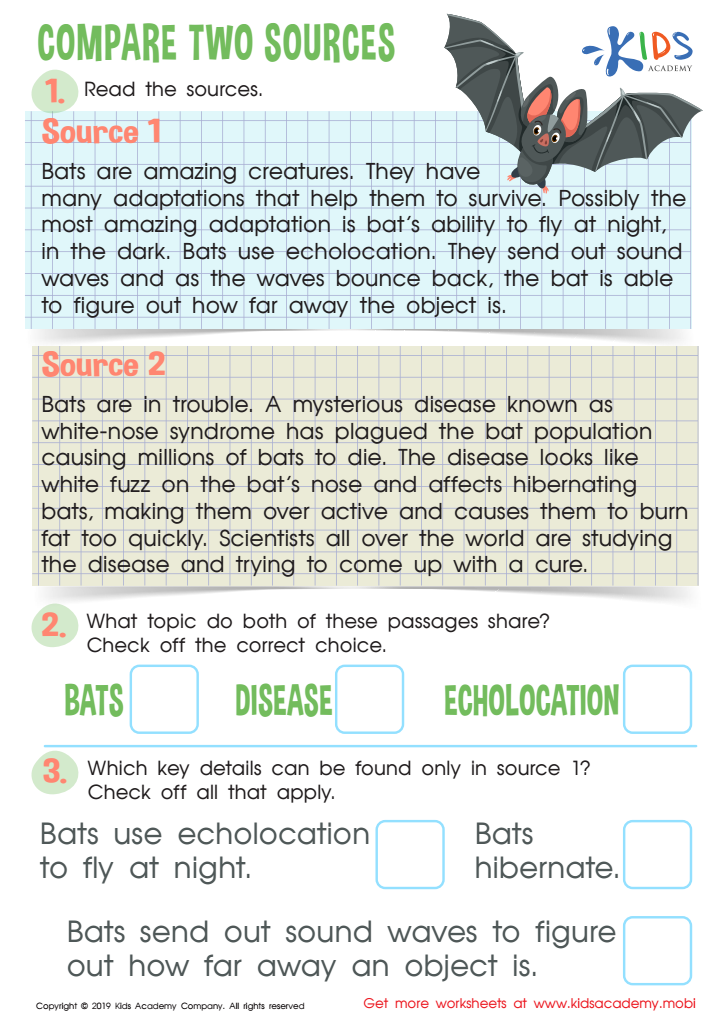
Compare Two Sources Worksheet







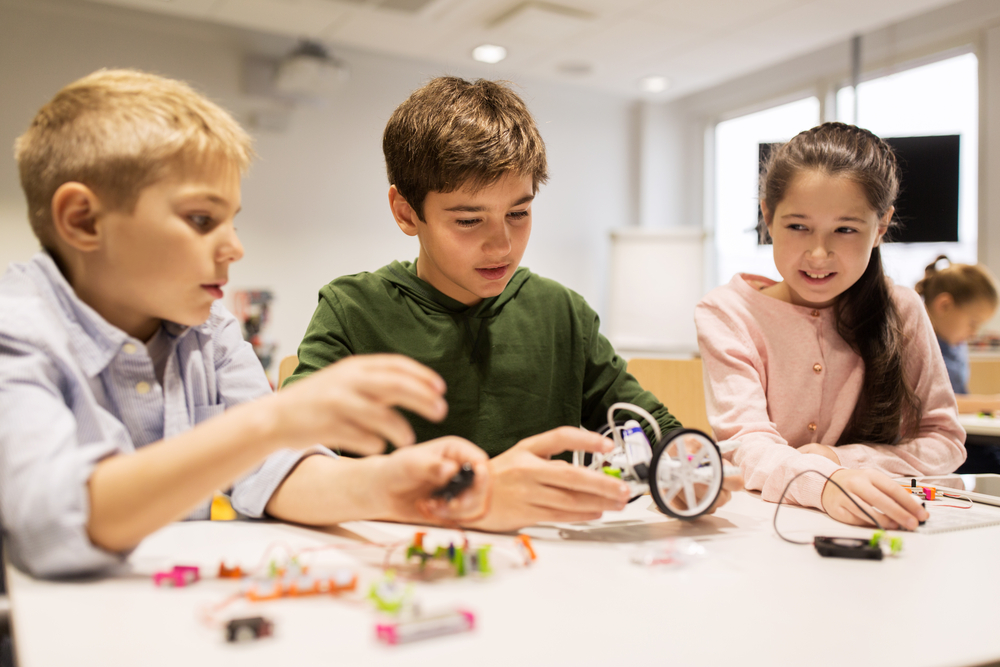
Critical thinking development in children aged 7-9, particularly in the context of Normal Science, is vital for their cognitive growth and understanding of the world. At this stage, children begin to explore concepts and ideas more deeply. Teaching them to think critically helps them analyze information, ask questions, and seek evidence, fostering a sense of curiosity and a genuine love for learning.
This age group is ideal for instilling good habits of reasoning and evaluation. By engaging with Normal Science, children can connect real-world phenomena with scientific principles, enhancing their ability to think logically and creatively about problems. Critical thinking enables them to differentiate between observation and interpretation, a crucial skill in today's information-rich environment.
When parents and teachers prioritize critical thinking, they equip children with the tools to tackle challenges and make informed decisions in their everyday lives. Such skills are not just academic; they have lasting implications on personal development, including social interactions and emotional intelligence. In essence, nurturing critical thinking during these formative years lays a strong foundation for future learning and empowers children to navigate their world with confidence and discernment.







