Developing observation skills Normal Science Worksheets for Ages 7-9
3 filtered results
-
From - To
Enhance your child's curiosity and critical thinking with our "Developing Observation Skills" Science Worksheets, tailored for ages 7-9. These engaging worksheets encourage young learners to explore their environment, sharpen their observational techniques, and gather information effectively. Through fun activities, kids will learn to identify patterns, make predictions, and draw conclusions, fostering a deep understanding of the natural world. Perfect for home or classroom use, our worksheets are designed to make learning enjoyable and provide parents and educators with invaluable tools to support children’s learning journeys. Unlock the wonders of observation and ignite a passion for science in your little ones today!
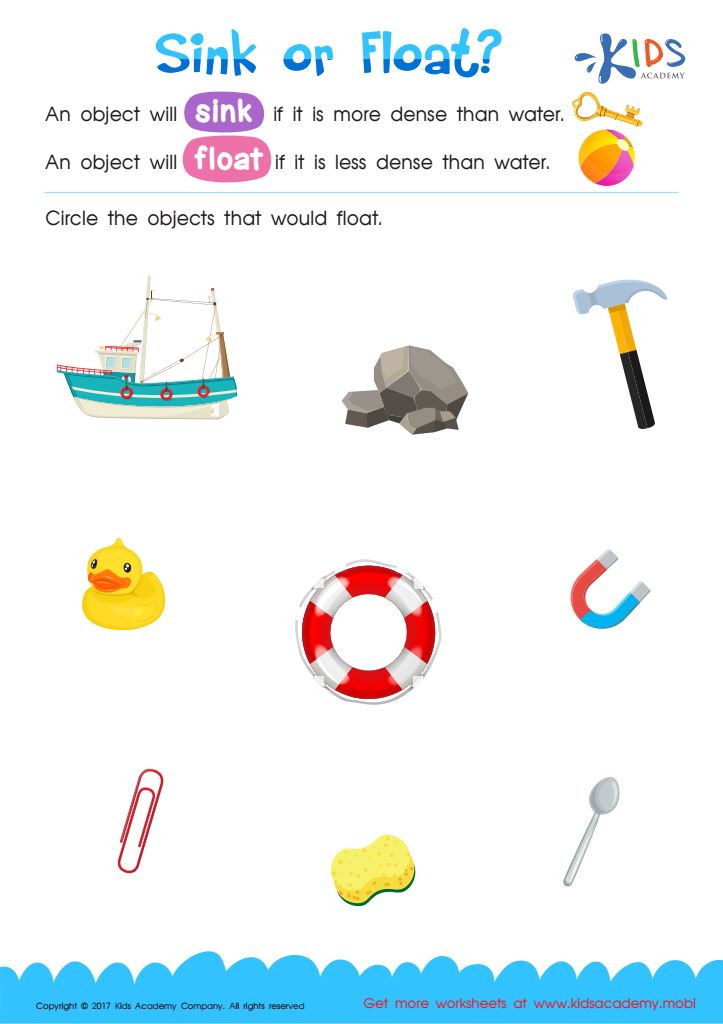
Sink or Float Printable
 Assign to My Students
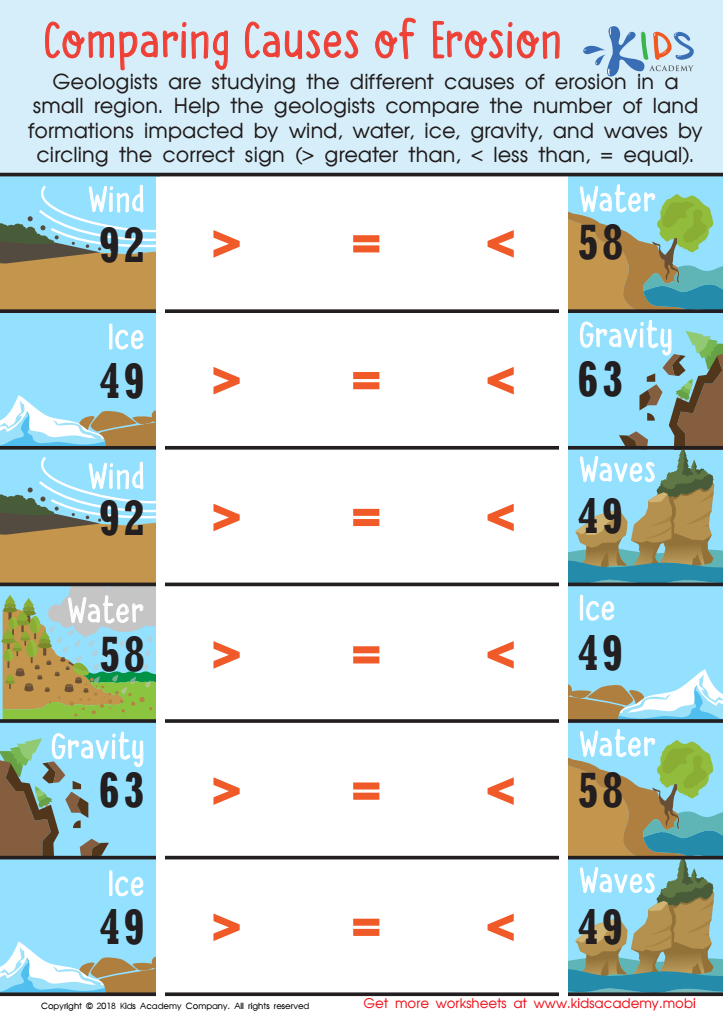
Comparing Causes of Erosion Worksheet
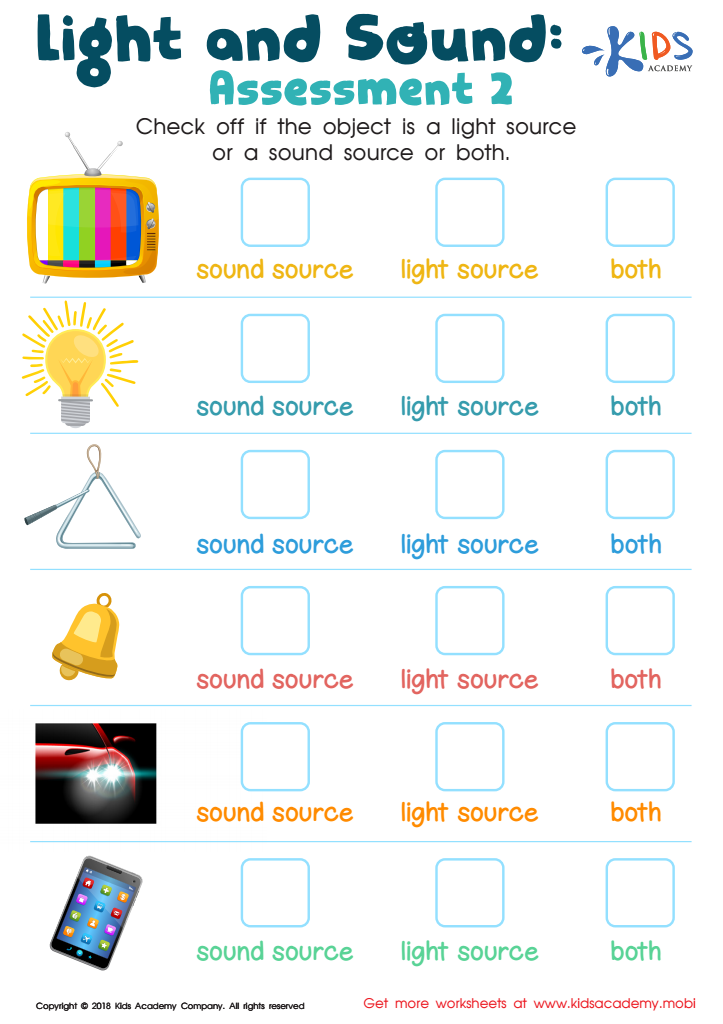
Light and Sound: Assessment 2 Worksheet


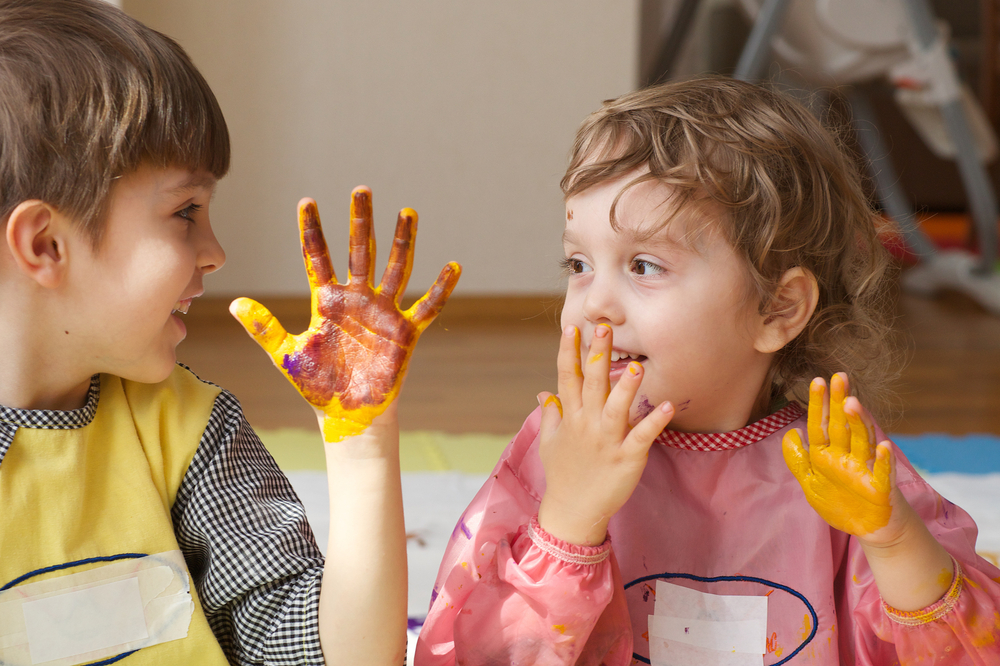


Developing observation skills in early science education is critical for children aged 7-9 as it lays a foundation for critical thinking and problem-solving. At this age, children are naturally curious about their environment, and fostering their observation abilities allows them to enhance this curiosity. As they engage with scientific concepts, strong observation skills empower children to gather accurate information, notice patterns, and make connections between what they see and the scientific principles at play.
Parents and teachers should care deeply about cultivating these skills because observational learning enhances comprehension and retention of knowledge. When children actively observe, they become participants in their learning, shifting from passive recipients of information to actively engaging in scientific inquiry. This engagement builds confidence and encourages a lifelong love for science.
Furthermore, observation is at the core of the scientific method—hypothesizing, experimenting, and drawing conclusions. Developing these skills early helps prepare children for more advanced scientific concepts in the future. By prioritizing observation, adults help children become not just better students but also critical thinkers who can navigate the complexities of the world and approach real-world problems with an informed perspective.







