Matching skills Normal Science Worksheets for Ages 7-9
3 filtered results
-
From - To
Discover our engaging Matching Skills Normal Science Worksheets designed specifically for children aged 7-9. These worksheets provide an interactive way for young learners to connect scientific concepts with relevant images, terms, and descriptions. By practicing matching skills, students enhance their comprehension and retention while exploring topics like habitats, life cycles, and weather patterns. Our thoughtfully created worksheets stimulate curiosity and promote critical thinking, making learning fun and effective. Perfect for classroom use or at-home learning, these resources support your child's development in a fun format. Encourage exploration, build confidence, and watch your child thrive in science with our Matching Skills worksheets!
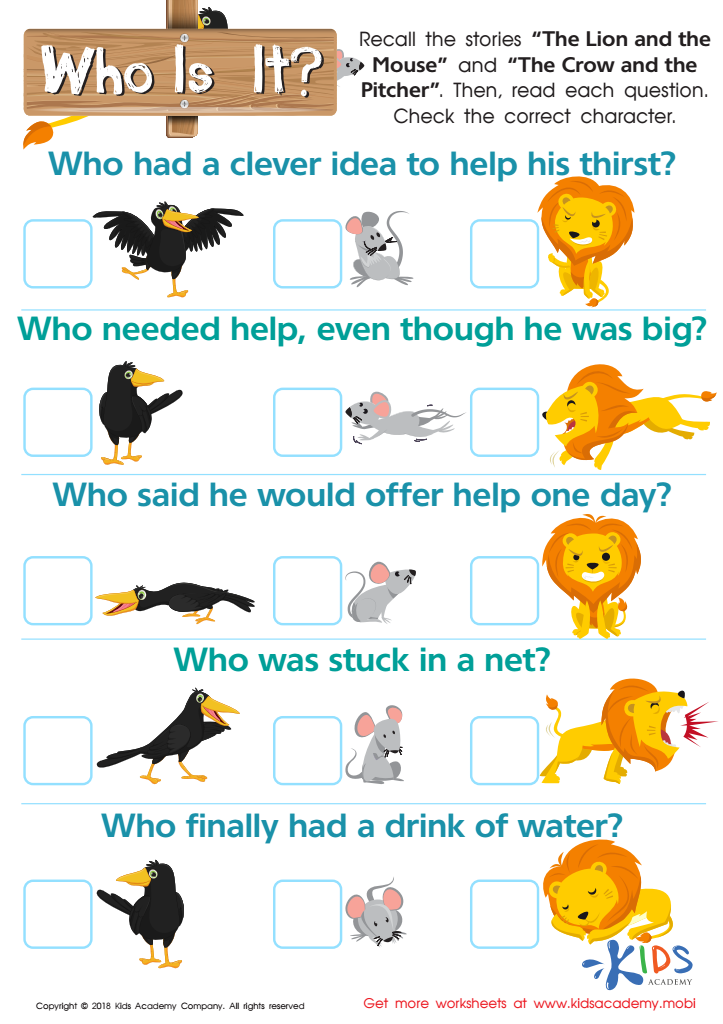
Who Is It? Worksheet
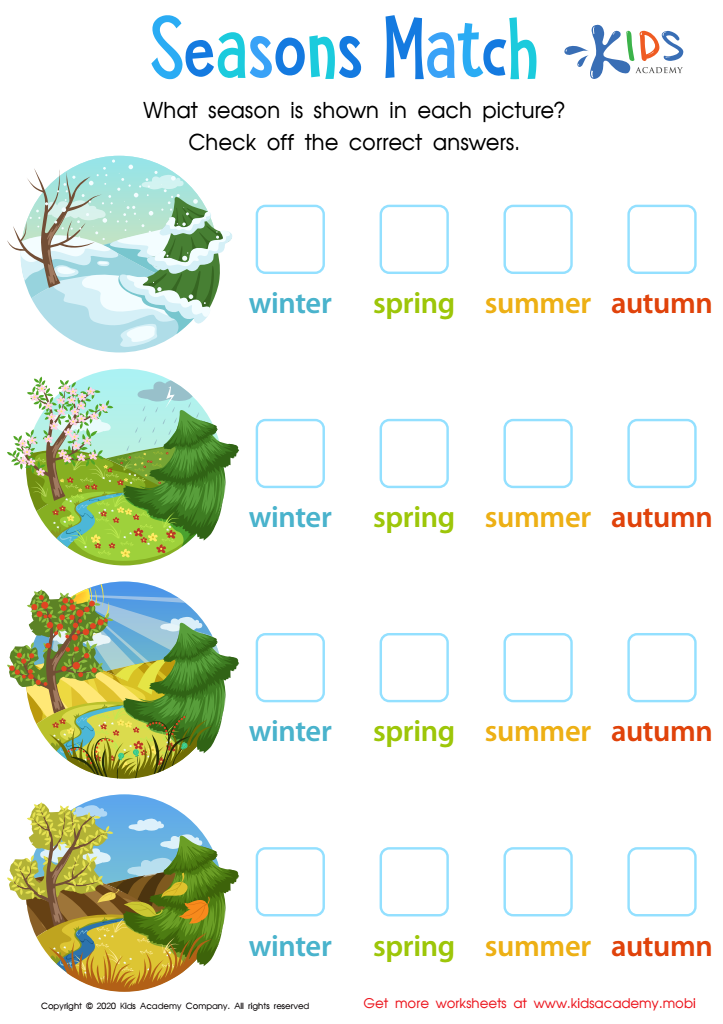
Seasons Match Worksheet
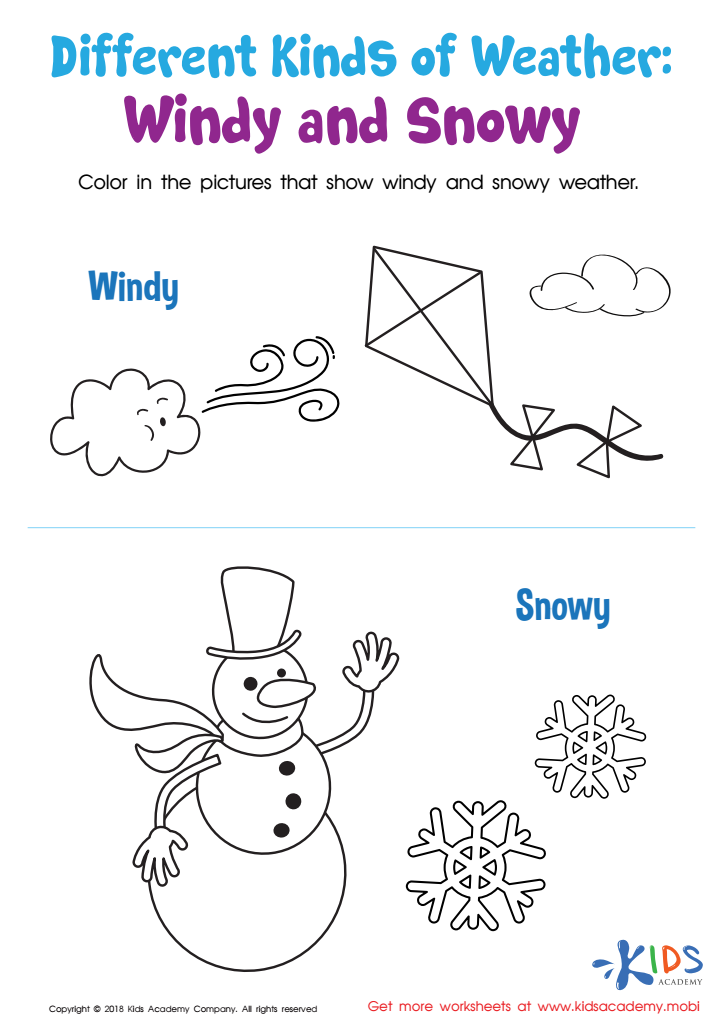
Different Kinds of Weather: Windy and Snowy Worksheet
 Assign to My Students


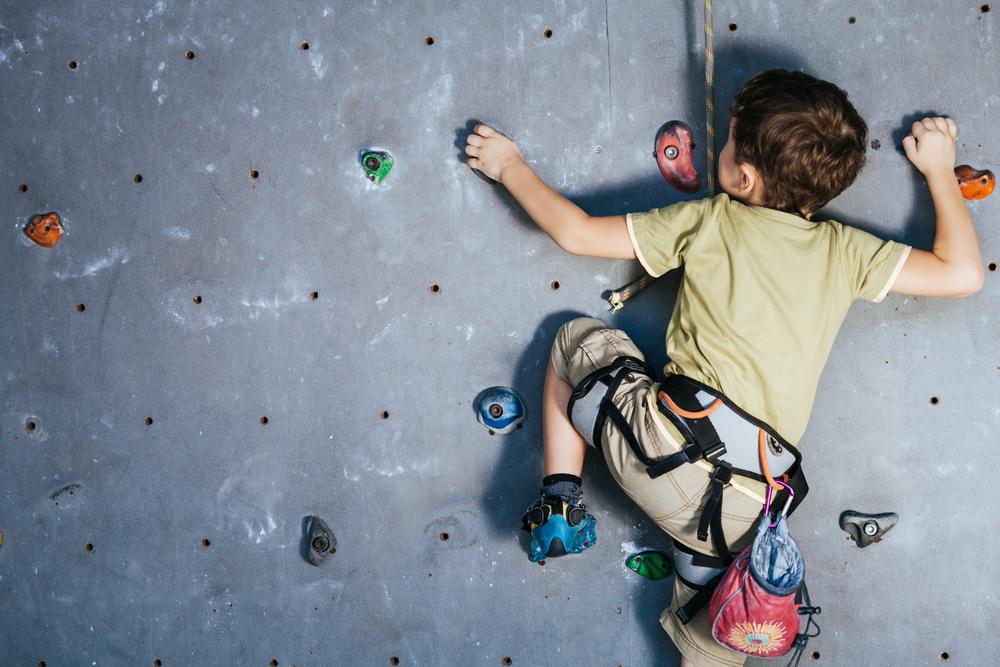




Matching skills in Normal Science for children aged 7-9 are crucial for fostering a strong foundation in critical thinking and problem-solving. At this developmental stage, children are naturally curious about the world around them. Engaging them in activities that involve matching skills encourages observation, categorization, and comparison, essential components of the scientific method. By learning to match different elements—be it related species, habitats, or various physical states of matter—children enhance their capability to identify patterns and draw conclusions, which are core competencies in scientific inquiry.
Furthermore, promoting matching skills supports cognitive development and vocabulary expansion, as children become familiar with scientific terminology and concepts. This builds their confidence and interest in science, preparing them for more complex topics in the future. Parents and teachers play a pivotal role in this development by integrating matching games, interactive activities, and real-world scenarios into learning. It fosters an engaging environment where questions are encouraged, leading to a deeper understanding of scientific principles.
Ultimately, investing time in developing matching skills not only enriches children’s current learning experiences but also instills a lifelong love for science and inquiry, equipping them for future academic challenges and discoveries.







