Observational skills Normal Our Planet and Environment Worksheets for Ages 7-9
6 filtered results
-
From - To
Enhance your child's observational skills with our engaging "Our Planet and Environment" worksheets designed for ages 7-9. These interactive resources foster critical thinking and encourage young learners to explore and appreciate their surroundings. Through hands-on activities and detailed questions, children will observe, compare, and analyze various elements of nature and the environment. Perfect for both classroom and home use, these worksheets provide valuable opportunities for children to sharpen their awareness and sense of curiosity about the planet. Support your child's learning journey by nurturing their observational skills and helping them connect with the world around them!
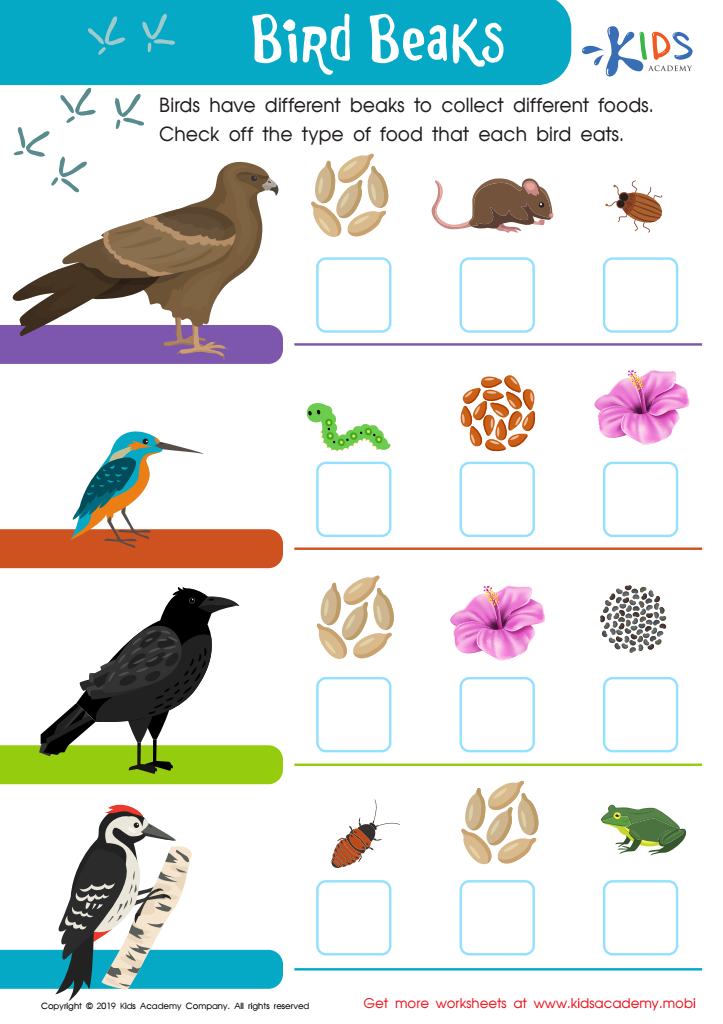
Bird Beaks Worksheet
 Assign to My Students
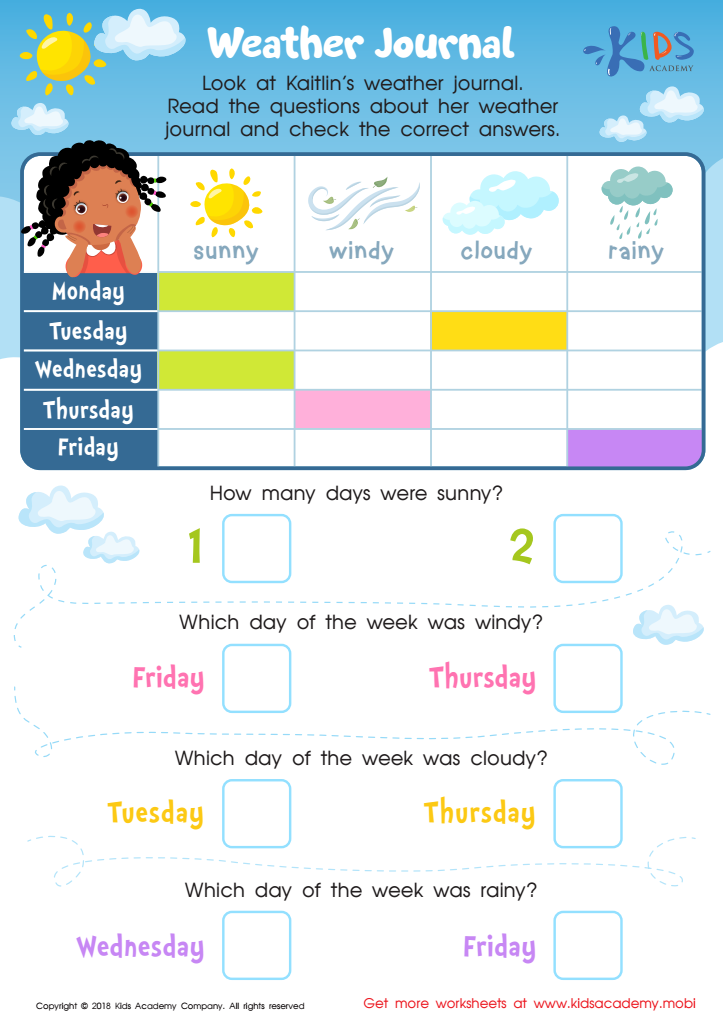
Weather Journal Worksheet
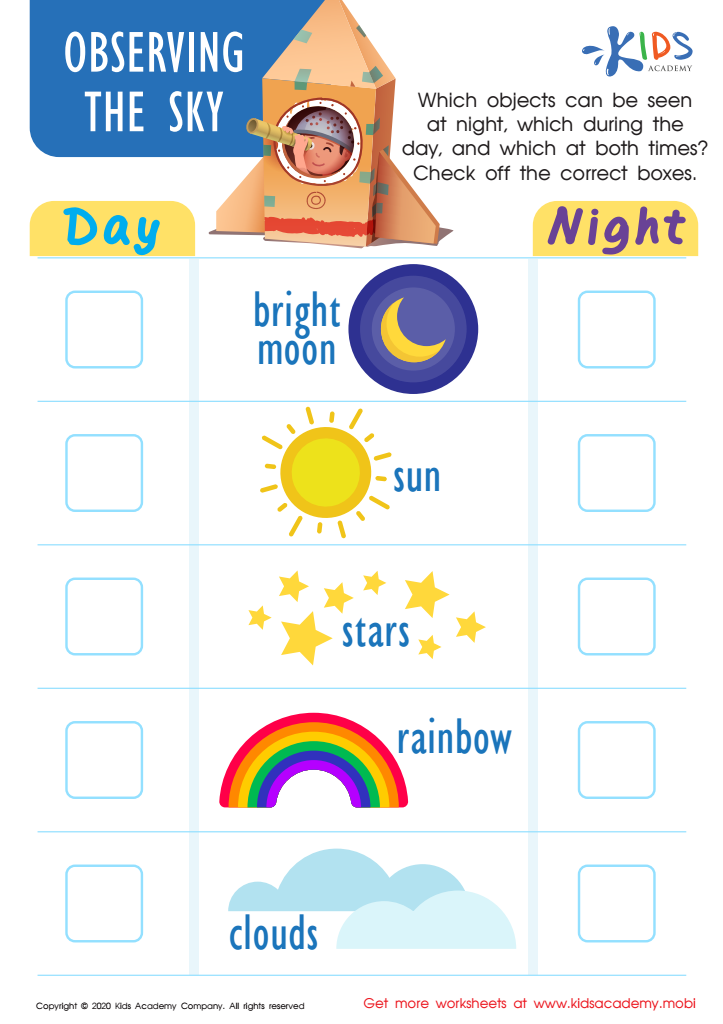
Observing the Sky Worksheet
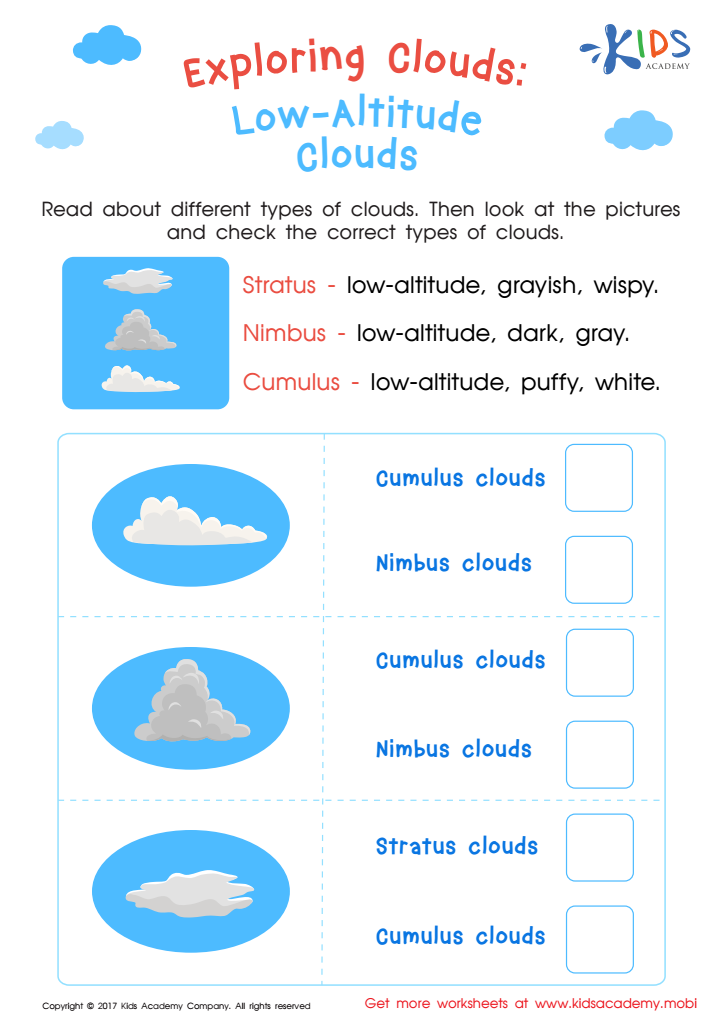
Exploring Clouds: Low Altitude Clouds Printable
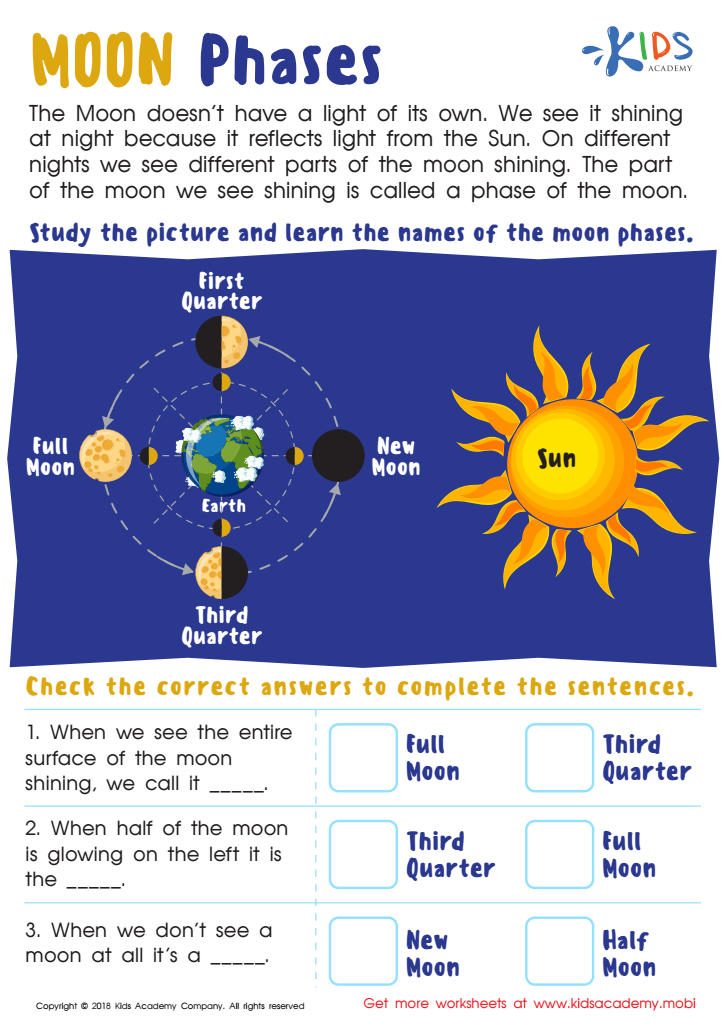
Moon Phases Worksheet
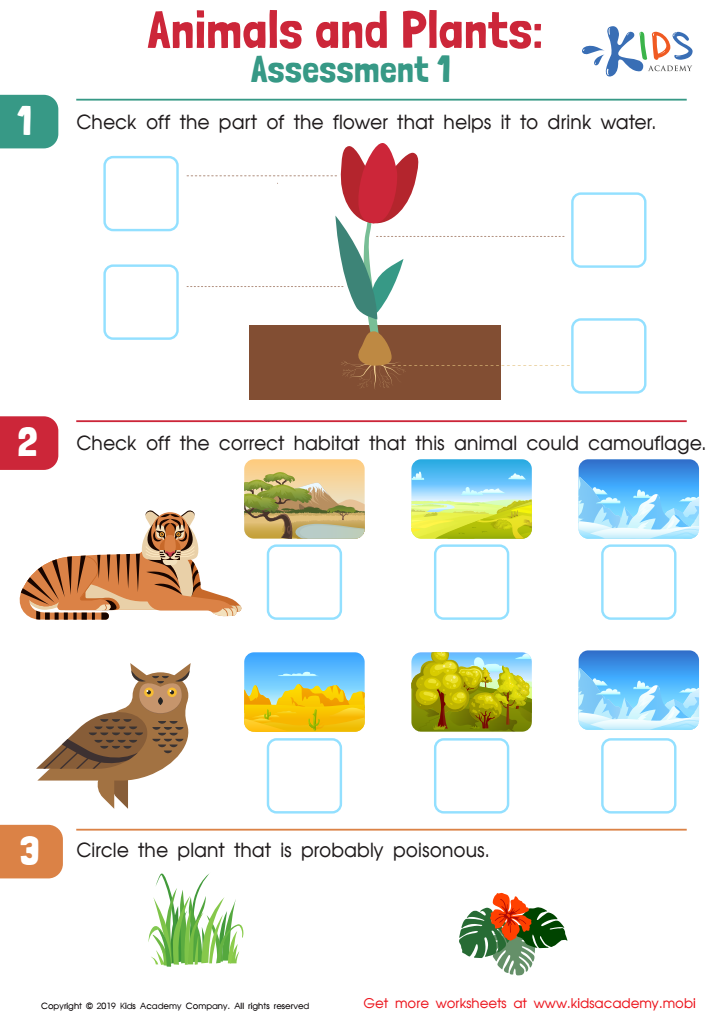
Animals and Plants: Assessment 1 Worksheet


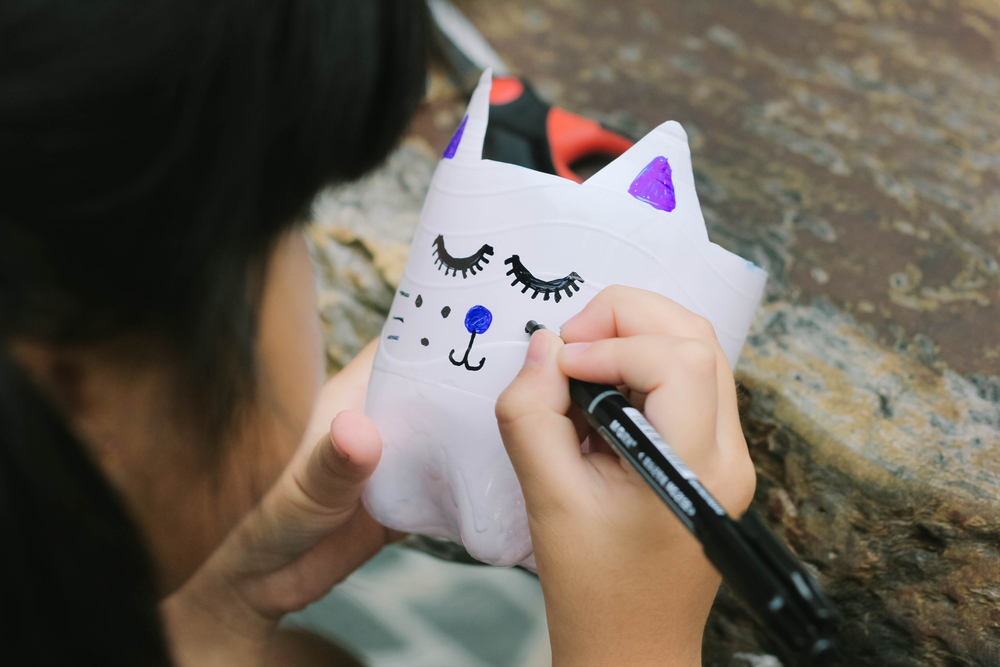
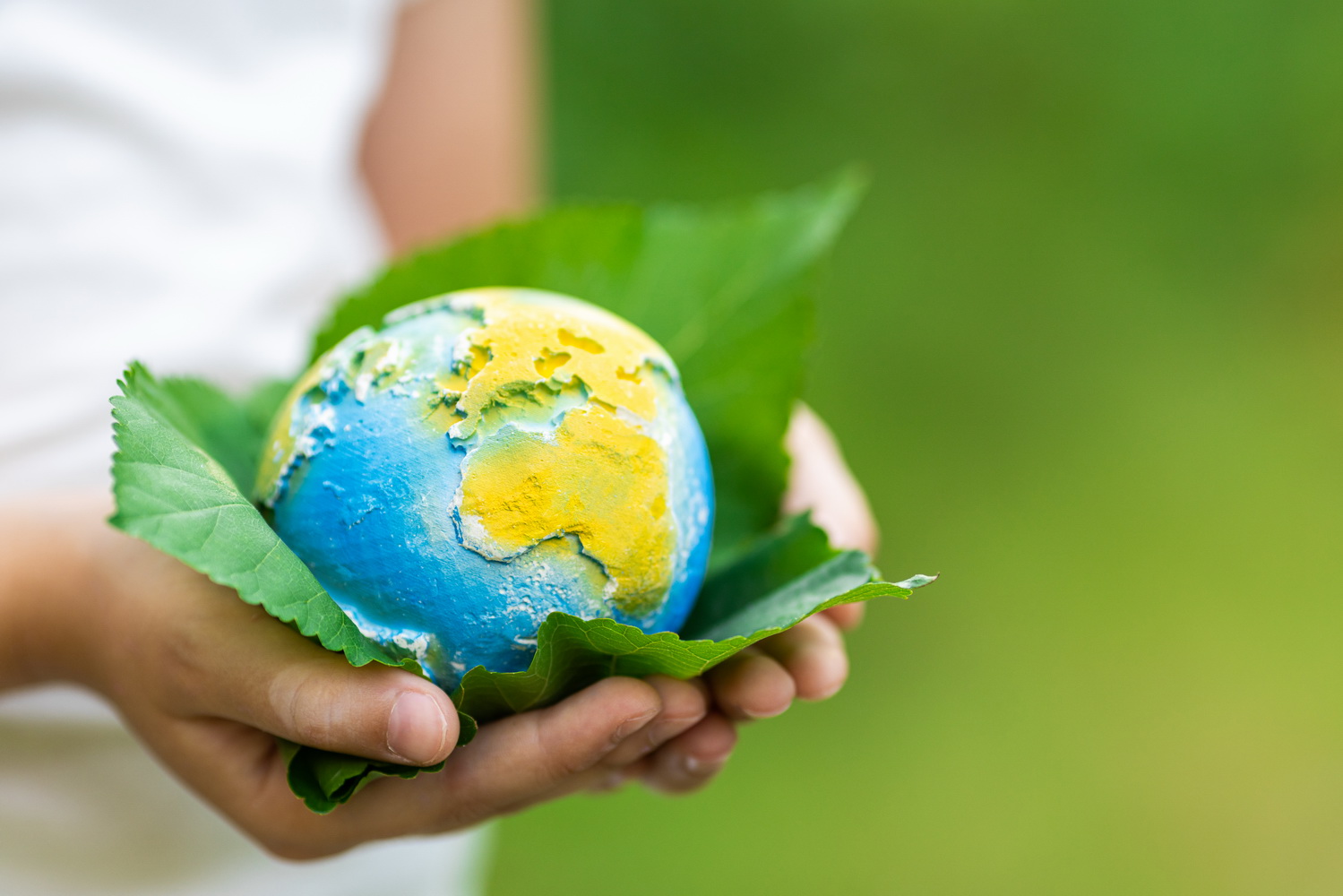


Observational skills, particularly related to understanding our planet and environment, are essential for children aged 7-9. During this developmental stage, children are naturally curious and eager to explore their surroundings. Engaging them in observational activities enhances their awareness of nature, ecosystems, and the impact of human actions on the environment. By cultivating strong observational skills, parents and teachers can help children develop critical thinking and analytical abilities, enabling them to ask questions, draw conclusions, and foster a sense of responsibility towards the planet.
Moreover, environmental education promotes a sense of stewardship. Children learn to recognize patterns and changes in nature, such as seasonal shifts, animal behaviors, and ecological balance. This not only enriches their understanding of science but also develops a deep emotional connection to their environment. Encouraging these skills simplifies complex concepts, allowing children to grasp the importance of sustainability and conservation early on.
Fostering observational skills also harmonizes with collaborative learning experiences, as children frequently share their findings with peers. This dialogue can lead to discussions about global issues, reinforcing their social awareness and empathy towards diverse communities and ecosystems. In summary, nurturing observational skills is crucial for raising informed, responsible, and empathetic future stewards of our planet.







