Map reading skills Normal Geography Worksheets for Ages 7-9
7 filtered results
-
From - To
Discover essential map reading skills for children ages 7-9 with our engaging and interactive geography worksheets! Designed to enhance understanding and navigation abilities, these resources will help your child develop confidence in interpreting maps. Our worksheets cover key concepts such as map symbols, cardinal directions, and scale. Fun exercises unfold as your little learners gain practical skills applicable to real-world settings. These normal geography worksheets encourage curiosity about the environment and foster critical thinking. Whether at home or in the classroom, students will enjoy the blend of education and fun as they embark on exciting map-reading adventures! Perfect for budding geographers!
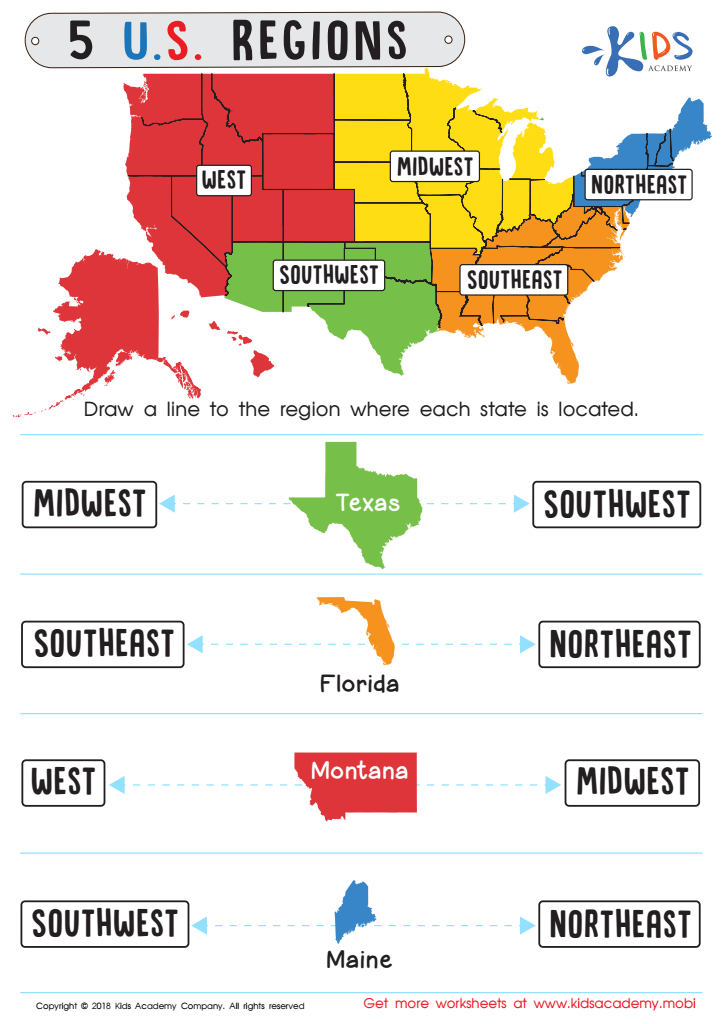
5 U.S. Regions Worksheet
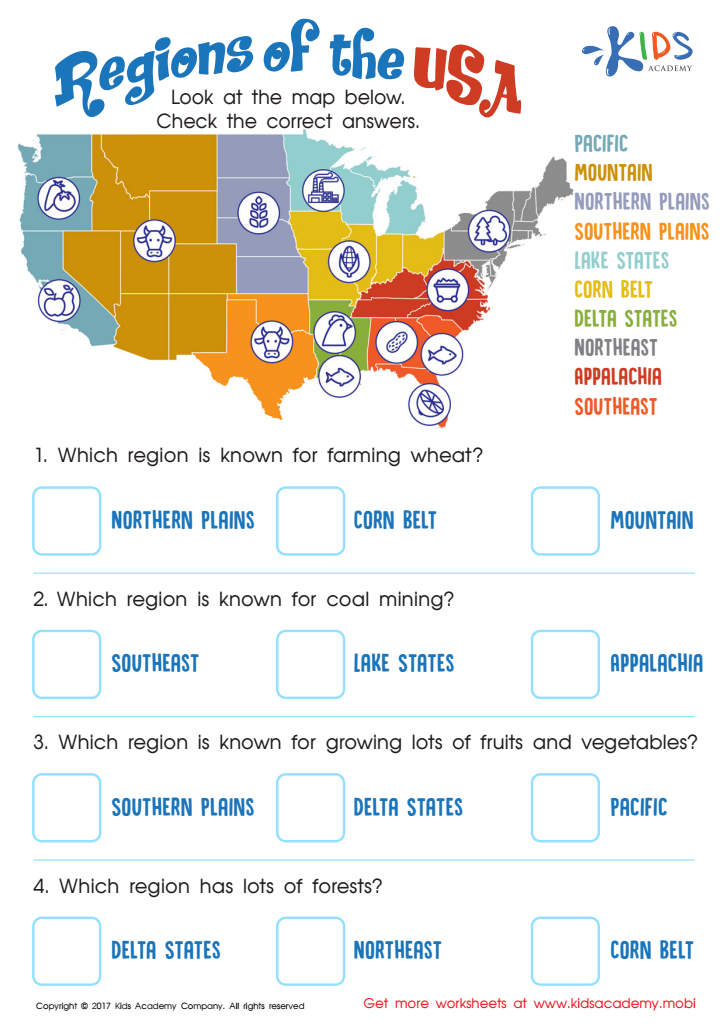
Regions of the USA Worksheet
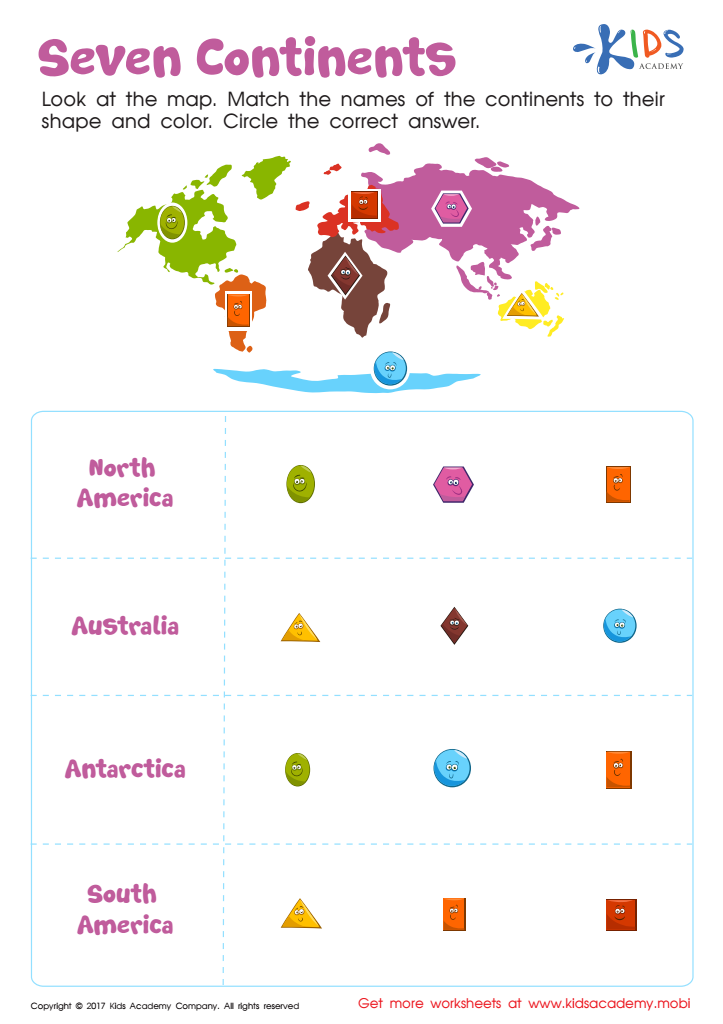
Seven Continents Worksheet
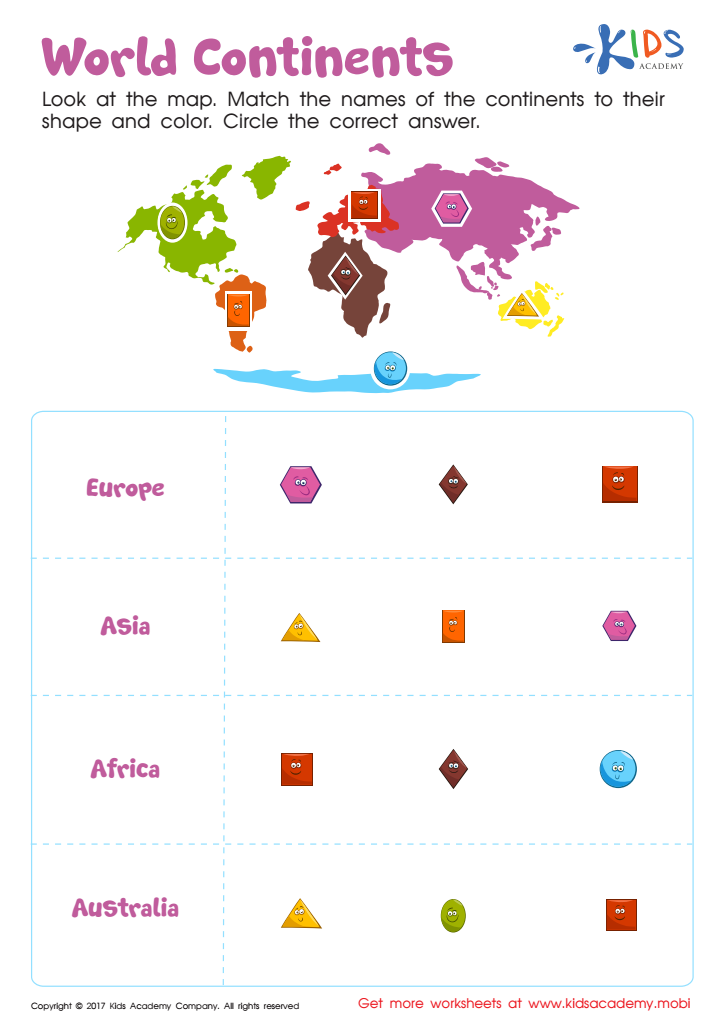
World Continents Worksheet
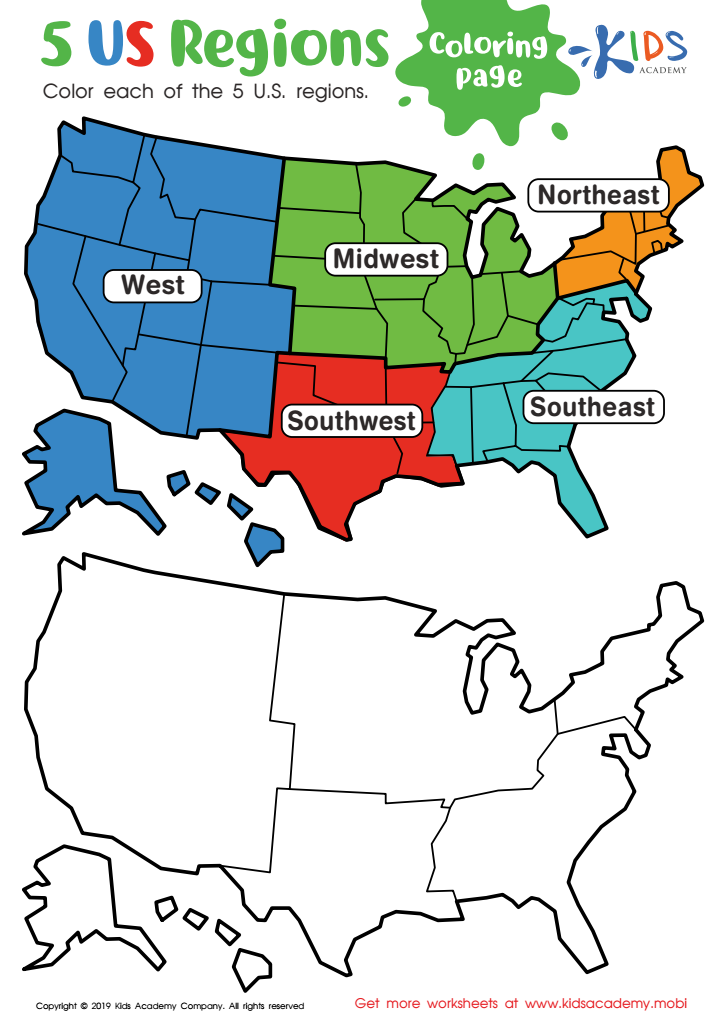
US Regions Coloring Page Worksheet
 Assign to My Students
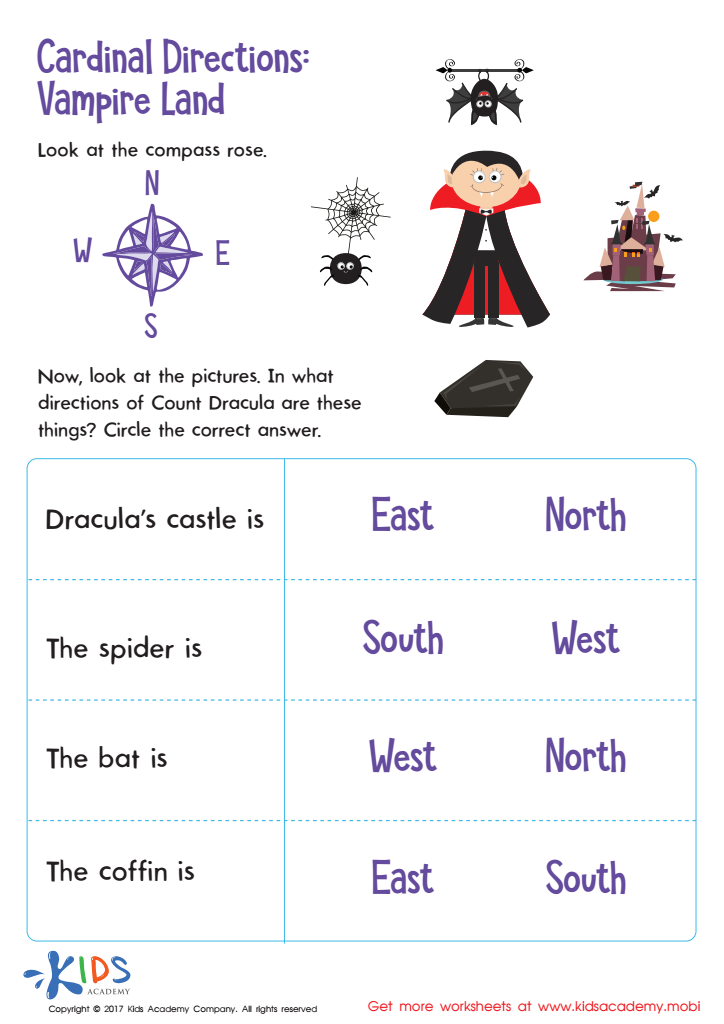
Cardinal Directions Printable
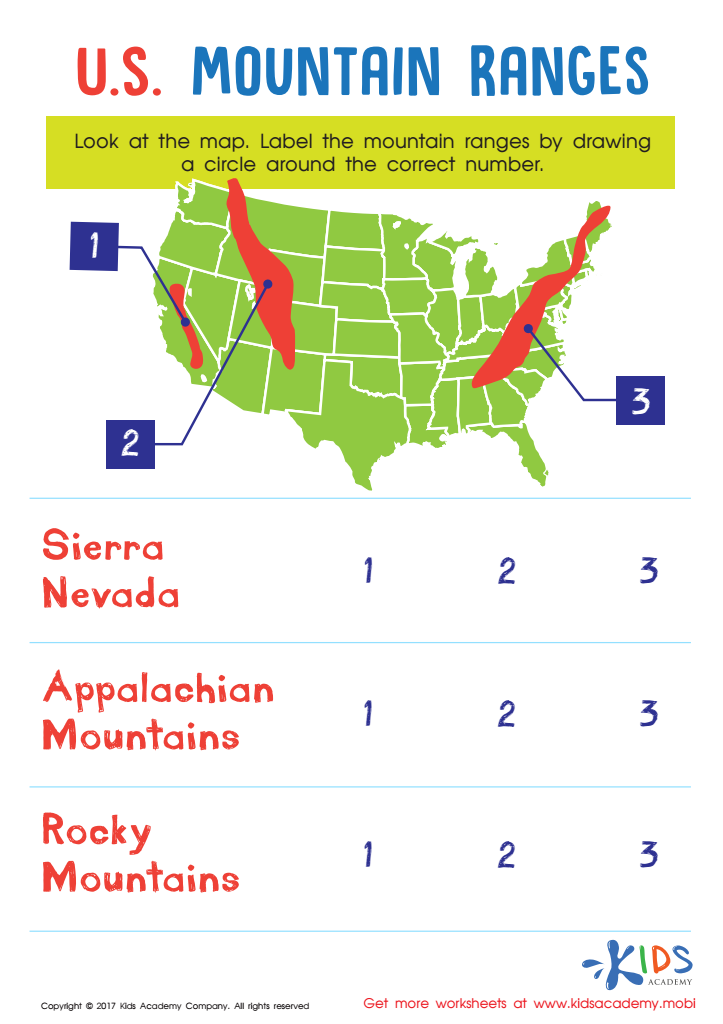
US Mountain Ranges Worksheet




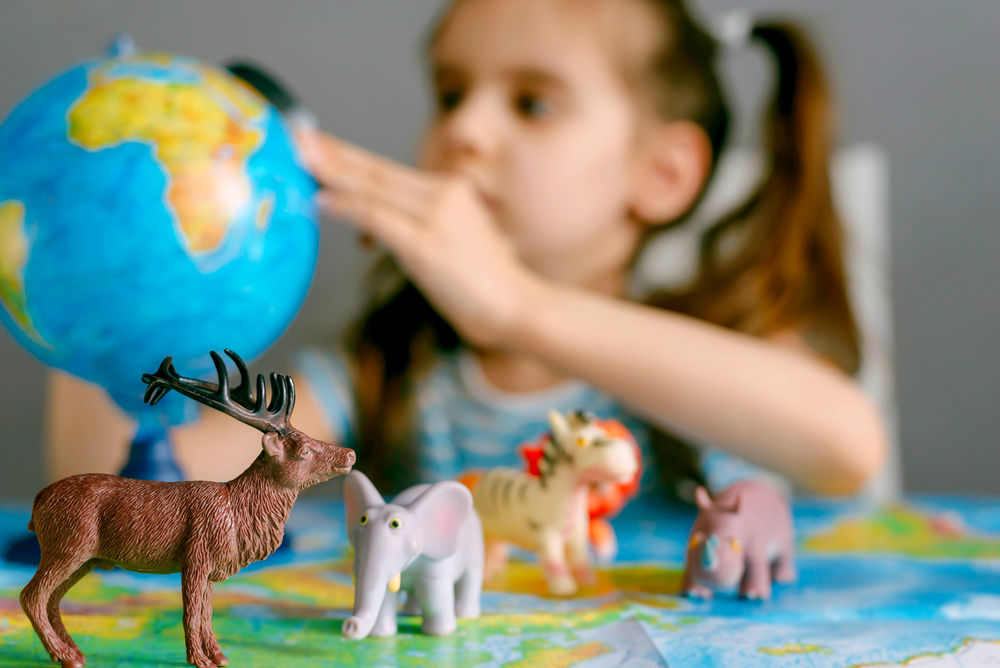


Map reading skills are crucial for children aged 7-9, as they serve as foundational tools for navigating and understanding their world. Parents and teachers should care about fostering these skills, as they enhance a child's spatial thinking and critical problem-solving abilities. Mastering map reading promotes independence and safety, equipping children with the ability to orient themselves in unfamiliar places.
Understanding maps enriches geography education by helping children grasp concepts like scale, symbols, and directions, translating to deeper knowledge about their local communities and the broader world. Furthermore, map reading cultivates observational skills, encouraging children to analyze their surroundings and make connections between places and cultures.
In addition, proficiency in map skills correlates with academic success, particularly in subjects that rely on visual and analytical comprehension. Children who can easily interpret maps often have an advantage in science, math, and even history lessons that incorporate geographical references.
Furthermore, technology has made geography even more relevant, exposing children to digital maps and global navigation systems. Teaching traditional map skills alongside technological tools offers a balanced approach to geography, ensuring that children are well-equipped for the future. Thus, nurturing map reading skills is an investment in their holistic education and personal growth.








