Color recognition Normal Social Studies Worksheets for Ages 7-9
3 filtered results
Difficulty Level
Grade
Age
-
From - To
Subject
Activity
Standards
Welcome to our Color Recognition Normal Social Studies Worksheets for ages 7-9! These engaging worksheets are designed to enhance young learners' understanding of color and its significance in social contexts. Our curated activities encourage children to identify and categorize colors in everyday scenarios, enhancing both their artistic expression and comprehension of social cues. Each worksheet combines fun illustrations with educational prompts, fostering creativity while reinforcing essential skills. Ideal for classroom use or at-home learning, these resources support a comprehensive approach to social studies. Explore diverse themes and promote interactive learning with these vibrant, easy-to-follow worksheets, perfect for nurturing curious minds!
Favorites
With answer key
Interactive
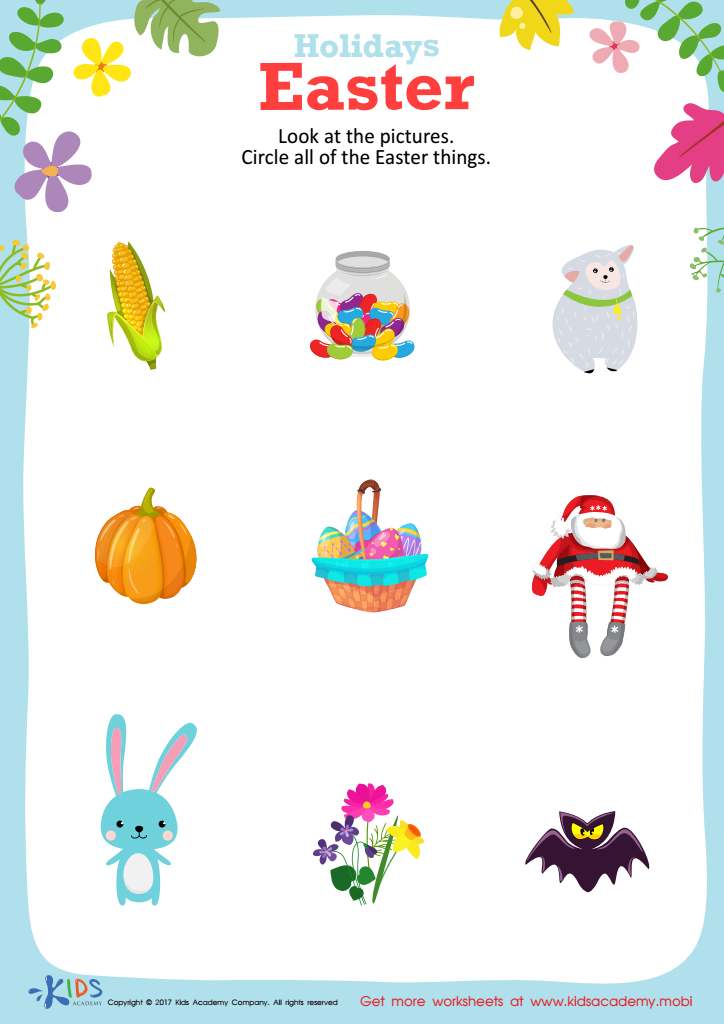
Easter Holiday Printable
This printable Easter worksheet helps your child identify symbols associated with the holiday. Pick out the pictures that usually signify Easter and your little one will gain an understanding of the holiday's meaning. With this free activity, springtime just got more exciting!
Easter Holiday Printable
Worksheet
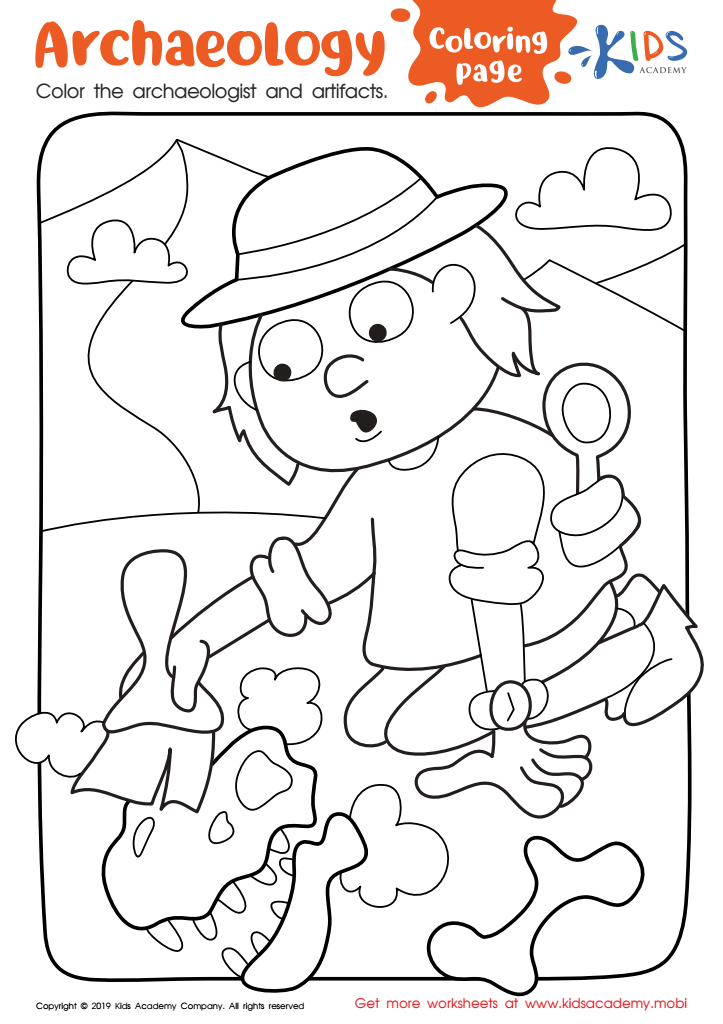
Archaelogy Coloring Page Worksheet
Colour and learn with this fun sheet! It's a great way for kids to find out what archeologists do; from digging for artifacts, to learning about their tools, to discovering what makes something an artifact. They'll have a blast while learning about history, honing their creativity and imagination.
Download (PDF)
 Assign to My Students
Assign to My Students
Archaelogy Coloring Page Worksheet
Worksheet
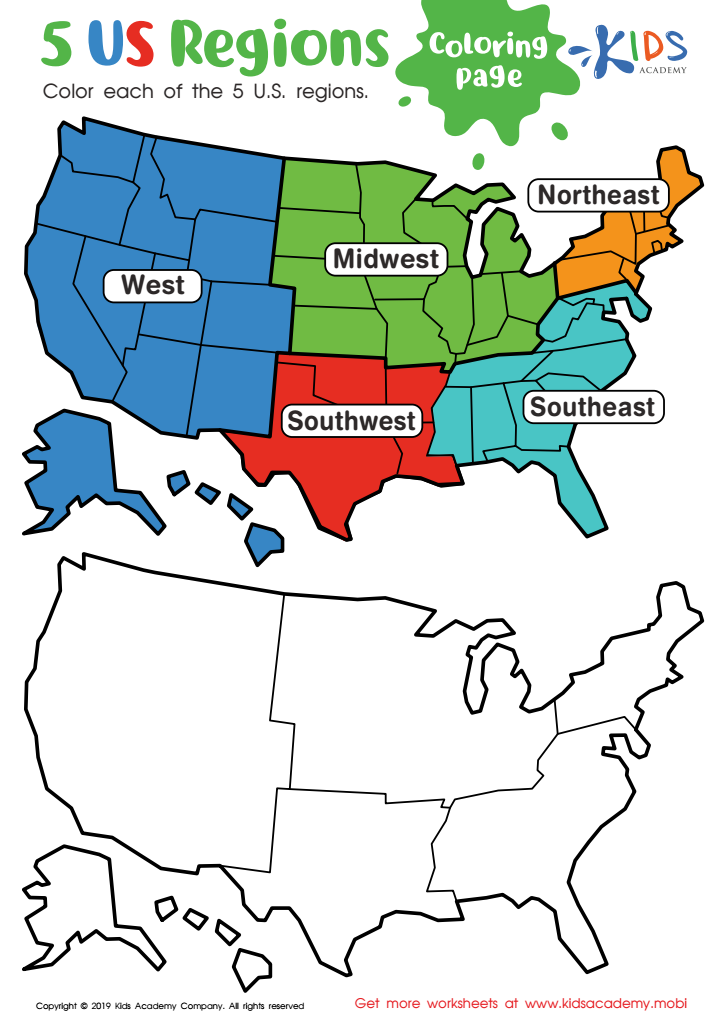
US Regions Coloring Page Worksheet
Our great nation is split into five distinct regions: Southeast, Southwest, West, Midwest, and Northeast. Each is known for its own special offerings and states. Let your kids have fun learning about the regions with a coloring activity! It's a great way for them to understand where each region stands on the map.
Download (PDF)
Assign to My Students
Assign to My Students
US Regions Coloring Page Worksheet
Worksheet
Join Kids Academy for Free
Who is primarily going to use this learning content?







Parents and teachers should care about color recognition in social studies for children aged 7-9 for several reasons. Firstly, color recognition plays a crucial role in a child's cognitive development. At this stage, children are enhancing their observational skills, and being able to identify and differentiate colors helps them recognize patterns and categorize the world around them.
Secondly, colors often carry cultural significance and emotional symbolism, which enriches social studies learning. Understanding colors helps children explore and appreciate diversity in cultures, traditions, and art, fostering an inclusive mindset. For example, in social studies lessons, they might learn about various flags, map legends, or symbolic meanings in different societies, which ties into understanding the broader world context.
Additionally, incorporating color recognition into lessons can provide an engaging and interactive learning experience. Activities that involve colors can lead to discussions about geography, history, or social issues, allowing children to express ideas creatively.
Ultimately, encouraging color recognition not only aids in language and descriptive skills but also promotes critical thinking, cultural awareness, and an appreciation for visual literacy—essential components of a well-rounded education. Ensuring children understand colors enables them to connect more deeply with their social studies curriculum and the world around them.